Cod is one of those rare ingredients that manages to be both humble and exceptional at the same time. It is a fish without pretension, mild in flavor, adaptable by nature, and universally approachable for even the most hesitant seafood eaters. Yet when treated with care, cod becomes something extraordinary: a delicate, flaky fillet with a clean taste and a melt-in-your-mouth texture that rival far more expensive cuts of fish. Its neutral profile makes it the perfect canvas for bold flavors, rich sauces, and bright aromatics. For this reason, one of the most beloved preparations for cod is a simple but elegant one—pan searing the fish to a golden crust and finishing it in a vibrant lemon butter sauce.

This recipe for Lemon Butter Pan-Seared Cod captures the best of what cod can offer and elevates it with techniques that highlight its natural tenderness. The concept is deceptively simple: sear cod fillets in a hot pan until they develop a lightly crisped exterior, then bathe them in a silky, aromatic sauce made of butter, lemon, garlic, and aromatics. In a matter of minutes, the cod takes on the luxurious richness of the butter, the refreshing brightness of the lemon, and the savory undertones of garlic and herbs. The resulting dish is both refined and comforting—a perfect example of how a few high-quality ingredients, prepared correctly, can create something deeply satisfying.
What makes this preparation so appealing is its balance. Cod, when pan-seared, forms a fine golden crust that contrasts beautifully with the soft flake of the interior. The lemon butter sauce drapes over the fillet and seeps into its layers, enhancing the fish without overpowering it. The lemon provides acidity that brightens the dish’s richness, while the butter rounds out the flavors, adding depth and smoothness. Garlic contributes aromatic warmth, and simple herbs such as parsley or thyme add earthiness and color. Every ingredient has a purpose, and together they form a coherent, harmonious whole.
Lemon Butter Pan-Seared Cod is also an ideal dish for both new and experienced cooks. Those new to cooking fish often worry about overcooking, sticking, or breaking the fillets—but cod’s structure and these guided techniques make success very achievable. For more experienced cooks, this dish offers nuance and finesse: achieving the perfect sear, balancing the sauce’s acidity, adjusting the butter’s richness, and ensuring the final texture is tender rather than dry. It is the kind of recipe that teaches skill through repetition, and every time you make it, you can refine the little details that take it from good to exceptional.
What makes cod especially well-suited for pan searing is its structure. Cod fillets are firm enough to withstand high heat yet delicate enough to flake easily once cooked through. When seasoned properly and placed in a hot pan, cod develops a subtle crust that locks in moisture. This crust also gives the fish the structural integrity needed to handle the shake, sizzle, and lift of pan cooking. It prevents the fish from falling apart too early and ensures that the interior stays juicy and tender. The key is heat control: knowing when the pan is ready, how much oil to use, when to turn the fish, and how to avoid sticking. These are skills this recipe helps you learn intuitively.
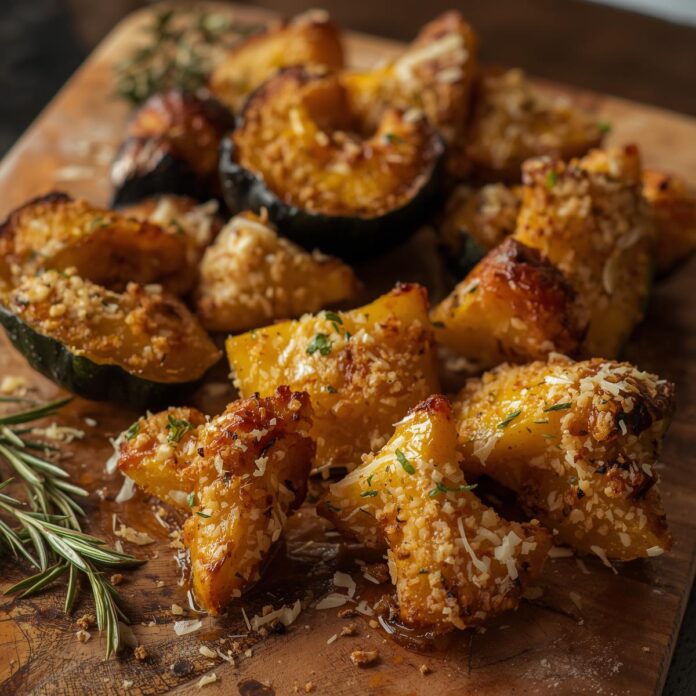
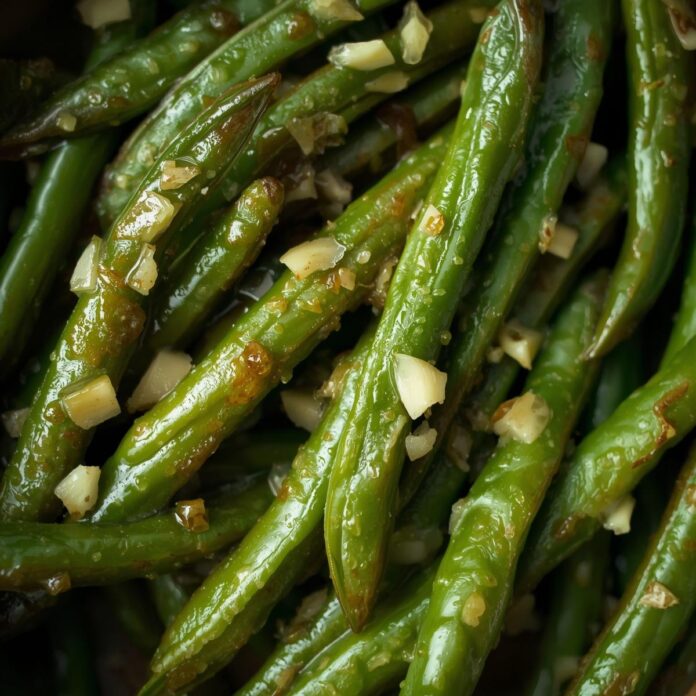
Another reason this dish has become so popular is its versatility. Lemon Butter Pan-Seared Cod fits seamlessly into a variety of meals. It can anchor a weeknight dinner served with vegetables or rice, or it can become the highlight of a more celebratory spread paired with roasted potatoes, delicate pastas, or crusty bread. It can be presented rustically in the pan or plated elegantly with fresh herbs and lemon slices. The lemon butter sauce also adapts well to customization—add capers for brininess, white wine for acidity, chili flakes for heat, or thyme for a more savory profile. A simple change in the citrus, such as using Meyer lemon or adding orange zest, transforms the dish subtly but beautifully.
Beyond taste, cod is also a nutritious choice. Low in fat, high in protein, and rich in vitamins and minerals, it offers nourishment without heaviness. Paired with a modest amount of butter and citrus, the result is both wholesome and satisfying. This makes the dish suitable for a wide range of dietary needs and preferences, without sacrificing the sensory pleasure of a well-prepared meal.
This introduction sets the stage for a deeper exploration of the recipe, expanding into technique, ingredient selection, troubleshooting, complementary sides, seasoning strategies, and flavor pairings. In the sections to follow, we will examine each aspect of the preparation—how to choose the best cod, how to master the searing process, how to create a balanced lemon butter sauce, and how to ensure the fish finishes perfectly tender every time. Whether you are cooking cod for the first time or refining a long-practiced skill, this recipe invites you into a process that is rewarding, reliable, and rich with culinary possibility.
Detailed Instructions for Lemon Butter Pan-Seared Cod
These instructions are written to be immersive, highly descriptive, and thoroughly explanatory. Instead of merely listing steps, they guide you through the sensory, technical, and practical aspects of preparing cod so you understand both how and why the recipe works.
1. Preparing the Cod Fillets
Step 1: Choosing the Right Cut
Select cod fillets that are firm, moist, and translucent rather than opaque. Fillets should be free of strong odors; cod should smell like the sea, clean and mild. Whether purchasing fresh or thawed frozen fillets, look for pieces that have an even thickness. Fillets that taper too sharply at one end can lead to uneven cooking. Ideally, the portions should be around one inch thick in their thickest section. If buying from a fish counter, ask for center-cut fillets for consistency.
Step 2: Patting the Fish Completely Dry
Moisture is the enemy of a good sear. When water evaporates on the surface of the fish, it prevents browning and encourages sticking. Lay the fillets on a cutting board or plate lined with paper towels. Use additional paper towels to gently but thoroughly press the surfaces dry. Pay special attention to the sides and edges. If the fish still glistens with moisture, continue blotting until the surface looks matte rather than shiny.
Step 3: Inspecting for Bones
Although cod fillets are often sold deboned, small pin bones may remain. Run your fingers gently along the length of the fillet, feeling for any stiff, thin bones. If you encounter any, pull them out carefully using tweezers or clean needle-nose pliers. Removing bones not only improves the eating experience but also allows for more even cooking.
Step 4: Letting the Fish Rest at Room Temperature
Cold fish placed into a hot pan can contract abruptly, causing it to toughen or curl. Allow the cod fillets to rest at room temperature for about ten to fifteen minutes before cooking. This helps them cook more evenly and aids in achieving a consistent sear.
2. Seasoning the Cod
Step 5: Choosing the Seasoning
Cod benefits from straightforward seasoning. Its mild flavor pairs beautifully with salt and pepper, allowing the lemon butter sauce to shine later. Use kosher salt or sea salt for more even seasoning and a clean flavor. Freshly cracked black pepper adds a subtle heat.
Step 6: Seasoning Both Sides
Season the cod on both sides, but do so lightly. Cod’s delicate flesh absorbs salt quickly, and overseasoning can disrupt the balance of the dish. Sprinkle a modest amount of salt, followed by black pepper. The goal is to enhance the fish’s natural taste without overwhelming its gentle character.
Step 7: Optional Pre-Sear Enhancements
If desired, you may sprinkle a touch of smoked paprika, garlic powder, or onion powder. These are not required, but if used sparingly, they contribute depth without overshadowing the lemon butter sauce. Keep the seasoning restrained; the main idea is to create a subtle base for the flavors to build upon.
3. Preparing the Pan
Step 8: Selecting the Right Cookware
A stainless-steel skillet or cast-iron pan works best for achieving a crisp sear. Nonstick pans can be used, but they do not produce quite the same crust. Stainless steel allows for better browning and more control over heat. Make sure the pan is large enough to hold the fillets without crowding. Overcrowding traps steam and prevents searing.
Step 9: Heating the Pan
Place the empty pan over medium-high heat and allow it to preheat thoroughly. This may take two to three minutes depending on your stove. A well-heated pan is crucial for preventing the fish from sticking. The pan should feel hot when you hold your hand an inch above it. A good test: flick a drop of water into the pan. If it dances and evaporates almost immediately, the pan is ready.
Step 10: Adding the Oil
Pour a modest amount of high-heat oil into the pan. Neutral oils such as avocado, grapeseed, or canola oil are ideal. Tilt the pan gently to spread the oil evenly, coating the entire cooking surface. The oil should shimmer but not smoke. Oil that smokes heavily is too hot and can give the fish a burnt or bitter taste.
4. Pan-Searing the Cod
Step 11: Placing the Fillets in the Pan
Lower each fillet into the pan gently, laying it away from you to avoid splatter. Place the fillets presentation-side down—the smoother, more uniform side—since this will become the visible top once plated. Do not press down on the fish; allow it to settle naturally.
Step 12: Avoiding Sticking
One of the biggest mistakes when cooking cod is trying to flip it too early. Cod will release naturally from the pan when it has developed a sufficient crust. During the first few minutes, avoid touching or moving the fillets. Allow the fish to establish contact with the hot surface and begin browning. If you attempt to lift it prematurely, the fish will tear.
Step 13: Monitoring the Sear
Watch the edges of the fillet closely. As cod cooks, the bottom half will turn opaque while the upper half remains translucent. This visual cue helps you gauge the internal doneness. Depending on thickness and heat level, this stage typically takes three to five minutes.
Step 14: Flipping the Fillets
When the fillets release easily from the pan with minimal resistance, use a thin metal spatula to flip them. Slide the spatula beneath gently and turn the fish with controlled, deliberate movement. If the fillet still clings to the pan, give it another thirty seconds and check again.
Step 15: Cooking the Second Side
Cook the fillets on the second side for another two to four minutes. Cod cooks quickly, and overcooking can cause it to dry out. The goal is a tender interior with a clean, flaky structure. If the fish begins to separate into large flakes, it is nearly done. The center should be just opaque and still moist.
5. Preparing the Lemon Butter Sauce
Step 16: Removing the Cod from the Pan
Transfer the cooked cod to a warmed plate or shallow dish. Cover it loosely with foil to keep it warm while you prepare the sauce. Do not wrap tightly; trapped steam can soften the crust.
Step 17: Lowering the Heat
Reduce the heat under the pan to medium or medium-low. The sauce requires gentler heat than the searing stage. If the pan is too hot, the butter may burn or separate, creating an unpleasant flavor.
Step 18: Deglazing the Pan
Add a splash of broth, white wine, or water to the hot pan. This step loosens the browned bits stuck to the bottom—these are flavorful compounds known as fond. Use a wooden spoon to scrape gently until the pan’s surface feels smooth. This forms the foundation of the sauce’s depth.
Step 19: Adding Garlic
Add minced garlic to the pan and cook for about thirty seconds. The garlic should become fragrant but not browned. Overcooking garlic leads to bitterness, so keep the heat controlled and the cooking time short.
Step 20: Adding Lemon Juice
Squeeze fresh lemon juice directly into the pan. Fresh juice is essential; bottled lemon juice lacks the brightness needed for this sauce. The acidity will lift the fond and infuse the liquid with the sauce’s signature brightness.
Step 21: Swirling in the Butter
Add cold butter, one tablespoon at a time, swirling the pan gently as the butter melts. This technique helps the butter emulsify into the liquid, creating a smooth, velvety sauce rather than a greasy one. Continue adding butter slowly until the sauce reaches a glossy, cohesive consistency.
Step 22: Adjusting the Flavor
Taste the sauce. Add salt, pepper, or additional lemon juice as needed. The sauce should be balanced—neither too acidic nor too rich. If the sauce tastes sharp, an extra pat of butter will round it out. If it tastes heavy, a few drops of lemon will brighten it.
6. Combining the Sauce and Cod
Step 23: Returning the Cod to the Pan
Place the cod fillets back into the pan. Spoon the sauce over the top, allowing the fish to absorb some of the lemon butter. This final warming ensures the cod is coated evenly and infused with the full flavor of the sauce.
Step 24: Adding Fresh Herbs
Sprinkle freshly chopped parsley, chives, or thyme over the fish. Fresh herbs provide color, aroma, and a touch of vibrancy that complements the richness of the butter.
Step 25: Final Simmer
Let the fish rest in the sauce for thirty seconds to one minute over low heat. Do not cook aggressively at this stage; the goal is gentle warming and flavor integration, not additional searing.
7. Plating the Dish
Step 26: Transferring to Plates
Use a thin spatula to lift each fillet carefully from the pan. Place it onto warmed plates. Warm plates help maintain the dish’s temperature while eating.
Step 27: Drizzling the Sauce
Spoon the remaining lemon butter sauce over and around each fillet. Let it pool slightly on the plate so the cod can continue absorbing the flavors as it is served.
Step 28: Adding Finishing Touches
Garnish with fresh lemon zest, a few extra herbs, or thin lemon slices. These finishing accents enhance presentation and aroma.
Lemon Butter Pan Seared Cod
Cod is one of those rare ingredients that manages to be both humble and exceptional at the same time. It is a fish without pretension, mild in flavor, adaptable by nature, and universally approachable for even the most hesitant seafood eaters. Yet when treated with care, cod becomes something extraordinary: a delicate, flaky fillet with a clean taste and a melt-in-your-mouth texture that rival far more expensive cuts of fish. Its neutral profile makes it the perfect canvas for bold flavors, rich sauces, and bright aromatics. For this reason, one of the most beloved preparations for cod is a simple but elegant one—pan searing the fish to a golden crust and finishing it in a vibrant lemon butter sauce.
Ingredients
- 4 cod fillets (4–6 oz each), patted dry
- ½ teaspoon salt
- ¼ teaspoon black pepper
- ½ teaspoon garlic powder
- 2 tablespoons olive oil
- 3 tablespoons butter
- 2 cloves garlic, minced
- Juice of 1 lemon (about 2–3 tablespoons)
- Zest of 1 lemon
- 2 tablespoons fresh parsley, chopped
- Optional: 1 tablespoon capers, drained
Instructions
- Season the fish: Sprinkle cod fillets with salt, pepper, and garlic powder.
- Heat the pan: Add olive oil to a large skillet over medium-high heat.
- Sear the cod: Place the fillets in the hot pan. Cook 3–4 minutes on the first side until golden. Carefully flip and cook 2–3 minutes more, or until the cod flakes easily with a fork.
- Make the lemon butter sauce: Reduce heat to medium. Add butter to the pan. When melted, stir in garlic and cook 30 seconds. Add lemon juice, lemon zest, parsley, and capers (if using). Spoon the sauce over the cod for 1 minute.
- Serve: Plate the cod and pour the lemon butter sauce over the top.
Notes
- Dry the fish well for better browning.
- Don’t overcook cod—it becomes flaky and opaque when done.
- Substitutions: Works well with haddock, halibut, or tilapia.
- Make it creamy: Add 2 tablespoons heavy cream to the sauce at the end.
- Pairings: Serve with roasted vegetables, rice, or a simple green salad.