Few desserts evoke the same sense of indulgence, nostalgia, and universal appeal as a cream cheese cake. It is a dessert that transcends culinary trends, remaining timeless in its simplicity yet endlessly adaptable to individual taste. Whether served as a towering centerpiece at celebrations or enjoyed quietly with a cup of coffee on an ordinary afternoon, cream cheese cake holds a particular place in the world of sweets: comforting, luxurious, and inherently satisfying. Its appeal lies not only in the rich, velvety texture of its filling but also in the delicate balance of tangy cream cheese, subtle sweetness, and the contrasting structural support of its crust.
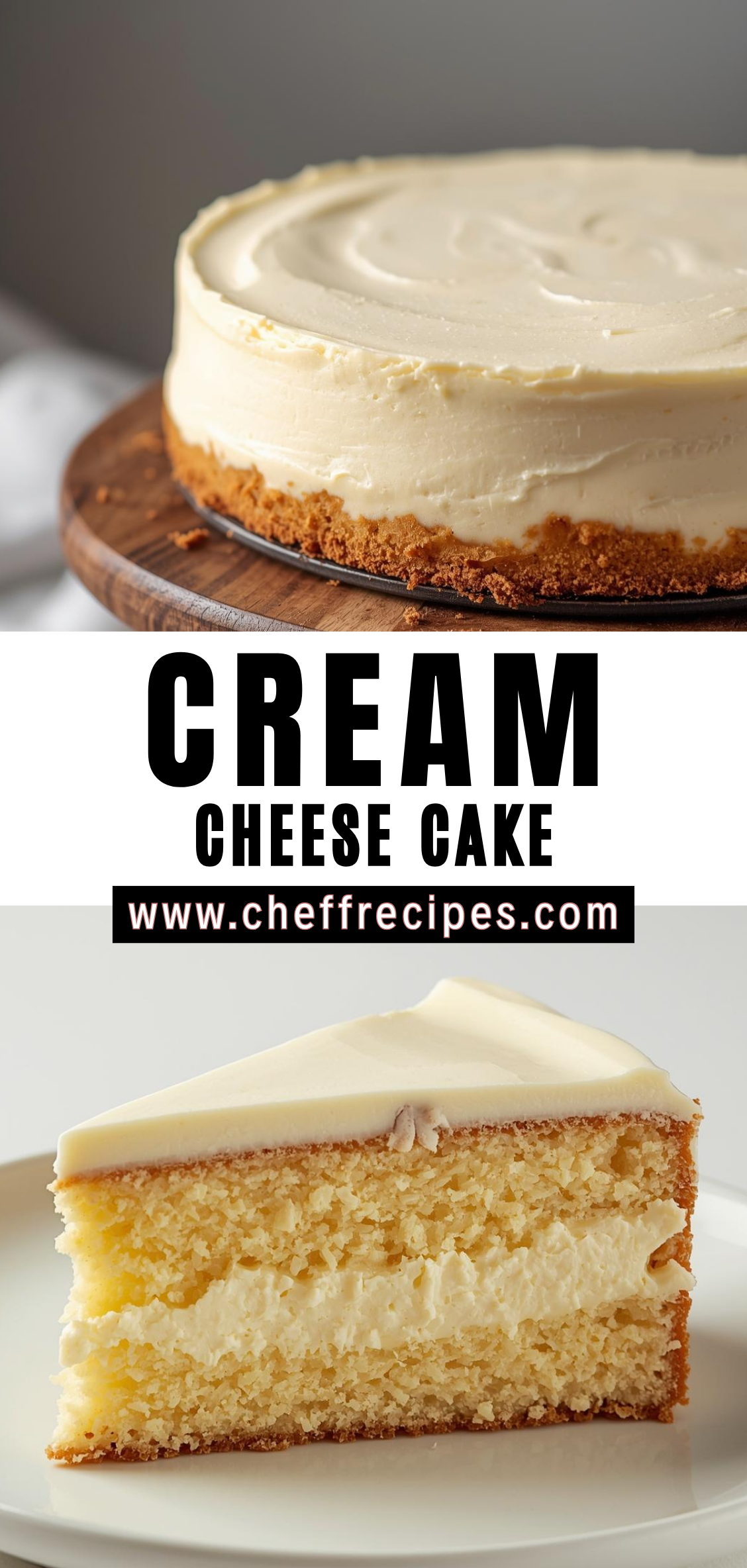
Cream cheese cakes, especially in their modern form, represent an evolution of global baking traditions. From the chilled European cream tortes of centuries past to the iconic New York–style baked cheesecake, the dessert has traveled through cultures, methods, and ingredients. Each variation adds nuance without altering the fundamental experience: a creamy center that feels both decadent and refined. Yet despite their enduring popularity, cream cheese cakes can appear deceptively simple. Behind their smooth surface and understated elegance lies a dessert shaped by careful technique, thoughtful ingredient selection, and the gentle application of heat and patience. A perfectly executed cream cheese cake is as much a testament to precision as it is to creativity.
Part of the dessert’s enduring fascination comes from this interplay between science and artistry. The chemistry of cream cheese cakes—emulsification, controlled baking, the prevention of cracks, and the creation of a stable yet silky texture—invites both novice and seasoned bakers to refine their craft. Mastering the ideal consistency, achieving a clean slice, understanding how cream cheese interacts with eggs and sugar, and controlling water-bath humidity are all elements that elevate the dessert from merely enjoyable to truly exceptional. For this reason, cream cheese cakes hold an almost cult status among bakers who delight in perfecting details.
At the same time, cream cheese cake remains an accessible and forgiving dessert. It does not require advanced pastry techniques, intricate decorations, or specialized equipment beyond a reliable oven and a springform pan. Its ingredients—cream cheese, sugar, eggs, butter, and a simple crust—are familiar and widely available. The preparation invites a calm, measured pace: softening the cream cheese, blending carefully to avoid air pockets, and pouring the batter with a steady hand. The baking process itself encourages mindfulness, with its slow, even heating and the anticipation of opening the oven door to see a beautifully set surface, lightly golden and smooth.
Cream cheese cakes also offer a canvas for limitless variation. They can be infused with citrus zest for brightness, swirled with fruit purée for tartness, studded with chocolate or caramel for richness, or enhanced with spices for warmth. The crust can be traditional graham cracker, deeply chocolate, warmly spiced, or made from delicate cookies that add subtle complexity. Toppings—from glossy fruit glazes to whipped cream, ganache, nuts, syrups, sauces, or even simple fresh berries—allow the dessert to evolve with seasons, moods, and occasions. Yet even in their simplest form, cream cheese cakes deliver deep satisfaction.
Beyond the flavors and textures, cream cheese cakes have become a cultural symbol of celebration. They are present at birthdays, weddings, holidays, and gatherings, often representing togetherness and shared indulgence. A slice of cream cheese cake has the ability to pause a moment, inviting conversation, laughter, and connection. For many, the dessert carries memories: the first time they baked one successfully, the holiday it became a family staple, the restaurant where a perfect slice left a lasting impression. Its versatility means that it can be both lavish and understated, fitting as seamlessly into a festive table as it does into a quiet, personal ritual.
In the full exploration ahead, this recipe will be approached not merely as a set of instructions but as a comprehensive guide that examines every aspect of the dessert: the history and evolution of cream cheese cakes, the roles of ingredients, the science behind a perfect texture, methods to prevent cracking, and detailed step-by-step techniques that ensure consistent results. The article will also explore variations, troubleshooting advice, tips for mixing and baking, temperature considerations, water-bath strategies, storage, serving suggestions, and creative flavor adaptations.
Whether you are an experienced baker seeking deeper knowledge or a newcomer preparing your first cream cheese cake, this introduction sets the tone for a careful, thorough, and rewarding journey. The goal is not only to teach you how to create a delicious dessert but to help you understand why each step matters—and how mastering these details can transform a familiar recipe into something exceptional. Cream cheese cake is more than a dessert; it is an invitation to craftsmanship, patience, and the pleasure of baking something that feels both timeless and personal.
Detailed Instructions
1. Preparing the Ingredients and Workspace
Cream cheese cake rewards organization. Every ingredient must be at the correct temperature, and your workspace should support a slow, deliberate process.
Ingredients required for this stage
-
Full-fat cream cheese
-
Granulated sugar
-
Eggs
-
Sour cream or heavy cream
-
Vanilla extract
-
Lemon juice or zest (optional)
-
Butter
-
Crust ingredients (graham crackers, cookies, or alternative)
Step-by-step process
Step 1: Bring ingredients to room temperature
-
Remove cream cheese from the refrigerator at least 60–90 minutes before use.
-
Bring eggs and sour cream to room temperature as well.
-
Cold cream cheese leads to lumps, while cold eggs risk curdling the batter.
-
When pressed lightly, the cream cheese should yield but not collapse.
Step 2: Prepare tools and equipment
-
Set out a stand mixer or electric hand mixer.
-
Prepare a 9-inch springform pan.
-
Have a roasting pan ready for a potential water bath.
-
Gather measuring tools, a rubber spatula, parchment, foil, and mixing bowls.
Step 3: Preheat the oven
-
Preheat to 325°F (163°C) for even, gentle baking.
-
If using a convection oven, reduce by 15–25 degrees.
-
Allow the oven to fully preheat; fluctuating heat causes cracking.
2. Making the Crust
The crust provides texture, structural support, and a contrast to the creamy filling. Its crispness depends on proper mixing, pressing, and pre-baking.
Ingredients needed
-
Crushed graham crackers or cookies
-
Melted unsalted butter
-
Sugar (optional)
-
Pinch of salt
Step-by-step process
Step 1: Prepare the crumb mixture
-
Crush graham crackers finely using a food processor or a rolling pin.
-
Combine crumbs with melted butter, sugar, and a pinch of salt.
-
Mix until the texture resembles damp sand and holds together when pinched.
Step 2: Line the pan
-
Cut a circle of parchment and place it on the bottom of the springform pan.
-
Lightly grease the sides to help the cake release cleanly.
Step 3: Press the crust
-
Pour the crumb mixture into the prepared pan.
-
Use the flat bottom of a measuring cup to press evenly across the base.
-
For a taller, bakery-style crust, push crumbs 1–2 inches up the sides.
-
The crust should be firm and smooth but not compacted into a dense layer.
Step 4: Pre-bake the crust
-
Bake for 8–10 minutes until lightly golden.
-
Allow it to cool completely before adding the filling.
-
Cooling prevents the heat from softening your batter and creating separation.
3. Preparing the Cream Cheese Filling
The filling depends on controlled mixing, proper emulsification, and minimal air incorporation.
Ingredients needed
-
Cream cheese
-
Sugar
-
Eggs
-
Sour cream (or heavy cream)
-
Vanilla extract
-
Lemon juice or zest
-
Salt (a pinch)
Step-by-step process
Step 1: Beat the cream cheese
-
Place softened cream cheese in the mixing bowl.
-
Beat on medium speed until smooth and free of lumps—usually 2–3 minutes.
-
Scrape down the bowl sides thoroughly.
-
Smooth cream cheese prevents grainy textures later.
Step 2: Add sugar gradually
-
Add sugar in small increments to avoid overworking the mixture.
-
Beat only until combined and creamy.
-
Avoid whipping, which introduces air bubbles and causes rising and cracking.
Step 3: Incorporate the eggs
-
Add eggs one at a time.
-
After each egg, mix only until incorporated—about 10–15 seconds.
-
Scrape the bowl between additions.
-
Overmixing at this stage leads to a soufflé-like structure that collapses later.
Step 4: Add sour cream, vanilla, and lemon
-
Stir in sour cream, vanilla extract, and lemon juice or zest.
-
Mix on low speed or by hand to maintain the batter’s density.
-
Taste for balance: tangy, creamy, lightly sweet, and aromatic.
Step 5: Final texture check
-
The batter should be smooth, pourable, and silky, with no visible lumps.
-
If lumps remain, pass the batter through a fine-mesh sieve for a flawless texture.
4. Preparing the Water Bath (Bain-Marie)
A water bath provides gentle, moist heat that prevents cracking and ensures even baking.
Ingredients/tools needed
-
Large roasting pan
-
Hot water
-
Aluminum foil
Step-by-step process
Step 1: Protect the springform pan
-
Wrap the outside of the springform pan with two layers of heavy-duty foil.
-
Ensure no punctures appear where water could seep in.
-
Water infiltration causes a soggy crust and uneven texture.
Step 2: Position the pan inside the roasting dish
-
Place the foil-wrapped springform pan in the larger pan before adding water.
-
This prevents splashing and keeps the batter undisturbed.
Step 3: Add hot water
-
Pour hot water (not boiling) into the roasting pan until it reaches halfway up the sides of the springform pan.
-
Hot water reduces the oven temperature drop when the pan goes in.
Step 4: Ensure stability
-
Carefully slide the assembled setup into the oven.
-
Move slowly to avoid water sloshing into the cheesecake.
5. Baking the Cream Cheese Cake
This stage is all about temperature control and patience.
Step-by-step process
Step 1: Bake at 325°F (163°C)
-
Bake for about 60–75 minutes.
-
Do not open the oven for the first 50 minutes—heat changes cause cracks.
Step 2: Check for doneness
-
The edges should look set and slightly puffed.
-
The center should still jiggle gently like soft-set gelatin.
-
If it sloshes or ripples, continue baking in 5–7 minute increments.
Step 3: Turn off the oven and cool gradually
-
Turn off the oven and crack the door open 1–2 inches.
-
Leave the cheesecake inside for 45–60 minutes.
-
Slow temperature changes prevent splitting on the surface.
6. Cooling and Setting
Cooling is as important as baking for achieving the perfect texture.
Step-by-step process
Step 1: Remove from water bath
-
Lift the cheesecake out carefully.
-
Remove foil and place the cake on a wire rack.
Step 2: Cool to room temperature
-
Let the cake cool completely before refrigeration—usually 1–2 hours.
-
Do not rush this step; condensation affects texture.
Step 3: Chill the cheesecake
-
Cover lightly with foil or plastic wrap.
-
Refrigerate for at least 6 hours, ideally overnight.
-
This resting period allows the flavors to deepen and the interior to set fully.
7. Releasing and Slicing
A clean release and neat slice elevate presentation dramatically.
Step-by-step process
Step 1: Warm the knife
-
Use a thin, sharp knife dipped in hot water.
-
Dry between each slice to ensure crisp edges.
Step 2: Release the springform
-
Run a knife around the edge before unlatching the pan.
-
Open the springform slowly to avoid tearing the sides.
Step 3: Serve with optional toppings
-
Fresh fruit compote
-
Whipped cream
-
Ganache drizzle
-
Caramel or berry sauce
The plain cake is perfect as-is, but toppings allow creative expression and seasonal accents.
Cream Cheese Cake
Few desserts evoke the same sense of indulgence, nostalgia, and universal appeal as a cream cheese cake. It is a dessert that transcends culinary trends, remaining timeless in its simplicity yet endlessly adaptable to individual taste. Whether served as a towering centerpiece at celebrations or enjoyed quietly with a cup of coffee on an ordinary afternoon, cream cheese cake holds a particular place in the world of sweets: comforting, luxurious, and inherently satisfying. Its appeal lies not only in the rich, velvety texture of its filling but also in the delicate balance of tangy cream cheese, subtle sweetness, and the contrasting structural support of its crust.
Ingredients
- 1 ½ cups (3 sticks) unsalted butter, softened
- 8 oz (1 block) cream cheese, softened
- 2 ½ cups granulated sugar
- 6 large eggs, room temperature
- 2 tsp vanilla extract
- 3 cups all-purpose flour
- 1 tsp baking powder
- ½ tsp salt
- (Optional)
- Zest of 1 lemon or orange
- ½ tsp almond extract
Instructions
1. Prep
- Preheat oven to 325°F (163°C).
- Grease and flour a 10-inch bundt pan or loaf pans.
2. Cream the Butter & Cream Cheese
- In a large bowl, beat the butter and cream cheese until completely smooth.
- Add sugar and beat 4–5 minutes until very light and fluffy—this step is key for texture.
3. Add Eggs
- Add the eggs one at a time, mixing well and scraping the bowl between additions.
- Mix in vanilla (and citrus zest/almond extract if using).
4. Add Dry Ingredients
- In a separate bowl, whisk together flour, baking powder, and salt.
- Add dry mixture to the wet mixture in two additions, mixing on low until just combined (do not overmix).
5. Bake
- Pour batter into the prepared pan and smooth the top.
- Bake for 60–75 minutes, or until a toothpick inserted comes out clean.
- Cool in the pan 10–15 minutes, then remove and cool completely on a wire rack.
Notes
- Room-temperature ingredients help the batter emulsify and prevent dense pockets.
- This is a pound-cake-style cream cheese cake—rich, velvety, and lightly tangy.
- Add berries, chocolate chips, or swirl with jam to customize.