Cream of mushroom soup occupies a special place in the landscape of comfort cuisine. It is a dish that evokes warmth, familiarity, and the kind of gentle richness that makes even the simplest meal feel restorative. Whether served as a cozy starter before a larger meal, enjoyed on its own with crusty bread, or used as a versatile base in casseroles and sauces, cream of mushroom soup has a timeless appeal that transcends culinary trends. Its foundation is built on the deep, earthy flavors of mushrooms paired with a velvety, aromatic broth, a combination that has made it a staple in home kitchens and restaurants alike for decades.
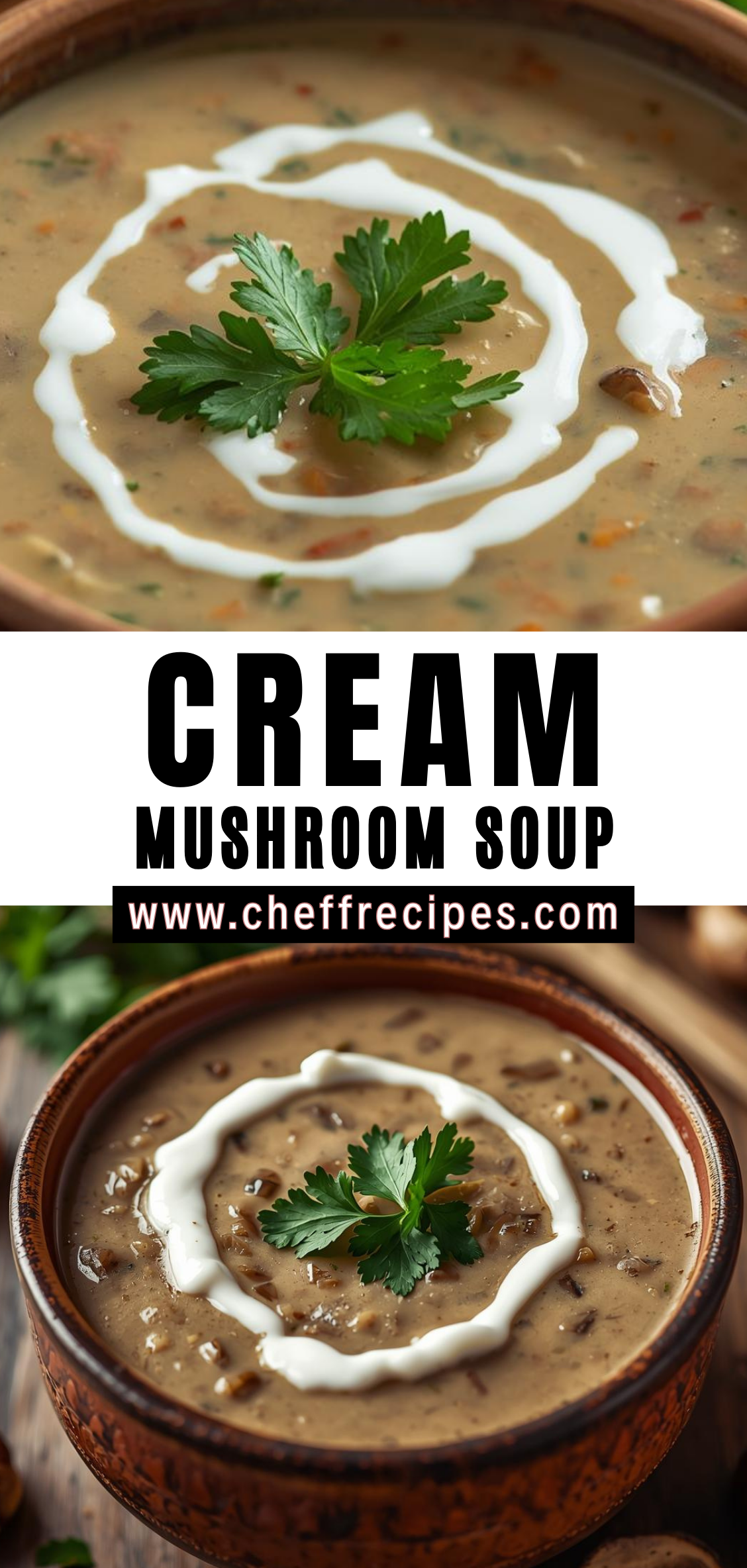
The enduring popularity of this soup can be traced to both its adaptability and its naturally luxurious character. Mushrooms, with their savory depth and meaty texture, bring complexity that belies their humble origins. When sautéed slowly, they release aromas that hint at woodland floors, autumn air, and the subtle sweetness of caramelized vegetables. These qualities make mushrooms ideal for crafting a layered, nuanced soup—one that is hearty without being heavy, and elegant without requiring elaborate preparations. Cream enhances the natural umami of the mushrooms, lending the dish a silky body that is as satisfying on a quiet evening as it is appropriate for a celebratory meal.
Part of what makes cream of mushroom soup so appealing is the range of flavors and textures available from different varieties of mushrooms. Classic white button mushrooms offer a mild foundation, while cremini and portobello mushrooms contribute deeper, more robust tones. Wild mushrooms—such as chanterelles, shiitake, morels, or oyster mushrooms—add complexity and a sense of rustic sophistication. By mixing types of mushrooms, cooks can tailor the soup’s character, creating profiles that range from delicate and creamy to bold and savory. This flexibility allows the dish to adapt to personal taste, seasonal availability, and budget, making it accessible to anyone who enjoys cooking.
Beyond its flavor, cream of mushroom soup also offers an approachable cooking experience. It requires only a handful of key ingredients, a modest amount of technique, and a willingness to let the natural flavors bloom. Sautéing onions or shallots to build the aromatic base, deglazing the pan with broth or wine, stirring in flour or another thickener, and finishing with cream are all straightforward steps, even for novice cooks. Yet the simplicity of the process does not diminish the sophistication of the results. With proper technique and patience, the soup becomes creamy, fragrant, and well-balanced—proof that high-quality comfort food does not require complicated methods.
Over time, the dish has taken on cultural significance as well, especially in North American cooking, where canned cream of mushroom soup became a pantry staple in the mid-20th century. It served as a convenient shortcut in countless recipes and cemented the soup’s place in home cooking. However, the homemade version stands apart, offering deeper flavors, better textures, and the ability to control every ingredient. Making cream of mushroom soup from scratch transforms a familiar food into a culinary experience, one that feels both nostalgic and freshly elevated.
Detailed Instructions
Making cream of mushroom soup at a high level of quality involves a combination of foundational cooking techniques—proper sautéing, controlled simmering, careful seasoning, and thoughtful finishing. Although the ingredient list is classic, the method is what transforms these simple components into a luxurious, deeply flavored soup. The instructions below walk through the process with precision, offering reasoning behind each step so you can achieve consistent, restaurant-caliber results every time.
1. Gather and Prepare the Mushrooms
Begin by selecting a mix of fresh mushrooms. While you can use only one type, combining varieties builds depth. Cremini mushrooms add hearty flavor, button mushrooms contribute mild sweetness, and a small portion of wild mushrooms intensifies the aroma.
Rinse mushrooms only if necessary; ideally, they should be cleaned with a soft brush or damp cloth. Excess water can interfere with browning. Trim the tough ends of the stems and slice the mushrooms evenly, about ¼ inch thick. This uniformity ensures consistent cooking and helps the flavors develop evenly during sautéing.
2. Prepare Aromatic Vegetables
Dice onions or shallots finely. Their role is to provide a sweet, aromatic base that supports the mushrooms without overpowering them. Finely chop garlic as well, keeping it separate so it can be added later—garlic burns quickly and is best introduced after the onions have softened.
If using herbs such as thyme or rosemary, strip the leaves from the stems and chop them lightly. Prepare all aromatics in advance; cream-based soups benefit from smooth cooking flow without pauses.
3. Heat the Pot and Melt the Butter
Choose a heavy-bottomed pot or Dutch oven to ensure even heat distribution. Melt butter over medium heat. The butter should foam lightly but not brown at this stage. The goal is to create a rich cooking medium for the aromatics while preserving the clean flavor of the soup.
If you prefer a deeper, nuttier base, you can allow the butter to brown slightly, but be cautious—browned butter adds complexity while burnt butter can introduce bitterness.
4. Sauté the Onions or Shallots
Add the diced onions or shallots to the melted butter. Cook over medium heat until they turn translucent and soft, about 5–7 minutes. Stir regularly to prevent browning. You are building sweetness and a gentle aromatic layer here, not seeking caramelization.
Salt lightly at this stage. Early salting helps draw moisture from the onions and encourages even softening.
5. Add the Mushrooms and Build Flavor
Increase the heat to medium-high and add the sliced mushrooms. At first, they will release moisture and appear to shrink. Continue cooking as they progress through this stage. As the moisture evaporates, the mushrooms will begin to brown.
This browning process, known as the Maillard reaction, is essential to developing the rich, savory foundation of the soup. Stir occasionally but allow the mushrooms to sit undisturbed for intervals to encourage browning on one side before flipping.
Season again lightly with salt and pepper, letting the seasoning integrate as the mushrooms cook.
6. Add Garlic and Herbs
Once the mushrooms have browned and most liquid has evaporated, add the chopped garlic. Cook for about 1 minute, just until fragrant. Overcooking garlic can produce harsh notes, so timing is crucial.
Add fresh thyme, rosemary, or other herbs at this point as well. Stir to coat the mushrooms and aromatics evenly.
7. Deglaze the Pot
With the pot still hot, pour in a splash of white wine, dry sherry, or broth. Deglazing lifts browned bits from the bottom of the pot, incorporating them into the soup. These browned bits are concentrated pockets of flavor.
Allow the liquid to simmer until mostly evaporated. Reducing the deglazing liquid intensifies its flavor rather than diluting the soup.
8. Create the Roux or Thickening Base
Sprinkle flour evenly over the mushroom mixture. This roux-like step helps thicken the soup. Stir continuously for about 2 minutes to cook out the raw flour taste. The mixture should look slightly pasty but not dry; adjust with a small amount of butter if needed.
For gluten-free versions, use cornstarch or a gluten-free flour blend, adjusting quantities accordingly.
9. Slowly Add the Broth
Pour in warm chicken or vegetable broth gradually while stirring to prevent lumps from forming. Begin with about half of the total liquid, stirring until the mixture loosens and becomes smooth. Add the remaining broth and continue stirring until everything is combined.
Bring the soup to a gentle simmer. Avoid rapid boiling at this stage, as it can break the emulsion of the roux and create separation.
10. Simmer and Develop Depth
Let the soup simmer uncovered for 15–20 minutes. This period allows flavors to meld and the broth to thicken naturally. Stir occasionally to prevent sticking.
Taste periodically and adjust with salt, pepper, or additional herbs. If using dried thyme or bay leaves, this is where they have time to release their flavors fully.
11. Blend or Leave Chunky
Decide whether you want a smooth or partially blended texture. For a smooth soup, use an immersion blender directly in the pot, blending until the texture becomes velvety. For a more rustic soup, blend only half the mixture or leave it entirely chunky.
A traditional cream of mushroom soup often has a smooth base with visible mushroom slices added later.
12. Add the Cream
Reduce the heat to low before adding cream. High heat can cause dairy to curdle or separate. Pour in heavy cream, half-and-half, or a dairy-free alternative in a slow stream while stirring.
Allow the soup to warm gently for 5 minutes. Do not boil after adding cream.
13. Adjust Seasoning and Texture
Taste the soup and fine-tune the seasoning. You may want to add a splash of Worcestershire sauce for umami, a pinch of nutmeg for warmth, or a squeeze of lemon for brightness.
If the soup is too thick, add a bit more broth or cream. If too thin, continue simmering gently until it reaches the desired consistency.
14. Add Reserved Mushrooms (Optional)
For soups that benefit from a textural contrast, sauté a small batch of mushrooms separately in butter until deeply browned, and fold them into the finished soup. This adds depth and enhances presentation.
15. Rest Before Serving
Remove the soup from heat and let it rest for 5 minutes. This resting period helps the flavors settle and the texture stabilize. Meanwhile, prepare garnishes such as chopped parsley, toasted bread, or a drizzle of infused oil.
16. Serve Hot
Ladle the soup into warm bowls and serve immediately. Cream of mushroom soup is at its best fresh off the stove, where the aroma and texture remain at peak quality.
Cream Mushroom Soup
Cream of mushroom soup occupies a special place in the landscape of comfort cuisine. It is a dish that evokes warmth, familiarity, and the kind of gentle richness that makes even the simplest meal feel restorative. Whether served as a cozy starter before a larger meal, enjoyed on its own with crusty bread, or used as a versatile base in casseroles and sauces, cream of mushroom soup has a timeless appeal that transcends culinary trends. Its foundation is built on the deep, earthy flavors of mushrooms paired with a velvety, aromatic broth, a combination that has made it a staple in home kitchens and restaurants alike for decades.
Ingredients
- 2 tbsp butter
- 1 tbsp olive oil
- 1 medium onion, finely chopped
- 2–3 garlic cloves, minced
- 1 lb (450 g) mushrooms, sliced (cremini, button, or a mix)
- 1 tsp fresh thyme (or ½ tsp dried)
- ¼ tsp black pepper
- ½ tsp salt (adjust to taste)
- 2 tbsp all-purpose flour
- 4 cups (1 L) vegetable or chicken broth
- 1 cup heavy cream (or half-and-half; for lighter version use whole milk)
- Optional: a splash of dry white wine (2–3 tbsp)
- Optional garnish: chopped parsley, extra sautéed mushrooms, cracked black pepper
Instructions
1. Sauté the aromatics
- Heat butter and olive oil in a large pot over medium heat.
- Add onions and cook 3–4 minutes until soft.
- Add garlic and cook 1 minute until fragrant.
2. Cook the mushrooms
- Add sliced mushrooms, thyme, salt, and pepper.
- Cook 6–8 minutes, stirring occasionally, until mushrooms release their moisture and begin to brown.
3. Add the thickener
- Sprinkle the flour over the mushrooms and stir to coat.
- Cook 1 minute to remove raw flour taste.
4. Add broth
- Slowly pour in the broth while stirring.
- Bring to a simmer and cook 10 minutes until slightly thickened.
5. Blend (optional)
- For a smooth soup: puree with an immersion blender.
- For a rustic soup: blend only half, or skip blending entirely.
6. Add cream
- Stir in the heavy cream and optional splash of wine.
- Simmer 2–3 more minutes (do not boil vigorously).
7. Adjust seasoning & serve
- Taste and add more salt/pepper if needed.
- Serve hot, garnished with parsley or extra sautéed mushrooms.
Notes
- Vegan option: Use olive oil instead of butter, vegetable broth, and replace cream with coconut milk or cashew cream.
- Make it richer: Add a tablespoon of butter at the end, or use half crème fraîche.
- Make it lighter: Use whole milk and reduce butter slightly.
- Add depth: A splash of soy sauce or Worcestershire sauce enhances mushroom flavor.
- Freezing: Freeze before adding cream, then add cream when reheating for best texture.