Beef and cheese pie is one of those enduring dishes that speaks directly to the heart of comfort cooking—a savory, deeply satisfying creation built on traditions of warmth, nourishment, and the simple pleasure of a well-prepared meal. Rooted in the long history of meat pies found in various cultures around the world, this dish embodies the essence of rustic home cooking while offering opportunities for refinement, personalization, and culinary expression. At its core, a beef and cheese pie is the kind of food that feels both familiar and indulgent: a flaky or buttery pastry encasing a rich filling of seasoned beef, aromatic vegetables, and molten cheese. It offers a balance of textures and flavors that make it ideal for family dinners, special occasions, or cozy evenings when something hearty and dependable is needed.
The concept of enclosing meat in pastry dates back centuries, originally serving as a practical way to preserve and protect food. Over time, meat pies transformed from simple survival food into celebrated dishes, each region developing its own variations. Whether we look at the classic British meat pie, the Australian meat pie, the American pot pie, or the savory Latin empanada, the idea remains consistent: meat encased in dough creates something both comforting and portable. The modern beef and cheese pie, though influenced by these traditions, is unique in how it merges savory richness with creamy indulgence. The cheese element elevates the filling, transforming it from a straightforward savory mixture into something smoother, more flavorful, and undeniably crowd-pleasing.
Beef, the central protein in this pie, lends itself exceptionally well to slow simmering and seasoning. Ground beef or minced beef absorbs flavors readily, making it ideal for sauces, stews, and pies where aromatics and seasonings meld together over heat. When cooked properly, beef becomes tender, juicy, and deeply savory—a perfect foundation for a hearty filling. The process of browning the meat and developing a fond at the bottom of the pan contributes layers of flavor, turning simple ingredients into something far greater. Each step, from sautéing onions and garlic to adding herbs and spices, builds toward a filling that feels robust and satisfying.
Cheese contributes an entirely different dimension to the pie. Depending on the variety chosen, cheese can add creaminess, sharpness, richness, or a subtle tang. Cheddar provides a sharp bite and excellent melt; mozzarella offers stretch and mild creaminess; provolone contributes depth; Swiss or Gruyère bring nuttiness; and cream cheese yields an especially velvety texture. The way cheese integrates into the beef mixture can dramatically change the character of the final pie. In some versions, cheese is mixed directly into the beef filling, allowing it to melt into a creamy interior. In others, cheese is layered, creating pockets of molten richness. Some pies incorporate cheese into the pastry itself for extra decadence. The possibilities create a dish that feels endlessly customizable.
Pastry is another defining component of beef and cheese pie. The crust can be flaky, short, buttery, or even topped with puff pastry. A well-made crust must be sturdy enough to contain the filling yet tender enough to feel delicate when eaten. It acts as both a vessel and a textural contrast to the soft, rich interior. Whether the cook chooses a traditional double-crust pie, a single-crust skillet pie, or a casserole-style pie topped with pastry, the crust plays a crucial role in shaping the eating experience. The combination of crisp pastry, savory beef, and warm melted cheese provides a gratifying contrast in every bite.
Yet beyond ingredients and technique, what makes beef and cheese pie so beloved is its sense of comfort and nostalgia. It evokes memories of family dinners, the scent of pastry baking in the oven, and the timeless appeal of a homemade dish that brings people together. Pies often symbolize warmth and hospitality, inviting the cook to slow down and create something substantial and meaningful. Serving a beef and cheese pie feels like offering a gesture of care—an assurance that the meal is hearty, wholesome, and thoughtfully made.
The versatility of this dish also plays a major role in its popularity. It fits effortlessly into different settings and satisfies a variety of preferences. It can be prepared as a large family-size pie, individual hand pies, or even bite-sized appetizers for gatherings. The filling can be made in advance, making the pie weeknight-friendly. It can be served with potatoes, vegetables, salads, or enjoyed entirely on its own. Leftovers reheat beautifully, often tasting even better the next day as the flavors continue to develop.
Cooks can also adapt the recipe to suit dietary needs or personal tastes. The level of spice can be adjusted, vegetables can be added or omitted, and different cheeses or herbs can dramatically change the flavor profile. Some cooks prefer a rustic filling with carrots, peas, or celery, while others opt for a smoother mixture with fewer vegetables and more cheese. The pie can be elevated with wine or Worcestershire sauce, or simplified with just salt, pepper, and garlic. Each variation still retains the comforting essence that makes beef and cheese pie so enduring.
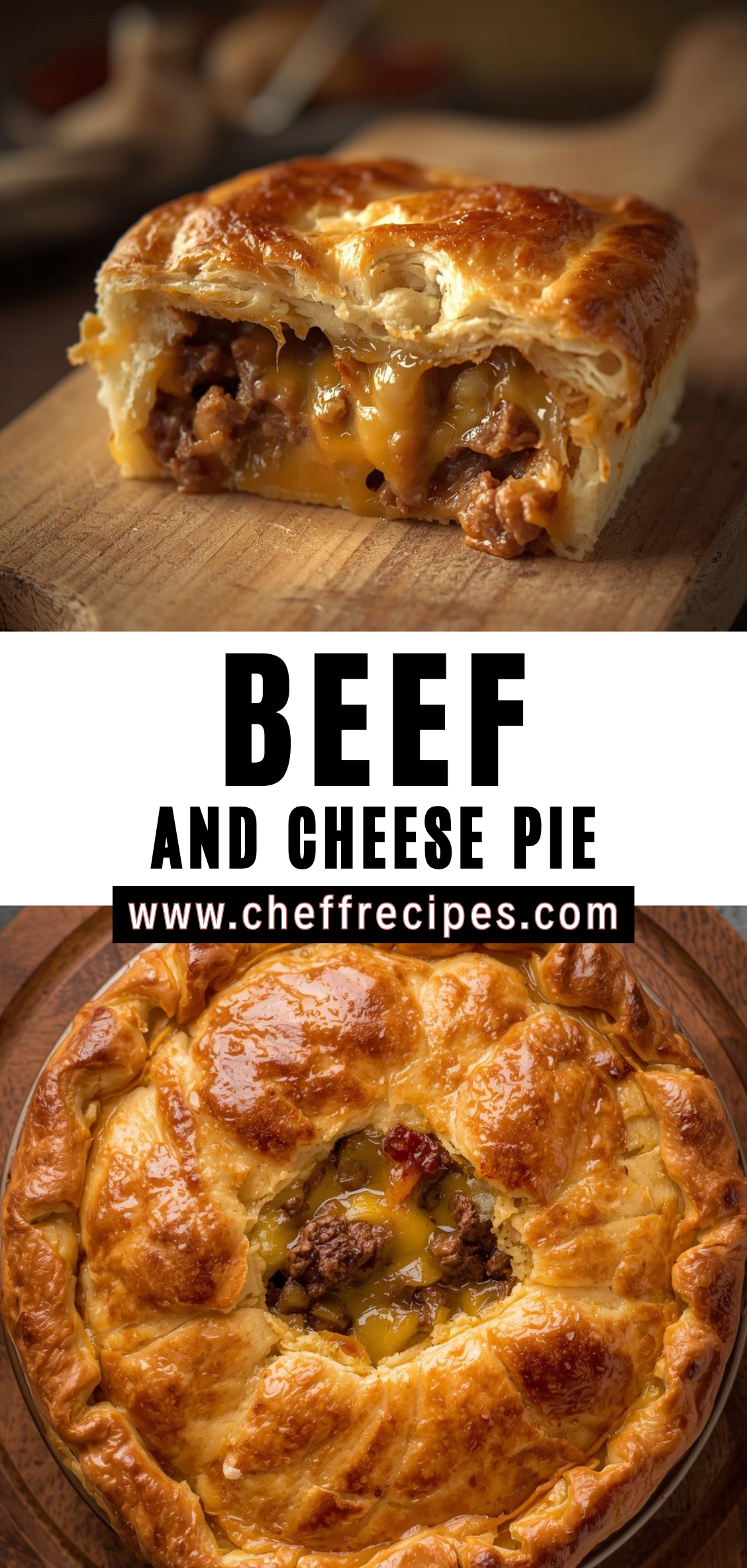
On a sensory level, this dish excels. The aroma of beef simmering with onions and herbs fills the kitchen long before the pie enters the oven. As the crust bakes, its buttery scent mingles with the savory filling. When the pie finally emerges, golden and fragrant, the visual appeal is immediate. Cutting into the crust reveals a steamy, cheese-laden interior, rich and inviting. The contrast of crisp pastry and molten filling satisfies both texture and flavor cravings in a way few dishes can replicate.
For home cooks looking to expand their repertoire, beef and cheese pie provides an opportunity to practice key culinary techniques—browning meat properly, building flavor through layering, thickening sauces, preparing pastry, and assembling a well-structured pie. Each step enhances skills that carry over to countless other recipes. And even for experienced cooks, the pie offers room for creativity and refinement.
Ultimately, beef and cheese pie is a dish that stands at the intersection of tradition, comfort, and personal expression. It invites the cook to explore flavors, appreciate technique, and embrace the joy of creating a hearty meal meant to be shared. As you move forward into the full recipe, you will find detailed guidance on each step—from preparing the filling to crafting the crust—ensuring your finished pie is flavorful, balanced, and deeply satisfying. Whether you are preparing it for your family, sharing it with guests, or simply enjoying a comforting homemade meal, this beef and cheese pie promises to deliver warmth, richness, and a sense of culinary contentment in every slice.
Detailed Instructions
1. Choose and Prepare the Beef
The quality of the beef is the foundation of the pie. Ground beef is traditional for its convenience and uniform texture, but finely diced stew beef or leftover roast beef can also be used for a chunkier filling. Select beef with moderate fat content—around 15–20% fat ensures the filling remains moist and flavorful without being greasy.
If using raw beef, brown it in a skillet over medium-high heat. Avoid overcrowding the pan, which causes steaming instead of browning. Let the beef develop a deep, rich color and caramelization (fond) on the bottom of the pan. This Maillard reaction is crucial for flavor depth. Drain excess fat if necessary, but leave a little to sauté the vegetables and incorporate into the filling.
2. Prepare Aromatics and Vegetables
Dice onions, carrots, celery, and garlic finely for a balanced flavor. These vegetables act as the aromatic base of the filling. Sauté the onions and carrots in the pan with a bit of oil or reserved beef fat over medium heat until softened and slightly caramelized—about 5–7 minutes. Add garlic and cook for an additional 30 seconds to a minute, until fragrant. Avoid browning garlic too early, as it can become bitter.
Optional vegetables include mushrooms, peas, bell peppers, or zucchini. Mushrooms add umami, while peas or bell peppers contribute sweetness and color. Dice these uniformly to ensure even cooking.
3. Build the Flavor Base
Once the vegetables are softened, return the browned beef to the pan. Stir in seasonings: salt, black pepper, smoked paprika, chili powder, thyme, oregano, and a small amount of nutmeg or allspice for warmth. Add Worcestershire sauce, soy sauce, or a splash of red wine for depth and complexity. These liquids deglaze the pan, lifting flavorful browned bits into the filling.
Simmer the mixture gently for 5–10 minutes to allow the flavors to meld. At this stage, adjust seasoning gradually. Taste frequently to ensure the beef mixture is robust and well-balanced before combining it with cheese.
4. Thicken the Filling
For a pie filling that is cohesive and not runny, thicken the mixture carefully. Sprinkle in a tablespoon or two of flour or cornstarch, stirring to incorporate evenly. Cook for 1–2 minutes to remove the raw flour taste. Gradually add beef stock, cream, or a combination, stirring continuously to create a rich, slightly thickened sauce. The consistency should be thick enough to hold shape but still moist—think stew-like, not dry.
Simmer for another 5 minutes, stirring frequently, until the mixture is glossy and well combined. Reduce heat and allow to cool slightly before adding cheese.
5. Add the Cheese
Select cheeses that melt well and complement beef. Sharp cheddar, Gruyère, Monterey Jack, or a combination work beautifully. Dice or grate the cheese and fold it gently into the warm beef mixture. The residual heat melts the cheese slightly, creating a creamy, cohesive filling. Be careful not to overheat, as overheating can cause the cheese to separate.
If you prefer pockets of molten cheese, reserve some to layer on top during assembly. This technique produces a visually appealing pie with distinct layers of beef and cheese.
6. Prepare the Pastry
Choose a sturdy yet tender pastry. Shortcrust pastry is traditional, but puff pastry adds flakiness and a dramatic presentation. Allow the pastry to come to room temperature before rolling to prevent cracking.
-
Double-Crust Pie: Roll out one portion for the base and one for the top. Line the pie dish with the base, ensuring the pastry slightly overhangs the edges. Trim or fold excess as needed.
-
Single-Crust or Puff-Topped Pie: Line the base and leave the top open, or cover with a sheet of puff pastry, sealing edges with an egg wash for a golden finish.
Brush the bottom of the pastry with a thin layer of beaten egg to act as a barrier, preventing sogginess from the filling.
7. Assemble the Pie
Spoon the beef and cheese mixture evenly into the pastry-lined dish. Avoid overfilling, as the mixture will expand slightly while baking. If using reserved cheese, sprinkle it evenly on top for extra richness.
-
Crimp the Edges: If using a top crust, fold the overhanging base pastry over the top or press the edges with a fork to seal.
-
Vent the Pie: Cut slits in the top crust to allow steam to escape, preventing soggy pastry and uneven cooking.
Brush the top crust or exposed pastry with beaten egg or milk for a glossy, golden finish. Sprinkle with a pinch of coarse salt or herbs for added aroma and appearance.
8. Preheat the Oven
Set the oven to 375°F (190°C). A properly preheated oven ensures even cooking and browning. Position the pie in the center of the oven for balanced heat exposure. Avoid opening the oven door frequently during baking, as this lowers the temperature and can affect pastry rise.
9. Bake the Pie
Bake for 35–45 minutes, depending on size and pastry thickness. The top should turn golden brown and crisp. If the edges brown too quickly, cover them with foil to prevent burning while the center finishes cooking.
During baking, the filling will bubble slightly, indicating that it is hot and cohesive. The cheese inside should be melted and fully incorporated with the beef mixture.
10. Rest the Pie
After removing from the oven, let the pie rest for 10–15 minutes. This step allows the filling to set slightly, making slicing easier and cleaner. Resting also helps the flavors meld further, resulting in a more harmonious taste.
11. Serve
Cut the pie into generous slices or wedges. Serve immediately while warm. Accompaniments may include steamed vegetables, a fresh green salad, or a simple tomato relish to balance the richness of the beef and cheese filling. A light drizzle of hot sauce or mustard can add extra flavor if desired.
Beef and Cheese Pie
Beef and cheese pie is one of those enduring dishes that speaks directly to the heart of comfort cooking—a savory, deeply satisfying creation built on traditions of warmth, nourishment, and the simple pleasure of a well-prepared meal. Rooted in the long history of meat pies found in various cultures around the world, this dish embodies the essence of rustic home cooking while offering opportunities for refinement, personalization, and culinary expression. At its core, a beef and cheese pie is the kind of food that feels both familiar and indulgent: a flaky or buttery pastry encasing a rich filling of seasoned beef, aromatic vegetables, and molten cheese. It offers a balance of textures and flavors that make it ideal for family dinners, special occasions, or cozy evenings when something hearty and dependable is needed.
Ingredients
- For the Filling:
- 1 lb (450 g) ground beef
- 1 medium onion, finely diced
- 2 cloves garlic, minced
- 1 cup mushrooms, chopped (optional)
- 1 tsp salt
- ½ tsp black pepper
- ½ tsp dried thyme
- ½ tsp paprika
- 2 tbsp tomato paste
- ½ cup beef broth
- 1 cup shredded cheddar cheese
- 1 tbsp Worcestershire sauce
- For the Pie Crust:
- 2 sheets store-bought puff pastry or pie crust
- 1 egg, beaten (for egg wash)
Instructions
Preheat the oven to 400°F (200°C). In a large skillet over medium heat, cook the ground beef until browned. Add the diced onion and cook until softened, about 3–4 minutes. Stir in garlic, mushrooms, salt, pepper, thyme, and paprika and cook for another 1–2 minutes. Add tomato paste, beef broth, and Worcestershire sauce. Simmer on low heat for 5–7 minutes until slightly thickened. Remove from heat and stir in the shredded cheddar cheese.
Roll out one sheet of puff pastry or pie crust to fit your pie dish. Press it into the bottom and sides of the dish. Pour the beef and cheese filling into the crust. Cover with the second sheet of pastry, sealing the edges with a fork or by pinching. Cut small slits on the top to allow steam to escape. Brush the top with beaten egg.
Bake in the preheated oven for 25–30 minutes or until the crust is golden brown and flaky. Let the pie rest for 5–10 minutes before slicing and serving.
Notes
You can substitute ground beef with ground lamb or turkey for a different flavor. Adding vegetables like peas, carrots, or bell peppers can make the filling heartier. If using homemade pastry, chilling it before baking will help maintain a flaky texture.