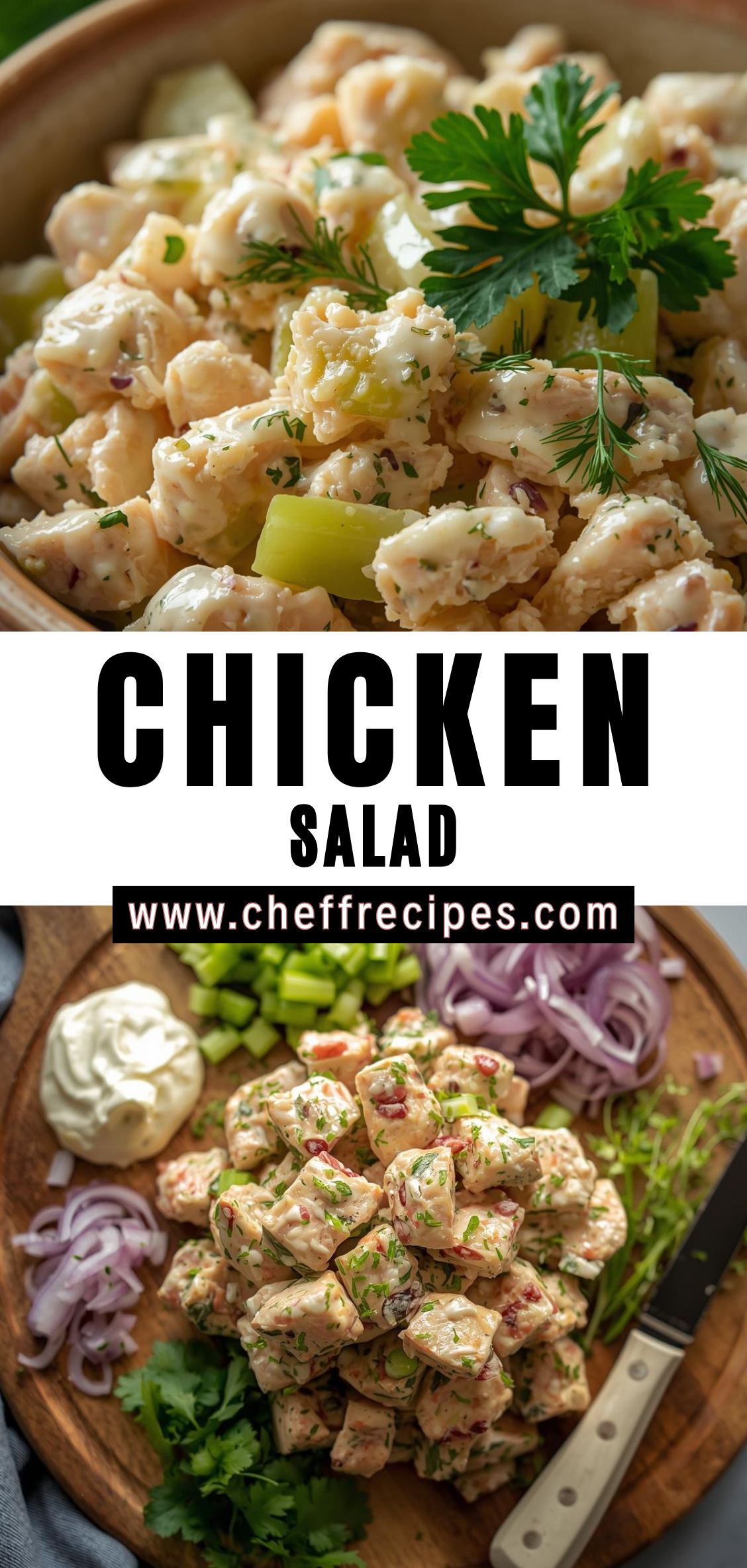
Chicken salad is one of those quintessential dishes that balances simplicity and sophistication, comfort and elegance. On the surface, it might seem straightforward—a mixture of cooked chicken, mayonnaise, and a few seasonings—but in truth, it is a canvas for culinary creativity. Across kitchens, cultures, and generations, chicken salad has evolved into countless variations, each with its own personality, texture, and flavor profile. From the classic deli-style version piled high on sandwiches to vibrant, vegetable-forward salads perfect for a light lunch, chicken salad is as versatile as it is satisfying.
The enduring appeal of chicken salad lies in its adaptability. It can be creamy or tangy, chunky or finely shredded, sweet or savory. It can be a simple weekday lunch made from leftover roasted chicken, or a centerpiece for a brunch table with nuts, fruits, and fresh herbs. The protein provides substance, while the dressing binds the ingredients together and creates harmony in every bite. The key is balance: the chicken must be tender and flavorful, the dressing well-seasoned and complementary, and the additional ingredients chosen to enhance texture and taste without overwhelming the central star of the dish.
Beyond taste, chicken salad offers convenience, nutrition, and comfort. It is a dish that can be prepared in advance, stored safely, and served in a variety of ways—on bread, in lettuce wraps, atop a green salad, or simply eaten by the spoonful. The mix-and-match potential allows cooks to tailor it to dietary preferences, seasonal produce, and personal flavor profiles. Ingredients like celery, apples, grapes, nuts, or fresh herbs can introduce crunch, sweetness, or freshness, making each version unique while staying rooted in the fundamental principles of chicken salad.
While many associate chicken salad with casual meals or picnics, the dish also offers a level of culinary sophistication when prepared thoughtfully. Selecting the right type of chicken—poached, roasted, or even grilled—and controlling the texture by shredding or dicing ensures a satisfying mouthfeel. The dressing, whether mayonnaise-based, yogurt-infused, or a vinaigrette, should enhance the flavor of the chicken rather than overpower it. Seasoning is critical: a touch of salt, a hint of pepper, a squeeze of citrus, or a dash of spice can elevate the dish from ordinary to exceptional. Attention to these details is what distinguishes a homemade, gourmet chicken salad from a pre-packaged or rushed version.
Cultural influences have also shaped chicken salad in fascinating ways. American deli-style chicken salad often emphasizes creamy richness, sometimes with a sweet note from grapes or apples. Southern-style variations may include a blend of pickles, boiled eggs, or mustard for tang and depth. International versions incorporate herbs, nuts, or yogurt-based dressings to reflect local ingredients and tastes. Understanding these traditions allows a cook to experiment intelligently while maintaining a coherent, balanced dish.
This recipe is designed to guide you through every stage of creating a perfect chicken salad—from selecting and preparing the chicken, to crafting a dressing with the ideal balance of creaminess and flavor, to incorporating mix-ins that provide texture, color, and taste complexity. Each step is explained in detail, with tips, techniques, and insights that help you customize the salad according to preference, occasion, or dietary need. By following this approach, you’ll be able to prepare a chicken salad that is flavorful, visually appealing, and satisfying, whether it’s served at a casual lunch, a family gathering, or an elegant brunch.
Ultimately, chicken salad is more than the sum of its ingredients. It represents flexibility, resourcefulness, and the joy of creating something both simple and refined. As you work through this recipe, you will discover how small choices—how the chicken is cooked, how the dressing is seasoned, how ingredients are combined—can transform a classic dish into a memorable, signature creation. Chicken salad is approachable enough for everyday meals yet versatile and sophisticated enough to impress guests, making it a timeless staple in kitchens everywhere.
Step-by-Step Instructions (Detailed)
1. Choose and Prepare the Chicken
The foundation of a great chicken salad is flavorful, tender chicken. The way you cook and prepare it determines the texture and depth of the final dish.
-
Select your chicken:
-
Boneless, skinless chicken breasts: Lean and mild, ideal for a classic salad.
-
Chicken thighs: Slightly more flavorful and juicy; may yield a richer salad.
-
Rotisserie or leftover roasted chicken: Convenient and full of flavor.
-
-
Cooking methods:
-
Poaching: Submerge chicken in simmering water or broth with aromatics (garlic, onion, bay leaf, herbs). Simmer gently until internal temperature reaches 165°F (74°C). Poaching produces tender, moist meat without added fat.
-
Roasting: Brush chicken with olive oil and season lightly. Roast at 375°F (190°C) until internal temperature reaches 165°F. Roasted chicken develops deeper flavor and can add a slightly caramelized note to the salad.
-
Grilling or pan-searing: Produces smokiness and a more complex flavor profile but requires careful attention to prevent dryness.
-
-
Cool and rest the chicken:
After cooking, let the chicken rest for 5–10 minutes. This allows juices to redistribute, ensuring tenderness when shredded or diced.
2. Shred or Dice the Chicken
Texture is crucial in chicken salad. How you cut the meat influences mouthfeel, integration with other ingredients, and overall presentation.
-
Shredding:
-
Use two forks to pull the meat into thin, uniform strands.
-
Shredded chicken absorbs dressing evenly and creates a cohesive, creamy texture.
-
-
Dicing:
-
Cut the meat into ½-inch cubes.
-
Diced chicken provides distinct bites of protein and allows mix-ins like celery or apple to remain prominent.
-
-
Remove connective tissue:
Check for small tendons or gristle and remove them to ensure every bite is tender.
3. Prepare the Dressing
The dressing is the flavor backbone of chicken salad. Balancing creaminess, acidity, seasoning, and optional sweetness is key.
-
Base:
-
Traditional: Mayonnaise for rich, creamy texture.
-
Lighter: Greek yogurt or a blend of yogurt and mayonnaise for tang and reduced fat.
-
Vegan: Plant-based mayonnaise or blended silken tofu.
-
-
Seasoning:
-
Salt and freshly cracked black pepper are essential.
-
Lemon juice or vinegar adds brightness and prevents the salad from feeling heavy.
-
Optional: Dijon mustard for subtle heat, garlic powder for depth, or a touch of honey for balance.
-
-
Mix thoroughly:
Whisk all dressing ingredients in a bowl until smooth. Taste and adjust seasoning before combining with chicken. A well-seasoned dressing ensures every bite is flavorful without overdressing the chicken.
4. Prepare Mix-Ins
Textural contrast and flavor variety elevate chicken salad from basic to extraordinary. Common mix-ins include:
-
Vegetables:
-
Celery: Adds crunch and freshness. Dice finely or slightly larger for a more pronounced bite.
-
Red onion or scallions: Provides subtle pungency. Soak thin slices in cold water for 5 minutes if you prefer milder flavor.
-
-
Fruits:
-
Apples, grapes, or dried cranberries: Add sweetness and juiciness. Dice apples to match chicken pieces; slice grapes in half for easier bites.
-
-
Nuts:
-
Almonds, pecans, or walnuts add crunch and a nutty flavor. Toast lightly for enhanced aroma.
-
-
Herbs:
-
Parsley, dill, or tarragon contribute brightness. Chop finely to distribute flavor evenly.
-
5. Combine Chicken, Dressing, and Mix-Ins
-
Use a large mixing bowl:
Prevents crowding and ensures even coating. -
Add chicken first:
This allows the dressing to coat the protein before adding mix-ins, ensuring a cohesive flavor base. -
Fold in dressing gently:
Use a spatula to lift and fold rather than stirring aggressively. Aggressive mixing can break down chicken texture and create a mushy salad. -
Incorporate mix-ins:
Gently fold in vegetables, fruits, nuts, and herbs. Ensure even distribution without crushing delicate ingredients. -
Taste and adjust:
Check for seasoning balance. Add more salt, pepper, lemon, or a touch of sweetener as needed.
6. Chill and Marinate
Allowing the salad to rest improves flavor integration.
-
Cover and refrigerate for 30–60 minutes:
The resting period lets the dressing meld with the chicken and mix-ins, creating a harmonious blend of flavors. -
Optional overnight resting:
For deeper flavor, prepare the salad the night before. Note: fruits like apples may brown; toss with a small amount of lemon juice to maintain color.
7. Serve Chicken Salad
-
Serving styles:
-
Sandwiches: Pile on fresh bread, croissants, or wraps.
-
Salad bowls: Serve atop greens like romaine, arugula, or baby spinach.
-
Appetizer style: Spoon onto crackers or toast points for small bites.
-
-
Garnishes:
Sprinkle with chopped herbs, a few nuts, or paprika for visual appeal and extra flavor. -
Temperature:
Chicken salad is best served chilled or at room temperature. Avoid serving warm, as this alters texture and flavor.
Chicken Salad
Chicken salad is one of those quintessential dishes that balances simplicity and sophistication, comfort and elegance. On the surface, it might seem straightforward—a mixture of cooked chicken, mayonnaise, and a few seasonings—but in truth, it is a canvas for culinary creativity. Across kitchens, cultures, and generations, chicken salad has evolved into countless variations, each with its own personality, texture, and flavor profile. From the classic deli-style version piled high on sandwiches to vibrant, vegetable-forward salads perfect for a light lunch, chicken salad is as versatile as it is satisfying.
Ingredients
- 2 cups cooked chicken, shredded or diced (rotisserie chicken works well)
- ½ cup mayonnaise
- 2 tsp Dijon mustard
- ½ cup celery, finely chopped
- ¼ cup red onion, finely chopped
- 1 tsp lemon juice
- ½ tsp salt (or to taste)
- ¼ tsp black pepper
- ¼ cup dried cranberries or grapes (optional, for sweetness)
- ¼ cup chopped walnuts or pecans (optional, for crunch)
- Lettuce leaves or sandwich bread, for serving
Instructions
1. Prepare the Chicken
- If using raw chicken, cook it first by boiling, roasting, or pan-searing until fully cooked.
- Let it cool slightly, then shred or dice into bite-sized pieces.
2. Make the Dressing
- In a medium bowl, whisk together mayonnaise, Dijon mustard, lemon juice, salt, and pepper until smooth.
3. Combine Ingredients
- Add the chicken, celery, red onion, cranberries (if using), and nuts (if using) to the dressing.
- Gently fold everything together until well coated.
4. Chill and Serve
- Refrigerate the chicken salad for at least 15–30 minutes to let the flavors meld (optional but recommended).
- Serve on a bed of lettuce, in a sandwich, or with crackers.
Notes
- For a lighter version, use Greek yogurt or half mayo/half yogurt in the dressing.
- Add chopped apples or grapes for extra sweetness.
- For extra flavor, add a pinch of paprika or a dash of garlic powder.