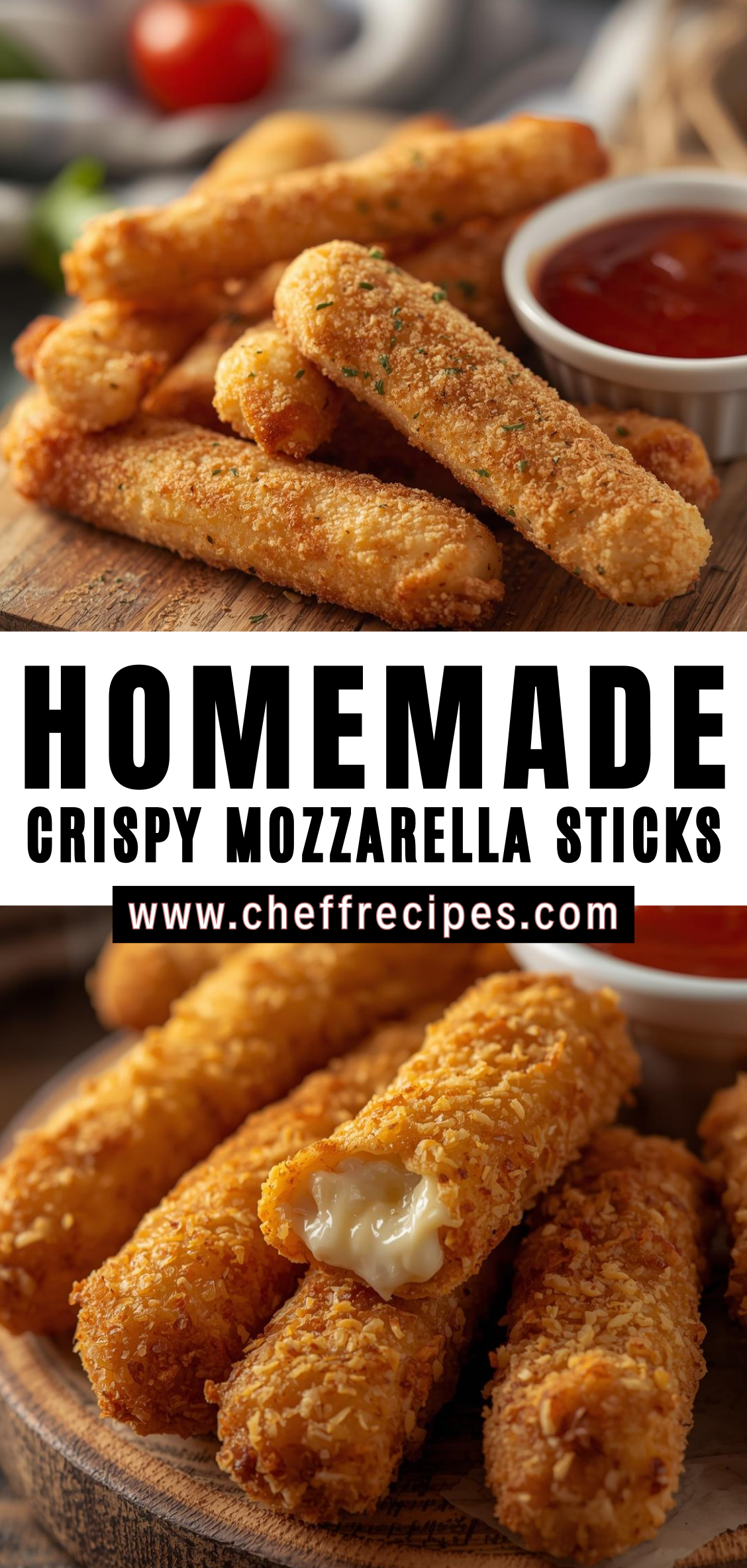
Few appetizers inspire the same universal delight as a perfectly executed mozzarella stick. Golden on the outside, molten on the inside, and irresistibly satisfying from the very first pull, these humble cheese sticks have earned their place at gatherings, parties, game nights, casual dinners, and comfort-food cravings alike. While they appear simple at first glance—just cheese coated in crumbs and fried—the true magic of mozzarella sticks lies in the delicate balance of texture, temperature, and technique. When done well, they deliver a crisp, shattering exterior followed by a warm, stretchy ribbon of mozzarella that feels indulgent without being overwhelming.
Many people assume mozzarella sticks are best left to restaurants or supermarket freezers, but homemade versions offer an experience that is far superior. When prepared in your own kitchen, you have complete control over the quality of cheese, the seasoning of the breading, the thickness of the coating, and the intensity of the crunch. You can decide whether you want an ultra-crisp shell that audibly cracks when bitten, a lightly seasoned coating with subtle aromatic herbs, or a more robust breadcrumb crust infused with garlic, paprika, or Italian spices. Making mozzarella sticks at home also allows you to customize to dietary needs, accommodate flavor preferences, or experiment with different cheeses and dipping sauces—something premade versions rarely offer.
What makes homemade mozzarella sticks particularly rewarding is that the process is surprisingly accessible. Even cooks with minimal experience can achieve excellent results with the right technique. The main steps—cutting the cheese, dredging, breading, freezing, and frying—are straightforward but benefit greatly from a thoughtful, patient approach. The key challenge, preventing the cheese from leaking out during cooking, can be conquered easily once you understand the temperature control and timing needed for the perfect fry. With a bit of preparation and proper handling, the result is consistently crisp, beautifully browned, and irresistibly gooey.
Beyond their simplicity and appeal, mozzarella sticks carry a nostalgic quality. For many, they evoke memories of childhood dinners, late-night snacks, amusement park outings, or familiar restaurant menus. They are a comfort food through and through, capable of eliciting a kind of quiet, instant happiness. Creating them from scratch adds another layer of satisfaction: the pride of watching the coating turn golden in the oil, the anticipation as they drain and cool, and the final reward of pulling apart the first stick to reveal the stretch of perfectly melted cheese.
This guide will walk you through every step of making homemade crispy mozzarella sticks—from selecting the right type of mozzarella to mastering the breading process, choosing between frying and baking, preventing blowouts, and crafting a dipping sauce that complements their rich, cheesy character. Whether you are preparing a batch for a gathering or simply treating yourself to a small indulgence, this recipe aims to make the process enjoyable, manageable, and consistently successful. By the end, you will not only have a flawless method for creating mozzarella sticks with a satisfying crunch and luxurious cheese pull, but also the confidence to adjust seasonings, experiment with variations, and tailor the recipe to your own kitchen style.
If you are ready to bring this classic appetizer into your home kitchen with professional-level results, the sections ahead will guide you through every detail with clarity and depth. Let us begin by exploring the ingredients and tools that form the foundation of truly exceptional mozzarella sticks.
Step-by-Step Instructions
Step 1: Preparing the Mozzarella
The foundation of great mozzarella sticks begins with selecting and preparing the cheese itself. While pre-cut string cheese is a popular shortcut—and perfectly acceptable—the most refined flavor and texture come from using a block of low-moisture mozzarella and cutting it into uniform pieces. Whichever form you choose, consistency is key. Uneven sticks result in uneven melting, which can lead to either overcooked breading or under-melted centers.
-
Choose the Right Cheese:
Opt for low-moisture, part-skim mozzarella. This variety melts evenly without releasing excessive water, helping prevent the cheese from leaking through the crust. High-moisture mozzarella, such as fresh mozzarella balls, can release steam during frying, which increases the risk of blowouts. -
Cut Uniform Sticks:
If starting with a block of cheese, slice it into sticks approximately 3.5 to 4 inches long and about ½ inch wide. Aim for identical sizes. The thickness of the cheese determines both melting rate and structural integrity, so carefully measured cuts ensure consistency. -
Pat Dry if Needed:
If surface moisture is present, especially when using store-bought cheese sticks, gently pat them dry with a paper towel before breading. Excess moisture can weaken the coating and cause the breadcrumbs to slide off during frying. -
Place Prepared Sticks on a Baking Sheet:
Arrange the cheese sticks in a single layer on a flat sheet or plate. Keeping them organized at this stage ensures a smooth workflow for breading, freezing, and frying later.
Taking the time to prepare the cheese properly may feel like a small step, but it sets the stage for crispness, structure, and meltability throughout the cooking process.
Step 2: Setting Up the Breading Station
A well-organized breading station is essential for creating a thick, even coating that can withstand the heat of frying. The classic three-step system—flour, egg wash, breadcrumbs—forms a sturdy exterior while sealing in the cheese.
-
Prepare the Flour Mixture:
In a shallow dish or bowl, add all-purpose flour. To this, you can incorporate a small amount of salt, black pepper, garlic powder, or onion powder if desired. The flour serves as the first layer, helping the egg adhere and creating a base for the breadcrumbs. -
Prepare the Egg Wash:
Crack two large eggs into a second bowl and beat them until thoroughly combined. A tablespoon of milk or water can be added to thin the mixture slightly, creating a smoother coating. Ensure the egg wash is well whisked, as any streaks may result in uneven breading. -
Prepare the Breadcrumb Coating:
In a third dish, add seasoned breadcrumbs, panko, or a combination of the two. Panko crumbs yield a coarser, crunchier shell, while traditional breadcrumbs offer a more classic texture. For added flavor, incorporate dried oregano, dried basil, garlic powder, paprika, or grated Parmesan cheese. Stir thoroughly to distribute seasonings. -
Line Up the Bowls in Order:
Arrange the bowls from left to right in the order of use: flour, egg wash, and breadcrumbs. Place a parchment-lined tray at the end of the assembly line for the breaded cheese sticks. -
Keep Your Workspace Clean:
Breading can be messy, so keep a damp cloth nearby to wipe your fingers or designate one hand for wet ingredients (egg wash) and one for dry ingredients (flour and breadcrumbs). This prevents clumping and ensures smoother coating.
A properly assembled breading station allows you to work efficiently and helps guarantee that every cheese stick receives a strong, uniform crust.
Step 3: Coating the Cheese Sticks
This step is where patience pays off. The thicker and more even the coating, the better protected the cheese will be during frying. A common mistake is applying only a single breading layer, which often results in melted cheese oozing out into the oil. A double coating solves this problem effectively.
-
Dredge in Flour:
Roll each cheese stick lightly in the flour, coating all sides. Tap off excess. The flour should cling thinly but fully; any bare patches will weaken the next layers. -
Dip into the Egg Wash:
Submerge the floured cheese stick into the beaten egg, ensuring complete coverage. Let excess egg drip off but don’t shake too vigorously, as the moisture is needed to hold the breadcrumbs. -
Roll in Breadcrumbs:
Press the cheese firmly into the breadcrumb mixture. Pay extra attention to the ends of the stick; these are the areas most likely to leak during frying. If needed, use your fingertips to pack the crumbs into the ends. -
Repeat for a Double Coat:
Once all sticks have a single layer, return each one to the egg wash and then back into the breadcrumbs. This second coating forms a thick, protective shell that will crisp beautifully while keeping the cheese contained. -
Set Aside on the Lined Tray:
As you finish each piece, place it gently on the parchment-lined tray in a single layer. Avoid stacking or overlapping—they may stick together or damage the delicate crumb coat.
A thorough breading process is one of the most important factors in achieving that signature combination of crunch and stretch.
Step 4: Freezing the Breaded Sticks
Freezing is an often overlooked but essential step. It stabilizes both the cheese and the breading, preventing premature melting and helping the crust adhere during frying. Skipping this step almost always results in blowouts.
-
Place the Tray in the Freezer:
Carefully slide the tray of breaded mozzarella sticks into the freezer, ensuring they remain in a single layer. If your freezer space is limited, you can freeze them briefly on the tray, then transfer the partially frozen sticks into a container. -
Freeze Until Firm:
Freeze the sticks for at least 1 to 2 hours or until completely solid. If you plan to prepare them ahead of time, you may freeze them for up to several weeks. Ensure they are stored in an airtight container or freezer-safe bag to prevent frost buildup. -
Check for Firmness Before Frying:
The sticks should feel hard to the touch. Any softness in the center may cause uneven melting during cooking. If needed, extend the freezing time.
This step creates a controlled melting environment. When the frozen cheese enters the hot oil, the exterior fries quickly while the interior gradually softens, producing a stretchy center without leaking.
Step 5: Frying the Mozzarella Sticks
The frying stage is where all your preparation pays off. Consistent oil temperature, adequate spacing, and proper timing are crucial for an evenly browned, crispy exterior.
-
Choose Your Cooking Vessel:
A deep, heavy-bottomed pot or Dutch oven is ideal, as it retains heat evenly. If using an electric deep fryer, preheat it according to manufacturer instructions. -
Heat the Oil:
Fill the pot with enough neutral oil—such as vegetable, canola, or peanut oil—to fully submerge the sticks. Heat the oil to 350°F (175°C). Use a deep-fry or candy thermometer to maintain accuracy; fluctuations can affect texture. -
Work in Small Batches:
Carefully lower 4 to 6 frozen mozzarella sticks into the hot oil using tongs or a slotted spoon. Avoid overcrowding, as doing so reduces oil temperature and yields soggy or unevenly cooked coatings. -
Fry Until Golden:
Cook the cheese sticks for about 1½ to 2 minutes. Observe the color—it should deepen to a warm golden brown. Do not fry too long, or the cheese may burst through the crust. -
Remove and Drain:
Using a slotted spoon, transfer the fried sticks to a wire rack or paper towels. Let excess oil drain off while they cool slightly. The crust will firm up further as they rest. -
Check for Blowouts:
Occasionally, a stick may show minor cheese leakage. This is typically harmless and often prevented with careful breading and freezing. If many sticks leak, your oil temperature may be too low or your breading too thin.
Frying transforms the breaded sticks into crisp, golden cylinders that hold molten cheese at their centers—a classic result that is satisfying every time.
Step 6: Serving and Enjoying
Mozzarella sticks are at their best when served fresh and hot, with dipping sauces that enhance their flavor rather than overwhelm it.
-
Serve Immediately:
Allow the fried sticks to cool for 1 to 2 minutes, just enough to handle safely while maintaining their melted core. -
Choose Complementary Dips:
Traditional marinara remains the most popular pairing due to its acidity and herbs, which cut through the richness of the cheese. Ranch, garlic aioli, smoky ketchup, or spicy tomato sauce also offer excellent contrast. -
Garnish if Desired:
A sprinkle of grated Parmesan or a scattering of finely chopped parsley adds visual appeal and subtle flavor enhancement. -
Enjoy the Cheese Pull:
Part of the fun lies in stretching the cheese as you pull the stick apart. This iconic texture is the hallmark of well-executed mozzarella sticks.
Homemade Crispy Mozzarella Sticks Recipe
Few appetizers inspire the same universal delight as a perfectly executed mozzarella stick. Golden on the outside, molten on the inside, and irresistibly satisfying from the very first pull, these humble cheese sticks have earned their place at gatherings, parties, game nights, casual dinners, and comfort-food cravings alike. While they appear simple at first glance—just cheese coated in crumbs and fried—the true magic of mozzarella sticks lies in the delicate balance of texture, temperature, and technique. When done well, they deliver a crisp, shattering exterior followed by a warm, stretchy ribbon of mozzarella that feels indulgent without being overwhelming.
Ingredients
- 1 lb (450 g) mozzarella cheese blocks or cheese sticks
- 2 cups Italian-style breadcrumbs
- 1 cup panko breadcrumbs (optional, extra crisp)
- 1 cup all-purpose flour
- 3 large eggs
- 1 tsp garlic powder
- 1 tsp onion powder
- 1 tsp dried Italian herbs
- ½ tsp paprika
- Salt and pepper, to taste
- Oil for frying (vegetable, canola, or peanut oil)
- Marinara sauce, for dipping
Instructions
1. Prepare the Cheese
- Cut mozzarella into 3–4 inch sticks if using block cheese.
- Place the sticks on a baking sheet lined with parchment and freeze for at least 1 hour to prevent melting during frying.
2. Set Up the Breading Station
- Place flour in one bowl.
- Beat eggs in a second bowl.
- Mix Italian breadcrumbs, panko, garlic powder, onion powder, Italian herbs, paprika, salt, and pepper in a third bowl.
3. Bread the Mozzarella Sticks
- Dredge each frozen stick in flour, shaking off the excess.
- Dip it into the egg mixture.
- Roll it in the breadcrumb mixture.
- Repeat egg → breadcrumbs a second time for a double coating.
- Freeze again for 30–60 minutes to ensure crispiness.
4. Fry the Mozzarella Sticks
- Heat oil in a deep pot to 350°F (175°C).
- Fry in small batches for 3–4 minutes or until golden brown.
- Place on paper towels to drain excess oil.
5. Serve
- Serve immediately with warm marinara sauce or your favorite dip.
Notes
- Double freezing is key to preventing the cheese from leaking out during frying.
- For air fryer: Spray coated sticks with oil and air fry at 390°F (200°C) for 6–8 minutes, flipping halfway.
- Sticks can be stored frozen for up to 3 months and fried straight from the freezer.
- Add grated Parmesan to the breadcrumb mix for extra flavor.