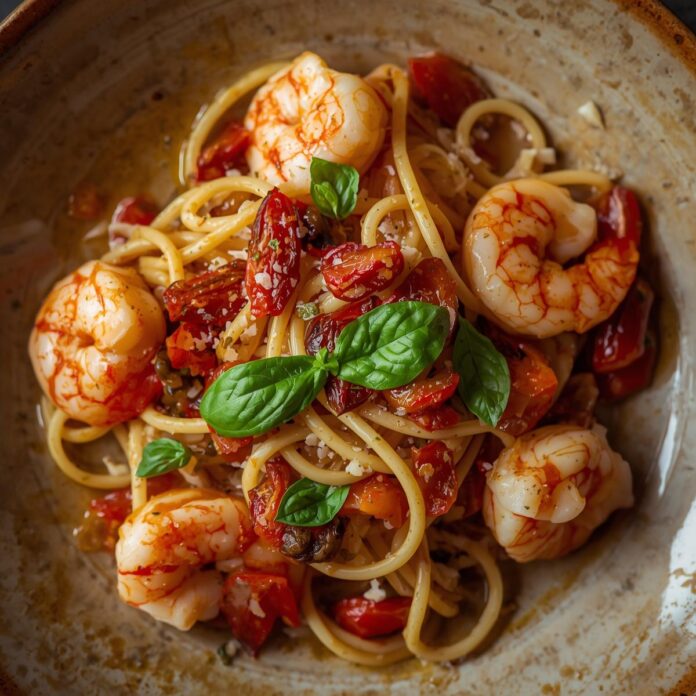
There are few dishes that capture the essence of comfort, elegance, and modern rustic cooking as beautifully as Tomato Goat Cheese Gnocchi. It is a recipe that brings together contrasting elements—pillowy softness and vibrant acidity, earthy creaminess and bright herbal notes—to create something that feels both deeply satisfying and wonderfully refined. At its heart lies an irresistible combination: tender gnocchi coated in a velvety tomato sauce enriched with tangy goat cheese, simmered until it transforms into a luxurious, restaurant-worthy dish. Whether served as a weeknight indulgence or presented as the centerpiece of a dinner gathering, Tomato Goat Cheese Gnocchi offers warmth, color, and complexity in every bite.
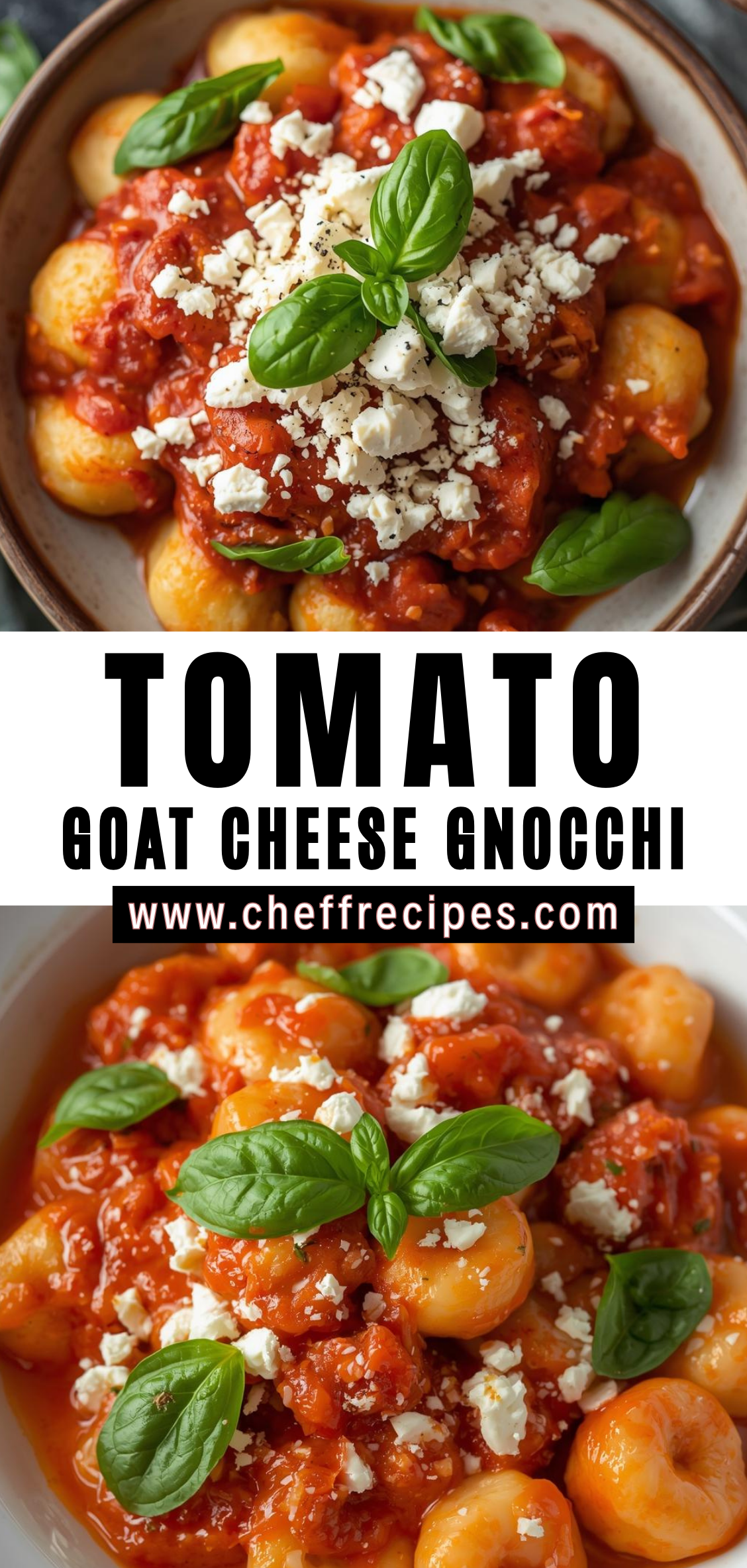
Gnocchi itself carries a long culinary tradition, often associated with Italian home kitchens where families gather around wooden tables to shape small dumplings by hand. Though recipes vary from region to region, and from household to household, the spirit of gnocchi remains the same: it is simple, comforting, and made with humble ingredients that can be transformed into something extraordinary. When paired with the right sauce, gnocchi acts as a canvas—absorbing flavors, adopting textures, and binding ingredients together in a dish that feels greater than the sum of its parts. In this recipe, the sauce is not merely a coating but an integral component that mingles with each piece of gnocchi, turning the dish into a cohesive, unified whole.
The marriage of tomatoes and goat cheese is one that celebrates contrast. Tomatoes bring acidity, sweetness, and depth, especially when simmered slowly to concentrate their flavors. Goat cheese contributes its signature tang and creamy richness, offering structure and roundness to the sauce without making it overly heavy. The combination results in a sauce that is simultaneously bright and indulgent, offering layers of flavor that evolve with each taste. The tang of the cheese softens the sharpness of the tomatoes, while the tomatoes balance the richness of the cheese—creating a harmonious partnership that feels modern yet grounded in tradition.
One of the qualities that makes this dish so appealing is its adaptability. It can be prepared with store-bought gnocchi for convenience or elevated with homemade gnocchi for an artisanal touch. The tomatoes can be fresh during peak summer months or canned during colder seasons when ripe, vibrant produce is less accessible. Goat cheese varieties—from soft chèvre to aged logs—allow for subtle differences in flavor and body, making the dish customizable to personal preference. Aromatic additions such as garlic, shallots, fresh basil, red pepper flakes, and white wine can be adjusted to create a brighter, hotter, or more herbaceous profile. Each variation brings its own distinction, yet the foundation of the recipe remains reliable and comforting.
Another strength of Tomato Goat Cheese Gnocchi is its balance between sophistication and ease of preparation. While the flavors may evoke restaurant-level finesse, the process requires no advanced techniques. The dish relies on simple methods—sautéing aromatics, simmering tomatoes, whisking in cheese, boiling gnocchi—but the results are remarkably layered and complex. This makes it an ideal recipe for home cooks who want to create something impressive without spending hours in the kitchen. For many, it quickly becomes a go-to weeknight dinner because of its speed and versatility, yet it remains elegant enough for hosting guests.
Beyond its taste and convenience, there is an emotional quality to Tomato Goat Cheese Gnocchi. It feels like comfort food, but with a brightness that lifts the spirit rather than weighing it down. The warmth of the gnocchi, the color of the tomato sauce, the richness of the goat cheese, and the fragrance of herbs create a sensory experience that brings a sense of calm and pleasure. It is the kind of dish that invites you to sit down, savor, and enjoy—not just eat. It lends itself to slow bites, conversation, and the kind of lingering satisfaction that only truly balanced comfort food can offer.
In this comprehensive guide, we will explore each component of the recipe in depth, offering step-by-step instructions, ingredient substitutions, technique explanations, and expert-level tips to ensure a perfect result every time. You will learn how to build a deeply flavored tomato base, how to incorporate goat cheese to achieve a smooth and luxurious sauce, and how to cook gnocchi to tender perfection. We will also look at optional enhancements—from roasted vegetables to protein additions and finishing touches—that can elevate the dish even further. By the end of this article, you will not only have a reliable method for creating Tomato Goat Cheese Gnocchi, but also the confidence and inspiration to adapt it to your own cooking style.
Whether you are preparing a cozy dinner for two, assembling a family meal, or crafting a special dish for guests, this recipe brings comfort, beauty, and satisfaction to the table. With its perfect blend of richness and brightness, tradition and innovation, Tomato Goat Cheese Gnocchi stands as a celebration of modern comfort food at its best. In the sections ahead, we will walk through every detail necessary to bring this dish to life—starting with the ingredients that form its flavorful foundation.
Step-by-Step Instructions
Step 1: Preparing Your Ingredients
Before you begin cooking, set up all ingredients so the process flows smoothly. Tomato Goat Cheese Gnocchi moves quickly once the sauce is simmering, making preparation crucial for flawless results.
-
Gather the Base Ingredients:
Start with high-quality canned crushed tomatoes or ripe fresh tomatoes (if using fresh, they will require peeling and seeding). The tomatoes serve as the backbone of your sauce, so choose options with rich flavor and balanced acidity. -
Select Your Goat Cheese:
Choose soft chèvre for easy melting and a smooth, creamy finish. If you prefer a more pronounced tang, select a slightly aged goat cheese. Crumble it ahead of time to streamline the cooking process. -
Prepare Aromatics:
Finely mince garlic and shallots (or onion). These aromatics form the aromatic foundation of the sauce. Ensure consistency of size to promote even sautéing and prevent burning. -
Measure Seasonings:
Set aside measured amounts of salt, black pepper, dried herbs (if using), and crushed red pepper flakes. Having them pre-measured ensures the sauce cooks evenly without pauses. -
Wash and Chop Fresh Herbs:
Basil, parsley, or thyme can be incorporated to brighten the dish. Wash thoroughly, pat dry, and chop gently to maintain their delicate oils. -
Prepare the Gnocchi:
If using store-bought gnocchi, keep it sealed until needed. For homemade gnocchi, dust lightly with flour on a tray to prevent sticking. Do not boil the gnocchi at this stage.
Taking time to prepare your ingredients makes the cooking process efficient, organized, and enjoyable. It ensures flavors develop properly without overcooking any component.
Step 2: Heating the Pan and Sautéing Aromatics
The sauce begins with building layers of flavor from aromatics. This step determines the depth and character of your final dish.
-
Choose the Right Pan:
A wide, deep skillet works best. It allows the sauce to reduce without splattering excessively and gives space for gnocchi to be tossed evenly later. -
Heat the Oil:
Add olive oil to the pan and heat over medium to medium-low. You want the oil warm enough to gently sizzle aromatics but not so hot that garlic burns instantly. -
Add the Shallots or Onions:
Sauté until translucent, about 3 to 5 minutes. Stir occasionally, ensuring they soften and release their natural sweetness without developing any bitterness from browning too fast. -
Add the Garlic:
Add garlic only after the shallots have softened. Garlic cooks quickly and burns easily, so sauté it for about 30 seconds to 1 minute. The moment it becomes aromatic, proceed to the next step. -
Optional: Deglaze the Pan:
If using white wine or vegetable broth, pour in a few tablespoons to deglaze. Scrape any flavor-packed bits from the bottom of the skillet. This enhances complexity and adds brightness to the sauce.
This stage lays the groundwork for a sauce with depth, aroma, and warmth.
Step 3: Building the Tomato Sauce
This is the heart of the dish. The tomato base needs time to cook, develop, and blend with the aromatics before the goat cheese is introduced.
-
Add Tomatoes:
Pour in crushed tomatoes or tomato passata. Stir to combine thoroughly with the aromatics. -
Season the Sauce:
Start with salt, pepper, and dried herbs such as oregano or thyme. Add a pinch of sugar if your tomatoes are particularly acidic. Adjust gradually; flavors intensify as the sauce reduces. -
Simmer Gently:
Reduce the heat to low and allow the sauce to simmer uncovered for 15 to 20 minutes. This evaporates excess liquid, concentrates flavor, and improves texture. Stir occasionally to prevent sticking. -
Taste and Adjust Acidity:
Tomato sauces vary. If the sauce tastes too sharp, add a bit more goat cheese later or a splash of cream. If too sweet, increase acidity with a small amount of lemon juice or vinegar at the end. -
Incorporate Red Pepper Flakes (Optional):
Add red pepper flakes for gentle heat. This layer of spice contrasts beautifully with the richness of the goat cheese.
A slow, steady simmer ensures the tomatoes develop a balanced, full-bodied flavor.
Step 4: Incorporating the Goat Cheese
Goat cheese transforms the tomato sauce from bright and acidic into something creamy, lush, and complex. Timing is essential.
-
Lower the Heat:
Reduce the heat to very low before stirring in the cheese. High heat can cause dairy elements to separate. -
Add the Goat Cheese in Batches:
Add small portions of crumbled goat cheese at a time. Stir thoroughly after each addition to ensure it melts smoothly into the sauce. -
Adjust Consistency:
If the sauce becomes too thick, add a splash of pasta cooking water or broth. If too thin, let it reduce a bit longer. -
Taste and Refine Seasoning:
With the goat cheese incorporated, the sauce will mellow and become richer. Adjust salt, pepper, or herbs as needed. -
Finish with Fresh Herbs:
Stir in chopped basil or parsley just before adding the gnocchi; this preserves their freshness and fragrance.
This step creates the signature creamy-tangy profile that defines the dish.
Step 5: Cooking the Gnocchi
Gnocchi cooks quickly and must be timed closely with the sauce. Proper cooking ensures a tender, silky texture rather than mushy or gummy results.
-
Boil Water:
Bring a generously salted pot of water to a gentle boil. -
Add the Gnocchi:
Drop gnocchi into the boiling water. They will sink at first and then float as they cook. -
Watch Carefully:
Gnocchi typically cook within 2 to 3 minutes. Once they float to the top, let them cook for an additional 20 to 30 seconds. -
Transfer Directly to the Sauce:
Use a slotted spoon to lift gnocchi directly into the tomato-goat cheese sauce instead of draining all the water. The slight carryover of starchy water helps bind the sauce to the dumplings. -
Reserve Cooking Water:
Keep a cup of gnocchi cooking water nearby to adjust the sauce if needed. This water contains starch that improves texture and helps create a glossy finish.
Timing is everything here. Overcooked gnocchi fall apart easily, while undercooked ones can be dense.
Step 6: Combining Gnocchi and Sauce
This stage brings everything together into a unified, velvety dish.
-
Gently Toss:
Once the gnocchi are in the sauce, fold them gently with a rubber spatula or wooden spoon. Avoid vigorous stirring, which can damage their delicate structure. -
Allow Flavors to Marry:
Simmer the gnocchi in the sauce over low heat for 1 to 2 minutes. This short time allows the gnocchi to absorb flavor without overcooking. -
Adjust Texture:
If the sauce is too thick, add a small splash of reserved pasta water. If it is too thin, allow it to reduce slightly while stirring gently. -
Taste One Piece:
Check both seasoning and texture. The gnocchi should be tender, and the sauce should taste balanced—creamy yet bright.
This step transforms individual elements into a cohesive meal.
Step 7: Finishing Touches
Final details elevate the dish from comforting to exceptional.
-
Add Fresh Herbs:
Scatter basil ribbons, chopped parsley, or thyme leaves over the top just before serving. -
Optional Finishes:
Add toasted pine nuts for crunch, a drizzle of olive oil for richness, or freshly cracked black pepper for a final layer of aroma. -
Presentation:
Serve in warm bowls to maintain the creamy consistency. The contrast of pale gnocchi and rosy sauce creates a visually appealing dish. -
Serve Immediately:
Gnocchi continue to absorb sauce as they sit. Serve promptly for the best texture and flavor.
Tomato Goat Cheese Gnocchi
There are few dishes that capture the essence of comfort, elegance, and modern rustic cooking as beautifully as Tomato Goat Cheese Gnocchi. It is a recipe that brings together contrasting elements—pillowy softness and vibrant acidity, earthy creaminess and bright herbal notes—to create something that feels both deeply satisfying and wonderfully refined. At its heart lies an irresistible combination: tender gnocchi coated in a velvety tomato sauce enriched with tangy goat cheese, simmered until it transforms into a luxurious, restaurant-worthy dish. Whether served as a weeknight indulgence or presented as the centerpiece of a dinner gathering, Tomato Goat Cheese Gnocchi offers warmth, color, and complexity in every bite.
Ingredients
- 1 lb (450 g) potato gnocchi (store-bought or homemade)
- 1 tbsp olive oil
- 3 cloves garlic, minced
- 1 small yellow onion, finely diced
- 1 can (14 oz / 400 g) crushed tomatoes
- 1 cup cherry tomatoes, halved (optional, for texture)
- 4 oz (110 g) goat cheese, softened
- ½ cup heavy cream or half-and-half
- ½ tsp red pepper flakes (optional)
- 1 tsp dried Italian herbs or basil
- Salt and black pepper, to taste
- Fresh basil, for garnish
- Parmesan cheese, for serving (optional)
Instructions
1. Cook the Gnocchi
- Bring a large pot of salted water to a boil.
- Add gnocchi and cook until they float to the top (about 2–3 minutes).
- Drain and set aside.
2. Make the Tomato Base
- Heat olive oil in a large skillet over medium heat.
- Add onions and sauté for 3–4 minutes until softened.
- Stir in garlic and cook for another 30 seconds until fragrant.
- Add crushed tomatoes and cherry tomatoes, if using.
- Season with Italian herbs, red pepper flakes, salt, and pepper.
3. Melt in the Goat Cheese
- Reduce heat to low.
- Stir in goat cheese until fully melted and incorporated.
- Add heavy cream and simmer for 2–3 minutes until the sauce thickens.
4. Combine Gnocchi and Sauce
- Add cooked gnocchi directly into the sauce.
- Gently toss until all gnocchi are coated.
- Simmer for 2 more minutes to allow flavors to blend.
5. Serve
- Garnish with fresh basil.
- Top with parmesan if desired.
- Serve hot.
Notes
- For extra richness, add a tablespoon of butter to the sauce before mixing in the gnocchi.
- Substitute spinach or kale for added greens—stir them in during the final simmer.
- To make it spicy, increase the red pepper flakes or add a dash of chili paste.
- Works equally well with cauliflower gnocchi or whole-wheat gnocchi.