Beef Stroganoff and penne pasta form a pairing that beautifully unites the savory comfort of an old-world classic with the everyday practicality of a modern pantry staple. The dish brings together tender slices of beef, sautéed mushrooms, caramelized onions, and a rich, tangy sauce—traditionally accented with sour cream—and combines them with the sturdy, sauce-gripping structure of penne. The result is a hearty, deeply satisfying meal that feels both familiar and elevated, the kind of dish that can anchor a quiet family dinner or impress guests without requiring complicated techniques.
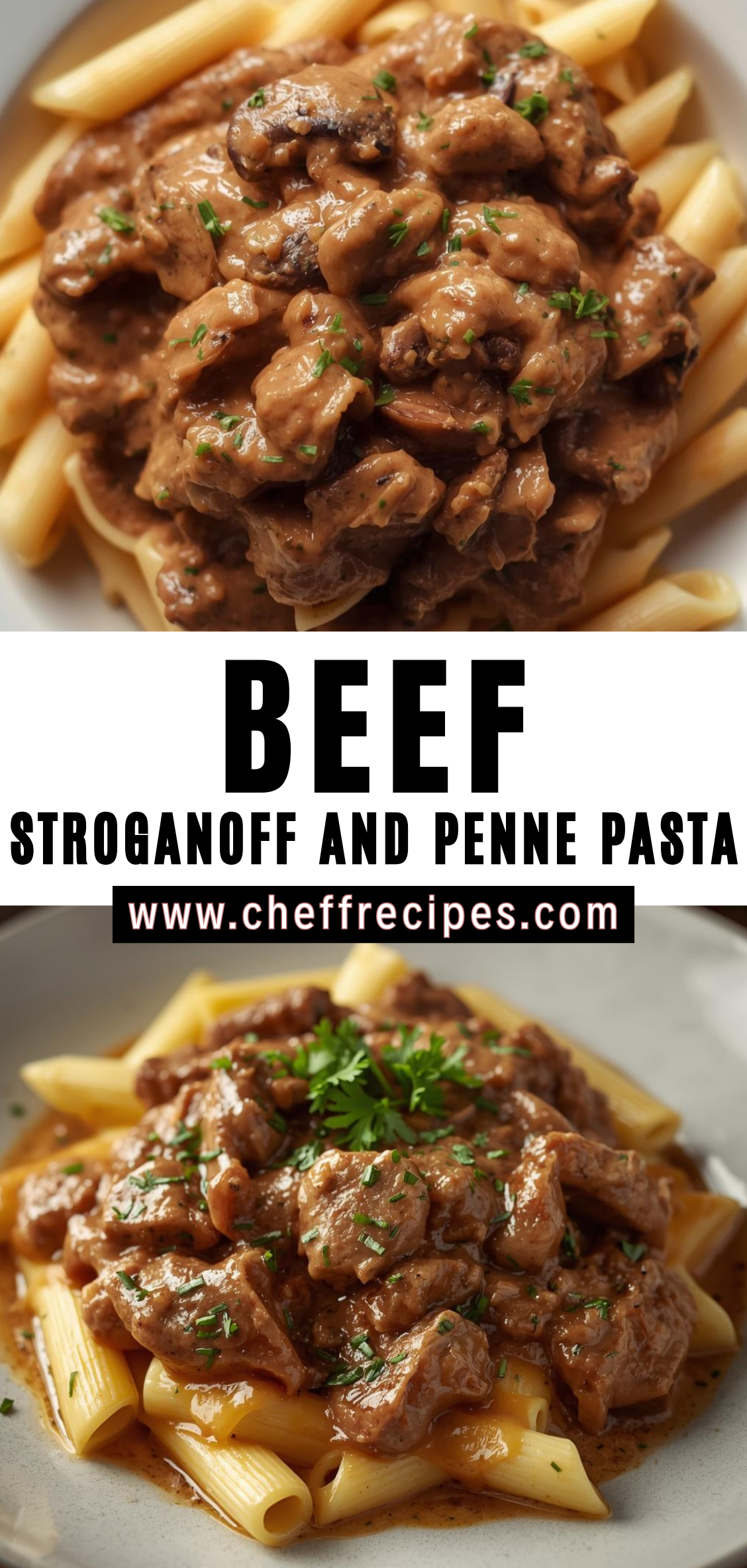
The origins of beef stroganoff reach back to 19th-century Russia, where it began as a simple sauté of beef enriched with mustard and sour cream. Over the decades, the dish traveled across continents, weaving its way through European, Asian, and American kitchens, each culture adapting it in its own way. Some versions emphasize mushrooms, others lean into onions or paprika, while some replace the traditional sour cream with cream, yogurt, or even coconut milk. Adding pasta—particularly penne—reflects a modern, approachable interpretation of the dish, appealing to cooks who value convenience without sacrificing flavor. Penne, with its tubular shape and ridged surface, captures the velvety sauce in every bite, ensuring that no element is lost.
Beef Stroganoff and penne pasta is, at its core, a celebration of texture. The beef is seared quickly to maintain tenderness and juiciness. Mushrooms release their earthy aroma as they brown, creating a deep foundation of flavor. Onions become sweet and mellow as they cook down. The sauce thickens into a silky consistency that clings to pasta effortlessly. When combined, these components yield a dish that balances richness with brightness, creaminess with acidity, and savoriness with subtle herbal notes.
Home cooks often appreciate this recipe because it delivers impressive results without demanding specialized equipment or uncommon ingredients. The steps are straightforward—sauté, deglaze, simmer, combine—yet each step offers opportunities for refinement. How long the onions are caramelized, the precise temperature used to sear the beef, the choice of mushrooms, and the decision to incorporate herbs like thyme or parsley can all influence the final character of the dish. Even the type of broth or wine added to the pan can shift the tone of the sauce, making it lighter, earthier, or more robust.
Modern variations also acknowledge diverse dietary needs and preferences. Leaner cuts of beef can be used for a lighter version. Full-fat dairy creates a luxurious texture, but Greek yogurt can produce a pleasantly tangy alternative. Penne may be swapped for whole-wheat or gluten-free pasta without compromising the overall character. The recipe is flexible enough to adapt to these choices, yet strong enough in its foundations to preserve the essence of classic stroganoff.
What makes this dish particularly compelling is its ability to evoke a sense of warmth and comfort without slipping into monotony. Each bite offers something slightly different—a piece of beef with caramelized onions, a mushroom deeply infused with sauce, a forkful of penne coated generously with creamy gravy. It is a dish that invites slow eating and conversation, creating a meal experience rather than just filling a plate.
In the sections that follow, this guide will walk through every step in detail, from choosing the appropriate cut of beef to building the sauce, cooking the penne to the perfect texture, and finishing the dish so that the flavors come together seamlessly. Along the way, you will find practical tips, substitutions, variations, and troubleshooting strategies to ensure the recipe succeeds in any kitchen.
Detailed Step-by-Step Instructions
1. Preparing the Beef
The quality and handling of the beef dramatically influence the texture and flavor of stroganoff. Proper slicing, trimming, and searing ensure tenderness and a robust, well-developed base.
Step 1: Choose the appropriate cut
Traditional stroganoff often uses tender cuts such as sirloin, ribeye, beef tenderloin, or top loin. These cuts cook quickly and remain succulent. Avoid overly lean or tough cuts unless they are prepared differently, as they can become chewy when cooked rapidly.
Step 2: Trim excess fat and slice evenly
Place the beef on a cutting board and trim any large pockets of fat or silver skin. Cut the meat against the grain into thin strips—ideally about 1/4 inch thick. Uniform slices help the beef cook consistently and prevent pieces from becoming tough.
Step 3: Pat dry for proper searing
Moisture on the surface of the meat prevents browning. Use paper towels to thoroughly dry the beef strips before seasoning. A dry surface encourages the Maillard reaction, which deepens flavor and enhances the richness of the sauce.
Step 4: Season lightly before cooking
Sprinkle the beef with salt and pepper just before it reaches the skillet. Avoid salting too far ahead of time, as salt draws out moisture.
2. Searing the Beef
A strong sear creates complexity and sets the stage for the depth of flavor in the final dish.
Step 1: Preheat the skillet
Choose a heavy skillet such as cast iron or stainless steel. Heat it over medium-high until it is very hot. Add a small amount of neutral oil with a high smoke point—vegetable, canola, or grapeseed oil all work well.
Step 2: Add the beef in batches
Crowding the skillet traps steam and causes the beef to gray instead of brown. Add the meat in a single layer, ensuring space between pieces. Let the beef sear undisturbed for 1–2 minutes so a golden crust forms.
Step 3: Flip and sear briefly on the second side
Once the first side has browned, turn the strips over. Because they are thin, they should cook quickly. Remove the beef just as the second side begins to color. Overcooking at this stage will lead to toughness.
Step 4: Transfer and set aside
Place the seared beef on a clean plate. It will return to the pan later and finish cooking gently in the sauce, preserving its tenderness.
3. Building the Aromatic Base
Onions, garlic, and mushrooms form the core flavor foundation. Proper sautéing ensures a balanced, deeply savory sauce.
Step 1: Prepare the onions
Slice the onions thinly for even cooking. A combination of yellow and sweet onions adds a pleasant balance.
Step 2: Sauté slowly for caramelization
Add butter to the empty skillet and lower the heat to medium. Once melted, add the onions. Stir often and allow them to soften and lightly caramelize. This process develops natural sweetness and mellow depth.
Step 3: Add garlic
Chop or mince the garlic and add it only after the onions have softened to prevent burning. Cook for about 30 seconds, just until fragrant.
Step 4: Incorporate mushrooms
Choose cremini, button, or shiitake mushrooms. Slice them evenly and add to the pan. Increase the heat slightly. Allow them to release moisture, then continue cooking until the liquid evaporates and the mushrooms take on a browned, concentrated flavor.
4. Deglazing the Pan
Deglazing lifts the flavorful browned bits from the skillet and creates the liquid foundation of the sauce.
Step 1: Choose your deglazing liquid
You may use beef broth, dry white wine, dry sherry, or a combination. Wine adds acidity and complexity; broth adds richness and body.
Step 2: Pour into the skillet
Add the liquid while the pan is hot. It should sizzle immediately. Use a wooden spoon or spatula to scrape up the browned bits (fond) from the bottom. This step infuses layers of savory flavor into the sauce.
Step 3: Reduce slightly
Simmer the liquid for 2–3 minutes, allowing the alcohol (if using wine) to cook off and the flavors to concentrate.
5. Building the Stroganoff Sauce
The sauce is the heart of the dish—creamy, tangy, savory, and smooth.
Step 1: Add beef broth and seasonings
Pour in additional broth to form the sauce base. Add Worcestershire sauce, Dijon mustard, smoked paprika, thyme, or other seasonings depending on your preferred flavor profile.
Step 2: Add flour or slurry if thickening is needed
If you prefer a slightly thicker sauce, sprinkle a bit of flour over the onions and mushrooms before adding the broth, or whisk a tablespoon of cornstarch with cold water and add it once the broth simmers. Stir to incorporate.
Step 3: Simmer to develop flavor
Let the sauce simmer gently for 5–8 minutes. This simmering stage brings all the savory components together and allows the sauce to thicken slightly.
Step 4: Add the seared beef back to the pan
Return the beef and its juices to the skillet. Stir gently to combine. Allow the meat to warm through over low heat without boiling—boiling can toughen the beef.
Step 5: Incorporate sour cream
Remove the skillet from direct heat before adding sour cream. This prevents curdling and keeps the sauce velvety. Stir slowly until the sour cream dissolves into the sauce, forming the classic stroganoff creaminess.
6. Cooking the Penne Pasta
Penne plays an important structural role in capturing and holding the sauce.
Step 1: Boil water generously
Fill a large pot with water and add salt until the water tastes lightly but distinctly salty. Bring it to a rolling boil.
Step 2: Add the penne
Stir immediately to prevent sticking. Cook according to package instructions, but check 1–2 minutes early. You want the pasta al dente—firm but cooked through—so it can hold up to the rich sauce.
Step 3: Reserve pasta water
Before draining, scoop out a cup of the starchy pasta water. This liquid helps adjust the sauce consistency later.
Step 4: Drain the pasta
Do not rinse. Rinsing removes starch that helps the sauce cling to the noodles.
7. Combining Pasta and Sauce
How you combine the pasta and sauce affects texture and cohesion.
Step 1: Add penne to the stroganoff sauce
Transfer the cooked pasta directly into the skillet with the sauce. Gently fold it in, ensuring every piece is coated.
Step 2: Adjust the consistency
If the sauce is too thick, add a splash of reserved pasta water. Add slowly, stirring between additions, until the sauce reaches a smooth, silky finish.
Step 3: Taste and adjust seasoning
Add salt, pepper, or additional mustard to balance the flavors. A small squeeze of lemon juice can brighten the dish if it tastes too heavy.
8. Finishing Touches
Step 1: Add fresh herbs
Chopped parsley or dill adds color and freshness. Sprinkle some into the skillet and reserve some for serving.
Step 2: Rest briefly before serving
Allow the dish to sit off the heat for a few minutes. This resting period helps the sauce stabilize and cling even better to the pasta.
Step 3: Plate and garnish
Serve the stroganoff over a wide dish or shallow bowl. Garnish with fresh herbs, black pepper, or a small dollop of sour cream for extra richness.
Beef Stroganoff and Penne Pasta
Beef Stroganoff and penne pasta form a pairing that beautifully unites the savory comfort of an old-world classic with the everyday practicality of a modern pantry staple. The dish brings together tender slices of beef, sautéed mushrooms, caramelized onions, and a rich, tangy sauce—traditionally accented with sour cream—and combines them with the sturdy, sauce-gripping structure of penne. The result is a hearty, deeply satisfying meal that feels both familiar and elevated, the kind of dish that can anchor a quiet family dinner or impress guests without requiring complicated techniques.
Ingredients
- For the Pasta:
- 12 oz penne pasta
- 1 tablespoon salt (for pasta water)
- For the Beef Stroganoff:
- 1 lb beef sirloin or flank steak, thinly sliced
- 1 tablespoon olive oil
- 2 tablespoons butter
- 1 medium onion, finely sliced
- 2 cloves garlic, minced
- 8 oz mushrooms, sliced (cremini or white)
- 1 tablespoon flour
- 1 cup beef broth
- 1 tablespoon Worcestershire sauce
- 1 teaspoon Dijon mustard
- 1 cup sour cream
- Salt and black pepper, to taste
- 1–2 tablespoons chopped parsley (for garnish)
Instructions
1. Cook the Penne Pasta
- Bring a large pot of salted water to a boil.
- Add the penne pasta and cook according to package directions until al dente.
- Drain and set aside.
2. Prepare the Beef
- Season the sliced beef lightly with salt and pepper.
- Heat olive oil in a large skillet over medium-high heat.
- Add the beef in a single layer and cook 2–3 minutes, until browned (do not overcook).
- Remove the beef from the skillet and set aside.
3. Make the Stroganoff Base
- In the same skillet, melt the butter.
- Add the onions and cook until softened, about 3–4 minutes.
- Add the garlic and cook 30 seconds.
- Add the sliced mushrooms and cook until they release their moisture and begin to brown.
- Sprinkle the flour over the mixture and stir well.
4. Build the Sauce
- Pour in the beef broth while stirring to prevent lumps.
- Add Worcestershire sauce and Dijon mustard.
- Bring to a gentle simmer and cook for 3–5 minutes until slightly thickened.
5. Add the Beef and Sour Cream
- Return the cooked beef (and juices) to the skillet.
- Reduce heat to low and stir in the sour cream.
- Simmer gently for 2–3 minutes (do not boil, or the sour cream may curdle).
- Taste and season with more salt and pepper if needed.
6. Combine with Pasta
- Add the cooked penne pasta to the stroganoff sauce.
- Toss well until pasta is fully coated and heated through.
7. Serve
- Garnish with chopped parsley.
- Serve immediately with a side salad or garlic bread.
Notes
- Slice the beef thinly against the grain for tenderness.
- You can substitute Greek yogurt for sour cream for a lighter version.
- Using penne adds a hearty twist—its hollow shape catches the creamy sauce well.
- For extra richness, add 2–3 tablespoons of cream cheese to the sauce.
- If the sauce becomes too thick, stir in a splash of warm beef broth.