Rice may be one of the world’s most unassuming ingredients, but it possesses extraordinary transformative potential in the hands of a thoughtful cook. Across cultures and cuisines, rice serves as a blank canvas—welcoming whatever flavors, spices, herbs, or broths a cook chooses to introduce. Among the countless ways to prepare it, Parmesan Garlic Rice stands out as a dish that combines comfort with sophistication, simplicity with depth, and everyday accessibility with unmistakable culinary character. It is a side dish that can complement an elegant entrée as easily as it can anchor a casual weeknight dinner, proving that even the most familiar grains can become remarkable offerings when prepared with care.
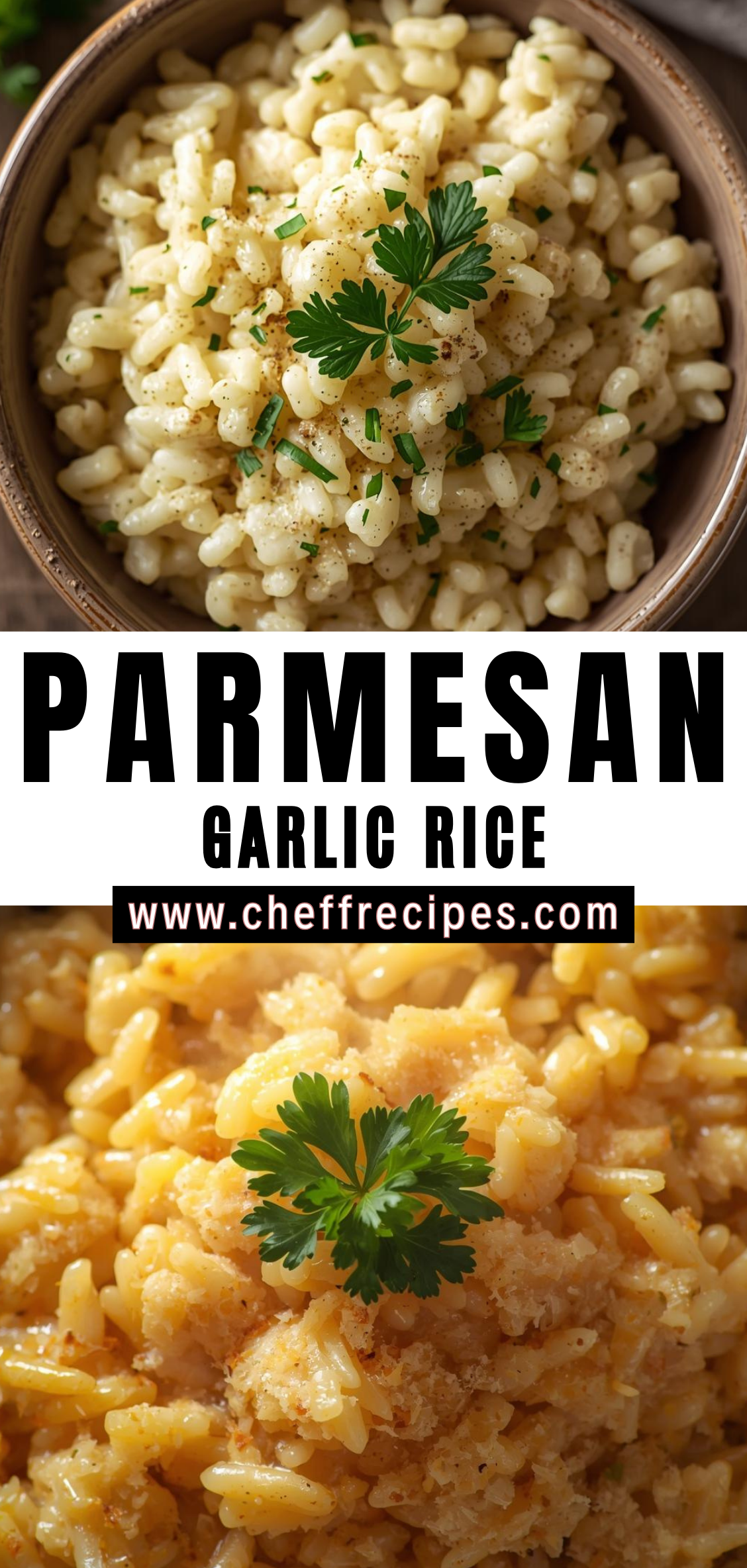
Parmesan and garlic form a timeless pairing in the culinary world. Parmesan brings saltiness, nuttiness, and savory complexity—qualities developed through the slow aging process that gives the cheese its distinctive crystalline structure and deeply aromatic profile. Garlic, especially when gently sautéed in butter or oil, contributes warmth, sweetness, and a mellow pungency that permeates the entire dish. Together, they elevate the rice from a simple starch to a richly flavored, cohesive creation in which every grain absorbs layers of taste. The resulting dish is neither heavy nor overly rich; rather, it strikes a balanced harmony that feels comforting yet not indulgent to excess.
The beauty of Parmesan Garlic Rice also lies in its adaptability. While the foundational components are few, their interaction with technique is what determines the final outcome. Long-grain rice yields a fluffy, separate texture ideal for soaking up sauces or pairing with roasted meats. Medium- or short-grain varieties lean toward creaminess, mimicking the luxurious mouthfeel of risotto without the time or constant stirring that risotto demands. Each choice of rice brings a slightly different personality to the dish. Likewise, the method of cooking—whether simmering in broth, toasting the grains first, or finishing with a final flourish of butter—offers opportunities to build flavor in deliberate, layered ways.
The process of preparing Parmesan Garlic Rice invites a slower, more intentional approach than simply boiling grains in water. It begins with the aroma of garlic softening in fat, a scent that immediately signals comfort and home. The rice, when added to the pot, absorbs these foundational flavors before it ever encounters liquid. As it simmers, the broth begins to penetrate each grain, leaving behind nuances of herbs, vegetables, or poultry, depending on the stock used. The final addition of Parmesan transforms the dish, lending body and richness. With proper technique, the cheese melts seamlessly into the rice, creating a silky finish without clumping or greasiness. These small, attentive decisions turn a straightforward recipe into a deeply satisfying culinary experience.
Parmesan Garlic Rice also holds a unique versatility. It can be served alongside grilled chicken, pan-seared fish, braised short ribs, roasted vegetables, or sautéed shrimp. It can accompany a simple weeknight meal or serve as part of a celebratory dinner. Its flavor profile is neutral enough to pair with a wide range of main dishes yet distinctive enough to stand on its own, even becoming a main attraction when enhanced with additions like fresh herbs, lemon zest, sautéed mushrooms, or toasted nuts. When chosen thoughtfully, these additions reinforce rather than overshadow the essence of the dish.
In many kitchens, rice is viewed as an afterthought—a supporting actor whose role is merely to fill the plate. This recipe encourages a different perspective: that a side dish can be memorable, intentional, and worthy of the same level of attention given to a main course. Parmesan Garlic Rice is a lesson in what can happen when simple ingredients are chosen with care, combined with skill, and treated with respect. The transformation from raw grains to tender, aromatic, flavorful rice reflects the fundamental joy of cooking, where even the most ordinary ingredients reveal their extraordinary potential.
At its core, this dish is about balance. The richness of butter counteracts the sharpness of Parmesan. The assertiveness of garlic softens during cooking, settling into a mellow backdrop rather than dominating. The modest structure of rice becomes a carrier of complex flavors. Together, they create something deeply comforting yet thoughtfully composed. It is a bowl of warm, fragrant rice that feels familiar, approachable, and wholly satisfying—the kind of dish that becomes part of a household’s regular rotation not because it is flashy, but because it is undeniably and consistently good.
In the sections that follow, the recipe will unfold with thorough, step-by-step guidance designed to help cooks of all experience levels achieve consistent success. From selecting the right type of rice to adjusting cooking liquid, perfecting seasoning, and integrating Parmesan in a way that maintains both texture and flavor, each step will be explained in detail. Additional notes, variations, troubleshooting advice, and serving suggestions will ensure that readers can adapt the dish to their own tastes, dietary needs, and occasions.
When prepared with attention and care, Parmesan Garlic Rice becomes more than a simple accompaniment. It becomes a hallmark of thoughtful cooking—a reminder that the most comforting dishes often emerge from modest ingredients elevated through technique, patience, and an understanding of flavor. If you are ready, we can proceed next to the ingredient breakdown or begin the detailed instructions.
Instructions (Highly Detailed, Step-by-Step)
1. Preparing the Aromatic Base
1.1 Choosing the Fat
Begin by selecting the cooking fat that will serve as the foundation of the dish. Butter is the traditional and most flavorful choice, contributing richness, depth, and a slight sweetness as it melts and begins to brown. Olive oil can also be used, either alone for a lighter flavor or combined with butter to prevent scorching. A ratio of two tablespoons of butter to one tablespoon of oil offers a balance: butter for flavor, oil for stability over medium heat.
1.2 Melting and Heating
Place a medium saucepan on the stove over medium-low heat. Add the butter (and oil if using). Allow the butter to fully melt and come just to the point where it begins to foam lightly. Do not let it darken too quickly; the goal here is not browning but warmth and gentle heat to coax flavor from the garlic.
1.3 Preparing the Garlic
Use fresh garlic cloves rather than jarred or pre-minced options, as fresh cloves yield a cleaner, more delicate aromatic profile. Peel the cloves and finely mince them, ensuring uniform pieces that will soften evenly. Garlic that is too coarsely chopped may remain pungent or burn before fully cooking.
1.4 Cooking the Garlic Slowly
Add the minced garlic to the melted butter. Stir immediately to disperse the garlic across the pan, allowing each piece to come into contact with the fat. Keep the heat low to avoid browning; garlic that overcooks can become bitter and overpower the dish. Cook for 45–60 seconds until the garlic becomes fragrant and slightly translucent. This careful softening stage infuses the fat with a mellow, rounded garlic flavor that will permeate every grain of rice.
2. Toasting the Rice
2.1 Selecting the Type of Rice
Though the final result remains flavorful with almost any rice variety, long-grain white rice produces the most distinct grains and a fluffy texture ideal for Parmesan integration. If using medium-grain or short-grain rice, expect a creamier consistency, closer to risotto but quicker and less demanding.
2.2 Rinsing (Optional but Strategic)
Whether to rinse depends on the texture you want. Rinsing removes surface starch, yielding lighter, more separated grains. If aiming for a slightly creamier texture—something that embraces the Parmesan—skip the rinse. If you choose to rinse, do so in cold water until it runs mostly clear, then drain thoroughly to prevent steaming and sputtering when added to the pan.
2.3 Toasting the Dry Grains
Add the rice to the saucepan with the garlic and butter. Stir to coat every grain in the aromatic fat. Toasting the rice enhances flavor and improves texture by sealing the outer surface slightly, which prevents mushiness and helps each grain cook evenly. Stir occasionally for 2–3 minutes. You will notice a subtle nutty aroma as the rice warms and absorbs the garlic-infused butter.
3. Adding the Cooking Liquid
3.1 Choosing the Liquid
While water can suffice, broth elevates the dish dramatically. Chicken broth adds roundness and flavor without dominating the Parmesan. Vegetable broth works beautifully for vegetarian preparations. If using a homemade stock, ensure it is not overly salty; Parmesan will contribute salt later.
3.2 Creating the Ratio
A common ratio is 1 cup of rice to 2 cups of liquid, though exact amounts vary by rice type. Long-grain rice generally requires the full amount, while medium-grain varieties may require slightly less. If in doubt, follow the rice package instructions, adjusting only if needed during simmering.
3.3 Incorporating the Liquid Slowly
Pour the liquid into the saucepan gradually. Adding it in a controlled stream allows the temperature to adjust and prevents sudden bubbling that may disturb the garlic or splash hot fat. Stir gently to ensure even distribution and to lift any flavorful bits from the bottom of the pot.
4. Bringing the Rice to a Simmer
4.1 Initial Heat Stage
Increase the heat to medium-high just until the mixture comes to a gentle boil. Tiny bubbles should break at the surface, and steam should begin to rise. Avoid vigorous boiling; it can cause uneven cooking and may force liquid out of the pot.
4.2 Reducing to a Low Simmer
Once boiling is achieved, immediately reduce the heat to low. Cover the pot with a tight-fitting lid. A proper simmer involves small, steady bubbles beneath the surface, gently softening the rice rather than agitating it.
4.3 Keeping the Lid Closed
Resist the temptation to lift the lid during the next 15–18 minutes (for long-grain rice). The steam trapped inside the pot is as important as the simmer below. Opening the lid can disrupt the internal temperature and cause inconsistent texture. If you must check, do so quickly and sparingly.
5. Monitoring and Adjusting During Cooking
5.1 Observing Moisture Levels
All stoves and pots behave differently. If after 12 minutes you hear crackling or see no remaining liquid at the surface, reduce the heat slightly or add a tablespoon of hot broth. Conversely, if the rice looks excessively wet, keep the lid slightly ajar during the last few minutes of cooking.
5.2 Gentle Fluffing Midway (Optional)
Some cooks prefer to give the rice a single, delicate stir about halfway through cooking. If you choose to do this, use a fork rather than a spoon and avoid overmixing. This step is entirely optional and depends on whether you prefer a looser or more cohesive texture.
6. Finishing the Rice After Cooking
6.1 Resting Off Heat
When the rice is tender and the liquid is absorbed, turn off the heat and let the pot rest, covered, for 5–10 minutes. This rest period allows moisture to redistribute evenly, ensuring tenderness without sogginess.
6.2 Fluffing
Uncover the pot and use a fork to fluff the rice gently. This step separates the grains, releases excess steam, and prepares the rice to accept the Parmesan without clumping.
7. Incorporating the Parmesan
7.1 Choosing the Cheese
Freshly grated Parmesan melts more evenly and provides greater flavor clarity than pre-shredded varieties. Grate the cheese yourself using the fine holes of a microplane or box grater. Avoid using powdered Parmesan, which will create a grainy, chalky texture.
7.2 Adding the Cheese Gradually
With the rice still warm, sprinkle in the Parmesan a small handful at a time, folding it gently into the grains. Allow each addition to melt before adding the next. This gradual integration prevents clumps and ensures that the cheese disperses evenly.
7.3 Adjusting Creaminess
If you prefer a creamier, risotto-like texture, add a splash of warm broth or a small pat of butter as you incorporate the Parmesan. If you prefer a lighter texture, rely on the rice’s residual heat alone to melt the cheese.
8. Seasoning and Balancing Flavors
8.1 Salt Considerations
Taste the rice before adding salt. Parmesan is naturally salty, and broth may also contain sodium. Add only what is necessary to achieve balance.
8.2 Pepper and Additional Aromatics
A small amount of freshly ground black pepper complements Parmesan beautifully. If you want a more pronounced garlic profile, stir in a tiny amount of garlic paste or another teaspoon of sautéed minced garlic that has been cooked separately and cooled.
9. Serving the Parmesan Garlic Rice
9.1 Final Fluffing and Transfer
Give the rice one final, gentle fluff to lift the grains. Transfer it to a warm serving bowl or individual plates, using a large spoon to preserve its structure rather than compressing the grains.
9.2 Garnishing with Purpose
A light sprinkle of Parmesan across the top serves as both visual and aromatic enhancement. Fresh herbs—parsley, chives, or basil—can be added to brighten the richness, though they should be used sparingly to avoid overshadowing the primary flavors.
9.3 Ideal Serving Temperature
Serve the rice immediately while the Parmesan remains fully melted and the garlic aroma is at its peak. As the rice cools, the texture will firm slightly, though reheating gently with a splash of broth restores softness.
Parmesan Garlic Rice
Rice may be one of the world’s most unassuming ingredients, but it possesses extraordinary transformative potential in the hands of a thoughtful cook. Across cultures and cuisines, rice serves as a blank canvas—welcoming whatever flavors, spices, herbs, or broths a cook chooses to introduce. Among the countless ways to prepare it, Parmesan Garlic Rice stands out as a dish that combines comfort with sophistication, simplicity with depth, and everyday accessibility with unmistakable culinary character. It is a side dish that can complement an elegant entrée as easily as it can anchor a casual weeknight dinner, proving that even the most familiar grains can become remarkable offerings when prepared with care.
Ingredients
- 2 tablespoons butter
- 3 cloves garlic, minced
- 1 cup long-grain white rice
- 2 cups chicken broth (or vegetable broth)
- ½ teaspoon salt (adjust to taste)
- ¼ teaspoon black pepper
- ½ cup grated Parmesan cheese
- 2 tablespoons chopped parsley (optional)
- 1 tablespoon lemon juice (optional for brightness)
Instructions
1. Sauté the Aromatics
- Melt the butter in a medium saucepan over medium heat.
- Add the minced garlic and cook for 30–60 seconds until fragrant but not browned.
2. Toast the Rice
- Add the rice to the saucepan and stir to coat it in the butter and garlic.
- Cook for 1–2 minutes, toasting lightly for extra flavor.
3. Cook the Rice
- Pour in the broth, add salt and pepper, and stir.
- Bring to a boil, then reduce heat to low.
- Cover and simmer for 15–18 minutes, or until the rice is tender and liquid is absorbed.
- Remove from heat and let it sit covered for 5 minutes.
4. Finish the Dish
- Fluff the rice with a fork.
- Stir in the grated Parmesan until melted and creamy.
- Mix in parsley and lemon juice if using.
- Taste and adjust seasoning.
Notes
- Creamier version: Stir in 2–3 tablespoons of cream or a small splash of milk with the Parmesan.
- Extra garlic flavor: Add roasted garlic or a pinch of garlic powder at the end.
- Rice options: This recipe works with jasmine, basmati, or brown rice—just adjust cooking times.
- Add-ins: Peas, spinach, grilled chicken, or sautéed mushrooms make great additions.