Appetizers occupy a unique place in the culinary experience. They are the first impression a meal offers, the gateway that sets the tone for the courses that follow. The best appetizers are not merely small bites but carefully crafted promises—inviting flavors that awaken the palate, spark curiosity, and create anticipation. When designed thoughtfully, appetizers become an art form: a balance of textures, temperatures, aromas, and visual appeal that together provide a memorable prelude to a meal. Among the wide spectrum of ingredients used in appetizer preparation, seafood, particularly shrimp and salmon, stands out for its versatility, elegance, and naturally rich flavor.
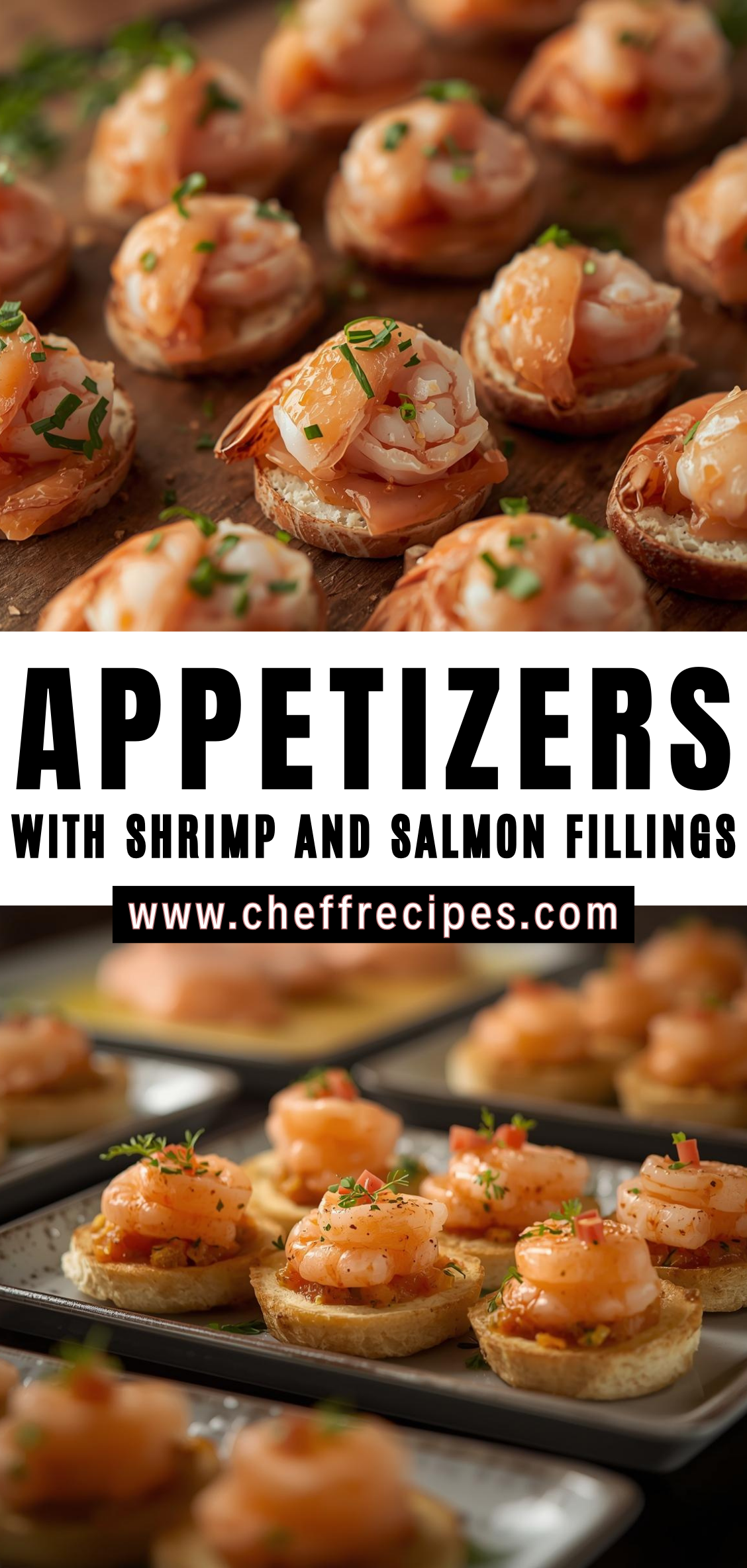
Shrimp and salmon have long been favored ingredients across global cuisines. They adapt readily to a remarkable variety of seasonings, cooking techniques, and presentations. Shrimp offers a naturally sweet, firm bite, making it ideal for fillings, spreads, dumplings, and small pastries. Salmon, whether fresh, smoked, cured, or poached, brings a depth of flavor that feels both luxurious and accessible. The subtle fattiness of salmon complements herbs, citrus, spices, and creamy bases, while its vivid color adds beauty to dishes meant to impress. When incorporated into appetizers, these two ingredients elevate even the simplest preparations into sophisticated starters.
Over time, culinary traditions from various parts of the world have developed countless ways to highlight shrimp and salmon in small, flavorful portions. Asian cuisine offers shrimp dumplings and salmon tartare with bright, sharp aromatics. Scandinavian cooking embraces smoked salmon paired with cream, dill, and rye. Mediterranean tables often feature shrimp-stuffed pastries or salmon paired with olives, capers, and lemon. And modern fusion cuisine blends techniques and ingredients from multiple cultures, transforming classic ideas into innovative bites filled with unexpected contrasts. The recipes and techniques rooted in these traditions serve as a rich foundation for cooks looking to create appetizers that impress without overwhelming.
Working with shrimp and salmon in appetizer form also encourages creativity in texture and structure. Fillings can be smooth, whipped, chunky, or entirely rustic. They can be served warm or chilled, encased in dough or layered atop crisp vegetables, piped into shells, rolled into pastry, or spooned onto toasts. Because both shrimp and salmon are naturally flavorful, they pair smoothly with a wide range of ingredients—from bright citrus to earthy herbs, spicy chilies to soft cheeses, crunchy vegetables to delicate wafers. This versatility allows cooks to tailor their appetizers to specific occasions, whether the goal is to present elegant canapés for a formal dinner, light bites for a summer gathering, or satisfying handheld snacks for a celebratory event.
Another compelling aspect of shrimp and salmon is their ability to serve as the star of a dish while still accommodating dietary preferences. Health-conscious cooks appreciate that both are high in protein and rich in beneficial fats, particularly salmon, which is known for its omega-3 content. This makes salmon-based appetizers an appealing choice for guests who prefer lighter fare that still feels indulgent. Shrimp, with its quick cooking time and responsive texture, further offers convenience for cooks preparing multiple dishes under time constraints. As long as ingredients are fresh and handled safely, shrimp- and salmon-filled appetizers can be both nutritious and deeply flavorful.
The process of creating appetizers with shrimp and salmon fillings also offers an opportunity to explore complex flavor-building in manageable portions. Smaller dishes allow you to experiment freely with seasonings, marinades, and sauces without the commitment required for large entrées. You can assess the balance between richness and acidity, adjust textures by incorporating vegetables or grains, or refine the structure of a filling until it pipes or folds exactly as intended. This makes appetizer preparation both technically engaging and rewarding, particularly for home cooks who want to refine their skills while producing stunning results.
In this recipe collection, the focus will be on detailed methods, thoughtful ingredient selection, and variations that help you adapt each preparation to your kitchen and personal taste. Throughout the full recipe and guide, you will find insights on sourcing quality seafood, handling shrimp and salmon safely, selecting complementary flavors, and presenting appetizers attractively. Whether you are preparing a single standout dish or curating a complete appetizer spread, these seafood-based fillings will offer you a range of options that combine elegance, flavor, and ease.
This introduction sets the stage for an in-depth exploration of appetizers featuring shrimp and salmon fillings. In the sections that follow, you will find comprehensive recipes, preparation strategies, troubleshooting advice, and presentation techniques intended to help you craft appetizers that are as beautiful as they are delicious.
Detailed Instructions for Preparing Shrimp and Salmon Appetizer Fillings
Creating exceptional shrimp and salmon fillings begins long before the ingredients reach the pan or mixing bowl. The process involves thoughtful selection of seafood, precise preparation techniques, clean handling, and a structured approach to building layers of flavor. This section provides a thorough, step-by-step guide that lays the foundation for all recipes that follow. Each technique is explained clearly and in depth so that both novice and experienced cooks can achieve consistent results.
1. Selecting and Preparing Shrimp
Shrimp quality significantly affects both texture and flavor, especially when used in fillings where the shrimp’s natural sweetness is central. Understanding shrimp varieties, sizes, and forms helps you make decisions that match your cooking goals.
1.1 Choosing Shrimp
-
Fresh vs. Frozen:
Fresh shrimp is ideal when available, but high-quality frozen shrimp can be just as good because it is often frozen shortly after harvest. Avoid shrimp with a strong ammonia scent, dullness, or mushy texture. -
Shell-on vs. Peeled:
Shell-on shrimp often has better flavor and texture. If time permits, choose shell-on, then peel and devein yourself. Pre-peeled shrimp is acceptable for convenience but may lose some firmness. -
Size Matters:
For fillings, medium (41–50 per pound) or small (51–60 per pound) shrimp are typically sufficient. Larger shrimp may require additional chopping and cost significantly more without adding benefit to fillings.
1.2 Cleaning Shrimp
-
Peeling:
Remove shells by gently pulling them off starting from the legs and working upward. Leave the tail only if the recipe calls for it. -
Deveining:
Make a shallow slit along the back to expose the digestive vein, then lift it out with the tip of a knife or rinse under cold water. -
Rinsing:
Rinse lightly under cold water and pat dry thoroughly. Excess moisture dilutes the flavor of fillings.
1.3 Cooking Shrimp for Fillings
Cooking shrimp properly is essential because overcooked shrimp becomes rubbery and unpleasant.
The best methods include:
-
Poaching:
This is often ideal for fillings. Bring salted water with aromatics (bay leaves, garlic, lemon) to a gentle simmer. Add shrimp and cook until just pink—usually 2–3 minutes. Remove immediately and cool. -
Sautéing:
Heat a small amount of oil or butter, then cook shrimp over medium heat for about 1–2 minutes per side. This method creates additional savory depth. -
Steaming:
Preserves moisture and keeps shrimp tender. Steam until opaque.
After cooking, allow shrimp to cool completely before chopping or blending into fillings.
2. Selecting and Preparing Salmon
Salmon, with its rich, buttery texture and wide range of culinary forms, creates fillings that vary from light and citrusy to bold and savory.
2.1 Types of Salmon for Fillings
Different preparations of salmon are suitable depending on the desired flavor and texture.
-
Fresh Cooked Salmon:
Ideal when you want a flaky, warm or room-temperature filling. It creates soft, textured mixtures. -
Smoked Salmon:
Offers deep flavor and requires no cooking. Perfect for cold canapés, dips, and spreads. -
Cured Salmon (Gravlax):
Adds sophisticated, silky texture with herbal and citrus undertones. -
Canned Salmon:
Acceptable for rustic spreads. Choose boneless, skinless varieties with minimal additives.
2.2 Preparing Fresh Salmon
-
Selecting a Cut:
Choose center-cut fillets for even thickness. Avoid fillets with browning edges or strong odors. -
Pin-Bone Removal:
Use tweezers to gently pull out any visible bones. -
Seasoning:
Light seasoning is best for fillings: a pinch of salt, pepper, and sometimes lemon. -
Cooking Methods:
-
Poaching: Results in tender, moist flesh ideal for delicate spreads.
-
Baking: Simple and effective. Bake at 350°F (175°C) until flakes easily, typically 12–15 minutes.
-
Steaming: Keeps flavors clean and neutral, making it suitable when other ingredients will supply most of the flavor.
-
Allow cooked salmon to cool, then flake gently with a fork.
3. Flavor Bases for Fillings
A well-balanced filling often contains several flavor layers: fat (creamy elements), acidity (citrus, vinegar), aromatics (herbs, onions), and seasoning (salt, pepper, spices).
3.1 Creamy Components
These ingredients add smoothness and help bind fillings:
-
Cream cheese
-
Greek yogurt
-
Sour cream
-
Mascarpone
-
Mayonnaise
-
Crème fraîche
Creamier bases pair exceptionally well with smoked salmon, as well as finely chopped shrimp.
3.2 Aromatics
Aromatics build complexity:
-
Shallots or green onions for subtle sweetness
-
Garlic for depth (use sparingly in cold dishes)
-
Dill, parsley, cilantro, or chives for herbal freshness
-
Ginger or lemongrass for Asian-inspired flavors
3.3 Acidic Elements
Acidity brightens seafood:
-
Lemon juice or zest
-
Lime juice for bolder zing
-
Rice vinegar or white wine vinegar
-
Capers
3.4 Seasoning and Spices
-
Salt enhances natural seafood sweetness.
-
Black or white pepper adds subtle heat.
-
Smoked paprika or cayenne adds warmth.
-
Old Bay or Cajun seasoning suits shrimp-based fillings.
-
Soy sauce or sesame oil builds umami in Asian-style fillings.
4. Preparation Techniques for Shrimp and Salmon Fillings
The consistency of your filling determines how it functions in a recipe. Below are common preparation styles and the steps to achieve them.
4.1 Chunky Fillings
Use when you want texture, such as in stuffed mushrooms or wontons.
-
Chop shrimp or salmon into small, even pieces.
-
Fold into binding ingredients gently to avoid shredding.
-
Taste and adjust seasoning gradually.
4.2 Smooth Fillings
Useful for piping into pastry shells or spreading on crackers.
-
Combine cooked shrimp or salmon with creamy components.
-
Use a food processor for smoothness.
-
Add liquids (cream, lemon juice) gradually to avoid thinning too much.
4.3 Mixed-Texture Fillings
A blend of chunks and smooth paste creates interesting contrast.
-
Blend half the seafood into a paste.
-
Fold in the chopped remainder.
-
Adjust seasoning to account for concentrated flavor in the blended portion.
5. Assembly Techniques for Appetizers
After preparing the filling, the next stage involves assembling it into the appetizer base.
5.1 Pastry and Dough
-
Phyllo cups:
Pre-baked, crisp, and ideal for creamy salmon fillings. -
Wonton wrappers:
Can be baked or fried and filled with shrimp mixtures. -
Puff pastry:
Bake separately, then slice and fill, or fold with filling before baking.
5.2 Vegetables as Bases
-
Cucumber rounds for smoked salmon spreads.
-
Cherry tomatoes hollowed and filled with shrimp mousse.
-
Bell pepper strips topped with salmon cream.
5.3 Bread and Crackers
-
Crostini allows for both creamy and chunky fillings.
-
Blini pair perfectly with smoked salmon.
-
Rice crackers complement Asian-style shrimp fillings.
5.4 Shells and Cups
-
Tart shells give structure to rich fillings.
-
Mini pastry cups are ideal for piping salmon mousse.
-
Lettuce cups create a light, fresh contrast.
6. Finishing Touches and Presentation
Appetizers must be visually appealing. These finishing touches elevate presentation:
-
Herbs: Fresh dill, chives, or parsley add color.
-
Citrus Zest: Adds brightness without extra moisture.
-
Microgreens: Provide elegance and subtle flavor.
-
Paprika or Chili Flakes: Adds contrast in color.
-
Small Garnishes: A sliver of smoked salmon or whole shrimp can top filled cups for dramatic effect.
Arrange appetizers neatly in rows or circular patterns on trays. Use small plates or slate boards to highlight colors and textures.
Appetizers with Shrimp and Salmon Fillings
Appetizers occupy a unique place in the culinary experience. They are the first impression a meal offers, the gateway that sets the tone for the courses that follow. The best appetizers are not merely small bites but carefully crafted promises—inviting flavors that awaken the palate, spark curiosity, and create anticipation. When designed thoughtfully, appetizers become an art form: a balance of textures, temperatures, aromas, and visual appeal that together provide a memorable prelude to a meal. Among the wide spectrum of ingredients used in appetizer preparation, seafood, particularly shrimp and salmon, stands out for its versatility, elegance, and naturally rich flavor.
Ingredients
- For the Shrimp Filling:
- 1 cup cooked shrimp, finely chopped
- 2 tbsp mayonnaise
- 1 tsp lemon juice
- 1 tbsp fresh chives or green onion, finely chopped
- 1 tsp Dijon mustard
- Salt and pepper to taste
- For the Salmon Filling:
- 1 cup cooked or smoked salmon, flaked
- 2 tbsp cream cheese (softened)
- 1 tbsp Greek yogurt or sour cream
- 1 tsp fresh dill, chopped
- 1 tsp lemon zest
- Salt and pepper to taste
- For Assembly:
- 20–24 mini pastry cups, cucumber rounds, or toasted baguette slices
- Fresh herbs (chives, dill) for garnish
- Optional: lemon wedges, capers
Instructions
1. Prepare the Shrimp Filling
- Combine Ingredients: In a small bowl, mix the chopped shrimp, mayonnaise, lemon juice, mustard, and chives.
- Season: Add salt and pepper to taste, adjusting acidity with extra lemon if desired.
- Chill: Refrigerate the mixture for 10 minutes to allow the flavors to blend.
2. Prepare the Salmon Filling
- Blend Base: In another bowl, combine cream cheese and Greek yogurt until smooth.
- Add Salmon: Fold in the salmon, dill, and lemon zest.
- Season: Add salt and pepper to taste, mixing until evenly combined.
- Chill: Refrigerate for at least 10 minutes to firm slightly.
3. Assemble the Appetizers
- Prepare Bases: Arrange pastry cups, cucumber rounds, or baguette slices on a platter.
- Fill: Spoon the shrimp filling into half of the bases and the salmon filling into the others.
- Garnish: Top with small herb sprigs, capers, or a tiny squeeze of lemon if desired.
- Serve: Serve immediately or keep refrigerated until ready to present.
Notes
- You can replace mayonnaise with Greek yogurt for a lighter shrimp filling.
- Smoked salmon gives a stronger flavor, while poached salmon creates a milder filling.
- For extra texture, add finely diced celery to the shrimp mixture or minced red onion to the salmon mixture.
- These fillings also work well in mini sandwiches, wraps, or as dips for crackers.