Comfort food holds a distinctive place in the culinary world. It is not defined solely by flavor but by familiarity, warmth, and the irresistible sense of ease it brings to the table. Dishes that fall into this category often blend sweetness, richness, and savory depth in a way that feels both indulgent and deeply satisfying. Among these dishes, few combinations have gained as much admiration in modern home cooking as the pairing of honey garlic chicken with a velvety parmesan cream sauce. This recipe unites two beloved styles of flavor—sweet, sticky, garlicky chicken and a silky, cheese-infused cream—into a single dish that dazzles the senses, pleases a wide range of palates, and transforms an ordinary dinner into a restaurant-worthy experience.
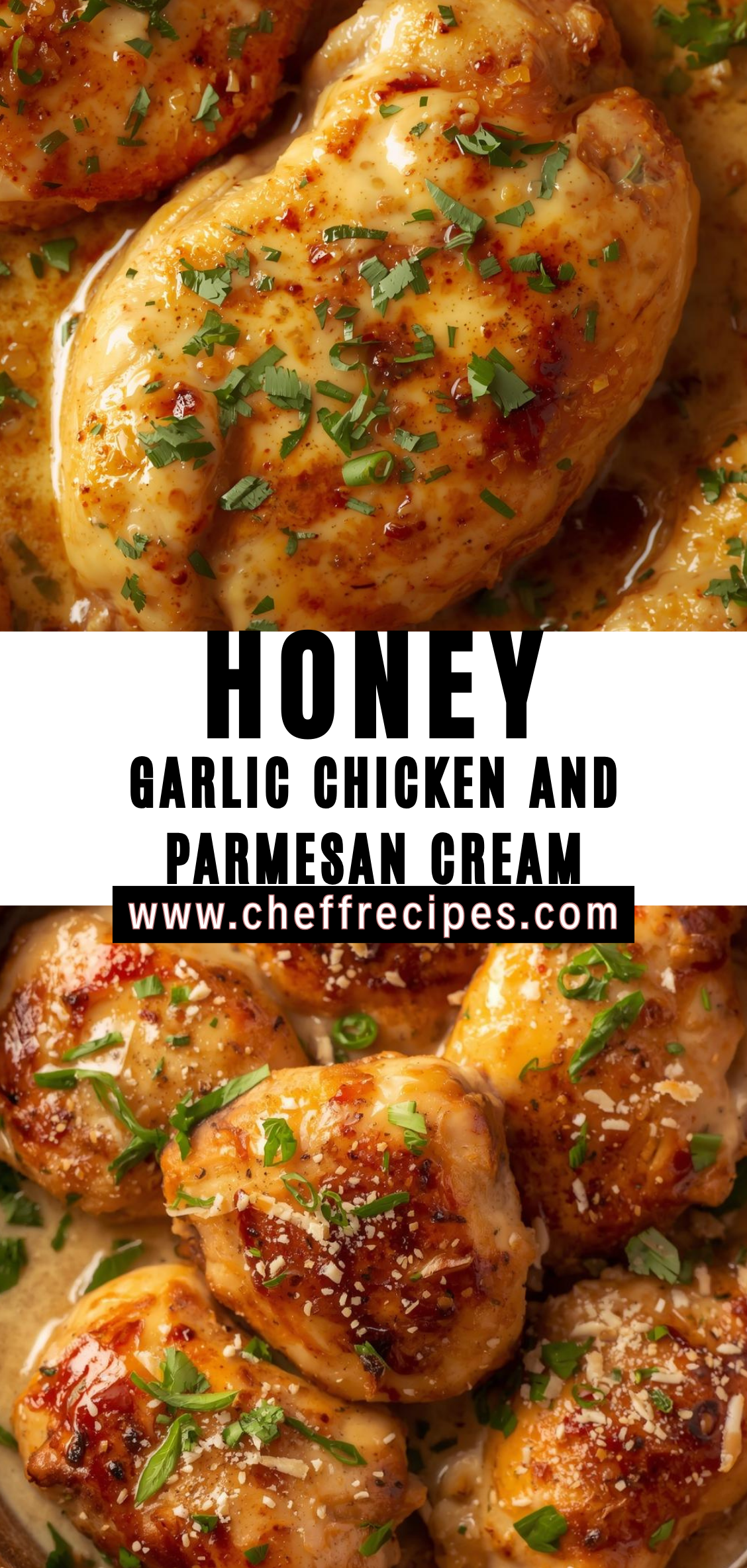
At its core, honey garlic chicken is a celebration of simple ingredients used skillfully. Honey brings a floral sweetness that caramelizes beautifully in the pan, garlic contributes a savory backbone, and soy or broth-based seasonings add depth and balance. The result is a glossy, aromatic glaze clinging to tender, juicy chicken. While honey garlic chicken is already satisfying on its own, pairing it with a rich parmesan cream adds a new dimension of indulgence. The sharp, salty character of parmesan harmonizes with the sweetness of honey, while the cream provides a luxurious texture that envelopes every component of the dish. The combination elevates the flavors from comforting to exceptional, merging the heartiness of a home-cooked meal with the refinement of modern bistro cuisine.
This dish has roots in several culinary traditions, which contributes to its broad appeal. The honey-garlic combination has long been used in East Asian cooking, especially in stir-fries, glazes, and marinades. Its profile is universally appreciated because it strikes the coveted balance between sweet and savory. Meanwhile, parmesan cream sauce draws inspiration from Italian cooking, particularly Alfredo-style sauces and cream-based pastas. When these two traditions intersect, they create a fusion that feels contemporary yet grounded in beloved flavor principles. It is this blend—familiar yet exciting, classic yet inventive—that makes honey garlic chicken with parmesan cream such a standout meal for both everyday dinners and special occasions.
Another reason this dish resonates with so many cooks is its flexibility. It can be made with chicken thighs for a juicy, richly flavored result or with chicken breasts for a lighter, leaner dish. It pairs beautifully with a wide variety of sides: pasta, rice, mashed potatoes, roasted vegetables, or crusty bread. The parmesan cream can be thick and decadent or light and silky, depending on personal preference. The honey garlic glaze can be mild and mellow or intensified with chili flakes, ginger, or a splash of vinegar. This adaptability makes the dish not only accessible for beginners but deeply customizable for experienced cooks who enjoy refining flavor balance and technique.
Texture plays a crucial role in the recipe’s appeal. The chicken, often seared to develop a caramelized exterior, retains its juiciness through careful cooking and glazing. Meanwhile, the parmesan cream sauce adds a contrasting smoothness that enriches each bite. When served together, the textures merge harmoniously—the sticky glaze clings to the chicken’s crisp edges while the cream drapes luxuriously over the dish, creating a multi-layered sensory experience. The interplay of tender meat, glossy sauce, and velvety cream provides a satisfying depth of mouthfeel that elevates the meal beyond simple weeknight fare.
Aesthetically, the dish is also striking. The honey garlic glaze gives the chicken a warm, amber sheen, while the pale, elegant parmesan cream adds visual balance. A sprinkle of fresh herbs, a dusting of parmesan, or a few grinds of black pepper gives the dish a finishing touch that looks polished without demanding elaborate garnishing techniques. Whether served directly from a skillet for a rustic presentation or plated individually for a more refined appearance, the dish delivers visual appeal that matches its exquisite flavor.
This recipe also encourages the development of valuable kitchen skills. Preparing honey garlic chicken teaches principles of caramelization, pan reduction, and glaze formation—techniques that are essential for cooks who want to deepen their understanding of stovetop cooking. Meanwhile, making a stable, smooth parmesan cream sauce introduces concepts such as temperature control, emulsification, and proper cheese incorporation. Both components rely on timing, heat management, and attention to detail, making the recipe a rewarding experience for those eager to strengthen their culinary abilities.
As you move through this expanded guide, you will find detailed instructions on selecting ingredients, preparing the chicken for optimal tenderness, building a balanced honey garlic sauce, and creating a flawless parmesan cream that complements without overpowering. You will also discover helpful techniques for layering the two components so their flavors harmonize on the plate. Additional sections will explore variations—from spicy renditions to herbaceous twists—along with serving ideas, side pairings, storage tips, and strategies for adapting the dish to different dietary preferences.
Honey garlic chicken with parmesan cream is more than a recipe; it is a celebratory fusion of beloved flavors, designed for both comfort and indulgence. Whether you prepare it as a weeknight treat, a romantic dinner, or a centerpiece for family gatherings, this dish promises a satisfying experience enriched by contrasting yet complementary tastes. It invites cooks to embrace creativity while relying on a foundation of straightforward, dependable techniques. And above all, it transforms simple pantry staples into a memorable meal that lingers in both aroma and flavor.
Detailed Instructions for Honey Garlic Chicken with Parmesan Cream
Preparing Honey Garlic Chicken with Parmesan Cream requires a deliberate sequence of steps designed to build layers of flavor, manage texture, and maintain consistency across both components of the dish. The following instructions break down each stage of the cooking process in detail—starting with ingredient preparation, moving through chicken searing and sauce development, and concluding with the creation of a smooth, stable parmesan cream. These steps ensure that the final dish achieves the ideal balance of sweetness, savor, creaminess, and richness.
1. Preparing the Chicken
1.1 Choosing the Right Cut
Although the recipe can be made with various types of chicken, each cut yields a slightly different experience:
-
Boneless, skinless chicken thighs:
Best option for maximum juiciness and forgiving cook time. They remain tender even with minor overcooking. -
Boneless, skinless chicken breasts:
Leaner, slightly firmer, and ideal for lighter versions of the dish. Requires more attention to prevent dryness. -
Bone-in thighs:
Produce an exceptionally rich flavor and crisp exterior but require longer cook times.
For most home cooks, boneless thighs offer the best balance of convenience, tenderness, and flavor development.
1.2 Trimming and Slicing
-
Pat chicken dry thoroughly to reduce surface moisture.
-
Trim excess fat for more even browning.
-
For breasts, slice horizontally into cutlets or pound lightly to even thickness.
-
For thighs, flatten slightly with your hand to ensure consistent contact with the pan.
Dry, evenly shaped chicken browns more efficiently and prevents steaming.
1.3 Seasoning Base Layer
Before searing, season the chicken generously:
-
Salt
-
Black pepper
-
Optional: paprika or garlic powder for additional depth
-
Optional: a light dusting of cornstarch to enhance browning and thicken the glaze later
Allow the chicken to sit for 10 minutes to draw moisture inward and help seasoning penetrate.
2. Searing the Chicken
Proper searing builds the foundation for the honey garlic glaze.
2.1 Heating the Pan
-
Use a heavy-bottomed skillet (cast iron or stainless steel).
-
Heat over medium-high until the pan is hot but not smoking.
-
Add a small amount of high-heat oil (avocado, canola, or light olive oil).
A hot, stable pan ensures crispness and caramelization.
2.2 The Searing Process
-
Lay chicken pieces into the pan without overcrowding.
-
Avoid moving them for the first 2–3 minutes—this encourages crust development.
-
Flip once the underside is deeply golden.
-
Cook the second side until nearly done but not fully cooked through.
Internal temperature should be approximately 150–155°F (65–68°C) at this stage, as it will finish cooking in the glaze later.
2.3 Deglazing Preparation
Remove the chicken and set aside, but do not wipe the pan. The browned bits—fond—are essential for building a rich, flavorful sauce.
3. Making the Honey Garlic Glaze
The glaze is the heart of the dish: sweet, aromatic, and packed with umami.
3.1 Aromatics
-
Reduce heat to medium.
-
Add butter to the pan; swirl to melt.
-
Add minced garlic (3–6 cloves depending on preference).
-
Sauté 30–60 seconds until fragrant, not browned.
Burnt garlic turns bitter, so maintain control over heat.
3.2 Building the Glaze Base
Add the following:
-
Honey
-
Soy sauce or tamari (for umami and saltiness)
-
Chicken broth (for fluidity and balance)
-
Optional: rice vinegar, lemon juice, or apple cider vinegar for acidity
-
Optional: crushed red pepper flakes for heat
Stir ingredients with a wooden spoon, scraping up any fond to incorporate flavor.
3.3 Reduction Process
Simmer the mixture over medium heat for 3–5 minutes until:
-
Bubbles thicken slightly
-
Sauce reduces to a glossy consistency
-
Spoon drags a visible line through the glaze
Avoid reducing too much at this stage—the chicken will continue thickening the glaze once returned to the pan.
3.4 Reintroducing the Chicken
-
Add chicken back to the skillet.
-
Coat each piece in the glaze by turning it over several times.
-
Continue cooking 3–5 minutes until:
-
Internal temperature reaches 165°F (74°C)
-
Glaze clings to chicken with a sticky shine
-
Remove chicken once finished. Keep warm.
4. Preparing the Parmesan Cream
The parmesan cream contrasts the honey garlic glaze with richness and subtle savor. Smoothness and stability are essential for success.
4.1 Creating the Roux Base (Optional but Recommended)
To prevent sauce separation:
-
Melt butter over medium heat in a new saucepan.
-
Add an equal amount of flour.
-
Cook for 1–2 minutes, stirring continuously until pale and frothy.
A light roux gives the sauce body without altering flavor.
4.2 Adding the Dairy
Slowly whisk in:
-
Heavy cream (for richness)
-
Whole milk or half-and-half (for balance)
Add gradually to avoid lumps and maintain a steady emulsification.
4.3 Seasoning the Cream
Add:
-
Salt (sparingly; parmesan is salty)
-
White or black pepper
-
Garlic powder or fresh grated garlic (lightly)
-
Optional: nutmeg for warmth
Simmer gently for 3–4 minutes. Do not boil vigorously—high heat can cause separation.
4.4 Incorporating Parmesan
-
Lower heat to low.
-
Add freshly grated parmesan a handful at a time.
-
Whisk continuously to melt cheese into the sauce.
-
Continue until the sauce reaches smooth, nappe consistency (coats the back of a spoon).
Avoid pre-shredded cheese; anti-caking agents prevent smooth melting.
4.5 Stability Tips
-
If sauce is too thick: add warm milk in small amounts.
-
If too thin: simmer gently or whisk in a teaspoon of cornstarch slurry.
-
If cheese clumps: lower heat and whisk vigorously.
5. Combining the Components
There are several presentation styles; choose based on preference.
5.1 Classic Drizzle Presentation
-
Arrange glazed chicken on a serving plate.
-
Spoon warm parmesan cream over the top.
-
Allow some glaze to remain visible for visual contrast.
5.2 Layered Bowl Style
-
Spread a pool of parmesan cream at the bottom.
-
Place chicken over the cream.
-
Drizzle extra honey garlic glaze on top.
5.3 Pasta Integration
-
Toss cooked pasta with parmesan cream until coated.
-
Top with sliced honey garlic chicken.
-
Add a final drizzle of glaze for dramatic effect.
6. Final Adjustments and Flavor Balancing
Taste before serving and adjust:
-
More honey for sweetness
-
More soy for umami
-
More vinegar or lemon for acidity
-
More parmesan for richness
-
Additional pepper or chili flakes for heat
The goal is harmony: sweet, savory, creamy, and aromatic in balanced proportions.
7. Garnishing and Presentation
Enhance the dish visually and texturally:
-
Fresh parsley or chives
-
Extra parmesan shavings
-
Cracked black pepper
-
A thin drizzle of honey garlic glaze
Serve immediately for best texture and flavor.
Honey Garlic Chicken and Parmesan Cream
Comfort food holds a distinctive place in the culinary world. It is not defined solely by flavor but by familiarity, warmth, and the irresistible sense of ease it brings to the table. Dishes that fall into this category often blend sweetness, richness, and savory depth in a way that feels both indulgent and deeply satisfying. Among these dishes, few combinations have gained as much admiration in modern home cooking as the pairing of honey garlic chicken with a velvety parmesan cream sauce. This recipe unites two beloved styles of flavor—sweet, sticky, garlicky chicken and a silky, cheese-infused cream—into a single dish that dazzles the senses, pleases a wide range of palates, and transforms an ordinary dinner into a restaurant-worthy experience.
Ingredients
- For the Honey Garlic Chicken:
- 1 ½ lbs (680 g) chicken thighs or breasts, cut into bite-size pieces
- 1 tbsp olive oil
- 2 tbsp butter
- 4 garlic cloves, minced
- ⅓ cup honey
- 2 tbsp soy sauce
- 1 tbsp apple cider vinegar or lemon juice
- ½ tsp paprika
- Salt and pepper to taste
- Optional: red pepper flakes for heat
- For the Parmesan Cream Sauce:
- 1 tbsp butter
- 1 tbsp flour
- 1 cup heavy cream (or half-and-half)
- ½ cup grated Parmesan cheese
- ½ tsp Italian seasoning
- Salt and pepper to taste
- For Serving:
- Cooked rice, mashed potatoes, or pasta
- Fresh parsley or grated Parmesan for garnish
Instructions
1. Prepare the Honey Garlic Chicken
- Season Chicken: Pat chicken dry and season with salt, pepper, and paprika.
- Sear: Heat olive oil and butter in a skillet over medium-high heat. Add chicken and cook until browned on all sides (6–8 minutes).
- Add Garlic: Reduce heat to medium and stir in minced garlic; cook for 30 seconds until fragrant.
- Add Sauce Ingredients: Pour in honey, soy sauce, and apple cider vinegar. Stir to coat the chicken evenly.
- Simmer: Cook for 4–5 minutes until the sauce thickens and becomes glossy. Remove from heat and set aside.
2. Make the Parmesan Cream Sauce
- Start Roux: In a separate small saucepan, melt butter. Add flour and whisk for 30 seconds.
- Add Cream: Slowly pour in the heavy cream while whisking to avoid lumps.
- Add Cheese: Stir in Parmesan and Italian seasoning until melted and smooth.
- Season: Add salt and pepper to taste. Simmer for 2–3 minutes until slightly thickened.
3. Combine and Serve
- Pour Sauce: Drizzle the Parmesan cream over the honey garlic chicken, or gently fold the chicken into the sauce.
- Garnish: Sprinkle with parsley or extra Parmesan.
- Serve: Enjoy over rice, mashed potatoes, or pasta.
Notes
- For a lighter version, use half-and-half instead of heavy cream and reduce honey slightly.
- Add broccoli or spinach to the skillet for a complete one-pan meal.
- To make it spicier, add crushed red pepper or sriracha to the honey garlic sauce.
- This pairs beautifully with buttered noodles or roasted vegetables.