Few dishes capture the essence of coastal cooking, culinary nostalgia, and pure indulgence quite like fried shrimp. Whether served in a bustling seafood shack perched along a windy shoreline, presented elegantly on restaurant porcelain, or brought sizzling hot to the family dinner table in a large cast-iron skillet, fried shrimp occupies a universally beloved place in food culture. Its appeal lies in its simplicity and versatility: tender shrimp encased in a golden crust that crackles lightly with every bite, a flavor profile that balances delicacy with richness, and a cooking process that manages to feel both deeply traditional and endlessly adaptable.
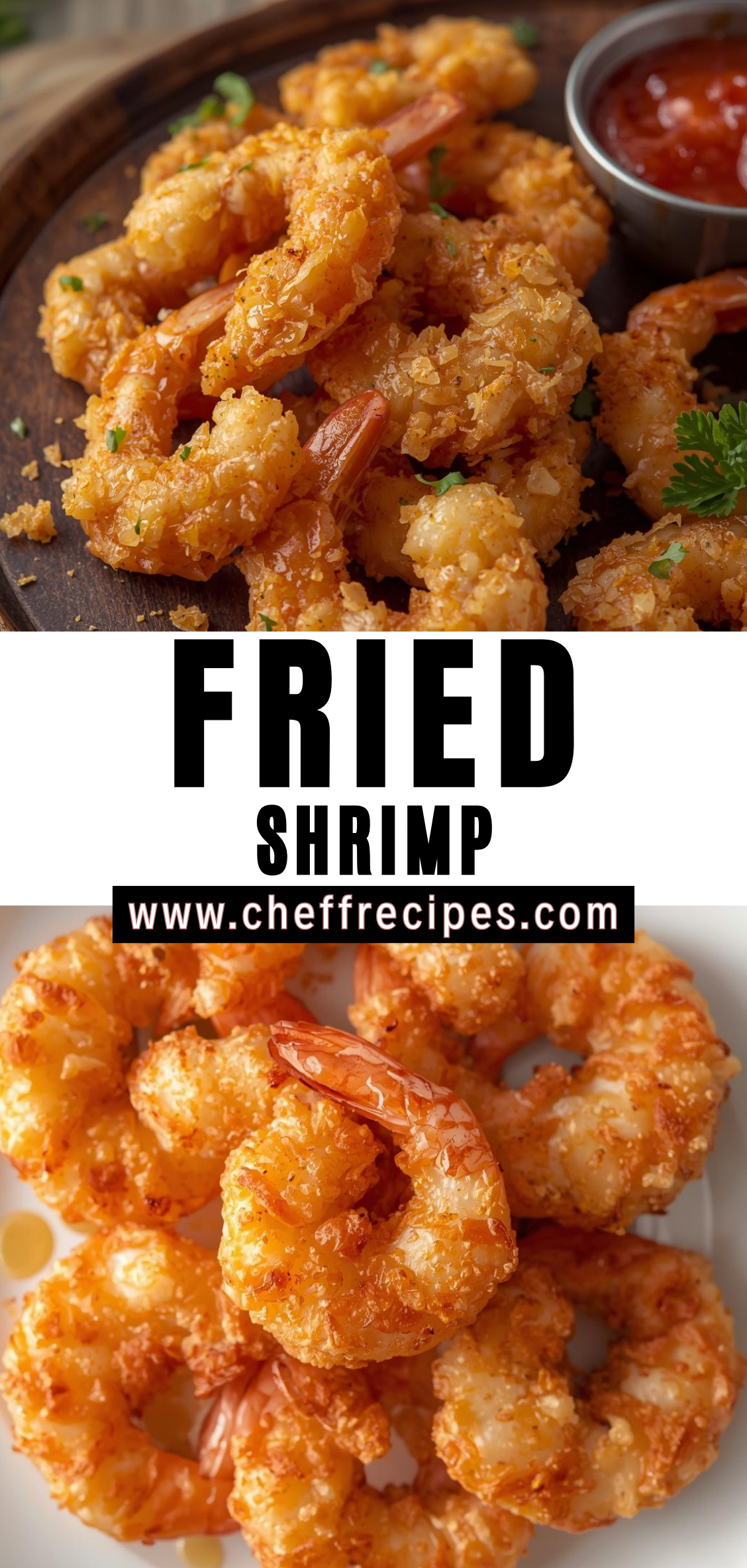
Fried shrimp is a dish with a foot in many worlds. It belongs to Southern American cuisine, where it is often dredged in seasoned cornmeal or buttermilk batter and served alongside hush puppies and coleslaw. It is at home in Asian cuisines, which may coat shrimp in tempura batter to achieve an impossibly light and crisp exterior. It finds representation in Mediterranean diets, in Caribbean street food stalls, in Latin American coastal communities, and even in home kitchens that are nowhere near the ocean yet still embrace the comfort of fried seafood. Its global reach is a testament to how universally satisfying it is to combine fresh shrimp with heat, flour, seasoning, and the transformational magic of frying.
The beauty of fried shrimp lies not only in its flavor but also in its accessibility. For many people, shrimp is an approachable seafood—mild in taste, quick to cook, and widely available frozen or fresh. Unlike some seafood preparations that require long marination times, special equipment, or advanced knife skills, fried shrimp is straightforward enough for beginners yet nuanced enough for experienced cooks to refine. With just a few simple ingredients and a reliable frying method, anyone can produce restaurant-quality results at home.
Yet, this simplicity is also what makes fried shrimp such a rewarding culinary topic for a detailed recipe article. Every element of the process—the choice of shrimp size, the preparation technique, the seasoning blend, the dredging medium, the oil temperature, the cooking time, even the draining and resting stage—contributes to the final texture and flavor. Small adjustments can alter the outcome dramatically. A slightly thicker batter creates a hearty, crunchy crust; a lighter flour mixture yields a crisp, delicate coating; adding spices transforms the dish into something regional; changing the oil or frying method adjusts the depth of flavor. Each choice invites creativity, experimentation, and personalization.
The sensory experience of fried shrimp is one of the reasons people return to it time and again. The first bite offers contrast: the audible crackle of the coating followed by the gentle sweetness of the shrimp inside. The seasoning awakens the palate, whether it features bright citrus notes, smoky spices, peppery heat, or classic salt-and-pepper simplicity. The aroma carries a comforting warmth reminiscent of fish fries, seaside vacations, or family gatherings. Even visually, fried shrimp carries appeal—golden, crisp, and inviting, often arranged in casual heaps that suggest abundance and festivity.
There is also a cultural richness embedded in fried shrimp recipes. Across regions, different culinary traditions have shaped their own preferred ways of preparing it. Some insist on a cornmeal crust for its rustic crunch. Others prefer a beer batter that stays airy and light. Some recipes rely on buttermilk, which tenderizes the shrimp while adding subtle tang. In some areas, spices like cayenne, paprika, garlic salt, and Old Bay are considered essential, while in other culinary traditions, simplicity is paramount, allowing the shrimp’s natural sweetness to shine. These variations give fried shrimp a diverse personality and offer home cooks endless opportunities for customization based on mood, ingredients, or desired flavor profiles.
Moreover, fried shrimp is not just a dish—it is an experience. It evokes memories of summer festivals, beachside diners, community fish fries, late-night seafood baskets, and gatherings centered around large platters overflowing with fried delights. It can be part of a celebration or a comforting weeknight meal. It can be served with dipping sauces ranging from creamy remoulade to zesty cocktail sauce, from spicy aioli to sweet Thai chili, each pairing bringing out different dimensions of flavor. It can stand alone as an appetizer or anchor a larger meal featuring fries, salads, rice, or fresh vegetables. This adaptability is precisely what has made fried shrimp a perennial favorite.
From a cook’s perspective, fried shrimp offers a sense of accomplishment that belies its simplicity. The process of heating oil, preparing the batter or coating, and watching shrimp transform into golden curls that float to the surface feels both meditative and rewarding. It is a dish that invites hands-on participation: tossing shrimp in seasoned flour, carefully lowering them into hot oil, listening for the gentle sizzle, and transferring them to paper towels or wire racks to cool. Every step contributes to a final product that feels earned.
Another compelling aspect of fried shrimp is the variety of frying methods available. Traditional deep frying creates the crispiest results, but shallow frying in a skillet can yield equally satisfying shrimp with less oil. Air frying, while a more modern approach, can replicate the crispness with reduced fat content and minimal cleanup. Each technique has its own best practices and considerations, and understanding them allows cooks to choose the method that fits their preferences, equipment, and time constraints.
Fundamentally, fried shrimp resonates because it offers comfort without complication. It feels indulgent but remains approachable. It tastes luxurious without demanding elaborate ingredients. It carries with it a sense of tradition but leaves ample room for creativity. Even the most basic version—shrimp tossed in simple flour and fried—is delicious, while more elaborate renditions have the potential to become signature dishes in a home cook’s repertoire.
This recipe article will take you through every stage of making exceptional fried shrimp—from selecting the right shrimp to preparing the coating, sustaining proper oil temperature, achieving ideal texture, exploring different regional styles, and pairing the shrimp with complementary sides and sauces. Along the way, you will learn culinary reasoning behind each step, allowing you not only to follow the recipe but also to understand the techniques that make it successful.
Whether you are preparing a casual meal for family, hosting guests who appreciate thoughtfully made comfort food, or simply craving the satisfying crunch of perfectly fried seafood, this recipe will guide you toward fried shrimp that is crisp, flavorful, and consistently excellent. In the following sections, we will explore every detail necessary for mastery, ensuring that your fried shrimp becomes a dish you return to again and again.
Step-by-Step Instructions
How to Prepare Perfect Fried Shrimp
1. Selecting and Preparing the Shrimp
The foundation of great fried shrimp begins long before the frying oil is heated. Start by selecting the right shrimp for your recipe. Medium to large shrimp—sizes 16/20, 21/25, or 26/30—provide the best balance between tenderness and manageable cooking time. Extra-large shrimp also work beautifully, offering a meatier bite and more surface area for seasoning and coating.
If you are using frozen shrimp, thaw them slowly in the refrigerator overnight whenever possible. Slow thawing preserves their texture, helping them stay plump rather than waterlogged. If you must thaw them more quickly, place the sealed shrimp bag in a bowl of cold water until they soften. Avoid warm water, which can cause uneven thawing and begin to denature the proteins.
Once thawed, peel the shrimp, leaving the tails on or off depending on your preference. Tails left on offer a natural built-in handle for dipping and decorative presentation, while tail-off shrimp are more versatile when used in baskets, sandwiches, or tacos. Devein each shrimp by making a shallow incision along the spine and pulling out the digestive tract. Rinse gently and then pat the shrimp completely dry with paper towels. Moisture is the enemy of crisp frying; removing water allows the coating to cling and crisp properly.
2. Prepare the Seasoning Blend
A great fried shrimp recipe relies on a well-balanced seasoning mixture that enhances the shrimp without overpowering them. In a small bowl, combine salt, black pepper, paprika, garlic powder, onion powder, and a hint of cayenne or chili powder if you prefer heat. This blend serves two purposes: part will season the shrimp directly, and the rest will be added to the dry dredge to ensure the flavor permeates every bite.
Sprinkle a portion of the seasoning blend directly over the dried shrimp. Toss gently to coat them evenly. This initial seasoning ensures that even if the shrimp lose some exterior breading during frying, they will remain flavorful.
Let the shrimp rest for a few minutes so the seasoning can lightly absorb into their surface. This short resting time also allows any residual moisture to reappear, which helps the dredge cling more effectively later on.
3. Prepare the Dredging Station
Set up a dredging station that allows you to work efficiently and keep the process clean and organized. Arrange three shallow bowls or dishes in a row.
-
Bowl One: Dry Flour Mixture
Combine all-purpose flour with cornstarch, a pinch of baking powder for lift, and a portion of the seasoning blend. The cornstarch helps create a crisp, crackly crust, while the flour provides structure. Baking powder expands slightly in hot oil, adding lightness to the coating. -
Bowl Two: Wet Binder
In the second bowl, whisk together eggs, buttermilk, or a combination of milk and egg. Buttermilk adds slight tang and also helps tenderize the shrimp, but a simple egg wash is perfectly sufficient if buttermilk is unavailable. Whisk until completely smooth. -
Bowl Three: Final Coating
In the third bowl, place another layer of seasoned flour or a flour-cornmeal mixture depending on the texture you prefer. A flour-only dredge gives a more delicate crust; flour combined with fine cornmeal adds a rustic crunch reminiscent of Southern fish fry traditions.
Working in small batches will ensure each shrimp is coated thoroughly and that the final crust isn’t compromised by clumping.
4. Dredging the Shrimp
Begin by placing several shrimp into the first bowl containing the flour mixture. Toss them lightly to coat all sides. Shake off excess flour, then dip each shrimp into the wet mixture, ensuring it is completely covered. Finally, transfer the shrimp into the third bowl for the final dredge. Press gently to encourage the coating to adhere firmly.
Lay the dredged shrimp on a wire rack or parchment-lined sheet pan. Allowing the coated shrimp to rest for 10–15 minutes helps the flour hydrate and stick securely. This rest time is one of the secrets to preventing the breading from flaking off during frying. It also contributes to a more cohesive crust that fries evenly.
If you want extra crispiness, repeat the dry-wet-dry process once more for each shrimp. This double dredge produces a thicker crust ideal for baskets, po’boys, and platters served with dipping sauces.
5. Heating the Oil
Choose a high smoke-point oil such as peanut oil, canola oil, sunflower oil, or vegetable oil. These oils remain stable at the frying temperature required for shrimp, ensuring both safety and good flavor. Pour enough oil into a Dutch oven, deep skillet, or heavy-bottomed pot to reach a depth of at least 2 to 3 inches. This depth allows the shrimp to float freely, ensuring even browning on all sides.
Heat the oil slowly over medium-high heat, monitoring the temperature with a deep-fry thermometer. The ideal frying temperature for shrimp is between 350°F and 375°F. At this temperature range, the coating crisps instantly on contact while the shrimp cooks just long enough to turn tender and juicy inside.
Allow the oil to preheat thoroughly before adding any shrimp. Dropping shrimp into oil that is not yet hot enough results in greasy, heavy pieces with a soggy crust.
6. Frying the Shrimp
Once the oil reaches the proper temperature, begin frying the shrimp in small batches. Avoid overcrowding; adding too many shrimp at once cools the oil dramatically and leads to uneven cooking.
Gently lower each shrimp into the oil using tongs or a spider skimmer. The shrimp should begin bubbling immediately, indicating that the oil is hot enough to create a crisp crust. Fry each batch for approximately 1½ to 3 minutes, depending on the size of the shrimp. They cook quickly, and overcooking leads to rubbery texture.
Watch for color transformation: properly fried shrimp will turn a deep golden brown, and the crust will appear visibly crisp. The shrimp themselves will curl into a loose C shape. A tightly curled O shape is a sign of overcooking.
Use a slotted spoon or spider skimmer to remove the shrimp from the oil. Let excess oil drain momentarily over the pot before transferring them to a wire rack lined with paper towels underneath. Draining on a wire rack prevents steam from softening the underside of the crust and ensures the shrimp remain crunchy.
Bring the oil back up to temperature between batches before continuing.
7. Finishing Touches and Final Seasoning
Immediately after removing the shrimp from the fryer, sprinkle them with a light dusting of salt or your preferred seafood seasoning. Seasoning while the shrimp are still hot allows the spices to adhere beautifully.
At this point, you may also squeeze a touch of fresh lemon juice over the shrimp for brightness, though this is optional and depends on personal preference. Some cooks prefer to offer lemon wedges on the side to prevent the crust from softening prematurely.
Allow the shrimp to rest for just a minute or two before serving. This rest helps the crust crisp fully as steam escapes, giving you the ideal bite without compromising tenderness.
8. Serving the Shrimp
Fried shrimp can be served in countless ways depending on the occasion:
-
Piled high on a serving platter with cocktail sauce or tartar sauce
-
Nestled into toasted rolls to create classic shrimp po’boys
-
Added to baskets with fries, coleslaw, or hush puppies
-
Served atop salads for a crispy, hearty topping
-
Included in seafood platters with fried fish, calamari, or oysters
-
Featured as a centerpiece for gatherings, alongside various dipping sauces
Regardless of how you present them, the shrimp should be served hot and fresh for the best texture and flavor.
Fried Shrimp
Few dishes capture the essence of coastal cooking, culinary nostalgia, and pure indulgence quite like fried shrimp.
Ingredients
- 1 lb (450 g) large shrimp, peeled and deveined (tails on or off)
- 1 cup all-purpose flour
- 1 cup cornmeal (or use all flour for a lighter coating)
- 1 tsp paprika
- 1 tsp garlic powder
- 1 tsp onion powder
- ½ tsp cayenne pepper (optional)
- 1 tsp salt
- ½ tsp black pepper
- 2 large eggs
- 2 tbsp milk or water
- Oil for frying (vegetable, canola, or peanut oil)
- Lemon wedges or dipping sauce (optional)
Instructions
1. Prepare the Shrimp
- Rinse shrimp under cold water and pat dry thoroughly with paper towels.
- Set aside while preparing the coating.
2. Mix the Dry Coating
- In a shallow bowl, combine flour, cornmeal, paprika, garlic powder, onion powder, cayenne, salt, and black pepper.
- Stir well to evenly blend the spices.
3. Prepare the Egg Wash
- In a separate bowl, whisk together the eggs and milk (or water).
4. Bread the Shrimp
- Dip each shrimp into the egg wash.
- Transfer shrimp to the flour mixture and coat thoroughly.
- Place coated shrimp on a plate and let rest for 5 minutes so the breading adheres better.
5. Fry the Shrimp
- Heat 1–2 inches of oil in a deep skillet or pot to 350°F (175°C).
- Fry shrimp in small batches for 2–3 minutes, or until golden brown and crisp.
- Remove with a slotted spoon and drain on paper towels.
6. Serve
- Serve hot with lemon wedges, cocktail sauce, tartar sauce, or your favorite dip.
Notes
- For extra crunch, double-dip: egg wash → flour mixture → egg wash → flour mixture again.
- You can season the shrimp directly with a little salt and pepper before coating for more flavor.
- If using smaller shrimp, reduce frying time to avoid overcooking.
- For a spicy version, increase cayenne or add hot sauce to the egg wash.
- Works well for air-frying: spray coated shrimp with oil and cook at 400°F (205°C) for 6–8 minutes, flipping halfway.