Comfort food has a remarkable way of weaving itself into the rhythm of everyday life. It is there on busy weeknights when time is short, on quiet evenings when something warm and satisfying is needed, and during family gatherings when the table becomes a place of connection rather than performance. Among the many comfort foods people consistently return to, the cheeseburger holds a special place. It is iconic not only for its flavors but also for the memories it evokes—cookouts in the summer, casual dinners out, and the simple pleasure of a juicy, savory meal that requires no explanation. Yet, as beloved as the classic cheeseburger is, it is not always practical for weeknight cooking or for those striving to build balanced, health-conscious meals.
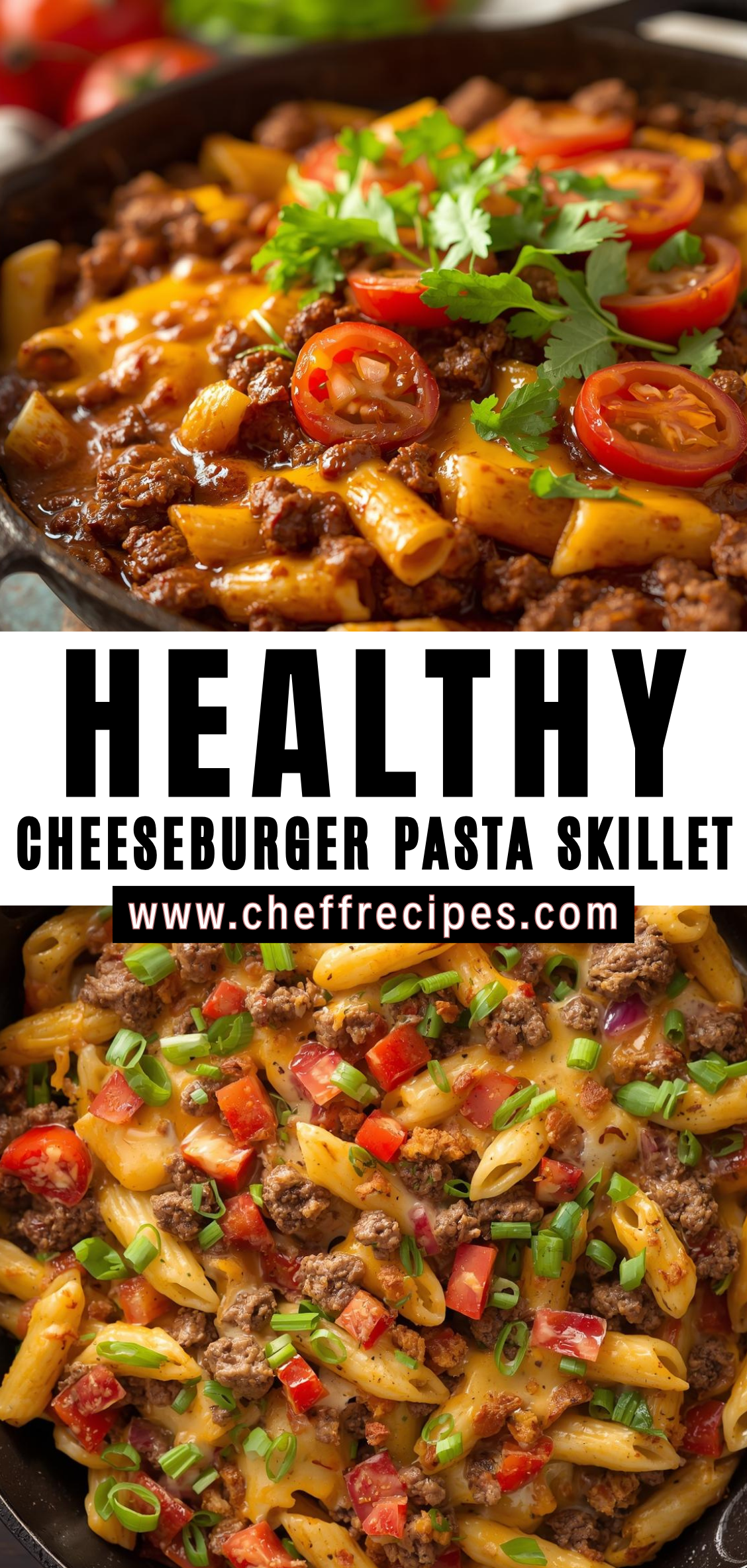
Enter the Healthy Cheeseburger Pasta Skillet: a dish that captures the essence of a cheeseburger while transforming it into something lighter, more nourishing, and infinitely easier to prepare. This recipe takes the familiar flavors of ground beef, onions, tomatoes, cheese, and spices and reimagines them in a one-pan, skillet-based format that is both hearty and wholesome. Instead of the heaviness associated with traditional cheeseburgers, this dish offers a balanced blend of lean protein, whole grains or high-fiber pasta, vegetables, and thoughtfully portioned cheese. The result is a meal that satisfies indulgent cravings without the post-meal sluggishness that often accompanies fast-food fare.
What makes this dish particularly appealing is its ability to marry comfort with practicality. It retains the nostalgic taste profile of a cheeseburger—savory beef, a hint of smokiness, the tang of ketchup or tomatoes, the richness of melted cheese—but it wraps these flavors into a pasta skillet that is adaptable, quick to prepare, and structured around whole ingredients. Because it cooks entirely in one pan, cleanup is minimal, making it an ideal recipe for busy families, working individuals, meal-preppers, and anyone who appreciates efficiency in the kitchen without compromising on taste.
The concept of a cheeseburger pasta skillet has grown in popularity in recent years, often appearing in convenience-food formats or as quick stovetop meals reliant on artificial flavors and sodium-heavy shortcuts. This recipe, however, takes a different approach. It embraces the fundamental culinary techniques that create authentic flavor—browning meat properly, layering spices gradually, incorporating vegetables for both substance and nutrition, and letting the sauce reduce naturally to concentrate taste. It avoids unnecessary additives and instead relies on real food to create depth and richness.
A significant strength of this dish lies in its versatility. It can easily be tailored to varying dietary needs or preferences without losing its identity. Lean ground turkey or chicken can be substituted for beef, whole wheat or chickpea pasta can be used to increase fiber and plant-based protein, and vegetables like bell peppers, tomatoes, spinach, zucchini, or mushrooms can be added to enhance nutritional value. Even the cheese can be adjusted—reduced, changed to a sharper variety for more flavor in smaller quantities, or swapped for dairy-free alternatives. This adaptability ensures that the dish feels inclusive rather than restrictive, suitable for families where members may have different dietary goals.
Another appealing feature of the Healthy Cheeseburger Pasta Skillet is its affordability. By using pantry staples and cost-effective ingredients, the recipe offers a budget-friendly alternative to takeout without sacrificing satisfaction. Many home cooks seek meals that stretch both their time and their food budget; this skillet does both. A modest amount of meat becomes the base for a filling, multi-portion meal; vegetables provide volume and nutrients; and pasta brings structure and comfort. The one-pan cooking method also minimizes energy use and reduces the number of ingredients required, keeping the recipe simple and approachable.
Despite its simplicity, this dish delivers a depth of flavor that feels far richer than the sum of its parts. Much of this comes from proper technique. Browning the onions and beef together develops fond—the caramelized bits at the bottom of the skillet that infuse the sauce with a slightly sweet, savory complexity. Adding spices in stages allows their aromas to bloom rather than remain muted. Allowing the sauce to simmer gently helps the flavors meld while ensuring the pasta absorbs the broth directly, making each bite more integrated and cohesive. And finally, melting the cheese at the end ties the entire dish together with creamy richness, echoing the familiar indulgence of a well-made cheeseburger without overwhelming the nutritional balance.
There is also something inherently comforting about one-skillet meals. They invite a style of cooking that is relaxed yet intentional, encouraging the cook to watch ingredients transform in real time—from raw aromatics to savory browning to bubbling sauce to a unified, satisfying dish. The visual appeal of the final meal—a skillet filled with tender pasta, vibrant vegetables, flecks of seasoning, and a gentle melt of cheese across the top—evokes homey comfort rather than restaurant formality. It is the kind of dish meant to be placed at the center of a table, passed around among family or friends, and enjoyed without pretense.
For many people, finding healthier versions of classic comfort dishes can be a challenge. Some recipes compromise too much, losing the character of the original dish. Others rely on overly complicated substitutions. This Healthy Cheeseburger Pasta Skillet strikes a balance between honoring the flavors of the classic cheeseburger and embracing a more balanced, nutrient-conscious approach to cooking. It shows that healthy eating does not require sacrificing familiarity or enjoyment—it simply asks for thoughtful preparation and the willingness to celebrate whole ingredients.
In the pages that follow, this recipe will be broken down step by step, offering guidance not only on how to prepare the dish but also on why each step matters. From choosing the right type of pasta to understanding how lean meats behave in a skillet, from layering flavors efficiently to harnessing the natural sweetness of vegetables, this article will provide the depth needed to master not only the recipe but also the culinary methods behind it. The goal is not just to give you instructions but to equip you with the confidence to adapt and recreate the dish in ways that suit your taste, lifestyle, and dietary preferences.
Whether you are seeking a healthier alternative to traditional comfort food, searching for an affordable and family-friendly meal, or simply looking for a recipe that delivers both nourishment and nostalgia, this Healthy Cheeseburger Pasta Skillet offers a satisfying solution. It is hearty without heaviness, familiar without being predictable, and nourishing without sacrificing the joy of rich, comforting flavor. And above all, it proves that the pursuit of healthier cooking can lead not to deprivation but to abundance—an abundance of flavor, texture, color, and the warm satisfaction that only a well-prepared skillet meal can bring.
Step-by-Step Instructions
How to Make a Healthy Cheeseburger Pasta Skillet
1. Prepare Your Ingredients and Workspace
A good skillet meal begins with careful preparation. Set out all the ingredients you will be using so the cooking process flows smoothly and efficiently. This mise en place not only helps you work with confidence but also ensures that each step is performed at the appropriate moment, preserving both flavor and texture.
Start by dicing one medium onion into small, even pieces. The onion will serve as the aromatic backbone of the dish, softening slowly and lending sweetness that helps balance the savory components. Mince two to three cloves of garlic, making sure to chop them finely so they integrate seamlessly into the sauce.
Depending on your preference, choose lean ground beef—typically 90 percent lean or higher—for a healthier version of a traditionally rich dish. Alternatively, you may opt for ground turkey or ground chicken, but for the classic cheeseburger flavor, lean beef is ideal.
Select pasta that complements the dish: whole wheat, high-fiber, or legume-based pasta provides a healthier nutritional profile while maintaining a pleasant bite. Shapes such as rotini, penne, or shells work well because they hold onto the sauce and integrate easily with the other ingredients.
Gather additional ingredients such as low-sodium broth, tomato paste, canned diced tomatoes, mustard, a small amount of ketchup or tomato sauce, and the cheese—preferably a stronger cheese like sharp cheddar so you can use less without losing flavor intensity. Measure out any spices you plan to use, such as paprika, garlic powder, onion powder, black pepper, and a pinch of chili powder if desired.
2. Begin by Sautéing the Aromatics
Place a large, heavy-bottomed skillet over medium heat and add a small drizzle of olive oil. Once the oil is heated and shimmering, add the diced onion. Allow it to cook slowly, stirring occasionally as it softens and turns translucent. The onion should not brown at this stage; rather, it should release its natural sweetness and form the fragrant base of the dish.
After three to five minutes, when the onions have become soft and aromatic, add the minced garlic. Garlic burns quickly, so stir continuously as it cooks for about 30 seconds to one minute. When you begin to smell its fragrant aroma—often described as nutty and slightly sweet—it is ready. Adding the garlic too early or cooking it for too long can introduce bitterness, which would conflict with the balanced flavor profile of this dish.
3. Brown the Lean Ground Beef
Increase the heat slightly to medium-high and add the lean ground beef directly to the skillet with the sautéed aromatics. Using a wooden spoon or spatula, break the beef into smaller pieces, spreading it evenly so it cooks uniformly. As the meat begins to brown, you will notice small, caramelized bits forming at the bottom of the skillet—this is fond, and it is packed with flavor that will later be incorporated into the sauce.
Allow the beef to brown deeply rather than merely turning it gray; this step is essential for developing richness, especially in a healthier recipe where fat content is lower. Proper browning compensates for reduced fat by providing savory depth.
Once the beef is fully browned, you may notice a small amount of liquid or rendered fat collecting in the skillet. If it is substantial, drain off some of the excess; however, a modest amount of liquid is not problematic because it contributes to the overall moisture of the sauce.
Season the beef lightly with salt, pepper, and a small portion of your seasoning blend. The initial seasoning enhances the flavor of the meat without overwhelming it.
4. Incorporate the Tomato Paste and Seasonings
With the beef and aromatics browned and seasoned, create a deeper flavor base by adding tomato paste. Push the browned beef to one side of the skillet, leaving an open space where you can add the tomato paste directly to the heat. Allow it to cook for one to two minutes, stirring occasionally. Cooking the tomato paste in this way caramelizes it slightly, reducing acidity and strengthening its natural sweetness.
Next, add your seasoning blend: paprika for warmth, garlic and onion powder for richness, black pepper for mild heat, and a pinch of chili powder if desired for spice. If you enjoy the classic tang of a cheeseburger, add a small amount of yellow mustard or Dijon mustard at this stage. You may also stir in a tablespoon of ketchup or tomato sauce—a small but effective addition that mirrors the familiar flavor profile of a cheeseburger.
Stir everything together so the tomato paste coats the beef evenly and the aromatics absorb the spices. You should see the mixture darken into a richer, more cohesive base.
5. Deglaze the Skillet and Build the Sauce
Once the seasonings are well incorporated, pour in a small splash of broth—vegetable, beef, or chicken, depending on what you have available. Use your spoon or spatula to scrape the bottom of the skillet, loosening the browned bits that have adhered to the pan. This deglazing step adds savory complexity to the sauce and prevents anything from burning during the simmering process.
Add the remaining broth in measured amounts to create the liquid foundation for cooking the pasta. Stir in a can of diced tomatoes, including their juices. These tomatoes provide acidity and natural moisture, helping to balance the richness of the cheese and beef.
Bring the mixture to a gentle simmer. The heat should be high enough for bubbles to form consistently but not so vigorous that the mixture reduces too quickly. Allow it to simmer for several minutes so the flavors begin to meld.
6. Add the Pasta and Simmer
Add your chosen pasta directly to the skillet, stirring well to ensure all pieces are submerged in the sauce. Because this recipe cooks the pasta in the same skillet as the sauce, the pasta absorbs flavor as it cooks. It also releases some of its starches into the sauce, helping it thicken naturally without requiring heavy cream or extra cheese.
Keep the heat at a gentle simmer and cover the skillet with a lid. Stir occasionally to prevent pasta from sticking to the bottom or clustering together. Cooking times will vary depending on the type of pasta chosen—traditional semolina pasta may take 10 to 12 minutes, while whole wheat or legume-based versions might require slightly different timing. Follow the package instructions as a guide but rely on taste and texture to determine when the pasta is done.
If the sauce becomes too thick before the pasta is fully cooked, add small amounts of broth gradually, stirring until it reaches the consistency you prefer.
7. Adjust Seasoning and Consistency
As the pasta nears completion, taste the skillet contents and adjust the seasoning as needed. If the dish tastes flat, a pinch of salt or a small splash of vinegar can brighten the flavors. If you prefer a richer, deeper tone, add a touch more paprika or pepper. The goal is to find a balanced profile that evokes the familiar essence of a cheeseburger while maintaining the wholesome character of the meal.
The sauce should be moderately thick—creamy enough to cling to the pasta but not so thick that it becomes dense. Adjust the texture to your liking by adding a splash of broth to thin it or simmering uncovered for a few minutes to reduce excess liquid.
8. Add the Cheese and Melt It Gently
Once the pasta is cooked to al dente perfection and the sauce is thickened, reduce the heat to low. Sprinkle your cheese—preferably a small amount of sharp cheddar or a blend of reduced-fat cheeses—over the top of the skillet. Cover the pan once more and let the cheese melt slowly.
Allowing the cheese to melt gently rather than vigorously bubbling ensures a creamy texture without separating or becoming greasy. The cheese should integrate smoothly into the dish, creating a melted, comforting finish that echoes the experience of biting into a classic cheeseburger.
If you want the skillet to take on a casserole-like quality, you may also place it under a broiler for one to two minutes to lightly brown the cheese, but this step is optional.
9. Add Fresh Garnishes for Brightness
To balance the richness of the pasta and cheese, add fresh elements just before serving. Chopped parsley or green onions provide color and contrast. Diced tomatoes or shredded lettuce can be added to mimic the toppings of a traditional cheeseburger while enhancing freshness and nutritional value.
If you enjoy a sharper flavor, add a small amount of pickles or relish to the finished dish. This addition creates an unmistakable cheeseburger profile but remains harmonious with the pasta.
10. Rest, Serve, and Enjoy
Once all the components are integrated, allow the skillet to rest for a few minutes off the heat. This settling time lets the sauce thicken slightly, ensuring every bite is cohesive and well-balanced.
Serve the Healthy Cheeseburger Pasta Skillet directly from the skillet for a rustic, family-style presentation. It pairs beautifully with fresh salads, roasted vegetables, or simple steamed greens to round out a nutritious meal.
Whether enjoyed as a weeknight dinner, a meal-prep staple, or a comforting dish shared with family, this skillet offers the warmth of comfort food with a lighter, health-conscious approach.
Healthy Cheeseburger Pasta Skillet
Comfort food has a remarkable way of weaving itself into the rhythm of everyday life. It is there on busy weeknights when time is short, on quiet evenings when something warm and satisfying is needed, and during family gatherings when the table becomes a place of connection rather than performance.
Ingredients
- 1 lb (450 g) lean ground beef (93% lean or higher)
- 1 small onion, diced
- 2 cloves garlic, minced
- 1 cup whole-wheat or high-protein pasta (uncooked; elbows or rotini work well)
- 2 cups low-sodium beef broth
- 1 (14–15 oz) can diced tomatoes (no salt added preferred)
- 1 tbsp tomato paste
- 1 tbsp Worcestershire sauce
- 1 tsp paprika
- ½ tsp mustard powder (or 1 tsp yellow mustard)
- Salt and pepper to taste
- ¾–1 cup reduced-fat shredded cheddar cheese
- ¼ cup plain Greek yogurt or light sour cream (optional for creaminess)
- Chopped parsley or green onions for garnish
Instructions
1. Cook the Beef
- Heat a large skillet over medium heat.
- Add the lean ground beef and cook until browned, breaking it up as it cooks.
- Drain excess fat if needed.
- Season lightly with salt and pepper.
2. Sauté the Aromatics
- Add the diced onion to the skillet and cook for 3–4 minutes until softened.
- Stir in the minced garlic and cook for 30 seconds.
3. Add the Flavor Base
- Mix in tomato paste, Worcestershire sauce, paprika, and mustard powder (or mustard).
- Cook for 1 minute to deepen the flavors.
4. Build the Skillet
- Add the uncooked pasta directly to the skillet.
- Pour in the diced tomatoes and beef broth.
- Stir well, bring to a simmer, then reduce heat to medium-low.
5. Cook the Pasta
- Cover the skillet and let simmer for 10–12 minutes, stirring occasionally, until pasta is tender and liquid is mostly absorbed.
- Add a splash more broth or water if needed.
6. Add the “Cheeseburger” Finish
- Stir in the shredded cheddar cheese until melted and creamy.
- For extra creaminess, mix in Greek yogurt or light sour cream.
- Taste and adjust salt and pepper.
7. Serve
- Spoon into bowls and garnish with parsley or green onions.
- Serve hot.
Notes
- Lighter option: Swap beef for ground turkey or chicken.
- More veggies: Add 1 cup finely chopped zucchini, bell peppers, or spinach while simmering.
- Gluten-free: Use gluten-free pasta but reduce cooking time slightly.
- Cheesier: Add a sprinkle of cheese on top before serving.
- Meal prep friendly: Reheats well; add a splash of broth when reheating if it thickens.