In an age where busy schedules often dictate what ends up on our plates, the Healthy Chicken Bowl has emerged as a modern culinary solution—combining convenience, nutrition, and flavor in a single, versatile dish. This recipe embodies the essence of balance: it offers a wholesome source of protein, a vibrant array of vegetables, and carefully chosen grains or bases, all harmoniously arranged in a single serving bowl. What makes a chicken bowl truly satisfying is not just its nutritional content, but the thoughtfulness in the layering of flavors, textures, and colors, transforming a simple meal into a vibrant, crave-worthy experience.
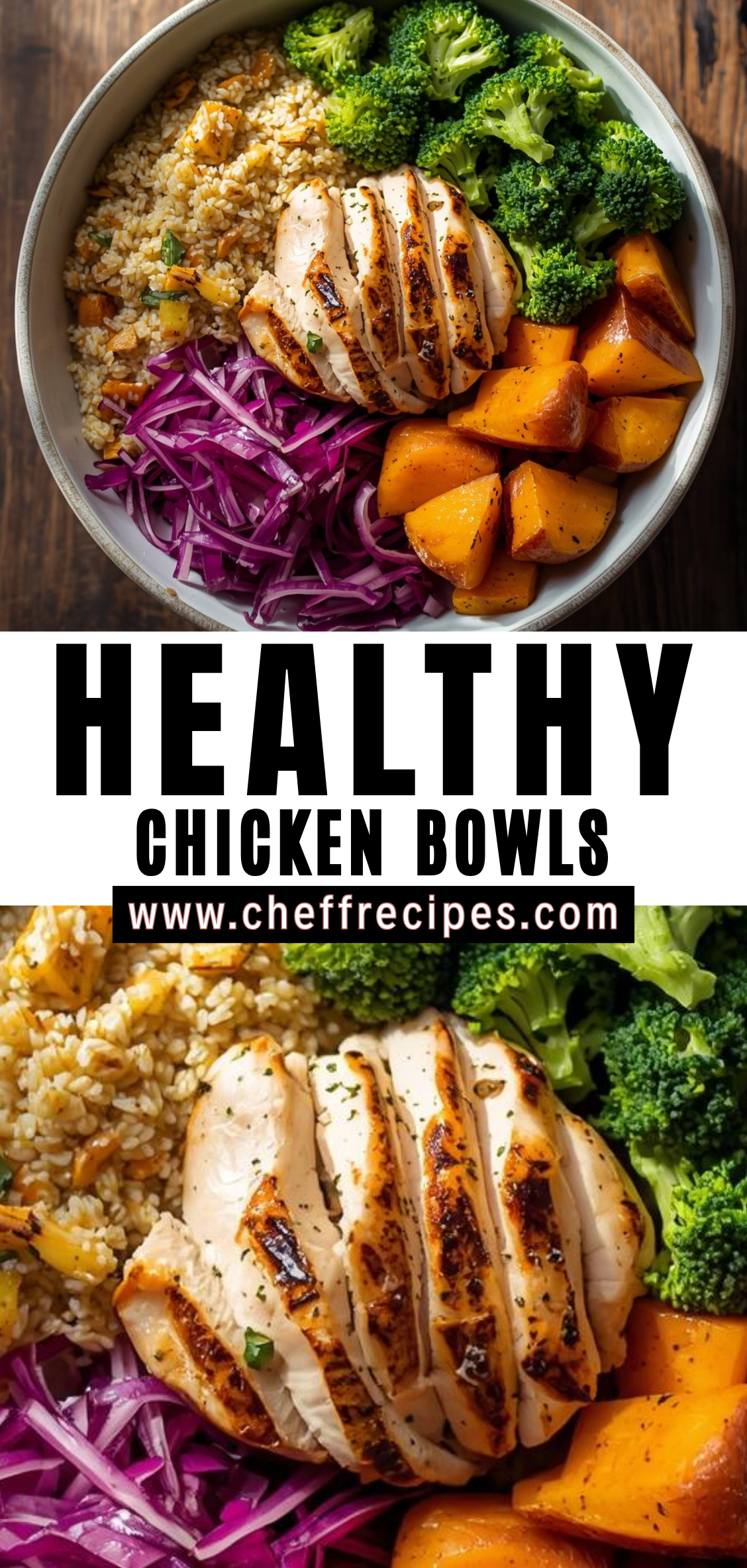
At its core, the Healthy Chicken Bowl is a celebration of balance. The chicken provides lean, high-quality protein, essential for satiety and muscle maintenance, while the vegetables contribute fiber, vitamins, and antioxidants, forming a nutrient-dense foundation. Whether you choose leafy greens, roasted root vegetables, or crisp seasonal produce, the vegetable component introduces both visual appeal and textural contrast. A thoughtfully chosen grain or alternative, such as quinoa, brown rice, cauliflower rice, or farro, creates a base that is both filling and adaptable, absorbing the flavors of dressings, sauces, or the natural juices from the cooked chicken.
The beauty of this dish lies in its adaptability. Unlike many traditional meals that adhere to rigid recipes, the Healthy Chicken Bowl invites personalization. One can rotate proteins—grilled, baked, poached, or pan-seared chicken—based on preference and convenience. Toppings can range from crunchy seeds, toasted nuts, or avocado slices, to fermented vegetables such as kimchi for tang and depth. Dressings and sauces provide yet another layer of flexibility, from light vinaigrettes and tahini-based sauces to creamy yogurt dressings or a simple drizzle of lemon and olive oil. Each choice alters the experience, yet the core philosophy remains the same: nutrient-dense, balanced, and satisfying.
Beyond individual components, the Healthy Chicken Bowl is a study in harmony. Textural contrasts are as important as flavor. The tenderness of the cooked chicken contrasts with the crispness of fresh vegetables. The chew of grains complements the creaminess of avocado or yogurt-based sauces. A sprinkle of seeds or nuts adds a gentle crunch that keeps each bite engaging. These elements together create a multisensory experience: sight, aroma, texture, and taste all working in concert.
Nutritionally, this dish aligns with contemporary approaches to balanced eating. It provides protein without excessive fat, fiber for digestive health, and a spectrum of vitamins and minerals from the vegetables. By including healthy fats—through olive oil, avocado, nuts, or seeds—it supports satiety and nutrient absorption. Complex carbohydrates from grains or legumes provide sustained energy, making the dish suitable for meals at any time of day. It is a recipe that encourages mindful eating without feeling restrictive, appealing to health-conscious individuals as well as those seeking convenient, flavorful meals.
Another strength of the Healthy Chicken Bowl is its accessibility. Ingredients are widely available and can often be prepped in advance. This makes it ideal for meal prepping, weekly planning, or impromptu dinners. With simple techniques like roasting, grilling, or pan-searing, one can transform raw ingredients into a colorful, appetizing bowl that is as visually satisfying as it is flavorful. The ease of preparation does not compromise quality; instead, it allows cooks to focus on layering flavor and texture deliberately, turning a practical meal into a culinary accomplishment.
The dish also encourages culinary creativity and exploration. One week, the bowl may feature Mediterranean-inspired ingredients with olives, tomatoes, and tzatziki. The next, it may lean toward Asian flavors, with steamed bok choy, shredded carrots, sesame seeds, and a soy-ginger dressing. Another variation might highlight Latin influences with black beans, roasted corn, avocado, and a cilantro-lime sauce. In this sense, the Healthy Chicken Bowl is not just a recipe—it is a framework for flavor exploration and cultural fusion.
From a practical standpoint, this recipe exemplifies modern, health-oriented cooking. It prioritizes whole foods, minimizes processed ingredients, and promotes a balanced distribution of macronutrients. It is visually appealing, satisfying, and versatile enough to accommodate dietary restrictions or preferences, whether gluten-free, dairy-free, or lower in carbohydrates. By teaching foundational preparation techniques—properly cooking chicken for juiciness, roasting or steaming vegetables to preserve nutrients, and crafting a balanced dressing—the recipe also empowers cooks to adapt and innovate confidently.
Finally, the Healthy Chicken Bowl is more than just nourishment; it is an experience. The act of layering ingredients thoughtfully into a bowl, drizzling sauces with care, and garnishing with seeds, herbs, or citrus, transforms the meal into a ritual. It invites mindfulness and appreciation, elevating an everyday dish into something special. It is proof that healthy eating need not be monotonous or uninspired; when executed thoughtfully, it can be vibrant, comforting, and deeply satisfying.
As we move into the full recipe, each step will guide you through selecting and preparing the perfect combination of chicken, grains, vegetables, and sauces. Attention to technique—cooking chicken to perfect tenderness, roasting vegetables to maximize flavor, and balancing seasonings—is crucial to creating a bowl that is both wholesome and indulgent in taste. From preparation to assembly, this dish emphasizes harmony, flavor, and nutrition, resulting in a meal that can be enjoyed by the entire family or savored individually.
Instructions
1. Prepare Your Kitchen and Ingredients
Before starting, take a few moments to organize your workspace. Healthy chicken bowls are simple in concept, but the key to success lies in preparation. Clear your countertops and ensure you have all essential tools: cutting boards, sharp knives, measuring spoons, mixing bowls, a skillet or grill pan, a sheet pan for roasting vegetables, tongs, and a large serving bowl for assembly.
Next, measure and prepare your ingredients. Chop vegetables into uniform sizes for even cooking. Slice peppers, carrots, zucchini, or broccoli into bite-sized pieces. Wash leafy greens thoroughly and spin them dry. Pat the chicken dry to promote browning, and season it ahead of time with salt, pepper, and optional spices such as smoked paprika, garlic powder, or cumin. Prepping all ingredients before cooking ensures a smooth workflow and prevents overcooking any single component.
2. Cook the Chicken Perfectly
Start with the protein, which is the foundation of the bowl. Heat a tablespoon of olive oil in a large skillet over medium-high heat. When the oil shimmers, carefully add the seasoned chicken. Let the chicken sear undisturbed for 4–5 minutes on one side. This will create a golden-brown crust that enhances flavor through the Maillard reaction.
Flip the chicken and sear the other side for another 4–5 minutes. Reduce heat to medium, cover the skillet, and allow the chicken to cook through until it reaches an internal temperature of 165°F (74°C). Depending on thickness, this may take an additional 5–10 minutes.
Once cooked, transfer the chicken to a plate and let it rest for 5 minutes. Resting preserves juiciness and ensures that slicing will produce clean, tender pieces rather than drying out the meat.
3. Roast or Steam Vegetables
While the chicken rests, prepare your vegetables. For roasting, preheat your oven to 425°F (220°C) and line a baking sheet with parchment paper. Toss vegetables such as carrots, broccoli, zucchini, or bell peppers with olive oil, salt, pepper, and optional herbs like thyme or rosemary. Spread them in a single layer to ensure even roasting. Roast for 15–20 minutes, flipping halfway, until tender with lightly caramelized edges.
For a lighter approach, vegetables can also be steamed. Add a few inches of water to a pot with a steamer basket. Bring to a gentle boil and add the vegetables. Cover and steam until tender-crisp, approximately 5–8 minutes depending on the type and size of vegetables. Avoid overcooking; vegetables should retain color, crunch, and nutrients.
4. Prepare the Grain Base
Choose a wholesome grain such as quinoa, brown rice, farro, or cauliflower rice for a lower-carb option. Cook grains according to package instructions. For quinoa or rice, rinse thoroughly before cooking to remove excess starch, which ensures fluffier results.
For added flavor, cook grains in low-sodium chicken or vegetable broth instead of water. Once cooked, fluff with a fork to prevent clumping and keep them light for layering in the bowl. Portion the grains into the base of your serving bowls as the first layer of the meal.
5. Make the Dressing or Sauce
A flavorful dressing ties all the elements together. For a simple, healthy option, whisk together olive oil, lemon juice, Dijon mustard, minced garlic, honey or maple syrup, salt, and pepper. For a creamy alternative, combine Greek yogurt with lemon juice, garlic, and a touch of tahini or avocado.
Prepare the dressing in advance so it can be drizzled over the bowl just before serving. Taste and adjust seasoning to ensure balance—dressing should be bright enough to lift the vegetables and grains while complementing the chicken.
6. Assemble the Bowls
Start by placing a portion of cooked grains into the bottom of each bowl. Next, add the roasted or steamed vegetables, arranging them in sections or mixed according to aesthetic preference. Slice the rested chicken into strips or bite-sized pieces and layer on top.
Add leafy greens such as spinach, arugula, or romaine for color and freshness. Scatter optional toppings like avocado slices, chopped nuts, seeds, or pickled vegetables for texture and added nutrients.
Finally, drizzle the prepared dressing over the entire bowl, ensuring each component is lightly coated. If desired, sprinkle with fresh herbs such as cilantro, parsley, or chives for brightness and aroma.
7. Optional Garnishes and Flavor Enhancers
To elevate the flavor, consider a few finishing touches. A squeeze of fresh lemon or lime adds acidity that brightens the dish. Toasted sesame seeds, pumpkin seeds, or slivered almonds contribute crunch and depth. For heat, a dash of chili flakes or a few slices of fresh jalapeño can add complexity without overpowering the natural flavors.
8. Serving and Storage
Serve immediately while the chicken is warm and the vegetables retain their vibrant colors. For meal prep, divide components into airtight containers, keeping grains, vegetables, chicken, and dressing separate until ready to eat. This preserves texture and freshness. When ready to enjoy, reheat the chicken and vegetables if desired, then assemble the bowl with fresh greens and dressing.
9. Tips for Perfect Healthy Chicken Bowls
-
Uniform cutting: Cut vegetables and chicken into uniform pieces for even cooking and consistent texture.
-
Do not overcrowd the pan: For proper searing and roasting, keep ingredients in a single layer.
-
Rest the chicken: Allows juices to redistribute for maximum tenderness.
-
Balance flavors: Incorporate contrasting elements—sweet, salty, acidic, and umami—for a dynamic bowl.
-
Layer textures: Combine creamy, crunchy, tender, and crisp elements to enhance each bite.
Healthy Chicken Bowls
In an age where busy schedules often dictate what ends up on our plates, the Healthy Chicken Bowl has emerged as a modern culinary solution—combining convenience, nutrition, and flavor in a single, versatile dish.
Ingredients
- 1 lb (450 g) boneless, skinless chicken breasts, cut into bite-sized pieces
- 1 tablespoon olive oil
- 1 teaspoon garlic powder
- 1 teaspoon paprika
- ½ teaspoon salt
- ½ teaspoon black pepper
- 2 cups cooked brown rice or quinoa
- 1 cup broccoli florets, steamed
- 1 cup bell peppers, sliced and sautéed
- 1 cup shredded carrots
- ½ cup cherry tomatoes, halved
- ¼ cup hummus or Greek yogurt (optional, for topping)
- 2 tablespoons chopped fresh parsley or cilantro (optional, for garnish)
Instructions
Cook the Chicken
- Heat olive oil in a large skillet over medium-high heat.
- Season chicken with garlic powder, paprika, salt, and pepper.
- Cook chicken for 6–8 minutes, stirring occasionally, until fully cooked and lightly browned.
- Remove from heat and set aside.
Prepare the Vegetables
- Steam broccoli until tender (about 4–5 minutes).
- In a separate skillet, sauté bell peppers for 3–4 minutes until slightly softened.
Assemble the Bowls
- Divide cooked rice or quinoa evenly among 4 bowls.
- Top each bowl with cooked chicken, steamed broccoli, sautéed bell peppers, shredded carrots, and cherry tomatoes.
Add Toppings
- Add a dollop of hummus or Greek yogurt to each bowl if desired.
- Sprinkle with fresh parsley or cilantro for garnish.
Notes
- You can swap vegetables with zucchini, spinach, or cauliflower rice for variation.
- For extra flavor, drizzle a little lemon juice or your favorite low-calorie dressing over the bowl.
- For a spicier version, add a pinch of chili flakes or hot sauce.