Shrimp has long held a special place in the world of home cooking, straddling an enviable line between elegance and everyday comfort. It cooks with such remarkable speed that even the busiest home cooks can bring it to the table in minutes, yet its naturally sweet, briny flavor offers the kind of sophistication associated with restaurant-quality dishes. Among the many ways to prepare shrimp, few methods are as universally appealing, visually inviting, and aromatically rewarding as cooking it gently in garlic herb butter brightened with freshly squeezed lemon. In this recipe, simple ingredients combine with careful technique to produce a dish that is both luxurious and uncomplicated, a reminder that remarkable food can emerge from modest beginnings.
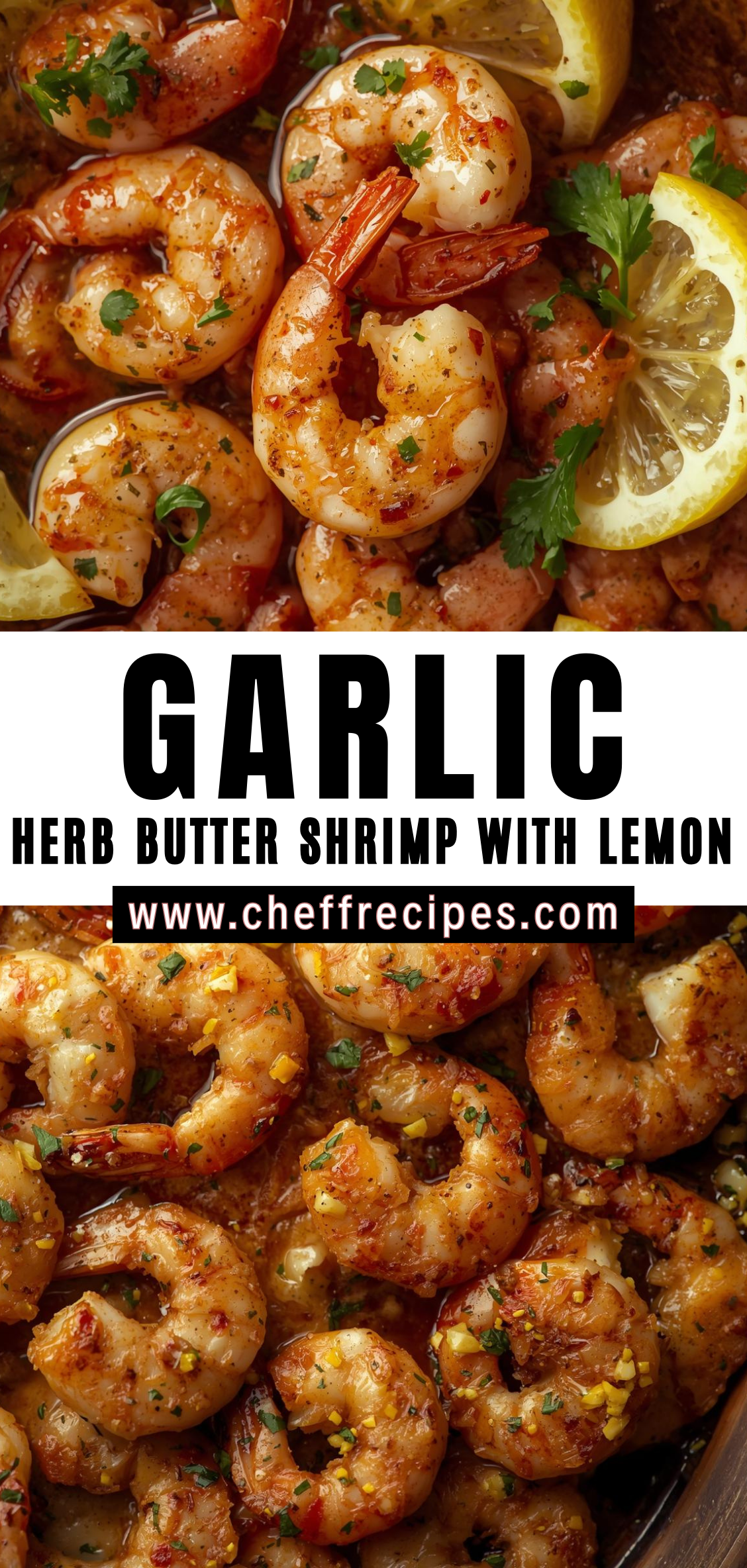
The appeal of Garlic Herb Butter Shrimp with Lemon lies not only in its flavor profile but in the delightful contrasts it presents. Shrimp, when cooked correctly, achieves a delicate snap—a balance between tenderness and firmness that marks perfectly executed seafood. Butter provides richness and body, transforming the natural pan juices into a velvety sauce that clings to each piece. Garlic, warmed in the fat, evolves from its characteristic pungency into a mellow, fragrant underpinning that enriches without overwhelming. Fresh herbs, added with intention, layer in a bright, leafy complexity that lifts the dish from simple to sublime. And then there is the lemon: sharp, clean, and decisive, cutting through the butter with a bright acidity that awakens the palate and keeps the dish from ever feeling heavy.
What makes this preparation especially enticing for cooks of all skill levels is the balance between technique and forgiveness. Shrimp demands attention because it can overcook quickly, but the overall process is straightforward and rewarding. Each step invites the cook to engage the senses—listening for the faint sizzle as the butter melts, watching for the first hint of golden color around the garlic, noticing the subtle shift of shrimp from translucent to blushing pink. These are small, intimate cues that elevate the experience from mere preparation to something more mindful and intentional. It is a dish that encourages presence in the kitchen, not because it is difficult, but because it celebrates the art of paying attention.
Furthermore, this recipe is wonderfully versatile. It stands confidently on its own as a centerpiece served alongside crusty bread to mop up every spoonful of sauce. It partners beautifully with pasta, rice, quinoa, roasted vegetables, or a simple green salad. It can be the star of a casual weeknight dinner or serve as the opening course of a more elaborate gathering. Its inherent flexibility allows it to adapt to the needs and creativity of the cook, making it a reliable addition to any culinary repertoire.
In creating this recipe, we focus not only on flavor but on the experience of cooking and eating. The aromas that fill the kitchen as butter meets garlic are instantly comforting; the vivid colors of the shrimp, herbs, and lemon create a sense of vibrancy and freshness; the finished dish offers a harmony of richness and brightness that satisfies without overwhelming. This is food meant to be shared, enjoyed, and remembered.
In the pages that follow, we will explore every aspect of Garlic Herb Butter Shrimp with Lemon in detail. From ingredient selection and preparation techniques to serving ideas, flavor variations, common mistakes, and expert tips, the goal is to provide a comprehensive, thoughtful guide that enriches both understanding and enjoyment. Whether you are new to cooking shrimp or seek to refine your technique, this recipe offers an opportunity to appreciate how thoughtful preparation can transform a handful of simple ingredients into something deeply savory and memorable.
Step-by-Step Instructions: Detailed Method
1. Prepare and Inspect the Shrimp
Before any heat touches the pan, take a moment to evaluate your shrimp. Whether using fresh or thawed frozen shrimp, quality begins with careful preparation.
-
Pat dry thoroughly.
Excess moisture prevents browning and can cause the butter to sputter. Lay the shrimp on a paper towel–lined tray and press gently with additional towels. The surface should feel dry to the touch. -
Check for remaining shells or veins.
Even pre-cleaned shrimp sometimes retain small shell fragments or the last section of vein near the tail. Run your fingers lightly along the curve of each shrimp, inspecting for anything that needs removal. -
Season lightly.
Sprinkle the shrimp with a modest pinch of kosher salt and freshly cracked black pepper. This initial seasoning helps the shrimp develop a baseline savoriness before entering the pan.
At this stage, you should have shrimp that are dry, evenly seasoned, and ready to cook. Preparing them with care ensures that each piece cooks uniformly and absorbs the flavors of the garlic herb butter more effectively.
2. Prepare the Aromatics and Herbs
A key characteristic of this dish is the way the aromatics infuse the butter with layered flavor.
-
Mince the garlic finely.
Aim for even, small pieces. Coarse or irregular garlic may brown unevenly, leading to bitterness. The goal is for the garlic to soften gently in the butter, releasing fragrance without burning. -
Chop the herbs.
Parsley, chives, thyme, and fresh basil all contribute different qualities. Keep the herbs distinct until the end; some will be added early for infusion, others will be folded in at the final moment for brightness.-
Parsley: Adds a clean, green freshness.
-
Thyme: Provides depth and a subtle earthiness.
-
Basil (optional): Offers sweet, aromatic notes that complement the lemon.
-
-
Prepare lemon zest and juice.
Use a microplane to remove a thin layer of zest from the lemon. The aroma from the zest provides a subtle perfume that enriches the dish without adding acidity. Juice the lemon separately and set aside.
By prepping these components before cooking begins, you allow yourself to work fluidly and prevent any delays that could cause overcooking.
3. Heat the Pan and Create the Butter Base
Shrimp cook quickly, so establishing the proper base in the pan is essential.
-
Choose the right pan.
A wide stainless-steel skillet or cast-iron pan works best. Nonstick pans are acceptable but do not encourage the same level of browning. -
Melt the butter gently.
Place the pan over medium heat and add the butter. Allow it to melt slowly. The goal is to avoid browning the butter too early, as it will continue to cook throughout the process. -
Add olive oil (optional).
A tablespoon of olive oil helps stabilize the butter’s temperature, preventing premature browning and allowing for a longer infusion time. -
Infuse with garlic.
Once the butter is fully melted, add the minced garlic. Stir gently as it softens. The garlic should turn lightly golden around the edges but never dark brown. This stage sets the flavor foundation. -
Incorporate early herbs.
Add a small pinch of thyme or other woody herbs. These herbs tolerate heat well and will release their oils into the butter, enriching it with savory depth.
Allow the butter mixture to simmer softly for 30 to 60 seconds. This step is one of the most aromatic parts of the process and signals that the base is ready to welcome the shrimp.
4. Sear the Shrimp
Now the shrimp enter the pan, and timing becomes important.
-
Increase heat slightly.
Raise to medium-high. The shrimp need direct, steady heat to develop color without steaming. -
Add the shrimp in a single layer.
Avoid overcrowding. Each shrimp should have direct contact with the pan’s surface. If necessary, cook in batches. -
Allow the first side to cook undisturbed.
This encourages light browning and prevents tearing. After 1 to 2 minutes, you should see the edges beginning to turn pink and opaque. -
Flip gently.
Use tongs or a silicone spatula to flip each shrimp individually. Cook for an additional 1 to 2 minutes. Shrimp will curve slightly and become opaque with a warm pink hue. -
Monitor closely for doneness.
Perfectly cooked shrimp are firm, slightly springy, and maintain a natural gloss. Overcooked shrimp, by contrast, tighten into a tight C-shape and take on a rubbery texture. Aim for a gentle curve shaped like a backward C.
Once the shrimp are just shy of fully cooked, move immediately to the next step. Carryover heat will finish the job.
5. Build the Lemon Herb Sauce
With the shrimp nearly finished, it is time to bring the dish together.
-
Lower the heat to medium-low.
This prevents the garlic from darkening during the final steps. -
Deglaze with lemon juice.
Pour in the freshly squeezed lemon juice. The liquid will bubble as it lifts the fond—the browned bits—from the bottom of the pan. Use a spatula to gently scrape and incorporate this flavor into the sauce. -
Swirl the pan.
Let the butter, garlic, and lemon combine into a glossy, cohesive sauce. The aroma at this moment should be bright and inviting. -
Fold in fresh herbs.
Add the chopped parsley, chives, or basil. The herbs will wilt slightly in the residual heat, contributing vibrant color and fresh flavor. -
Add lemon zest.
Sprinkle the zest over the shrimp. The zest should remain aromatic and vivid rather than cooked down, contributing a bright citrus essence.
Taste the sauce and adjust seasoning as needed. A pinch of salt or a small splash of additional lemon juice may be appropriate depending on your preference.
6. Final Coating and Resting
-
Coat evenly.
Toss the shrimp in the sauce using a gentle folding motion. Each shrimp should be fully coated in the butter mixture. -
Rest briefly.
Remove from heat and let the shrimp sit for one to two minutes. This rest allows flavors to settle and gives the sauce a chance to thicken slightly as it cools. -
Taste again.
Make any final adjustments before serving. Sometimes a light dusting of herbs or a final squeeze of lemon enhances the presentation and balance.
7. Serve Immediately
Shrimp are at their best moments after cooking. Serve them while the sauce is still warm and aromatic. Whether paired with crusty bread, tossed with pasta, spooned over rice, or served as an elegant appetizer, the dish offers a perfect balance of richness, brightness, and freshness.
Garlic Herb Butter Shrimp with Lemon
Shrimp has long held a special place in the world of home cooking, straddling an enviable line between elegance and everyday comfort. It cooks with such remarkable speed that even the busiest home cooks can bring it to the table in minutes, yet its naturally sweet, briny flavor offers the kind of sophistication associated with restaurant-quality dishes.
Ingredients
- 1 lb (450g) large shrimp, peeled and deveined
- 3 tbsp unsalted butter
- 1 tbsp olive oil
- 4 cloves garlic, minced
- 1 tsp Italian seasoning (or a mix of thyme, oregano & basil)
- ¼ cup fresh parsley, chopped
- 1 tbsp fresh thyme or ½ tsp dried thyme (optional)
- Zest of 1 lemon
- Juice of ½–1 lemon (to taste)
- Salt and black pepper, to taste
- ¼ tsp crushed red pepper flakes (optional)
- Lemon wedges, for serving
Instructions
1. Prepare the Shrimp
- Pat the shrimp dry with paper towels to help them sear properly.
- Season lightly with salt and black pepper.
2. Sauté the Shrimp
- Heat the olive oil and 1 tablespoon of butter in a large skillet over medium-high heat.
- Add the shrimp in a single layer and cook for 1–2 minutes per side, until just turning pink.
- Transfer the shrimp to a plate and set aside.
3. Make the Garlic Herb Butter Sauce
- Reduce heat to medium and add the remaining butter to the skillet.
- Stir in the garlic, Italian seasoning, red pepper flakes (if using), and lemon zest.
- Cook for 30–45 seconds until fragrant, being careful not to burn the garlic.
4. Combine Everything
- Return the shrimp to the pan and toss to coat in the sauce.
- Add the lemon juice and chopped parsley, stirring until shrimp are fully cooked and coated.
- Taste and adjust seasoning with additional salt, pepper, or lemon juice as needed.
5. Serve
- Serve warm with lemon wedges on the side.
Notes
- For a richer flavor, add a splash of white wine to the skillet before the garlic and let it cook down.
- Great served over pasta, rice, mashed potatoes, or steamed vegetables.
- Do not overcook the shrimp—they turn rubbery quickly. Remove them from the heat as soon as they’re opaque and pink.
- You can use frozen shrimp; just thaw and pat dry before cooking.