Lemon Garlic Shrimp Pasta With Spinach is a dish that effortlessly bridges the gap between simplicity and sophistication. It is light yet satisfying, fresh yet comforting, and quick enough for a weeknight while elegant enough for entertaining.
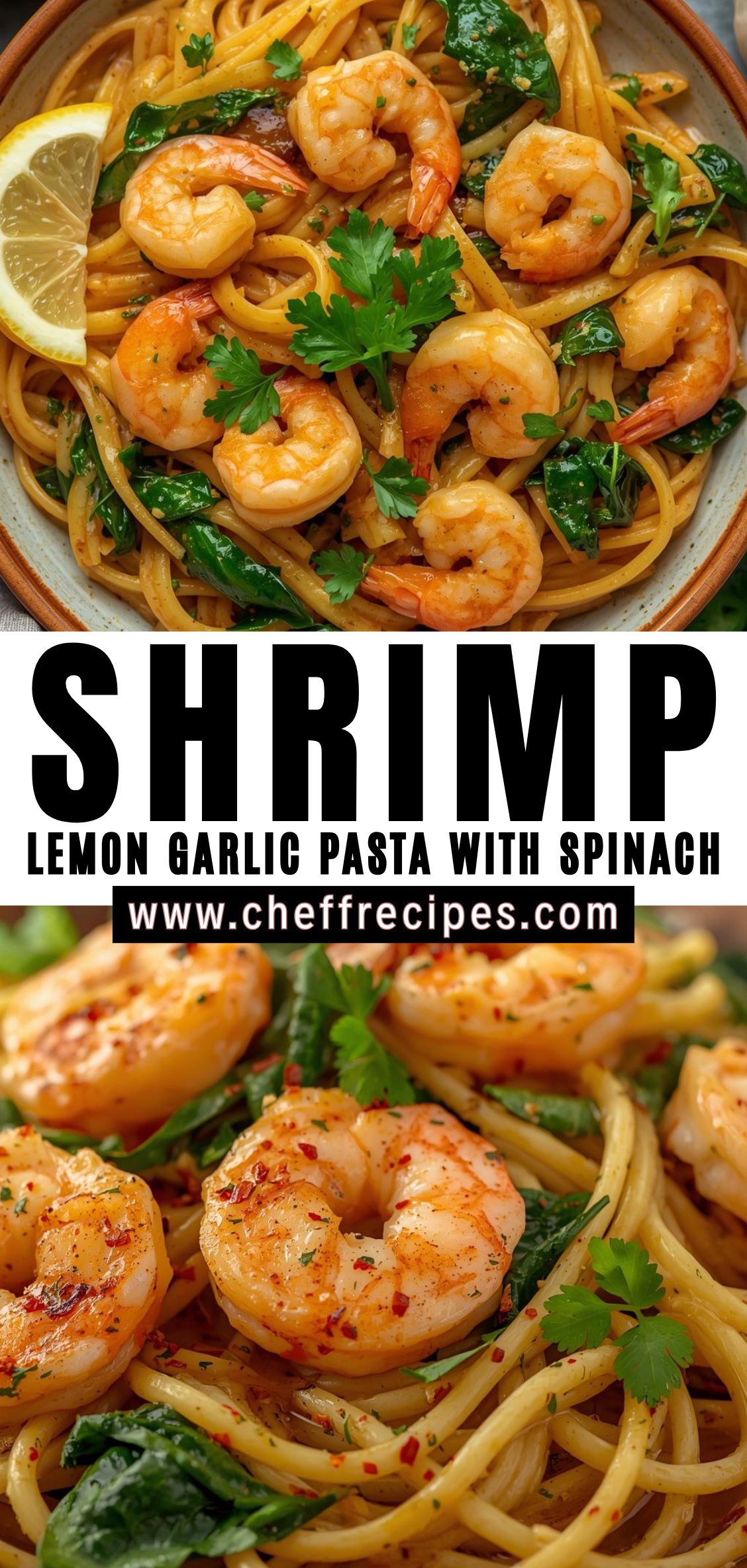
This recipe relies on a short list of ingredients, but each one plays a precise role in creating balance, brightness, and depth of flavor. In this long-form guide, you will not only learn how to make Lemon Garlic Shrimp Pasta With Spinach but also understand why each step matters, how to adjust it to your taste, and how to consistently achieve restaurant-quality results at home. This is not just a recipe; it is a masterclass in timing, flavor layering, and thoughtful cooking.
The Essence of Lemon Garlic Shrimp Pasta With Spinach
At its core, this dish is about harmony. The shrimp bring sweetness and delicate seafood richness, garlic provides aromatic intensity, lemon delivers acidity and freshness, pasta adds comfort and structure, and spinach contributes color, nutrition, and a subtle earthy note. Unlike heavy cream-based pasta dishes, this recipe relies on olive oil, pasta water, and lemon juice to create a light, silky sauce that coats the noodles without overwhelming them. The result is a dish that feels indulgent yet clean, satisfying yet never heavy.
Why This Dish Is So Popular
Lemon Garlic Shrimp Pasta With Spinach has earned its popularity because it checks so many boxes. It is fast, typically coming together in under thirty minutes. It uses widely available ingredients. It appeals to a broad range of palates, from seafood lovers to those seeking lighter meals. It also adapts easily to dietary preferences, allowing for gluten-free pasta, whole wheat pasta, or additional vegetables without compromising its identity.
Choosing the Right Shrimp
Shrimp Size and Quality
Medium to large shrimp are ideal for this recipe. They provide a satisfying bite and are less likely to overcook than smaller shrimp. Fresh shrimp are excellent if available, but frozen shrimp are often more practical and can be just as flavorful when properly thawed. Look for shrimp that are firm, translucent, and free from strong odors.
Peeled and Deveined Shrimp
Using peeled and deveined shrimp saves time and improves texture. Removing the tails makes the dish easier to eat, especially since this is a fork-twirled pasta dish rather than finger food.
Seasoning the Shrimp
Shrimp should be lightly seasoned with salt and pepper before cooking. This simple step enhances their natural sweetness and ensures they are flavorful even before being combined with the pasta and sauce.
Pasta Selection and Its Importance
Best Pasta Shapes for This Dish
Long pasta shapes such as linguine, spaghetti, or fettuccine are ideal because they hold the lemon garlic sauce well and intertwine beautifully with shrimp and spinach. Short pasta can be used, but the eating experience is different and slightly less elegant.
Cooking Pasta Properly
Pasta should be cooked in generously salted water until al dente. This seasoning step is crucial because it is the only chance to flavor the pasta itself. Reserving pasta water before draining is essential, as it becomes a key component of the sauce.
The Role of Pasta Water
Starchy pasta water helps emulsify olive oil and lemon juice, creating a cohesive sauce that clings to the noodles. It adds body without heaviness, allowing the dish to remain light and glossy.
Understanding the Lemon Garlic Sauce
Garlic as the Flavor Foundation
Garlic is gently sautéed in olive oil to release its aroma without burning. Burnt garlic becomes bitter and can ruin the dish, so heat control is critical. The goal is fragrant, lightly golden garlic that infuses the oil.
Lemon Juice and Zest
Lemon juice provides acidity that brightens the entire dish, while lemon zest adds aromatic citrus oils that deepen flavor without additional sourness. Using both creates a layered lemon profile rather than a sharp, one-dimensional acidity.
Olive Oil and Emulsification
High-quality olive oil serves as the base of the sauce. When combined with pasta water and lemon juice, it forms a silky emulsion that coats every strand of pasta. This technique replaces heavy cream while still delivering richness.
Spinach: More Than Just a Green
Why Spinach Works So Well
Spinach wilts quickly, making it perfect for fast pasta dishes. Its mild flavor allows lemon and garlic to shine while adding color, texture, and nutrients.
Fresh vs. Frozen Spinach
Fresh spinach is strongly recommended for this recipe. Frozen spinach releases too much water and can dilute the sauce, altering texture and flavor balance.
When to Add Spinach
Spinach should be added near the end of cooking, allowing it to wilt gently from residual heat. This preserves its color and prevents it from becoming mushy.
Mise en Place: Preparing for Success
Why Preparation Matters
This dish cooks quickly, leaving little room for multitasking once the pan is hot. Preparing all ingredients in advance ensures smooth execution and prevents overcooking.
What to Prepare Ahead
Shrimp should be cleaned and seasoned, garlic minced, lemon zested and juiced, spinach washed and dried, and pasta water reserved. Having everything ready allows the dish to come together seamlessly.
Cooking the Shrimp Perfectly
Heat and Timing
Shrimp cook best over medium-high heat. They should be added to hot olive oil and cooked just until pink and opaque, usually one to two minutes per side. Overcooked shrimp become rubbery and lose their sweetness.
Removing Shrimp From the Pan
Once cooked, shrimp are often removed from the pan temporarily. This prevents overcooking while the sauce is built and ensures they remain tender when returned at the end.
Building the Sauce in the Same Pan
Deglazing and Flavor Concentration
After cooking the shrimp, the pan contains flavorful bits from the garlic and shrimp. Adding lemon juice and pasta water lifts these flavors, incorporating them into the sauce.
Balancing Acidity and Richness
Taste is key at this stage. The sauce should be bright but not sharp. Adjust with more pasta water for softness or a drizzle of olive oil for richness.
Bringing Everything Together
Combining Pasta and Sauce
Cooked pasta is added directly to the pan with the sauce, allowing it to absorb flavor. Tossing gently ensures even coating without breaking the noodles.
Adding Spinach and Shrimp
Spinach is added first, wilting into the pasta, followed by the shrimp. This order ensures proper texture and prevents overcooking.
Final Seasoning Adjustments
Salt, black pepper, and optional red pepper flakes are added to taste. A final squeeze of lemon juice or sprinkle of zest can refresh the dish just before serving.
Optional Additions and Variations
Parmesan Cheese
A light sprinkle of freshly grated Parmesan adds umami and subtle richness. It should enhance, not overpower, the lemon and garlic flavors.
Creamy Variation
For a creamier version, a small amount of heavy cream can be added to the sauce. This transforms the dish into a richer pasta while still retaining lemon brightness.
Vegetable Additions
Cherry tomatoes, asparagus, or zucchini can be added for extra color and texture. These should be cooked quickly to maintain freshness.
Gluten-Free and Whole Wheat Options
Gluten-free pasta works well when cooked carefully and paired with sufficient pasta water. Whole wheat pasta adds nuttiness and fiber, complementing the lemon garlic profile.
Serving Suggestions
Presentation
Serve immediately, as this dish is best enjoyed fresh. Twirl pasta onto plates, ensuring each serving includes shrimp and spinach.
Garnishes
Fresh parsley, basil, or additional lemon zest add visual appeal and aromatic freshness.
Pairings
This pasta pairs beautifully with a simple green salad, crusty bread, or a light white wine such as Sauvignon Blanc or Pinot Grigio.
Storage and Reheating
Storing Leftovers
Leftovers can be stored in an airtight container in the refrigerator for up to two days. Shrimp is best consumed sooner rather than later to maintain texture.
Reheating Tips
Reheat gently over low heat with a splash of water or broth to loosen the sauce. Avoid high heat, which can overcook shrimp and dry out pasta.
Common Mistakes and How to Avoid Them
Overcooking Shrimp
Remove shrimp as soon as they are opaque and curled. They will finish cooking when returned to the pasta.
Using Too Much Lemon Juice
Balance is essential. Add lemon gradually and taste often to avoid overpowering acidity.
Skipping Pasta Water
Pasta water is essential for sauce texture. Without it, the dish can feel dry or oily rather than cohesive.
Nutritional Perspective
Lemon Garlic Shrimp Pasta With Spinach offers a balanced meal with lean protein, carbohydrates, healthy fats, and vegetables. Shrimp provides high-quality protein, spinach adds iron and vitamins, and olive oil contributes heart-healthy fats. Portion size and pasta choice can be adjusted to suit dietary goals.
Why This Recipe Works for Home Cooks
This recipe succeeds because it relies on technique rather than complexity. By understanding timing, heat, and balance, home cooks can achieve professional results with minimal ingredients. The dish is forgiving, adaptable, and endlessly repeatable without becoming boring.
Final Thoughts on Mastering Lemon Garlic Shrimp Pasta With Spinach
Lemon Garlic Shrimp Pasta With Spinach is a celebration of simplicity done right. It proves that a handful of thoughtfully prepared ingredients can create a dish that feels refined, comforting, and deeply satisfying.
Lemon Garlic Shrimp Pasta With Spinach
Bright, fresh, and full of flavor, Lemon Garlic Shrimp Pasta with Spinach combines juicy shrimp, tender pasta, and wilted spinach in a light lemon-butter garlic sauce. It’s elegant enough for guests but quick enough for a weeknight dinner.
Ingredients
- 12 oz pasta (linguine, spaghetti, or fettuccine)
- 1 lb large shrimp, peeled and deveined
- Salt and black pepper, to taste
- 3 tbsp olive oil, divided
- 4 cloves garlic, minced
- ½ tsp red pepper flakes (optional)
- Zest of 1 lemon
- Juice of 1 large lemon (about 3 tbsp)
- ½ cup chicken broth or dry white wine
- 4 cups fresh spinach
- ½ cup grated Parmesan cheese
- 2 tbsp butter
- Fresh parsley, chopped (optional)
Instructions
- Cook pasta
Cook pasta in salted water according to package directions until al dente. Reserve ½ cup pasta water, then drain. - Season shrimp
Pat shrimp dry and season lightly with salt and pepper. - Cook shrimp
Heat 2 tablespoons olive oil in a large skillet over medium-high heat. Add shrimp and cook 1–2 minutes per side until pink and just cooked through. Remove shrimp and set aside. - Make the sauce
Reduce heat to medium. Add remaining olive oil, garlic, and red pepper flakes. Sauté 30 seconds until fragrant. Stir in lemon zest, lemon juice, and chicken broth (or wine). Simmer 2–3 minutes to slightly reduce. - Add spinach & pasta
Add spinach and cook until wilted. Add drained pasta, butter, and a splash of reserved pasta water. Toss until glossy and coated. - Finish
Return shrimp to the skillet and sprinkle with Parmesan. Toss gently and cook 1 minute more. Adjust seasoning as needed. - Serve
Garnish with parsley and extra Parmesan if desired.
Notes
- Don’t overcook shrimp: Remove as soon as they turn pink—they finish cooking when added back to the pasta.
- Creamy option: Add ¼ cup heavy cream or half-and-half with the broth for a richer sauce.
- Extra veggies: Sun-dried tomatoes or asparagus pair beautifully.
- Lemon balance: Add lemon juice gradually—taste as you go to avoid overpowering acidity.
- Leftovers: Best fresh, but will keep refrigerated for up to 2 days.