Mango Teriyaki Salmon is a vibrant, flavor-forward dish that brings together the natural richness of salmon, the umami depth of teriyaki sauce, and the tropical sweetness of ripe mango.
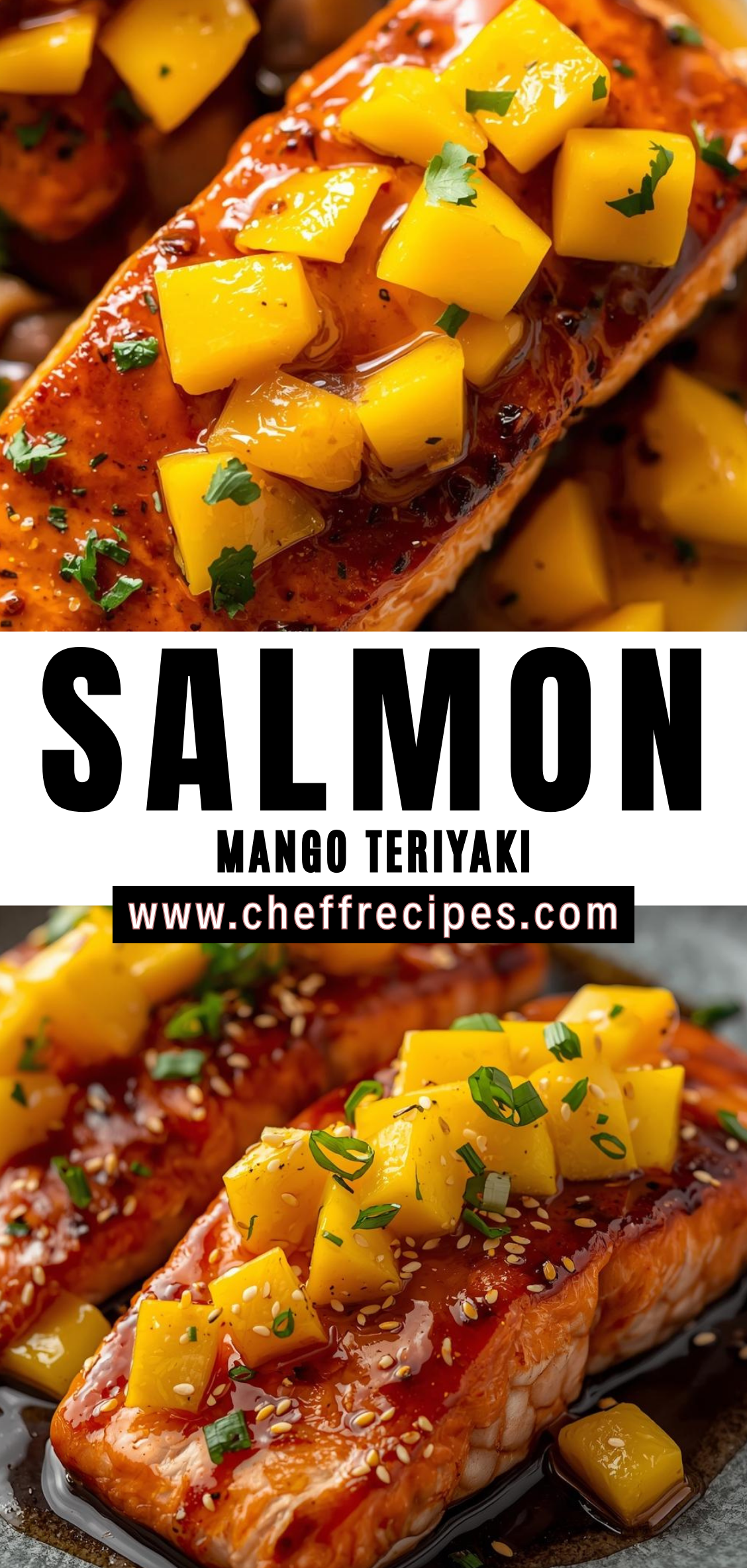
This recipe represents a perfect balance between sweet and savory, fresh and comforting, simple and elegant. It is a dish that feels equally at home on a busy weeknight dinner table or served as a centerpiece for a special occasion meal. In this comprehensive long-form guide, we will explore every aspect of Mango Teriyaki Salmon, including ingredient selection, flavor theory, cooking techniques, variations, plating ideas, nutritional insights, and practical tips to help you master the recipe with confidence and consistency.
Why Mango Teriyaki Salmon Works So Well
The Natural Compatibility of Salmon and Sweet Glazes
Salmon is a naturally rich, fatty fish, which makes it an excellent candidate for sweet and savory sauces. The healthy fats in salmon enhance flavor absorption and carry sweetness exceptionally well, preventing sugary sauces from tasting flat or overpowering.
Mango as a Flavor Enhancer
Mango adds natural sweetness, acidity, and fruitiness that complements teriyaki sauce rather than competing with it. Its bright tropical notes cut through the richness of salmon while enhancing the caramelized glaze created during cooking.
Teriyaki as a Structural Sauce
Teriyaki sauce provides saltiness, umami, and depth through soy sauce, sugar, and aromatics. When paired with mango, it creates a layered sauce that feels complex yet approachable.
Understanding the Core Ingredients
Salmon: The Foundation of the Dish
Choosing the Right Salmon
Fresh, high-quality salmon is essential. Atlantic salmon is rich and buttery, while sockeye salmon offers a firmer texture and deeper color. Skin-on fillets are recommended, as the skin helps protect the flesh during cooking and adds texture if crisped properly.
Fresh vs Frozen Salmon
Frozen salmon can work well if properly thawed. The key is to thaw slowly in the refrigerator and pat dry thoroughly before cooking to ensure proper searing and glaze adherence.
Portion Sizing
Individual fillets of approximately six ounces provide the best balance of thickness and cooking control.
Mango: Sweetness and Brightness
Selecting the Best Mango
Ripe mangoes should be fragrant and slightly soft to the touch without being mushy. Varieties such as Ataulfo or Kent are particularly well-suited due to their smooth texture and sweetness.
Fresh vs Frozen Mango
Fresh mango delivers the best flavor and texture, but frozen mango can be used for sauces if thawed and drained properly.
Mango Preparation
Mango can be diced for a fresh topping, blended into the sauce, or lightly cooked to enhance sweetness and depth.
Teriyaki Sauce Components
Soy Sauce
Soy sauce forms the salty backbone of teriyaki. Low-sodium soy sauce is preferred to prevent oversalting.
Sweeteners
Brown sugar, honey, or maple syrup provide sweetness and help create a glossy glaze.
Aromatics
Garlic and ginger add warmth and complexity, balancing sweetness and enhancing savory notes.
Acidity
Rice vinegar or lime juice introduces brightness and prevents the sauce from tasting heavy.
Supporting Ingredients
Oil
Neutral oils such as avocado or canola oil are ideal for high-heat cooking.
Garnishes
Green onions, sesame seeds, and fresh herbs enhance both flavor and presentation.
Essential Kitchen Tools
Cookware
A nonstick or stainless-steel skillet is ideal for stovetop cooking, while a baking sheet or oven-safe pan works well for oven or broiler methods.
Utensils
A fish spatula, sharp knife, cutting board, and small saucepan for sauce preparation are recommended.
Mango Teriyaki Salmon Recipe
Ingredients List
Main Ingredients
Salmon fillets, ripe mango, soy sauce, brown sugar or honey, garlic, fresh ginger, rice vinegar or lime juice, neutral oil.
Optional Additions
Red chili flakes, sesame oil, cornstarch for thickening, pineapple juice for added sweetness.
Preparation Steps
Step 1: Preparing the Mango Teriyaki Sauce
Dice half of the mango finely and blend the remaining mango until smooth. In a saucepan, combine soy sauce, sweetener, garlic, ginger, mango puree, and vinegar. Simmer gently until slightly thickened. If a thicker glaze is desired, a small cornstarch slurry may be added.
Step 2: Preparing the Salmon
Pat salmon fillets dry thoroughly. Season lightly with salt and black pepper. Allow the salmon to rest at room temperature briefly before cooking for even heat distribution.
Step 3: Searing the Salmon
Heat oil in a skillet over medium-high heat. Place salmon skin-side down and cook until the skin is crisp and the flesh releases easily from the pan. Flip and cook briefly on the second side until just cooked through.
Step 4: Glazing the Salmon
Reduce heat to medium. Spoon mango teriyaki sauce over the salmon, allowing it to bubble and caramelize slightly. Continuously baste the salmon with sauce to create an even glaze.
Step 5: Final Assembly
Remove salmon from heat. Top with reserved diced mango, green onions, and sesame seeds.
Alternative Cooking Methods
Oven-Baked Mango Teriyaki Salmon
Baking at moderate heat allows gentle cooking and even glaze coverage. Finish under the broiler for caramelization.
Grilled Mango Teriyaki Salmon
Grilling adds smoky depth. Use foil or a well-oiled grate to prevent sticking.
Air Fryer Method
The air fryer produces crisp edges and quick cooking while maintaining moisture.
Cooking Science Behind Mango Teriyaki Salmon
Caramelization and Glazing
Sugars in mango and teriyaki sauce caramelize when exposed to heat, creating depth and visual appeal.
Fat and Flavor Absorption
Salmon fat enhances sauce adherence and intensifies flavor delivery.
Heat Control
Moderate heat prevents burning sugars while allowing proper glaze development.
Common Mistakes and How to Avoid Them
Overcooking the Salmon
Salmon continues to cook after removal from heat. Slight translucency in the center ensures moist texture.
Burning the Sauce
High heat can scorch sugars. Lower heat during glazing is essential.
Oversaucing
Too much sauce can overwhelm the salmon. Glaze lightly and serve extra sauce on the side.
Flavor Variations and Customizations
Spicy Mango Teriyaki Salmon
Add chili paste, sriracha, or fresh chilies for heat.
Citrus Mango Teriyaki Salmon
Incorporate orange or lime zest for added brightness.
Tropical Fusion Version
Add pineapple or coconut milk for a more island-inspired flavor.
Low-Sugar Option
Use reduced-sugar sweeteners and emphasize mango’s natural sweetness.
Serving Suggestions
Side Dish Pairings
Steamed jasmine rice, coconut rice, quinoa, or cauliflower rice complement the dish well. Roasted vegetables, stir-fried greens, or cucumber salad provide freshness and balance.
Plating Ideas
Serve salmon over rice with sauce drizzled artistically and garnishes placed intentionally for visual appeal.
Meal Prep and Storage
Refrigeration
Store cooked salmon in an airtight container for up to three days.
Reheating Tips
Reheat gently over low heat or enjoy cold in salads to prevent drying.
Make-Ahead Sauce
Mango teriyaki sauce can be prepared in advance and refrigerated for several days.
Nutritional Perspective
Health Benefits of Salmon
Salmon is rich in omega-3 fatty acids, protein, and essential vitamins.
Mango Nutritional Value
Mango provides vitamin C, vitamin A, and natural antioxidants.
Balanced Meal Composition
This dish delivers protein, healthy fats, and natural carbohydrates in a balanced format.
Why Mango Teriyaki Salmon Is a Standout Dish
Global Flavor Appeal
The fusion of Asian-inspired teriyaki and tropical mango creates a universally appealing flavor profile.
Restaurant-Quality at Home
Despite its elegance, the recipe is approachable and achievable for home cooks.
Adaptability
The dish adapts easily to different cooking methods, diets, and flavor preferences.
Final Thoughts
Mango Teriyaki Salmon is a dish that exemplifies balance, creativity, and culinary harmony.
Mango Teriyaki Salmon
Sweet, savory, and vibrant, this Mango Teriyaki Salmon pairs flaky salmon with a glossy mango–teriyaki glaze. It’s quick enough for weeknights but impressive enough for guests, with tropical sweetness balanced by umami-rich teriyaki.
Ingredients
- Salmon
- 4 salmon fillets (5–6 oz each), skin on or off
- Salt and black pepper, to taste
- 1 tbsp olive oil
- Mango Teriyaki Sauce
- 1 cup ripe mango, finely diced or puréed
- ½ cup teriyaki sauce (store-bought or homemade)
- 1 tbsp soy sauce (optional, for extra depth)
- 1 tbsp honey or brown sugar (adjust to taste)
- 1 tsp fresh ginger, grated
- 2 cloves garlic, minced
- 1 tsp lime juice or rice vinegar
- Optional Garnishes
- Sliced green onions
- Sesame seeds
- Fresh cilantro
Instructions
- Season the salmon
Pat salmon dry and season lightly with salt and pepper. - Make the sauce
In a small saucepan, combine mango, teriyaki sauce, soy sauce (if using), honey, ginger, garlic, and lime juice.
Simmer over medium heat 5–7 minutes, stirring, until slightly thickened. Blend for a smoother glaze if desired. - Cook the salmon
Heat olive oil in a large skillet over medium-high heat.
Place salmon skin-side down and cook 4–5 minutes. Flip and cook another 3–4 minutes, until just cooked through. - Glaze
Spoon mango teriyaki sauce over salmon. Simmer 1–2 minutes, basting gently, until glossy and warmed. - Serve
Garnish with green onions, sesame seeds, and cilantro if desired.
Notes
- Baking option: Bake salmon at 400°F (205°C) for 12–15 minutes, brushing with sauce halfway through.
- Grilling option: Grill salmon over medium heat and glaze during the final 2 minutes.
- Heat it up: Add a pinch of red pepper flakes or a drizzle of chili sauce to the glaze.