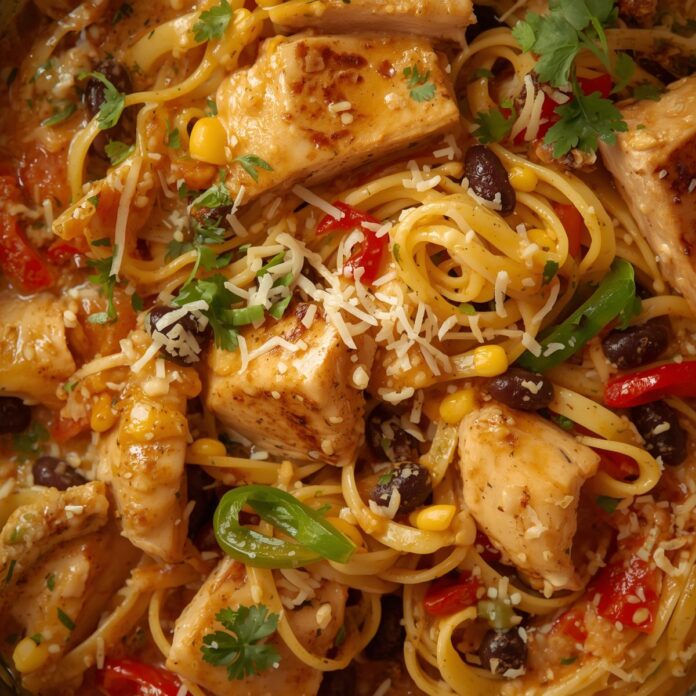
Buffalo Chicken Alfredo Penne is a bold, indulgent fusion dish that brings together two comfort food icons into one unforgettable meal. On one side, you have classic Alfredo pasta, known for its rich, creamy sauce and satisfying texture.
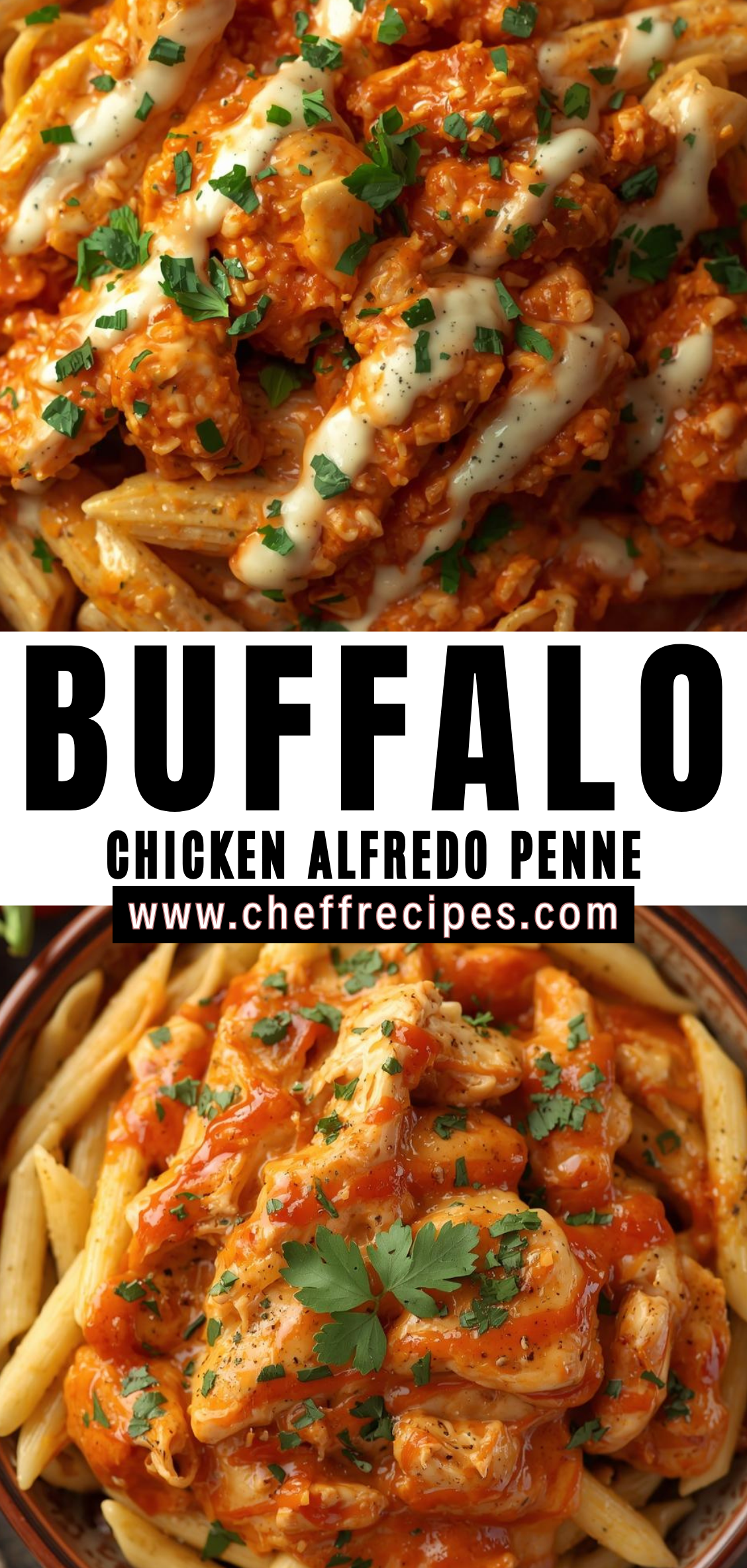
On the other, you have Buffalo chicken, famous for its spicy, tangy heat and crave-worthy flavor. When these two worlds collide, the result is a dish that feels indulgent, exciting, and deeply comforting all at once. This recipe has become a favorite in home kitchens because it delivers restaurant-level flavor using familiar ingredients and approachable techniques. In this long-form guide, we will explore every element of Buffalo Chicken Alfredo Penne, including its flavor balance, ingredient roles, cooking science, step-by-step preparation, variations, serving ideas, storage tips, and the reasons why this dish continues to grow in popularity.
Why Buffalo Chicken Alfredo Penne Works So Well
The Contrast of Creamy and Spicy
One of the most compelling aspects of Buffalo Chicken Alfredo Penne is the contrast between creamy richness and sharp heat. Alfredo sauce is smooth, buttery, and mellow, while Buffalo sauce brings acidity, spice, and tang. Together, they balance each other perfectly, preventing the dish from feeling either too heavy or too spicy.
Familiar Ingredients With a Twist
This dish uses well-known ingredients like chicken, pasta, cream, cheese, and hot sauce, but combines them in a way that feels fresh and exciting. That familiarity makes the dish approachable, while the flavor fusion keeps it interesting.
Comfort Food With Personality
While traditional Alfredo is comforting and mild, adding Buffalo chicken gives the dish a bold personality. It becomes more than just a creamy pasta; it becomes a statement meal.
Understanding the Core Ingredients
Chicken: The Protein Powerhouse
Choosing the Right Cut
Boneless, skinless chicken breast is the most common choice for Buffalo Chicken Alfredo Penne due to its lean profile and ability to absorb flavor. Chicken thighs can also be used for a juicier, richer result, especially if you prefer a slightly more indulgent texture.
Cooking Methods for Chicken
Chicken can be pan-seared, grilled, baked, or even air-fried. The most important factor is achieving a flavorful exterior while keeping the inside juicy. Cooking the chicken separately allows better control over seasoning and texture.
Seasoning the Chicken
Salt, black pepper, garlic powder, onion powder, and paprika form a strong base seasoning. This ensures the chicken is flavorful even before the Buffalo sauce is added.
Penne Pasta: Structure and Sauce Carrier
Why Penne Is Ideal
Penne pasta is particularly well-suited for creamy sauces because its tube shape traps sauce inside, delivering flavor in every bite. Its sturdy texture also holds up well to the weight of the Alfredo and Buffalo sauces combined.
Cooking Pasta Properly
Cooking penne to al dente is essential. Overcooked pasta will become mushy once combined with sauce, while undercooked pasta will feel unpleasantly firm.
Salting the Pasta Water
Properly salted water enhances the pasta’s flavor from the inside out and prevents the dish from tasting flat.
Alfredo Sauce: The Creamy Foundation
Traditional Alfredo Components
Classic Alfredo sauce is made from butter, heavy cream, garlic, and Parmesan cheese. These ingredients create a rich, smooth sauce that coats pasta beautifully.
Cream Selection
Heavy cream provides the best texture and stability. Lighter dairy options may result in a thinner sauce that lacks body.
Cheese Quality
Freshly grated Parmesan cheese melts smoothly and adds nutty depth. Pre-shredded cheese often contains anti-caking agents that can affect sauce texture.
Buffalo Sauce: The Flavor Driver
What Defines Buffalo Sauce
Buffalo sauce is traditionally made from hot sauce and butter. It is tangy, spicy, and slightly rich, making it a perfect contrast to Alfredo sauce.
Heat Control
The level of spiciness can be adjusted by varying the amount of Buffalo sauce used. Mild, medium, or hot versions all work depending on preference.
Balancing Acidity
Buffalo sauce adds acidity, which helps cut through the richness of the cream and cheese.
Supporting Ingredients
Garlic
Garlic adds aromatic depth and enhances both the Alfredo and Buffalo components.
Butter and Oil
Butter adds richness, while a small amount of oil helps prevent burning when cooking chicken.
Herbs and Garnishes
Parsley or green onions add freshness and visual contrast, balancing the heavy sauce.
Essential Kitchen Tools
Cookware
A large pot for pasta and a deep skillet or sauté pan for sauce and chicken are essential.
Utensils
A wooden spoon, whisk, sharp knife, cutting board, and colander help streamline preparation.
Buffalo Chicken Alfredo Penne Recipe
Ingredients List
Main Ingredients
Penne pasta, boneless skinless chicken breast or thighs, butter, olive oil, garlic, heavy cream, Parmesan cheese, Buffalo sauce, salt, black pepper, paprika.
Optional Additions
Mozzarella cheese, cream cheese, crushed red pepper flakes, parsley, green onions.
Step-by-Step Preparation
Step 1: Cooking the Pasta
Bring a large pot of salted water to a boil and cook penne until al dente. Drain and reserve a small amount of pasta water for adjusting sauce consistency.
Step 2: Preparing the Chicken
Season chicken generously with salt, pepper, paprika, and garlic powder. Heat oil and a bit of butter in a skillet over medium-high heat. Cook chicken until golden brown and fully cooked through. Remove from pan, rest briefly, then slice or cube.
Step 3: Building the Alfredo Sauce
In the same skillet, reduce heat to medium. Add butter and minced garlic, cooking until fragrant. Pour in heavy cream and bring to a gentle simmer. Slowly stir in grated Parmesan cheese until melted and smooth.
Step 4: Incorporating Buffalo Sauce
Stir Buffalo sauce into the Alfredo base, adjusting the amount to taste. The sauce should be creamy, slightly orange in color, and well-balanced between heat and richness.
Step 5: Combining Pasta and Chicken
Add cooked penne and sliced chicken to the sauce. Toss gently until everything is evenly coated. If the sauce is too thick, add reserved pasta water a little at a time.
Step 6: Final Adjustments
Taste and adjust seasoning. Add extra cheese, Buffalo sauce, or pepper flakes as desired. Garnish with parsley or green onions before serving.
Cooking Science Behind the Dish
Emulsification of the Sauce
The Alfredo sauce relies on emulsification between fat and liquid. Gentle heat prevents separation and ensures a smooth texture.
Heat Balance
Adding Buffalo sauce gradually allows better control of spice and acidity.
Pasta Absorption
Pasta absorbs sauce as it rests, which is why slightly looser sauce consistency is ideal before serving.
Common Mistakes and How to Avoid Them
Overheating the Sauce
High heat can cause cream and cheese to separate. Always keep the heat moderate.
Overcooking the Pasta
Pasta continues to cook slightly after being added to sauce. Al dente texture is key.
Adding Cheese Too Quickly
Gradually adding cheese prevents clumping and grainy texture.
Variations and Customizations
Extra Cheesy Buffalo Chicken Alfredo
Add mozzarella or cream cheese for a thicker, richer sauce.
Grilled Buffalo Chicken Alfredo Penne
Use grilled chicken for smoky flavor and added texture contrast.
Vegetable-Enhanced Version
Add broccoli, spinach, or bell peppers for freshness and balance.
Lighter Version
Use half-and-half instead of heavy cream and reduce cheese slightly while maintaining flavor.
Serving Suggestions
Side Dishes
Garlic bread, roasted vegetables, or a crisp green salad pair well with the rich pasta.
Presentation Tips
Serve in wide bowls with visible chicken pieces and fresh garnish for visual appeal.
Storage and Reheating
Refrigeration
Store leftovers in an airtight container for up to three days.
Reheating Tips
Reheat gently on the stovetop or microwave with a splash of cream or milk to restore sauce texture.
Make-Ahead Notes
The sauce can be prepared in advance, but pasta is best cooked fresh for optimal texture.
Nutritional Perspective
Protein and Energy
Chicken provides lean protein, while pasta supplies carbohydrates for sustained energy.
Indulgence With Balance
While rich, the dish can be balanced with portion control and vegetable sides.
Why Buffalo Chicken Alfredo Penne Is So Loved
Bold Flavor Appeal
The combination of spicy and creamy keeps the dish exciting and satisfying.
Comfort Food Status
It delivers warmth, richness, and familiarity, making it ideal for cozy meals.
Crowd-Pleasing Versatility
This recipe adapts easily to different spice levels and dietary preferences, making it perfect for families and gatherings.
Final Thoughts
Buffalo Chicken Alfredo Penne is a dish that proves comfort food does not have to be boring.
Buffalo Chicken Alfredo Penne
Creamy, cheesy Alfredo meets bold Buffalo flavor in this comforting yet spicy pasta dish. Tender chicken, penne pasta, and a rich Buffalo-Alfredo sauce make this an easy crowd-pleaser for weeknight dinners or game-day meals.
Ingredients
- Pasta & Chicken
- 12 oz penne pasta
- 1½ lb boneless, skinless chicken breast, cut into bite-size pieces
- Salt and black pepper, to taste
- 1 tsp garlic powder
- 1 tsp paprika
- 2 tbsp olive oil
- Buffalo Alfredo Sauce
- 2 tbsp butter
- 3 cloves garlic, minced
- 1½ cups heavy cream
- 1 cup freshly grated Parmesan cheese
- ½ cup Buffalo sauce (mild or hot, to taste)
- ½ tsp onion powder
- Optional Toppings
- Chopped parsley or green onions
- Extra Parmesan
- Crumbled cooked bacon
Instructions
- Cook the pasta
Boil penne in salted water according to package directions. Drain and set aside. - Cook the chicken
Season chicken with salt, pepper, garlic powder, and paprika.
Heat olive oil in a large skillet over medium-high heat. Cook chicken 5–7 minutes until golden and cooked through. Remove from skillet. - Make the sauce
In the same skillet, melt butter over medium heat. Add garlic and cook 30 seconds until fragrant.
Stir in heavy cream and onion powder; simmer 3–4 minutes until slightly thickened. - Add flavor
Whisk in Parmesan cheese until smooth, then stir in Buffalo sauce. - Combine
Add cooked pasta and chicken back to the skillet. Toss until fully coated and heated through. - Serve
Garnish with parsley, green onions, or extra cheese if desired.
Notes
- Control the heat: Start with less Buffalo sauce and add more to taste.
- Creamier sauce: Add a splash of reserved pasta water if sauce thickens too much.
- Protein swap: Grilled or rotisserie chicken works great.
- Add-ins: Broccoli or spinach balance the spice nicely.