Mango Chicken Curry is a dish that beautifully illustrates how contrasting flavors can come together to create something deeply satisfying.
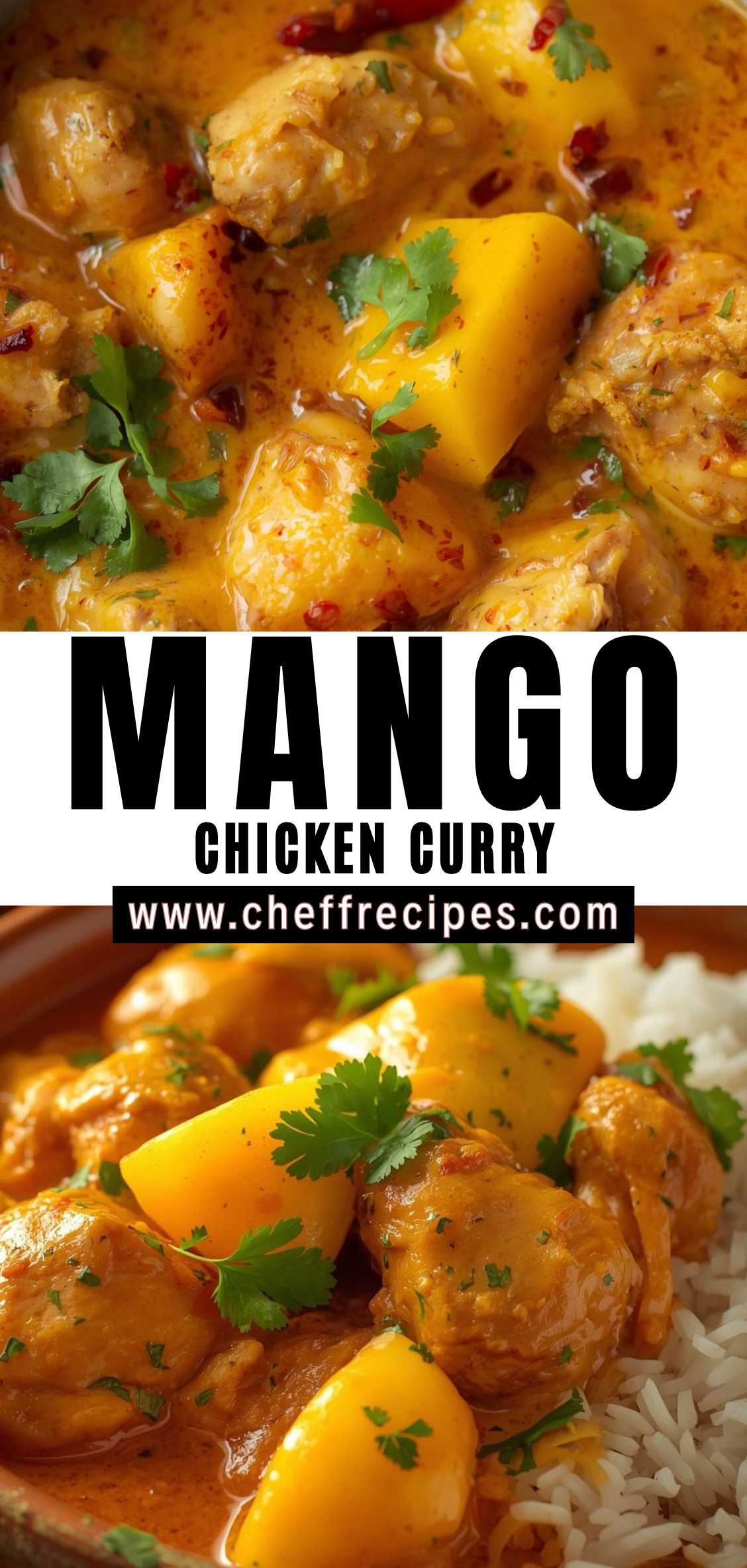
Combining tender chicken, warm spices, and the natural sweetness of ripe mangoes, this curry delivers a balance that feels vibrant, comforting, and layered. It is not overly sweet, nor aggressively spicy; instead, it sits in a middle ground where fruitiness enhances savory depth and spices provide warmth rather than heat alone. Mango Chicken Curry is popular across many home kitchens because it is approachable, flexible, and rewarding, offering a taste experience that feels both exotic and familiar.
Understanding the Appeal of Mango in Savory Cooking
Mango is often associated with desserts, but in many cuisines, especially South Asian and tropical cooking traditions, mango plays a crucial role in savory dishes. Its natural sweetness, acidity, and soft texture make it ideal for balancing spices and rich ingredients. In Mango Chicken Curry, mango acts as a natural sweetener and thickener, rounding out sharp spices and adding body to the sauce. When cooked, mango softens and integrates into the curry, creating a smooth, velvety texture without the need for heavy cream.
Why Chicken Is the Ideal Protein
Chicken is particularly well suited for mango curry because of its mild flavor and tender texture. It absorbs spices easily and allows the mango and curry base to shine without competition. Boneless chicken thighs are often preferred because they remain juicy and flavorful during simmering, but chicken breast can also be used for a leaner option if cooked carefully. The protein acts as a neutral canvas, carrying the complex flavors of the sauce while adding substance and heartiness to the dish.
Flavor Balance: Sweet, Savory, and Spiced
The defining feature of Mango Chicken Curry is balance. Sweetness from the mango must be carefully moderated so it enhances rather than dominates. Savory elements such as onion, garlic, and ginger provide depth, while spices like cumin, coriander, turmeric, and garam masala bring warmth and complexity. Acid, often from tomatoes or a squeeze of lime, keeps the dish from feeling heavy. This careful interplay ensures the curry is rich yet fresh, comforting yet vibrant.
Choosing the Right Mango
Ripe mangoes are essential for this dish. They should be sweet, fragrant, and soft, but not overripe or fibrous. Varieties with smooth flesh work best, as they blend easily into the sauce. If fresh mangoes are not available, frozen mango chunks can be used as a reliable alternative. The key is consistency; the mango should break down during cooking to create a cohesive sauce rather than remain chunky and uneven.
The Role of Aromatics
Aromatics form the backbone of Mango Chicken Curry. Onion provides sweetness and body, garlic adds pungency, and ginger contributes warmth and brightness. These ingredients are sautéed at the beginning to release their flavors and create a foundation for the spices. Properly cooking the aromatics ensures the curry tastes rounded and deep rather than sharp or raw.
Spices and Their Purpose
Spices are not just about heat in Mango Chicken Curry; they are about aroma and complexity. Turmeric adds earthiness and color, cumin brings warmth, coriander contributes citrusy notes, and garam masala ties everything together with a fragrant finish. Chili can be added according to preference, but the dish traditionally emphasizes warmth over spiciness. Blooming the spices in oil before adding liquids is crucial, as it unlocks their full flavor and prevents a flat or dusty taste.
Building the Curry Base
The curry base is built gradually, starting with aromatics and spices, followed by tomatoes or tomato puree for acidity and depth. Mango is added next, either blended or diced, depending on the desired texture. Coconut milk or cream is often used to add richness and smoothness, though some versions rely solely on mango for body. The chicken is then simmered gently in this sauce, allowing it to absorb flavor while contributing its own juices.
Texture and Consistency
A well-made Mango Chicken Curry should be neither watery nor overly thick. The sauce should coat the chicken and flow smoothly, clinging to rice or bread without pooling excessively. Mango helps naturally thicken the curry as it cooks, reducing the need for additional thickeners. Adjusting consistency with water, stock, or coconut milk allows the cook to tailor the dish to personal preference.
Cooking Technique and Timing
Gentle simmering is key to achieving tender chicken and integrated flavors. High heat can cause the sauce to split or the chicken to toughen. Cooking the curry slowly allows the mango to meld with the spices and aromatics, creating a cohesive flavor profile. Adding mango too early can dull its brightness, while adding it too late can result in uneven flavor. Timing is essential for balance.
Serving Mango Chicken Curry
Mango Chicken Curry is most commonly served with steamed rice, which absorbs the sauce and balances its richness. Flatbreads such as naan or roti are also excellent accompaniments, offering a way to scoop up the curry and enjoy its texture. Simple garnishes like fresh cilantro or a squeeze of lime add brightness and contrast without complicating the dish.
Variations Across Kitchens
There are many variations of Mango Chicken Curry, reflecting regional preferences and personal taste. Some versions lean more toward sweetness, while others emphasize spice and acidity. Coconut milk may be replaced with yogurt for tanginess, or omitted entirely for a lighter dish. Vegetables such as bell peppers or spinach can be added for extra texture and nutrition. These variations highlight the flexibility of the dish while preserving its core identity.
Nutritional Perspective
Mango Chicken Curry offers a balanced meal with protein from chicken, vitamins from mango and aromatics, and beneficial compounds from spices. While it can be rich, especially with coconut milk, portion control and thoughtful ingredient choices can make it part of a wholesome diet. Using fresh ingredients and moderate fat enhances both flavor and nutritional value.
Common Mistakes to Avoid
One common mistake is using unripe or flavorless mango, which can make the curry bland or overly tart. Adding too much mango can result in excessive sweetness, while insufficient spice can leave the dish flat. Overcooking chicken, especially breast meat, leads to dryness. Tasting and adjusting seasoning throughout the cooking process helps prevent these issues.
Mango Chicken Curry Recipe
Ingredients
Chicken pieces, ripe mango, onion, garlic, ginger, tomatoes or tomato puree, cooking oil, turmeric, cumin, coriander, garam masala, chili powder or fresh chili, coconut milk, salt, fresh cilantro.
Instructions
Heat oil in a pan and sauté onion until soft and golden. Add garlic and ginger and cook until fragrant. Stir in spices and bloom briefly. Add tomatoes and cook until thickened. Add mango and blend or mash slightly. Stir in coconut milk and bring to a gentle simmer. Add chicken and cook until tender and fully cooked. Finish with garam masala and adjust seasoning. Garnish with cilantro and serve with rice or bread.
Why Mango Chicken Curry Stands Out
Mango Chicken Curry stands out because it challenges expectations. It uses fruit in a savory context without feeling gimmicky, relying instead on balance and technique. The dish feels comforting yet vibrant, rich yet fresh, making it suitable for both everyday meals and special occasions. Its ability to adapt to different tastes and ingredients ensures its continued popularity.
Final Thoughts
Mango Chicken Curry is a celebration of contrast and harmony.
Mango Chicken Curry
A flavorful curry that balances savory spices with the natural sweetness of ripe mangoes. Tender chicken simmers in a creamy, aromatic sauce that’s warm rather than spicy, making it perfect served over rice or with naan.
Ingredients
- 1½ lb boneless, skinless chicken thighs or breasts, cut into bite-size pieces
- 2 tbsp vegetable oil
- 1 medium onion, finely chopped
- 3 cloves garlic, minced
- 1 tbsp fresh ginger, grated
- 2 tbsp curry powder
- 1 tsp ground cumin
- ½ tsp ground turmeric
- ½ tsp paprika
- ¼–½ tsp chili powder (optional, to taste)
- 1 cup mango pulp or mango purée (fresh or canned)
- 1 cup coconut milk or heavy cream
- ½ cup chicken broth
- 1 tbsp tomato paste
- Salt and black pepper, to taste
- Fresh cilantro, chopped (for garnish)
- Cooked basmati rice or naan, for serving
Instructions
- Brown the chicken:
Heat oil in a large skillet or saucepan over medium-high heat. Season chicken lightly with salt and pepper, then brown for 4–5 minutes. Remove and set aside. - Build the base:
In the same pan, sauté onion until soft and lightly golden, about 5 minutes. Add garlic and ginger; cook 1 minute until fragrant. - Toast the spices:
Stir in curry powder, cumin, turmeric, paprika, and chili powder. Cook 30 seconds to bloom spices. - Make the sauce:
Add mango purée, coconut milk, chicken broth, and tomato paste. Stir until smooth and gently simmer. - Simmer:
Return chicken to pan. Reduce heat to medium-low and simmer uncovered for 15–20 minutes, until chicken is cooked through and sauce thickens. - Finish & serve:
Adjust seasoning with salt and pepper. Garnish with cilantro and serve hot over rice or with naan.
Notes
- Mango choice: Ripe fresh mangoes give the best flavor; canned mango pulp works well year-round.
- Heat control: This curry is mild—add fresh chilies or extra chili powder for more heat.