Asian Sweet Ginger Beef Stir Fry is more than just a quick dinner solution; it is a dish that represents balance, technique, and the thoughtful layering of flavors that define much of Asian home cooking.
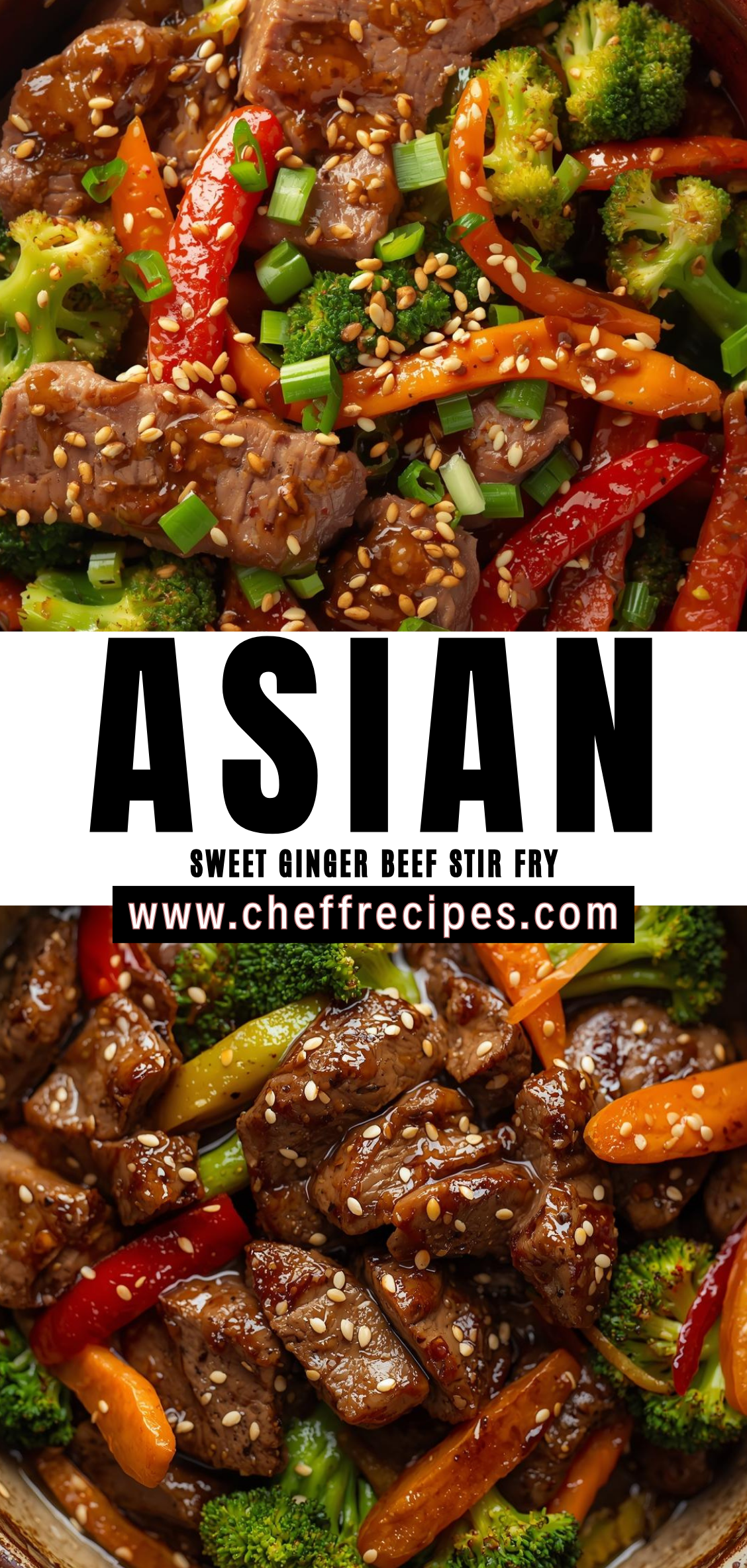
This recipe brings together tender beef, the warming spice of ginger, gentle sweetness, savory umami, and the vibrant crunch of vegetables, all united in a glossy stir-fry sauce. In this long-form post, we will explore not only how to make the dish step by step, but also why each ingredient matters, how technique influences flavor, and how you can adapt the recipe to your own kitchen while keeping its soul intact. Whether you are new to stir-frying or already comfortable at the stove, this guide aims to deepen your understanding and appreciation of Asian Sweet Ginger Beef Stir Fry.
The Cultural Background of Ginger Beef Stir Fry
Ginger has been used across many Asian cuisines for thousands of years, valued both for its flavor and its perceived health benefits. In Chinese cooking especially, ginger is considered a warming ingredient that helps balance richer foods like beef. Stir-frying itself developed as a practical technique, allowing cooks to prepare food quickly over high heat while preserving texture, color, and nutrients. Sweet ginger beef dishes have appeared in various forms across East and Southeast Asia, sometimes leaning more savory, sometimes more sweet, depending on regional preferences and available ingredients. This particular style, combining sweetness with ginger and soy-based sauces, reflects a modern, home-friendly adaptation that is accessible yet deeply rooted in traditional flavor logic.
Why This Dish Works So Well
The success of Asian Sweet Ginger Beef Stir Fry lies in contrast and harmony. Beef provides richness and depth, ginger adds heat and fragrance, sweetness rounds out sharp edges, and soy sauce anchors everything with umami. High heat cooking ensures the beef stays juicy while developing a lightly caramelized exterior. Vegetables add freshness and texture, preventing the dish from feeling heavy. When done correctly, each bite delivers multiple sensations at once, making the dish satisfying without being overwhelming.
Choosing the Right Cut of Beef
Selecting the right beef is one of the most important steps in this recipe. Stir-frying demands cuts that are tender and cook quickly. Flank steak, sirloin, skirt steak, or even ribeye are excellent options. These cuts have enough marbling to stay juicy but are not so tough that they require long cooking times. The key is slicing the beef thinly against the grain. Cutting against the grain shortens the muscle fibers, making each bite more tender. Even a slightly tougher cut can become tender when sliced and cooked correctly, so technique matters as much as the cut itself.
Understanding Ginger and Its Role
Fresh ginger is essential in this dish. Ground ginger lacks the brightness and aromatic punch needed to balance the beef and sweetness. Fresh ginger should be peeled and finely minced or cut into thin matchsticks. When heated in oil, ginger releases its essential oils, infusing the entire dish with warmth and complexity. Ginger also helps cut through the richness of beef, making the dish feel lighter and more balanced. Using the right amount is important; too little and the dish loses character, too much and it can become sharp and overpowering.
The Sweet Element and How to Control It
Sweetness in Asian Sweet Ginger Beef Stir Fry is not meant to dominate but to support the savory components. Common sweeteners include brown sugar, honey, palm sugar, or even hoisin sauce. Brown sugar adds a mild molasses note, honey brings floral sweetness, and palm sugar offers a deeper, caramel-like flavor. The choice depends on personal preference and availability. The key is moderation. Sweetness should soften the saltiness of soy sauce and enhance ginger’s warmth, not turn the dish into dessert. Adjusting sweetness at the end of cooking allows for better control.
Soy Sauce and Umami Foundations
Soy sauce is the backbone of the sauce, providing salt and umami. Light soy sauce is typically preferred for stir-fries because it seasons without overpowering the dish. Dark soy sauce can be added in small amounts for color and depth but should not be the primary seasoning. Some cooks like to add oyster sauce or a splash of fish sauce for additional umami, though this is optional. The goal is complexity without muddiness, allowing each flavor to remain distinct.
The Importance of Aromatics
In addition to ginger, garlic and green onions play a crucial supporting role. Garlic adds savory depth and a subtle sweetness when cooked properly. Green onions contribute freshness and a mild onion flavor that complements both beef and ginger. These aromatics should be added early enough to release their flavors but not so early that they burn. Proper timing ensures they perfume the oil and sauce rather than becoming bitter.
Vegetables That Complement the Dish
Vegetables are not just fillers; they are essential to the dish’s structure and balance. Bell peppers add sweetness and color, onions bring depth, snap peas or snow peas provide crunch, and carrots add earthiness and brightness. You can also include broccoli, bok choy, or mushrooms depending on preference. The key is cutting vegetables uniformly so they cook evenly. Vegetables should remain slightly crisp, offering contrast to the tender beef and glossy sauce.
Equipment and Preparation
A wok is ideal for stir-frying because its shape allows for high heat and quick evaporation, which prevents steaming. However, a large, heavy skillet can also work if heated properly. Preparation is critical in stir-fry cooking because the process moves quickly. All ingredients should be washed, chopped, measured, and ready before turning on the heat. This practice, often called mise en place, ensures smooth cooking and prevents overcooking or burning.
Ingredients List
For this recipe, you will need thinly sliced beef, fresh ginger, garlic, green onions, soy sauce, a sweetener such as brown sugar or honey, a neutral cooking oil, cornstarch, water or broth, and a selection of vegetables such as bell peppers, onions, and snap peas. Optional additions include sesame oil for aroma and rice vinegar for a touch of acidity. Each ingredient serves a purpose, contributing to the dish’s balance and depth.
Marinating the Beef
Marinating the beef briefly enhances flavor and texture. A simple marinade of soy sauce, a small amount of cornstarch, and a splash of oil helps the beef retain moisture during cooking. Cornstarch forms a light coating that protects the meat from direct heat and contributes to the final sauce’s silky texture. Even a short marination time of ten to fifteen minutes can make a noticeable difference.
Building the Sauce
The sauce is where the dish comes together. A mixture of soy sauce, sweetener, ginger, garlic, and a small amount of liquid creates a balanced base. Cornstarch is often added to thicken the sauce slightly, allowing it to cling to the beef and vegetables. Mixing the sauce ahead of time ensures even distribution and prevents lumps. Taste the sauce before cooking and adjust sweetness or saltiness as needed.
Cooking Technique and Timing
Stir-frying is about high heat and constant movement. The pan should be hot before adding oil, and the oil should shimmer but not smoke excessively. Beef is cooked first in batches if necessary to avoid overcrowding, which would cause steaming instead of searing. Once browned and just cooked through, the beef is removed and set aside. Aromatics are then added to the same pan, followed by vegetables. This sequence allows each component to cook properly while building layers of flavor.
Bringing Everything Together
After vegetables are cooked to the desired tenderness, the beef is returned to the pan along with the prepared sauce. The mixture is tossed quickly over high heat until the sauce thickens and coats everything evenly. This final stage should be brief to prevent overcooking the beef. A drizzle of sesame oil or a sprinkle of green onions at the end adds a final aromatic touch.
Adjusting Flavor at the End
One of the advantages of stir-fry cooking is the ability to adjust flavors at the end. If the dish tastes too salty, a splash of water or broth can mellow it. If it needs more sweetness, a small amount of sugar or honey can be added. If it feels heavy, a touch of rice vinegar or lime juice can brighten it. Tasting and adjusting is an essential skill that transforms a good stir-fry into a great one.
Serving Suggestions
Asian Sweet Ginger Beef Stir Fry is most commonly served over steamed rice, which absorbs the flavorful sauce and balances the dish. Jasmine rice is a popular choice, but brown rice or even noodles work well. For a lighter option, the stir-fry can be served over cauliflower rice or alongside steamed greens. Garnishing with sesame seeds or fresh herbs adds visual appeal and texture.
Nutritional Considerations
This dish offers a balanced mix of protein, vegetables, and carbohydrates when served with rice. Beef provides iron and protein, ginger offers antioxidants, and vegetables contribute fiber and vitamins. Controlling oil and sugar amounts allows the dish to fit into a variety of dietary preferences. Using lean beef and increasing vegetable content can make it even lighter without sacrificing flavor.
Common Mistakes and How to Avoid Them
Overcrowding the pan is one of the most common mistakes in stir-frying. This lowers the temperature and leads to steaming instead of searing. Another mistake is overcooking the beef, which makes it tough. Cooking in batches and removing the beef early prevents this. Using too much sauce can also overwhelm the dish; the sauce should coat, not drown, the ingredients.
Variations and Adaptations
This recipe is highly adaptable. Chicken, pork, or tofu can replace beef, adjusting cooking times accordingly. The sweet element can be modified using different sugars or even fruit-based sweetness like pineapple juice. Vegetables can be changed based on season or preference. Spicy elements such as chili flakes or fresh chilies can be added for heat. These variations allow the dish to remain exciting while maintaining its core identity.
Making It Ahead and Storing
Asian Sweet Ginger Beef Stir Fry is best enjoyed fresh, but leftovers can be stored in the refrigerator for up to three days. Reheating should be done gently over medium heat to avoid drying out the beef. Adding a small splash of water or broth helps revive the sauce. While not ideal for freezing due to texture changes, it can be frozen if necessary, especially if vegetables are kept slightly undercooked.
Why This Dish Is Ideal for Home Cooking
This stir-fry is ideal for home cooks because it is fast, flexible, and forgiving. Once you understand the basic principles, you can adapt it to whatever ingredients you have on hand. It teaches valuable skills such as slicing against the grain, balancing flavors, and cooking over high heat. These skills transfer to countless other dishes, making this recipe a foundation rather than just a one-time meal.
Final Thoughts
Asian Sweet Ginger Beef Stir Fry is a dish that rewards attention and care without demanding complexity.
Asian Sweet Ginger Beef Stir Fry
This Asian Sweet Ginger Beef Stir-Fry is a quick, flavorful dish featuring tender slices of beef coated in a glossy sweet-savory sauce with fresh ginger and garlic. Crisp vegetables add texture and color, while the ginger brings warmth without overpowering the dish. It’s perfect for busy weeknights and pairs well with steamed rice or noodles.
Ingredients
- Beef & Marinade
- 1 lb (450 g) flank steak or sirloin, thinly sliced against the grain
- 2 tbsp soy sauce (low sodium preferred)
- 1 tbsp cornstarch
- 1 tbsp neutral oil (vegetable, canola, or avocado)
- Stir-Fry Sauce
- ¼ cup beef broth or water
- 3 tbsp soy sauce
- 2 tbsp honey or brown sugar
- 1 tbsp rice vinegar
- 1 tbsp freshly grated ginger
- 2 cloves garlic, minced
- 1 tsp sesame oil
- 1 tsp cornstarch
- Vegetables
- 1 red bell pepper, thinly sliced
- 1 cup broccoli florets
- ½ medium onion, sliced
- 1 cup snap peas or snow peas
- For Cooking
- 1–2 tbsp neutral oil
- Optional Garnishes
- Sliced green onions
- Sesame seeds
Instructions
- Marinate the Beef
In a bowl, combine sliced beef, soy sauce, cornstarch, and oil. Toss well and set aside for 10–15 minutes. - Make the Sauce
Whisk together beef broth, soy sauce, honey (or brown sugar), rice vinegar, ginger, garlic, sesame oil, and cornstarch. Set aside. - Cook the Beef
Heat 1 tablespoon oil in a large skillet or wok over high heat. Add beef in a single layer and sear for 1–2 minutes per side until just cooked. Remove and set aside. - Stir-Fry the Vegetables
Add another tablespoon of oil if needed. Stir-fry bell pepper, broccoli, onion, and snap peas for 2–3 minutes until crisp-tender. - Combine & Sauce
Return beef to the pan. Pour in the sauce and toss everything together. Cook for 1–2 minutes, stirring constantly, until the sauce thickens and coats the beef and vegetables. - Serve
Remove from heat and garnish with green onions or sesame seeds if desired. Serve hot over rice or noodles.
Notes
- Slicing the Beef: Freezing the beef for 15–20 minutes makes thin slicing easier and improves tenderness.
- Ginger Flavor: Fresh ginger is key; powdered ginger won’t give the same brightness.
- Vegetable Swaps: Carrots, mushrooms, or bok choy work well if you don’t have the listed veggies.