Baked ravioli occupies a unique place in the landscape of comfort food. It bridges the gap between traditional Italian cooking and the practical demands of modern home kitchens, offering a dish that feels both indulgent and accessible. At its core, baked ravioli takes the familiar elements of pasta, sauce, and cheese—ingredients deeply rooted in home cooking across cultures—and transforms them into something that feels effortless yet richly satisfying. It has the capacity to evoke the warmth of family dinners, cozy evenings, and weekday meals that trade complexity for heartiness without sacrificing flavor.
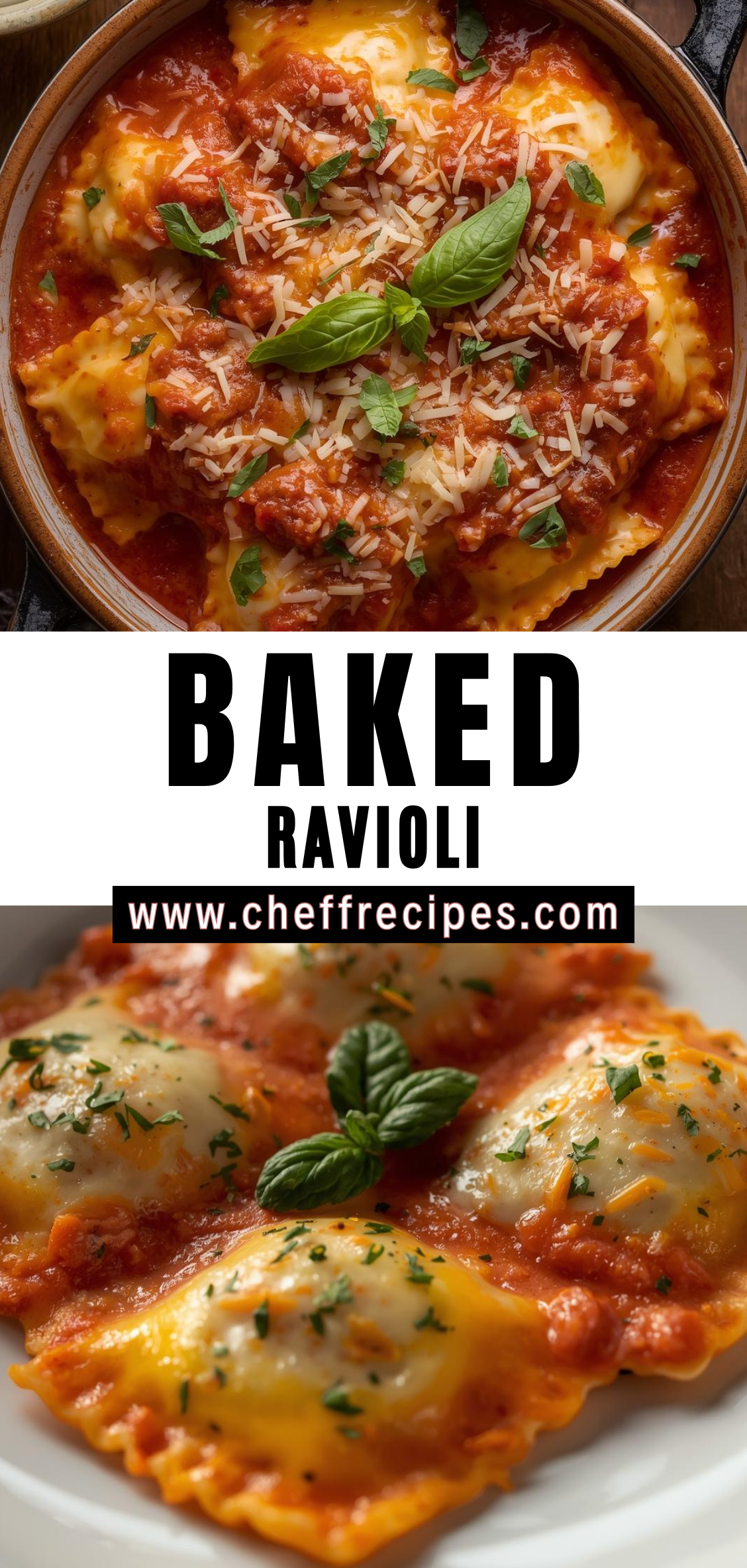
For many home cooks, the appeal of baked ravioli begins with its simplicity. Instead of hand-rolling pasta dough or carefully shaping individual ravioli, this recipe leans on one of the most convenient and versatile ingredients available at the grocery store: pre-made ravioli. Whether fresh, frozen, cheese-filled, meat-filled, or vegetable-stuffed, ravioli introduces a level of efficiency that allows even the busiest cook to produce a dish with the depth and structure of baked pasta without the usual hours of preparation. By using ravioli as the base, the dish becomes a canvas—one that welcomes your choice of sauce, cheese, and seasonings, all layered and baked until bubbling and aromatic.
Yet the ease of the recipe does not diminish its potential for nuance. Baked ravioli can be rustic or refined, hearty or light, depending on the choices made along the way. A classic version might rely on a robust marinara sauce and generous layers of mozzarella and Parmesan, creating a dish reminiscent of lasagna but requiring a fraction of the effort. A more sophisticated version might incorporate béchamel, roasted vegetables, or artisanal ravioli filled with wild mushrooms or butternut squash. The format encourages personalization: each layer can be adjusted, seasoned, enriched, or simplified based on preference, availability, or the moment’s inspiration.
Another element that makes baked ravioli appealing is its versatility in serving contexts. It can be prepared as a weeknight meal that comes together with minimal effort or as a centerpiece for a weekend gathering when comfort food is exactly what the occasion calls for. It works well in family-style dining, where a bubbling casserole dish placed at the center of the table encourages sharing and conversation. It can also be portioned into individual servings for a more elevated presentation. Whether served on its own or accompanied by a crisp salad, crusty bread, or roasted vegetables, baked ravioli has the presence and richness to anchor a complete meal.
The textures created through baking are central to the dish’s appeal. Ravioli, when oven-baked, achieves a balance that is difficult to replicate through other cooking methods. The interior remains soft and tender—protected by its pasta shell—while the edges may develop a slight crispness depending on the sauce-to-pasta ratio and bake time. Meanwhile, the cheese melts into a golden, bubbling layer that blankets the entire dish. The contrast between creamy filling, chewy pasta, savory sauce, and lightly crisped edges creates a multi-layered sensory experience. Every bite offers depth: the sweetness of tomatoes or the earthiness of Alfredo sauce, the richness of melted cheese, and the subtle herbs that perfume each layer.
Beyond its sensory elements, baked ravioli carries with it a sense of reassurance. It is the kind of dish you can prepare with confidence, knowing that it will deliver comfort and satisfaction regardless of the audience or occasion. There is no elaborate dough to master, no precise shaping or timing required. Instead, it is a forgiving recipe that invites experimentation and improvisation. If you prefer more sauce, add more. If you enjoy bold flavors, incorporate additional seasonings. If you want a more decadent dish, increase the cheese and choose a richer sauce. Its adaptability ensures it can reflect the cook’s tastes and preferences while still retaining its identity as a comforting baked pasta.
Historically, baked pasta dishes have roots in Italian cucina casalinga—the tradition of home cooking where layers of pasta, sauce, and cheese were assembled to feed families economically while still delivering deep flavors. Baked ravioli retains that spirit while modernizing the process, offering a shortcut that aligns with contemporary lifestyles. In minutes, you can assemble a dish reminiscent of time-intensive lasagnas or cannelloni without compromising the comforting qualities that define those classics. This combination of tradition and modern convenience is one of the dish’s greatest strengths.
As we explore this recipe in depth, we will go far beyond a simple set of directions. We will delve into ingredient selection, explaining how different types of ravioli, sauces, and cheeses affect the outcome. We will break down the assembly process into clear, thoughtful steps designed to ensure even baking, balanced flavors, and proper texture. We will examine variations that range from vegetarian to meat-based, from classic marinara to creamy Alfredo, from simple weeknight preparations to elevated versions suitable for gatherings. We will also discuss serving strategies, storage methods, reheating tips, and practical adjustments that allow the recipe to be tailored to dietary needs or personal preferences.
This introduction sets the stage for a dish that is deeply satisfying without being demanding, flavorful without requiring hours in the kitchen. Baked ravioli is both a comfort food and a workhorse recipe, one that rewards creativity, allows flexibility, and consistently delivers the warmth and richness that define enduring recipes. Whether you are cooking for yourself, your family, or your guests, this dish promises to bring comfort, nourishment, and a sense of familiarity to the table.
Detailed Instructions
Baked ravioli is a deceptively simple recipe, but the quality of the final dish is shaped by the precision of each step. Proper layering, sauce distribution, seasoning, and baking technique all contribute to achieving a casserole that is evenly cooked, richly flavored, and texturally balanced. The following instructions outline the process from preparation to finishing touches, offering technical insight, sensory cues, and strategic tips to ensure the dish turns out consistently excellent.
Step 1: Prepare Your Ingredients and Workspace
Before any cooking begins, organization is essential. Baked dishes are easiest when everything is ready before assembly.
-
Gather the ravioli:
-
Choose between fresh or frozen varieties.
-
Cheese ravioli offers a mild, creamy base; meat or vegetable fillings provide richer or more festive options.
-
Do not thaw frozen ravioli fully—partial thawing is ideal for even baking without mushiness.
-
-
Select the sauce:
-
Traditional marinara is the most common choice, but Alfredo, Bolognese, vodka sauce, or pesto blends also work beautifully.
-
Ensure the sauce is well-seasoned; under-seasoned sauce leads to a bland overall dish.
-
-
Prepare the cheese components:
-
Shredded mozzarella provides meltability and stretch.
-
Parmesan adds sharpness and depth.
-
Optional additions include ricotta, provolone, or fontina for enhanced creaminess.
-
-
Preheat the oven to 375°F (190°C):
-
An adequately preheated oven ensures proper browning and even cooking.
-
If using a ceramic dish, allow it to come to room temperature to avoid cracking.
-
-
Grease your baking dish:
-
Use butter or olive oil to lightly coat the bottom and sides of a 9 × 13-inch dish.
-
Proper greasing prevents sticking and allows the edges to crisp slightly.
-
This preparation provides a clean workflow for smooth assembly.
Step 2: Prepare the Sauce (If Making It Fresh)
While store-bought sauce works well, preparing your own adds depth and control.
-
Heat olive oil in a saucepan:
-
Use medium heat.
-
Add finely chopped onion and garlic; sauté until translucent.
-
-
Add tomato base:
-
Incorporate crushed tomatoes, passata, or tomato sauce.
-
Stir continuously to avoid scorching.
-
-
Season generously:
-
Add salt, pepper, dried basil, and oregano.
-
Consider a pinch of sugar to balance acidity.
-
-
Simmer:
-
Reduce heat and let the sauce cook for 10–20 minutes.
-
The goal is a slightly thickened, robust sauce.
-
-
Taste and adjust:
-
Always adjust seasoning before assembly; corrections are difficult once baked.
-
This step ensures that the sauce complements the ravioli rather than being overshadowed by it.
Step 3: Build the First Layer
Layering is crucial to ensure even moisture, flavor distribution, and structural integrity.
-
Spread a thin layer of sauce on the bottom of the dish:
-
This prevents sticking and provides moisture to the bottom layer of ravioli.
-
The layer should lightly coat the surface without pooling.
-
-
Arrange the first layer of ravioli:
-
Lay the ravioli in a single, even layer.
-
Slight overlapping is acceptable, but avoid stacking or uneven piling.
-
For frozen ravioli, place directly into the dish without thawing.
-
-
Season lightly:
-
Add a small pinch of salt and pepper to enhance the base flavors.
-
The first layer establishes the foundation that influences the moisture level of the entire dish.
Step 4: Layering the Filling and Cheese
The layering process is what transforms ravioli into a baked pasta dish with structure and depth.
-
Apply a generous amount of sauce:
-
Spoon sauce evenly across the ravioli layer.
-
Use enough to coat but not drown the pasta; excessive sauce creates soggy texture, while too little results in dryness.
-
-
Add cheese:
-
Sprinkle mozzarella evenly to cover the sauce.
-
Add a light dusting of Parmesan for flavor complexity.
-
Optional additions include dollops of ricotta or slices of provolone.
-
-
Repeat layers:
-
Add another layer of ravioli, more sauce, and more cheese.
-
Continue until you reach the top of the dish—usually two to three layers total depending on the depth of your pan.
-
-
Finish with cheese:
-
The final layer should be sauce topped with a generous blanket of mozzarella and Parmesan.
-
A well-topped final layer is essential for achieving a golden crust.
-
This structured layering ensures the dish has clear definition, balanced moisture, and cohesive flavor.
Step 5: Add Seasonings and Enhancements
This step elevates the dish from simple to exceptional.
-
Add herbs:
-
Sprinkle dried oregano, basil, or Italian seasoning on the top layer.
-
Fresh basil can be added after baking for brightness.
-
-
Enhance the top for browning:
-
A light drizzle of olive oil encourages even browning and adds richness.
-
Optional: add a small sprinkle of crushed red pepper for faint heat.
-
-
Optional mix-ins between layers:
-
Spinach (fresh or wilted)
-
Sautéed mushrooms
-
Cooked Italian sausage
-
Roasted vegetables
-
This step customizes the baked ravioli to your tastes while maintaining its core identity.
Step 6: Cover and Bake
Proper baking is essential for ensuring the ravioli cooks evenly throughout.
-
Cover the dish tightly with foil:
-
This prevents dryness during the initial bake.
-
Tenting the foil slightly avoids it sticking to the cheese.
-
-
Bake for 25–30 minutes:
-
The interior should begin bubbling around the edges.
-
Frozen ravioli may require an additional 5–10 minutes.
-
-
Remove the foil:
-
This exposes the top layer so it can brown properly.
-
Browning adds texture and visual appeal.
-
This controlled two-step bake creates a tender interior and a beautifully golden top.
Step 7: Brown the Top Layer
Browning adds complexity, texture, and visual appeal.
-
Continue baking uncovered for 10–15 minutes:
-
The cheese should melt fully and develop slight golden spots.
-
-
Optional broiling:
-
For a deeper golden crust, broil for 1–2 minutes.
-
Watch closely to avoid burning; cheese browns quickly.
-
A well-browned top signals that the dish has reached peak flavor and readiness.
Step 8: Rest Before Serving
Resting is essential for structure and clean slicing.
-
Let the baked ravioli sit for at least 10 minutes:
-
Resting allows the sauce to settle and thickens slightly.
-
Cutting immediately can cause layers to collapse or slide.
-
-
Observe texture:
-
The top should be firm enough to cut yet still moist and tender beneath.
-
This stage ensures each serving holds its shape and delivers balanced texture.
Step 9: Serve with Garnishes and Sides
Final touches enhance presentation and flavor.
-
Garnish:
-
Fresh basil or parsley adds color and aroma.
-
A final sprinkle of Parmesan offers salty brightness.
-
-
Serve with sides:
-
A simple green salad
-
Garlic bread or focaccia
-
Roasted vegetables
-
A glass of red wine or sparkling water
-
Serving the dish thoughtfully completes the dining experience.
Baked Ravioli
Baked ravioli occupies a unique place in the landscape of comfort food. It bridges the gap between traditional Italian cooking and the practical demands of modern home kitchens, offering a dish that feels both indulgent and accessible. At its core, baked ravioli takes the familiar elements of pasta, sauce, and cheese—ingredients deeply rooted in home cooking across cultures—and transforms them into something that feels effortless yet richly satisfying. It has the capacity to evoke the warmth of family dinners, cozy evenings, and weekday meals that trade complexity for heartiness without sacrificing flavor.
Ingredients
- Main Ingredients
- 1 (25–30 oz) bag frozen cheese ravioli (or beef/spinach)
- 3 cups marinara sauce (store-bought or homemade)
- 1 ½ cups shredded mozzarella
- ½ cup grated Parmesan
- 1 cup ricotta cheese (optional for creamier layers)
- 1–2 cloves garlic, minced (optional)
- 1 tsp Italian seasoning
- Salt & pepper to taste
- Fresh basil or parsley for topping
Instructions
1. Preheat Oven
- Heat oven to 400°F (204°C).
- Lightly grease a 9×13 baking dish.
2. Assemble the Casserole
- Spread 1 cup marinara in the bottom of the dish.
- Add a layer of frozen ravioli.
- Dollop small spoonfuls of ricotta over the ravioli (if using).
- Sprinkle mozzarella and Parmesan.
- Repeat layers: sauce → ravioli → ricotta → cheese.
- Finish with a generous layer of mozzarella + Parmesan on top.
3. Bake
- Cover with foil and bake 20 minutes.
- Remove foil and bake 10 more minutes, or until cheese is melted and bubbly.
4. Optional Broil
- Broil 1–2 minutes to brown the top lightly.
5. Serve
- Let cool 5 minutes, then top with fresh basil or parsley.
Notes
- No need to thaw ravioli — just layer and bake.
- Add cooked ground beef, sausage, or vegetables (spinach, mushrooms, zucchini) for a heartier dish.
- For extra richness, mix ½ cup Alfredo sauce with the marinara for a pink sauce.
- Make-ahead: Assemble, cover, and refrigerate up to 24 hours; add 10 minutes to bake time.