Some recipes earn their place in family kitchens not through extravagance or complexity, but through the comfort they offer with every spoonful. Beef and Macaroni Soup is one of those dishes—a humble, hearty classic that delivers warmth, nourishment, and familiarity. It’s the kind of soup that simmers quietly on the stove on chilly evenings, filling the kitchen with the aromas of seasoned beef, tender vegetables, and slow-blending broth. It feels timeless, rooted in home cooking traditions that value simplicity, resourcefulness, and flavor built patiently through each ingredient and step.
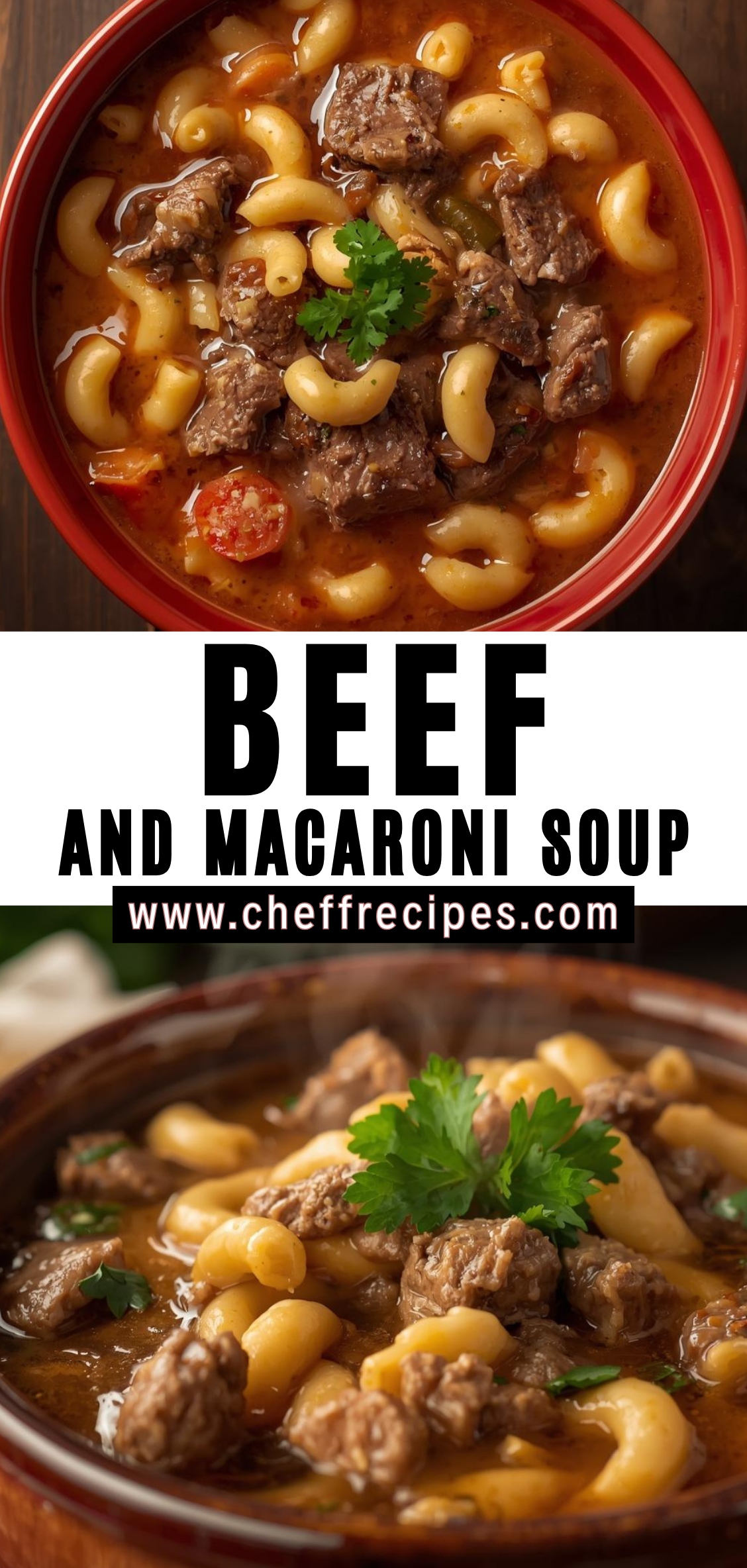
At its core, Beef and Macaroni Soup is a celebration of everyday ingredients. Ground beef provides richness and depth, its savory notes forming the backbone of the broth. Aromatic vegetables—onions, carrots, celery, garlic—build a flavorful foundation, transforming as they soften into a base that feels both earthy and wholesome. Tomatoes add acidity and brightness, stew-friendly herbs lend warmth, and macaroni brings structure and comfort. Together, these components create a soup that is more than the sum of its parts: hearty enough to satisfy hunger, light enough to enjoy as a weeknight meal, and familiar enough to evoke memories of childhood dinners.
What makes this dish particularly beloved is its versatility. Every family, every region, and every cook approaches Beef and Macaroni Soup slightly differently. Some prefer a thinner broth; others let the macaroni absorb more liquid for a stew-like consistency. Some add beans for extra protein, chopped greens for freshness, or different spices for personality. Still others use this soup as a way to stretch ingredients economically, making a pot that feeds many with simple pantry staples. That adaptability has helped the dish endure across decades, appearing in home kitchens, diners, school lunch programs, and community gatherings.
The appeal of Beef and Macaroni Soup also lies in its cooking rhythm. Browning the beef, sautéing the vegetables, seasoning layer by layer—these steps create an intuitive flow that encourages a cook to engage fully with the process. There is something grounding about scraping up the fond from the bottom of the pot, listening to the soft sizzle as the aromatics release their fragrance, and watching broth come gently to a simmer. Meals like this draw you into the moment, reconnecting you with the tactile and sensory experiences of cooking.
Flavor-wise, the soup offers a balance that is both satisfying and approachable. The beef introduces depth and heartiness; the vegetables lend sweetness; the tomatoes brighten the overall profile; and the macaroni adds a nostalgic, comforting texture. With each bowl, you get a complete meal—protein, vegetables, broth, and pasta—harmonized in a way that feels both rustic and intentional. It’s the type of soup you reach for when you need something predictable in the best possible way, something that tastes like home.
In the detailed recipe sections that follow, we’ll explore every aspect of crafting an exceptional Beef and Macaroni Soup—from ingredient selection and preparation to simmering techniques, seasoning adjustments, macaroni timing, and serving options. We will also look at variations, storage recommendations, and methods to adapt the recipe for different dietary needs or flavor profiles. The goal is not only to teach you how to make the soup, but to help you understand why each step matters and how to build the depth of flavor that makes this dish enduringly comforting.
Detailed Instructions
Crafting the Perfect Beef and Macaroni Soup
1. Selecting Ingredients: Quality, Freshness, and Function
The foundation of a rich, flavorful soup starts with the ingredients. Understanding their roles ensures depth, balance, and texture.
1.1 Beef Selection
-
Ground beef is most commonly used for its ease and uniform texture.
-
Choose 80–85% lean beef for optimal balance: enough fat for flavor without excessive greasiness.
-
Optional alternative: small cubes of stew beef for a chunkier texture and more pronounced beef flavor.
1.2 Vegetables and Aromatics
-
Onions, carrots, and celery form the classic mirepoix. Their sweetness and aromatics build a savory backbone.
-
Garlic adds a subtle pungency; crush or finely mince to ensure even distribution.
-
Tomatoes contribute acidity and body. Canned diced tomatoes or fresh chopped tomatoes both work; adjust based on sweetness and ripeness.
1.3 Herbs and Spices
-
Bay leaves, thyme, and parsley are traditional.
-
Optional additions: a pinch of oregano or rosemary for added depth.
-
Salt and black pepper should be added incrementally during cooking to allow gradual flavor layering.
1.4 Pasta Selection
-
Elbow macaroni or small tubular pasta is ideal for holding broth.
-
Avoid large pasta, which can overwhelm the soup.
-
Dry pasta should be added later in cooking to prevent over-softening.
2. Preparing the Vegetables: Uniformity and Flavor Extraction
2.1 Cleaning and Cutting
-
Wash all vegetables thoroughly.
-
Dice onions finely to ensure they soften and integrate fully.
-
Slice carrots into uniform small rounds or half-moons for even cooking.
-
Chop celery into small, consistent pieces to match carrots.
2.2 Prepping Aromatics
-
Mince garlic finely. Too large pieces can scorch during sautéing, imparting bitterness.
-
If using fresh herbs, chop finely; dried herbs will be added later.
3. Browning the Beef: Flavor Development
3.1 Heat and Pan Preparation
-
Use a heavy-bottomed pot or Dutch oven for even heat distribution.
-
Preheat over medium-high heat; a thin film of oil may be added if beef is very lean.
3.2 Browning Process
-
Add ground beef in small batches to avoid overcrowding.
-
Break up clumps gently with a wooden spoon.
-
Cook until meat develops a deep brown color, releasing rich fond on the bottom of the pan.
-
Do not drain all fat—leave some to carry flavor into the soup.
3.3 Optional Step: Deglazing
-
Once beef is browned, add a splash of broth or water to scrape up fond.
-
This intensifies the soup’s flavor and ensures nothing is wasted.
4. Sautéing Aromatics: Building the Base
4.1 Adding Vegetables
-
To the browned beef, add onions, carrots, and celery.
-
Sauté over medium heat until onions are translucent and vegetables slightly softened.
4.2 Incorporating Garlic
-
Add garlic last, sautéing 30–60 seconds.
-
Garlic burns quickly; careful timing ensures aromatic notes without bitterness.
4.3 Layering Flavors
-
Sprinkle in a pinch of salt to help draw out moisture from vegetables, enhancing sweetness.
5. Adding Liquids: Creating the Broth
5.1 Broth Selection
-
Beef broth is ideal for a rich, savory base.
-
Chicken or vegetable broth may be substituted for lighter flavor profiles.
-
Homemade broth enhances complexity, but store-bought works with proper seasoning adjustments.
5.2 Liquid to Solids Ratio
-
Add enough broth to cover beef and vegetables by 1–2 inches.
-
More liquid yields a lighter soup; less creates a heartier, stew-like consistency.
5.3 Simmering to Develop Flavor
-
Bring the mixture to a gentle boil, then reduce to a low simmer.
-
Skim off any foam or impurities that rise to the surface for a clear, clean-tasting broth.
6. Incorporating Tomatoes and Seasonings
6.1 Tomato Integration
-
Add diced tomatoes (with juice) to the simmering soup.
-
Stir gently to combine; tomatoes provide acidity, color, and body.
6.2 Seasoning in Layers
-
Add bay leaves and thyme at this stage.
-
Begin adjusting salt and pepper, tasting periodically.
-
Optional: a pinch of paprika or smoked chili powder for subtle warmth.
6.3 Simmer Duration
-
Let soup simmer for at least 20–30 minutes to allow flavors to meld.
-
Longer simmering enhances richness, especially if using tougher beef cuts.
7. Cooking the Macaroni: Timing and Texture
7.1 Choosing When to Add Pasta
-
Dry macaroni should be added in the final 10–12 minutes of cooking.
-
This prevents over-softening and ensures each bite maintains structure.
7.2 Stirring Considerations
-
Stir gently to avoid breaking pasta.
-
Ensure pasta remains submerged in broth for even cooking.
7.3 Taste Testing
-
Sample macaroni for doneness; it should be tender but slightly firm to the bite (al dente).
-
Adjust simmering time if pasta absorbs too much liquid, adding extra broth if necessary.
8. Final Flavor Adjustments
8.1 Removing Bay Leaves
-
Pull bay leaves before serving; their flavor is potent and slightly bitter if left too long.
8.2 Balancing Acidity
-
Taste the soup for brightness; a small splash of vinegar or squeeze of lemon can elevate the flavor if too heavy.
8.3 Adjusting Seasonings
-
Incrementally add salt, pepper, or herbs.
-
Optional: a dash of Worcestershire sauce or soy sauce adds umami depth.
9. Serving Suggestions and Garnishes
9.1 Presentation
-
Serve hot in wide bowls to showcase beef, vegetables, and macaroni.
9.2 Garnishes
-
Fresh chopped parsley or thyme adds color and freshness.
-
Grated Parmesan can provide richness and a subtle savory finish.
-
Crusty bread or dinner rolls are excellent for dipping.
9.3 Portioning Tips
-
Each serving should contain a balance of broth, beef, vegetables, and macaroni to ensure satisfaction and visual appeal.
10. Storage and Reheating
10.1 Refrigerator Storage
-
Store in an airtight container for up to 3–4 days.
10.2 Reheating
-
Warm gently over medium heat, adding a splash of broth to restore consistency.
-
Stir occasionally to prevent sticking or uneven heating.
11. Variations and Customizations
11.1 Vegetable Variations
-
Add peas, corn, or green beans near the end of cooking for color and texture.
11.2 Protein Options
-
Swap ground beef with ground turkey, chicken, or a beef-chicken mix.
-
Add cooked beans for vegetarian-friendly protein (omit beef).
11.3 Pasta Alternatives
-
Small shells, ditalini, or orzo can replace macaroni for visual variety.
11.4 Flavor Twists
-
A splash of tomato paste enriches the broth.
-
Smoked paprika, cumin, or chili flakes can give a spiced variation.
Beef and Macaroni Soup
Some recipes earn their place in family kitchens not through extravagance or complexity, but through the comfort they offer with every spoonful. Beef and Macaroni Soup is one of those dishes—a humble, hearty classic that delivers warmth, nourishment, and familiarity.
Ingredients
- Soup Base:
- 1 lb (450 g) ground beef
- 1 small onion, diced
- 2 cloves garlic, minced
- 2 medium carrots, diced
- 2 celery stalks, diced
- 1 can (14.5 oz) diced tomatoes
- 1 can (8 oz) tomato sauce
- 6 cups beef broth
- 1 bay leaf
- 1 tsp Italian seasoning
- 1/2 tsp paprika
- Salt and pepper, to taste
- Pasta:
- 1 cup dry elbow macaroni
- Optional Add-Ins:
- 1 cup frozen peas or corn
- Grated Parmesan cheese for serving
- Fresh parsley for garnish
Instructions
1. Brown the Beef
- Heat a large pot or Dutch oven over medium-high heat.
- Add the ground beef and cook until browned, breaking it apart with a spoon.
- Drain excess grease if necessary.
2. Add Aromatics and Vegetables
- Add the onion, garlic, carrots, and celery to the pot.
- Cook for 4–5 minutes until the vegetables begin to soften.
3. Build the Soup Base
- Stir in the diced tomatoes, tomato sauce, beef broth, bay leaf, Italian seasoning, paprika, salt, and pepper.
- Bring the mixture to a simmer.
4. Cook the Macaroni
- Stir in the dry elbow macaroni.
- Reduce heat to medium and cook for 10–12 minutes, stirring occasionally to prevent sticking.
- Add frozen peas or corn (if using) during the last 3 minutes of cooking.
5. Finish and Serve
- Remove the bay leaf.
- Taste and adjust seasoning as needed.
- Ladle into bowls and garnish with parsley or Parmesan cheese if desired.
Notes
- For a richer flavor, brown the beef deeply before adding vegetables.
- If you plan to store leftovers, cook the macaroni separately and add when serving (prevents it from getting too soft).
- Substitute ground turkey or chicken for a lighter version.
- Add a splash of Worcestershire sauce for extra savory depth.