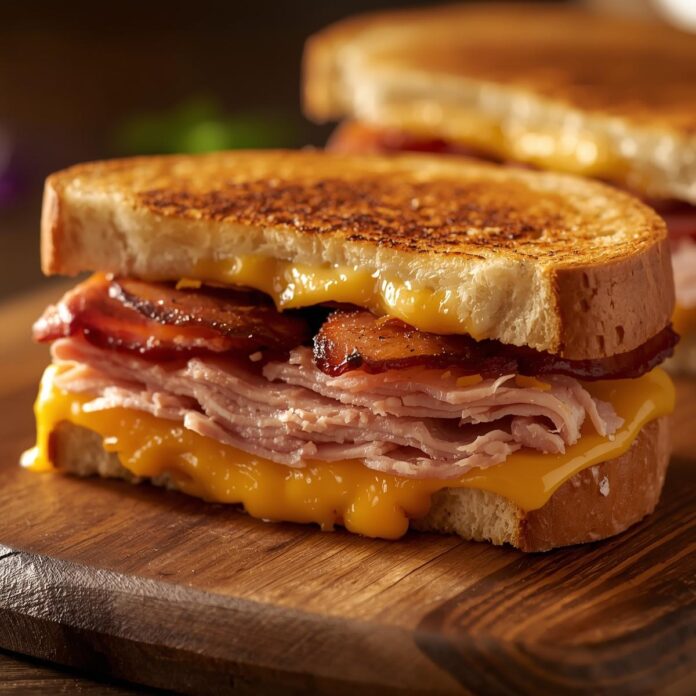
French Dip Sliders are the perfect combination of tender, juicy roast beef, soft slider buns, and savory au jus for dipping, delivering all the flavors of a classic French dip sandwich in a convenient, bite-sized portion.

These sliders have become increasingly popular for game-day gatherings, casual parties, and family dinners because they are easy to serve, fun to eat, and packed with flavor. Unlike traditional sandwiches that require slicing and plating, sliders offer the advantage of portion control, letting each guest enjoy as many servings as they like without the commitment of a full sandwich. The beauty of French Dip Sliders is in their versatility. You can use high-quality roast beef, slow-cooked or oven-roasted, combined with caramelized onions, melted provolone or Swiss cheese, and slider buns that are soft yet sturdy enough to hold all the juicy components. The rich, flavorful au jus is essential for the dipping experience, adding depth and moisture that elevate the sliders from ordinary sandwiches to indulgent bites of culinary joy. These sliders are particularly appealing because they allow you to enjoy the traditional French dip sandwich experience in a more casual, approachable format. The combination of textures—the tender meat, soft buns, melty cheese, and flavorful dipping sauce—creates a symphony of flavors in each bite, making these sliders a crowd-pleaser for any occasion. In this guide, we will explore a complete recipe for the best French Dip Sliders, including ingredient selection, preparation steps, tips for perfect execution, variations, nutritional considerations, and serving suggestions. By the end of this post, you will have all the tools and knowledge necessary to make restaurant-quality French Dip Sliders right in your own kitchen.
Ingredients for Best French Dip Sliders
Creating the perfect French Dip Sliders starts with selecting the best ingredients for flavor, texture, and ease of assembly. High-quality roast beef is the star of the dish; slow-roasted beef with a nice marbling of fat will yield juicy, tender slices perfect for layering on slider buns. For flavor enhancement, caramelized onions add sweetness and depth, while provolone, Swiss, or Gruyère cheese provides a rich, melty topping. Slider buns should be soft but resilient enough to hold the beef and cheese without falling apart when dipped. Many recipes call for brioche or Hawaiian rolls for their slightly sweet flavor and pillowy texture, which complement the savory beef and cheese beautifully. The au jus, an essential component, can be made from beef broth or stock, enriched with Worcestershire sauce, garlic, and fresh herbs such as thyme and rosemary. Optional ingredients for enhancing flavor include Dijon mustard, horseradish sauce, or sautéed mushrooms, which can be added directly to the sliders or served on the side. Freshly ground black pepper and salt are crucial for seasoning the beef, ensuring the meat’s natural flavors shine. Additional pantry items such as olive oil or butter are used for caramelizing onions and brushing the buns for a golden, slightly crispy finish. Each ingredient plays a specific role in creating a harmonious balance of flavors and textures, so careful selection and preparation are key to achieving the best possible French Dip Sliders.
Step-by-Step Instructions to Make French Dip Sliders
Making French Dip Sliders involves a series of steps, including roasting the beef, preparing the au jus, caramelizing onions, assembling the sliders, and baking them to perfection. Begin by preheating your oven to 325°F (163°C) if you plan to roast a whole beef cut. Season the beef generously with salt, pepper, and any desired spices such as garlic powder or smoked paprika. Roast the beef until it reaches your preferred level of doneness, typically medium-rare to medium for optimal juiciness. Once cooked, allow the roast to rest for at least 15-20 minutes before slicing thinly against the grain. While the beef rests, prepare the caramelized onions by heating olive oil or butter in a skillet over medium-low heat, then adding thinly sliced onions. Stir frequently and cook slowly until the onions become soft, golden brown, and sweetly aromatic. For the au jus, combine beef broth or stock with Worcestershire sauce, minced garlic, and herbs in a saucepan. Simmer over low heat for 10-15 minutes to allow the flavors to meld, adjusting seasoning as needed with salt and pepper. To assemble the sliders, slice the slider buns in half and layer thin slices of roast beef on the bottom halves. Add caramelized onions and a slice of cheese, then place the top halves of the buns over the filling. For an extra touch, brush the tops of the buns with melted butter or garlic butter for flavor and shine. Arrange the assembled sliders on a baking sheet and bake in a preheated oven at 350°F (177°C) for 5-10 minutes, just until the cheese melts and the buns are slightly toasted. Serve immediately with the warm au jus on the side for dipping, ensuring each slider is juicy, flavorful, and perfectly balanced.
Tips for Perfect French Dip Sliders
Achieving the best French Dip Sliders requires attention to detail and some key tips for success. First, slice the beef thinly; thick slices can be difficult to bite and may overwhelm the slider buns. Second, allow the beef to rest after roasting to retain juices, which ensures each slider is moist and flavorful. Third, cook the caramelized onions slowly; rushing the process will result in bitter or underdeveloped flavors. Fourth, select the right cheese; provolone, Swiss, or Gruyère melt evenly and complement the beef without overpowering it. Fifth, choose slider buns that are fresh and soft but sturdy; slightly stale buns may fall apart when dipped, while overly soft buns may become soggy. Sixth, prepare a rich au jus by simmering beef broth with Worcestershire sauce, herbs, and garlic; avoid using bouillon cubes alone, as they may be too salty or artificial in flavor. Seventh, consider toasting the buns lightly before assembling the sliders to add texture and prevent sogginess. Eighth, assemble the sliders just before baking to preserve the integrity of the buns and prevent them from becoming overly soft. Ninth, experiment with condiments like Dijon mustard, horseradish sauce, or garlic aioli to add extra layers of flavor. Tenth, serve the sliders immediately with warm au jus for dipping, as the flavor and texture are best enjoyed fresh. Following these tips guarantees a perfectly balanced slider with tender beef, melty cheese, and a flavorful dipping sauce.
Variations on French Dip Sliders
French Dip Sliders can be adapted to suit different flavor profiles, dietary preferences, or occasions. For a barbecue twist, add caramelized onions and barbecue sauce along with the beef, creating a sweet and smoky flavor combination. For a spicier version, include sautéed jalapeños, pepper jack cheese, or horseradish sauce to add heat. For a gourmet approach, layer sautéed mushrooms, caramelized onions, and Gruyère cheese, finishing with a touch of truffle oil for richness. For a low-carb version, substitute slider buns with keto-friendly rolls or lettuce wraps while maintaining all other components. For a Mediterranean-inspired variation, top the beef with feta cheese, roasted red peppers, and a drizzle of tzatziki, accompanied by a side of light broth for dipping. Vegetarian options are possible by substituting roasted portobello mushrooms or eggplant slices for beef, layering with caramelized onions and provolone cheese, served with a rich vegetable broth or mushroom-based au jus. Each variation offers a new flavor experience while maintaining the core concept of bite-sized, juicy sliders with dipping sauce. The versatility of French Dip Sliders makes them suitable for casual parties, holiday gatherings, game-day celebrations, or family dinners, allowing endless creativity with minimal effort.
Nutritional Insights of French Dip Sliders
French Dip Sliders are rich, savory, and satisfying, but understanding their nutritional profile can guide mindful consumption. A single slider contains protein from the roast beef, fat from cheese and butter, and carbohydrates from the slider buns. Protein is essential for muscle repair, satiety, and overall health, making these sliders a substantial and filling option. Cheese contributes healthy fats, calcium, and flavor richness, but also increases calorie content, which should be considered for portion control. The au jus provides moisture and flavor without significant calories if prepared from scratch with low-sodium beef broth. Carbohydrate content is concentrated in the slider buns, so those monitoring carb intake can choose smaller buns, low-carb alternatives, or simply enjoy one or two sliders with a side of vegetables. Sodium levels may be higher due to beef, cheese, and broth, so adjusting seasoning and choosing lower-sodium ingredients can make the dish more balanced. Overall, French Dip Sliders offer a flavorful, indulgent option that can be enjoyed in moderation, especially when paired with fresh sides such as salads or roasted vegetables.
History and Cultural Background of French Dip Sandwiches
Understanding the origins of French Dip Sliders provides context for their enduring popularity. The classic French dip sandwich was first created in Los Angeles in the early 20th century, with two restaurants—Philippe’s and Cole’s—claiming its invention. The sandwich traditionally consists of thinly sliced roast beef on a French roll, served with a side of au jus for dipping. Over time, this iconic sandwich inspired numerous adaptations, including sliders and party-sized portions, which are ideal for casual gatherings. French Dip Sliders maintain the essence of the original sandwich while offering bite-sized convenience, making them accessible for modern dining experiences. The evolution from full-sized sandwiches to sliders reflects broader trends in culinary culture, where casual, shareable, and snackable foods have gained popularity. The combination of tender beef, melty cheese, and flavorful dipping sauce has made French Dip Sliders a beloved dish in both home kitchens and restaurants.
Pairing and Serving Suggestions
French Dip Sliders are incredibly versatile and pair well with a variety of sides and beverages. Classic accompaniments include potato chips, French fries, coleslaw, roasted vegetables, or a fresh green salad. For a heartier option, serve sliders with roasted potatoes or a grain-based salad such as quinoa or couscous. Condiments like Dijon mustard, horseradish sauce, or garlic aioli can be served on the side for added flavor customization. Beverages such as beer, sparkling water, iced tea, or red wine complement the rich, savory flavors of the sliders, enhancing the dining experience. For gatherings or parties, consider serving sliders on a platter with individual ramekins of au jus for dipping, allowing guests to enjoy the sliders as finger foods while maintaining a restaurant-quality presentation. Garnishing with fresh herbs, caramelized onions, or a sprinkle of coarse salt adds visual appeal and enhances flavor, making the sliders both tasty and aesthetically pleasing.
Conclusion: Why French Dip Sliders Are a Must-Try
French Dip Sliders are a perfect blend of convenience, flavor, and indulgence, offering all the classic components of a French dip sandwich in a small, approachable format. They are ideal for parties, game-day gatherings, or casual family dinners, and can be customized with endless variations to suit personal taste or dietary needs. By selecting high-quality roast beef, caramelizing onions, melting cheese to perfection, and preparing a rich au jus, you can create sliders that rival those served in restaurants. Understanding their history, nutritional considerations, and pairing options further enhances appreciation for this beloved dish. Incorporating French Dip Sliders into your cooking repertoire provides a versatile, crowd-pleasing option that combines tender meat, melty cheese, soft buns, and savory dipping sauce into one unforgettable bite. With attention to detail, creativity in variations, and careful execution, these sliders are guaranteed to impress anyone fortunate enough to enjoy them, proving that great food can be both comforting and sophisticated at the same time.
Best French Dip Sliders
These mini sandwiches pack all the flavor of classic French dip sandwiches into bite-sized sliders. Tender roast beef is piled on soft rolls, topped with melted cheese, and served with a rich au jus for dipping. Perfect for game day, parties, or a fun dinner.
Ingredients
- For the sliders:
- 12 slider rolls (Hawaiian rolls work great)
- 1 lb (450 g) thinly sliced roast beef
- 6–8 slices provolone or Swiss cheese
- 2 tbsp butter, melted
- 1 tsp garlic powder
- Optional: caramelized onions or sautéed mushrooms
- For the au jus:
- 1 cup beef broth
- 1 tsp Worcestershire sauce
- 1/2 tsp garlic powder
- 1/4 tsp onion powder
- Salt and pepper, to taste
Instructions
- Preheat oven: Preheat your oven to 350°F (175°C).
- Prepare the rolls: Slice the slider rolls horizontally, keeping them attached if using a full sheet of rolls.
- Assemble sliders: Place the bottom halves of the rolls in a 9x13-inch baking dish. Layer roast beef evenly over the rolls, then top with cheese. Place the top halves of the rolls over the cheese.
- Add butter mixture: Mix melted butter with garlic powder and brush over the tops of the rolls.
- Bake: Cover with foil and bake for 10–15 minutes, until the cheese is melted and the sliders are heated through. Remove foil and bake another 5 minutes for a lightly toasted top.
- Prepare au jus: While sliders bake, combine beef broth, Worcestershire sauce, garlic powder, onion powder, salt, and pepper in a small saucepan. Heat over medium heat until warm.
- Serve: Serve sliders hot with au jus on the side for dipping.
Notes
- For extra flavor, sauté onions and mushrooms and layer on top of the beef before baking.
- Slider rolls can be brushed with Dijon mustard for a tangy kick.
- These can be made ahead and reheated in the oven; the au jus can be stored separately and reheated.
- Hawaiian rolls give a slightly sweet contrast to the savory beef, but any soft slider roll works.