In recent years, plant-based diets have surged in popularity, not only among those seeking ethical or environmental choices but also among individuals pursuing healthier lifestyles. Among the many options for meat alternatives, the black bean burger stands out as a versatile, flavorful, and satisfying choice. Unlike traditional beef burgers, black bean burgers offer a unique combination of taste, nutrition, and customization potential, making them an ideal option for vegetarians, vegans, and even meat-eaters looking to reduce their consumption of animal products.
Black beans, a staple ingredient in Latin American cuisine, are naturally rich in protein, fiber, and essential nutrients, including iron, magnesium, and folate. Their hearty texture and subtle, earthy flavor make them an excellent base for a burger patty, capable of absorbing and complementing a wide array of spices and seasonings. Beyond their nutritional value, black beans are economical, widely available, and easy to prepare, adding another layer of appeal for home cooks looking to create wholesome, satisfying meals without breaking the bank.
The beauty of black bean burgers lies in their adaptability. While the core ingredient—the black bean—provides structure and flavor, the possibilities for customization are virtually endless. From bold Southwestern spices to mild Mediterranean herbs, black bean burgers can be tailored to suit a wide range of culinary preferences. Moreover, the toppings, condiments, and bun choices can elevate the experience, allowing each burger to be a reflection of personal taste and creativity.
In addition to taste and nutrition, black bean burgers contribute to sustainable eating practices. Plant-based meals generally require fewer resources to produce than meat-based meals, reducing environmental impact in terms of water consumption, greenhouse gas emissions, and land use. For environmentally conscious consumers, choosing a black bean burger over a traditional meat option represents a small but meaningful step toward a more sustainable diet.
Cooking black bean burgers also encourages culinary experimentation. The process often involves mashing the beans to achieve the perfect consistency, balancing flavors with aromatic vegetables and spices, and incorporating binding agents such as breadcrumbs or oats to maintain structural integrity. These steps provide home cooks with opportunities to refine their skills, understand ingredient interactions, and develop a sense of creativity in the kitchen.
Throughout this comprehensive guide, we will explore the full spectrum of black bean burger preparation—from selecting the best beans to achieving optimal texture, from experimenting with flavor profiles to mastering cooking techniques. Whether you are a seasoned cook or a kitchen novice, this guide aims to empower you with the knowledge, techniques, and inspiration to create black bean burgers that are both delicious and satisfying.
By the end of this guide, you will not only have a tried-and-true recipe but also an understanding of how to adapt the burger to your preferences, ensuring that every bite is flavorful, hearty, and uniquely your own. Black bean burgers are more than just a meat alternative; they are a celebration of wholesome ingredients, culinary creativity, and mindful eating.
Ingredients and Their Nutritional Benefits
The foundation of a delicious black bean burger begins with the careful selection of ingredients. While the beans themselves provide much of the structure and flavor, each additional component contributes to texture, taste, and nutritional value. Understanding the purpose of each ingredient will help you craft burgers that are not only tasty but also wholesome and satisfying.
1. Black Beans
Black beans are the star ingredient of this dish. They are naturally high in plant-based protein and dietary fiber, which help maintain satiety and support digestive health. A cup of cooked black beans contains approximately 15 grams of protein and 15 grams of fiber, making them an excellent base for a meatless patty.
The earthy flavor and firm texture of black beans make them ideal for mashing and binding with other ingredients. When selecting black beans, you can choose between canned and dried varieties. Canned black beans offer convenience, as they are pre-cooked and ready to use, though it is important to rinse them thoroughly to remove excess sodium. Dried black beans, on the other hand, require soaking and cooking but offer greater control over texture and flavor.
2. Vegetables
Vegetables such as onions, bell peppers, and carrots are commonly incorporated into black bean burgers. They provide natural sweetness, moisture, and crunch, while also enhancing nutritional content. Onions are rich in antioxidants like quercetin, which supports immune function, and add depth to the burger’s flavor. Bell peppers contribute vitamin C and a subtle sweetness that balances the earthiness of the beans. Carrots or zucchini add moisture, fiber, and beta-carotene, supporting eye health and overall nutrition.
3. Aromatics and Herbs
Garlic, fresh herbs, and spices are essential to creating a bold, well-rounded flavor profile. Garlic contains allicin, a compound known for its antibacterial and antioxidant properties. Fresh herbs such as cilantro, parsley, or basil not only brighten the flavor but also add vitamins and phytonutrients. Spices like cumin, paprika, chili powder, or smoked paprika enhance the savory and smoky notes, making the burger taste complex and satisfying.
4. Binders
To maintain the structural integrity of the burger, binders are essential. Common binders include breadcrumbs, rolled oats, cooked quinoa, or mashed sweet potatoes. These ingredients absorb moisture and help the patty hold together during cooking, preventing it from falling apart. Whole grain breadcrumbs or oats also add additional fiber and nutrients, enhancing the burger’s health benefits.
5. Healthy Fats
Adding a small amount of healthy fat improves the burger’s mouthfeel and flavor. Olive oil, avocado, or tahini are excellent choices. Fats help carry flavors and keep the patty moist, while also contributing essential fatty acids that support heart and brain health. For example, a tablespoon of olive oil contains monounsaturated fats that have been linked to improved cardiovascular health.
6. Seasonings
Salt and pepper are the simplest yet most crucial seasonings for black bean burgers. They enhance the natural flavors of the ingredients without overpowering them. Additional seasonings like smoked salt, garlic powder, onion powder, or black pepper can be adjusted according to taste preferences. Balancing seasoning is key to achieving a burger that is flavorful throughout.
7. Optional Add-ins
Black bean burgers are highly customizable, and many cooks like to add extra ingredients to suit their tastes. Options include shredded cheese or vegan cheese, chopped nuts for crunch, sun-dried tomatoes for tang, or even finely chopped mushrooms for added umami. These additions can elevate the burger from simple to gourmet while still maintaining its health benefits.
Summary of Nutritional Benefits:
-
Protein: Black beans and grains provide sustained energy and satiety.
-
Fiber: Vegetables, beans, and whole grains aid digestion and heart health.
-
Vitamins & Minerals: From bell peppers, carrots, herbs, and beans.
-
Healthy Fats: From olive oil, avocado, or tahini to enhance flavor and nutrient absorption.
-
Low Saturated Fat: Plant-based ingredients reduce cholesterol intake.
Understanding these ingredients and their roles allows home cooks to experiment safely while maintaining both flavor and nutrition. Proper selection ensures that each burger is not only satisfying but also a balanced meal in itself.
Step-by-Step Preparation and Cooking Guide for Black Bean Burgers
Creating the perfect black bean burger is a combination of technique, timing, and understanding how ingredients interact. This section provides a comprehensive guide to ensure every patty is flavorful, well-structured, and satisfying.
Step 1: Preparing the Black Beans
-
Choosing Your Beans:
-
Canned beans are convenient and ready to use, but they should be rinsed thoroughly to remove excess sodium and preservatives. Place them in a colander and rinse under cold running water for about 30–60 seconds.
-
Dried beans require soaking for at least 8 hours or overnight. After soaking, drain and rinse, then cook in fresh water until tender, which typically takes 45–60 minutes depending on the variety.
-
-
Mashing the Beans:
-
Place the cooked beans in a large mixing bowl.
-
Use a fork, potato masher, or the back of a spoon to mash the beans. Aim for a texture where some beans remain slightly whole to provide bite, but most are mashed to create a cohesive base.
-
Tip: Over-mashing can make the mixture gummy, while under-mashing can make the patty crumbly. Aim for a balance.
-
Step 2: Preparing Vegetables and Aromatics
-
Chopping and Sautéing:
-
Finely dice onions, bell peppers, carrots, or any other vegetables you want to include.
-
Heat a tablespoon of olive oil in a pan over medium heat. Sauté onions and garlic for 3–4 minutes until translucent and fragrant.
-
Add bell peppers or carrots and sauté for an additional 2–3 minutes to soften.
-
-
Incorporating Herbs and Spices:
-
Chop fresh herbs such as cilantro, parsley, or basil.
-
Add spices such as cumin, smoked paprika, chili powder, garlic powder, or black pepper to the sautéed vegetables. Toasting spices in the pan for 30 seconds helps release their aroma and flavor.
-
Step 3: Combining Ingredients
-
Mixing the Base:
-
Add the sautéed vegetables and spices to the mashed black beans.
-
Incorporate your binders—breadcrumbs, oats, or cooked quinoa—gradually. Start with ½ cup and add more as needed to achieve a firm but pliable texture.
-
-
Adding Moisture and Fat:
-
Add a small amount of olive oil, tahini, or mashed avocado to keep the mixture moist. Typically, 1–2 tablespoons is sufficient.
-
Taste the mixture and adjust seasonings as needed, balancing salt, spice, and herbs.
-
-
Optional Add-ins:
-
Incorporate additional ingredients such as shredded cheese, finely chopped nuts, or mushrooms. Fold them in gently to maintain the mixture’s structure.
-
Step 4: Forming the Patties
-
Shaping the Mixture:
-
Divide the mixture into equal portions, depending on desired burger size. Standard burgers are roughly ½ cup of mixture each.
-
Wet your hands slightly with water to prevent sticking and gently shape the mixture into round patties about ¾–1 inch thick.
-
Tip: Slightly thicker patties hold together better during cooking and prevent drying out.
-
-
Chilling the Patties (Optional but Recommended):
-
Place formed patties on a baking sheet lined with parchment paper and refrigerate for 30 minutes.
-
Chilling helps the patties firm up, reducing the likelihood of crumbling during cooking.
-
Step 5: Cooking the Burgers
-
Pan-Frying Method:
-
Heat a non-stick skillet or cast-iron pan over medium heat. Add 1–2 tablespoons of oil.
-
Place patties in the pan, leaving space between each. Cook for 4–5 minutes per side until a golden-brown crust forms.
-
Flip gently using a spatula to avoid breaking the patties.
-
-
Baking Method (Healthier Option):
-
Preheat oven to 375°F (190°C). Line a baking sheet with parchment paper.
-
Place patties on the sheet and lightly brush with olive oil.
-
Bake for 20–25 minutes, flipping halfway through to ensure even browning.
-
-
Grilling Method:
-
Preheat grill to medium heat. Brush grill grates with oil to prevent sticking.
-
Grill patties for 3–4 minutes per side. Use a wide spatula and support the patty from underneath when flipping.
-
Grilling adds a smoky flavor that complements black beans exceptionally well.
-
Step 6: Assembling the Burger
-
Choosing the Bun:
-
Whole-grain buns, brioche, ciabatta, or gluten-free options are all excellent choices. Lightly toasting the bun enhances texture and flavor.
-
-
Adding Toppings:
-
Popular toppings include lettuce, tomato, avocado, pickles, red onion, or sprouts.
-
Condiments like mustard, ketchup, vegan mayo, or salsa can enhance flavor without overwhelming the patty.
-
-
Layering Tips:
-
Place lettuce or greens directly on the bottom bun to create a barrier that prevents sogginess.
-
Add the black bean patty, then toppings and sauces. Top with the bun and gently press to secure.
-
Step 7: Serving
-
-
Serve immediately with a side of sweet potato fries, roasted vegetables, or a fresh salad.
-
Black bean burgers pair well with tangy sauces such as sriracha mayo, chimichurri, or guacamole.
-
Troubleshooting Common Issues
-
Patty Falls Apart:
-
Ensure proper mash consistency: some whole beans but mostly mashed.
-
Add more binder (breadcrumbs, oats, quinoa) or chill patties before cooking.
-
-
Too Dry:
-
Add a small amount of oil, mashed avocado, or even a splash of vegetable broth to maintain moisture.
-
-
Too Wet or Mushy:
-
Reduce added liquids and increase binders slightly. Baking may help firm them up if pan-frying isn’t successful.
-
-
Flavor Lacking:
-
Adjust salt, spices, or herbs. Toasting spices before mixing enhances flavor depth.
-
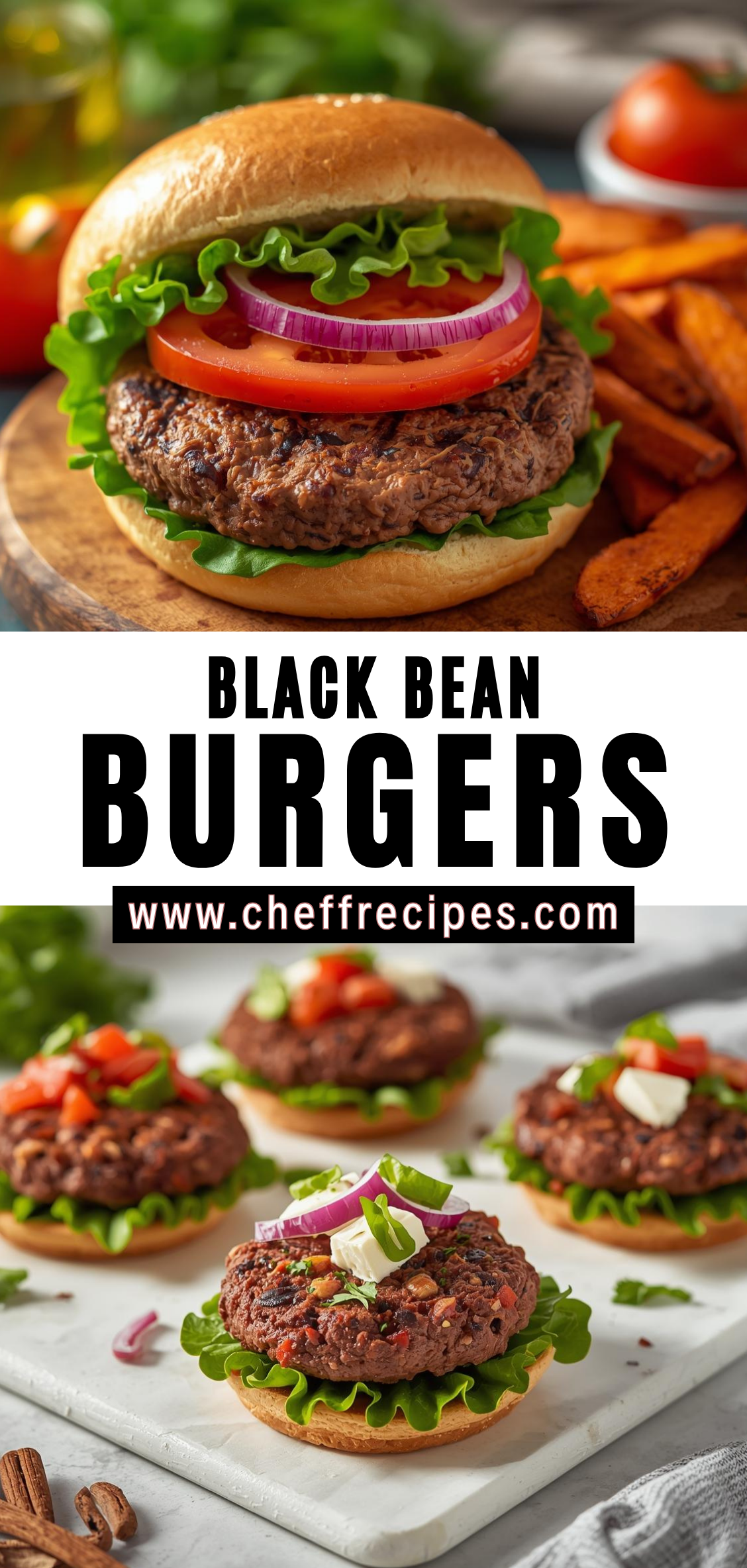
Black Bean Burgers
In recent years, plant-based diets have surged in popularity, not only among those seeking ethical or environmental choices but also among individuals pursuing healthier lifestyles. Among the many options for meat alternatives, the black bean burger stands out as a versatile, flavorful, and satisfying choice. Unlike traditional beef burgers, black bean burgers offer a unique combination of taste, nutrition, and customization potential, making them an ideal option for vegetarians, vegans, and even meat-eaters looking to reduce their consumption of animal products.
Ingredients
- 1 (15 oz) can black beans, drained and rinsed
- 1/2 cup breadcrumbs (or oats for gluten-free)
- 1/4 cup finely chopped onion
- 1/4 cup finely chopped bell pepper (optional)
- 1 large egg (or flax egg for vegan: 1 tbsp flaxseed + 3 tbsp water)
- 2 cloves garlic, minced
- 1 tsp cumin
- 1/2 tsp smoked paprika (optional)
- 1/4 tsp black pepper
- 1/4 tsp salt
- 1–2 tsp olive oil (for cooking)
- Optional toppings: Lettuce, tomato, avocado, cheese, pickles, ketchup, mustard
Instructions
- Mash the beans: In a medium bowl, mash the black beans with a fork or potato masher until mostly smooth, leaving some chunks for texture.
- Mix ingredients: Add the onion, bell pepper, garlic, cumin, paprika, salt, pepper, egg, and breadcrumbs. Mix until well combined. If the mixture feels too wet, add a bit more breadcrumbs; if too dry, add a splash of water.
- Form patties: Divide the mixture into 4 equal portions and shape each into a patty about 3/4 inch thick.
- Cook: Heat olive oil in a skillet over medium heat. Cook the patties for 4–6 minutes per side, until browned and heated through.
- Serve: Serve on burger buns with your favorite toppings.
Notes
- For extra flavor, add 1 tsp chili powder or a few dashes of hot sauce.
- These burgers can also be baked at 375°F (190°C) for 15–20 minutes, flipping halfway through.
- To make gluten-free, use gluten-free breadcrumbs or oats.