Buttered Lobster Pasta is a dish that sits at the intersection of elegance and comfort, combining the indulgent sweetness of lobster with the richness of butter and the familiar satisfaction of pasta. While often associated with fine dining, this dish is rooted in simple culinary logic: high-quality ingredients treated gently and thoughtfully to let their natural flavors shine.
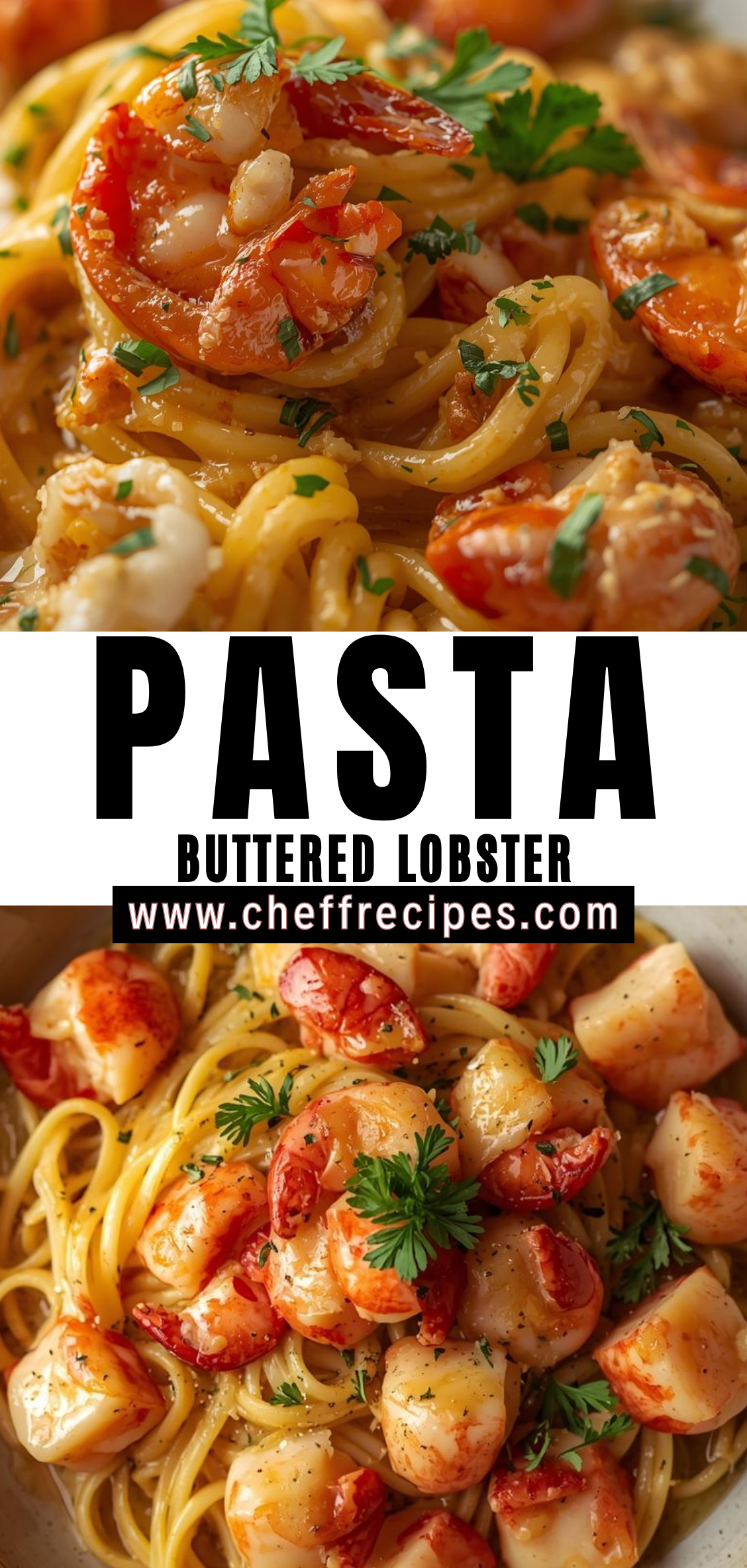
Buttered Lobster Pasta is not about heavy sauces or overwhelming seasonings; instead, it celebrates restraint, balance, and texture. When prepared correctly, it delivers a silky, aromatic experience that feels special without being intimidating, making it ideal for celebrations, romantic dinners, or moments when you simply want to elevate an everyday meal.
Why Lobster and Pasta Are a Perfect Pair
Lobster and pasta complement each other because they offer contrasting yet harmonious textures and flavors. Lobster meat is firm, tender, and subtly sweet, while pasta provides structure and neutral richness that absorbs sauce beautifully. Butter acts as the bridge between the two, enhancing the lobster’s natural sweetness while coating the pasta in a glossy, luxurious finish. Unlike heavily spiced seafood dishes, Buttered Lobster Pasta relies on simplicity, allowing each bite to feel clean, rich, and deeply satisfying without palate fatigue.
Understanding the Flavor Profile of Buttered Lobster Pasta
The defining characteristic of Buttered Lobster Pasta is balance. The sweetness of lobster must not be masked, the butter must be rich but not greasy, and any supporting ingredients should enhance rather than dominate. Garlic adds gentle pungency, lemon introduces brightness, and herbs contribute freshness. Salt is essential but restrained, as lobster is naturally briny. When done correctly, the dish tastes rich yet light, indulgent yet refined, proving that luxury does not require excess.
Choosing the Right Lobster
Fresh lobster is ideal for this dish, whether whole lobsters cooked at home or high-quality lobster tails. Cold-water lobsters are preferred because their meat is firmer and sweeter. Frozen lobster can be used if properly thawed, but fresh will always yield the best texture and flavor. The lobster should be cooked just until tender, as overcooking results in rubbery meat that detracts from the dish’s elegance. Removing the meat carefully and cutting it into generous pieces ensures that lobster remains the star rather than disappearing into the pasta.
Pasta Selection Matters
The choice of pasta plays a crucial role in Buttered Lobster Pasta. Long noodles such as linguine, spaghetti, or fettuccine work particularly well because they twirl easily and hold butter-based sauces evenly. Fresh pasta adds an extra layer of luxury due to its tender texture, but dried pasta of good quality is equally effective. The pasta should be cooked until just al dente, allowing it to finish cooking in the sauce and absorb flavor without becoming mushy.
The Role of Butter in the Dish
Butter is more than just a fat in this recipe; it is the foundation of the sauce. High-quality unsalted butter is essential, as it allows precise control over seasoning. The butter should be melted gently, never browned aggressively, unless a subtle nutty note is desired. In Buttered Lobster Pasta, butter serves to coat, enrich, and unify the ingredients, creating a silky mouthfeel that defines the dish. Adding butter in stages helps maintain emulsification and prevents separation.
Garlic, Aromatics, and Supporting Ingredients
Garlic is used sparingly in Buttered Lobster Pasta to avoid overpowering the lobster. It should be gently sautéed in butter until fragrant, not browned. Shallots may be added for mild sweetness, while a splash of white wine can introduce acidity and depth. Lemon zest or juice brightens the dish, cutting through richness and highlighting the lobster’s sweetness. Fresh herbs such as parsley, chives, or tarragon add color and freshness without distracting from the core flavors.
Technique: Building the Sauce
The sauce for Buttered Lobster Pasta is built directly in the pan, making it both efficient and flavorful. After gently sautéing aromatics in butter, lobster meat is warmed briefly to infuse the butter with seafood essence. Cooked pasta is then added along with a small amount of pasta water, which helps emulsify the sauce and create a silky coating. The dish is finished with additional butter, lemon, and herbs, creating a cohesive, glossy sauce that clings to every strand of pasta.
Texture and Timing
Timing is critical when preparing Buttered Lobster Pasta. Lobster should be added near the end to avoid overcooking, and pasta should be tossed quickly to maintain its texture. The goal is harmony, where each component retains its integrity while contributing to the whole. Overworking the dish can lead to broken sauce or tough lobster, so gentle heat and attentive stirring are essential.
Serving and Presentation
Buttered Lobster Pasta is best served immediately, while the sauce is glossy and the lobster tender. Presentation should be simple and elegant, emphasizing the natural beauty of the lobster and pasta rather than elaborate garnishes. A light sprinkle of fresh herbs and a final touch of lemon zest are often sufficient. This dish pairs well with a crisp white wine and minimal sides, as its richness and flavor complexity stand on their own.
Variations and Personal Touches
While the classic version relies on butter, lobster, and pasta, variations can be made to suit personal preferences. Some cooks add a touch of cream for extra richness, while others incorporate chili flakes for gentle heat. Parmesan cheese is generally avoided, as it can overpower the lobster, but a small amount may be used if desired. The key is restraint, ensuring that additions enhance rather than overshadow the lobster.
Common Mistakes to Avoid
Overcooking lobster is the most common mistake, resulting in tough, chewy meat. Using too much garlic or aggressive seasoning can mask the lobster’s delicate flavor. Another mistake is neglecting pasta water, which is essential for emulsifying the sauce. Finally, overheating the butter can cause separation, so gentle heat and patience are crucial throughout the cooking process.
Buttered Lobster Pasta Recipe
Ingredients
Lobster meat, cooked and cut into pieces, high-quality dried or fresh pasta, unsalted butter, garlic, shallots, white wine, lemon zest and juice, fresh parsley or chives, salt, black pepper, reserved pasta cooking water.
Instructions
Cook the pasta in well-salted water until al dente and reserve pasta water. In a wide pan, melt butter over low heat and gently sauté garlic and shallots until fragrant. Add lobster meat and warm briefly. Deglaze with white wine and reduce slightly. Add cooked pasta and a splash of pasta water, tossing gently to coat. Finish with additional butter, lemon zest, lemon juice, herbs, salt, and pepper. Serve immediately.
Why Buttered Lobster Pasta Feels Special
Buttered Lobster Pasta feels special because it transforms simple techniques into an elevated experience. It relies on attention, quality, and restraint rather than complexity. Each ingredient has a purpose, and each step contributes to a final dish that feels indulgent without excess. This balance is what makes it timeless and universally appealing.
Final Thoughts
Buttered Lobster Pasta is a celebration of simplicity done right. It honors the natural sweetness of lobster, the comforting familiarity of pasta, and the richness of butter in a way that feels refined yet approachable.
Buttered Lobster Pasta
An elegant yet comforting pasta dish featuring tender lobster tossed in a rich garlic-butter sauce with a touch of lemon. Simple ingredients let the sweetness of the lobster shine, making this perfect for a special dinner or celebration.
Ingredients
- 8 oz pasta (linguine, spaghetti, or fettuccine)
- 2 lobster tails (about 6–8 oz meat total), cooked and chopped
- 4 tbsp unsalted butter
- 2 tbsp olive oil
- 3 cloves garlic, minced
- ¼ tsp red pepper flakes (optional)
- Zest of ½ lemon
- 2 tbsp fresh lemon juice
- ¼ cup pasta cooking water (as needed)
- Salt and black pepper, to taste
- 2 tbsp chopped fresh parsley
- Optional: grated Parmesan or Pecorino (lightly, to finish)
Instructions
- Cook the pasta:
Bring a large pot of salted water to a boil. Cook pasta until al dente. Reserve ½ cup pasta water, then drain. - Prepare the lobster:
If not already cooked, gently boil or steam lobster tails until opaque (about 5–6 minutes). Remove meat from shells and chop into bite-size pieces. - Make the butter sauce:
In a large skillet over medium heat, add olive oil and butter. Once melted, add garlic and red pepper flakes. Cook 30–60 seconds until fragrant (do not brown). - Combine:
Add lobster meat to the skillet and gently warm for 1–2 minutes. Stir in lemon zest and lemon juice. - Toss with pasta:
Add drained pasta to the skillet. Toss gently, adding reserved pasta water a little at a time until the sauce lightly coats the pasta. - Finish:
Season with salt and black pepper to taste. Remove from heat and sprinkle with parsley. - Serve:
Serve immediately, optionally topped with a small amount of grated cheese.
Notes
- Do not overcook lobster: Lobster should be just warmed in the sauce to stay tender.
- Butter-forward flavor: Use high-quality butter for the best result.
- Creamy variation: Add ¼ cup heavy cream with the pasta water for a richer sauce.