Cajun Meatball Stew is the kind of dish that represents comfort, culture, and resilience all in one pot. Rooted in the traditions of Louisiana Cajun cooking, this stew combines richly seasoned meatballs, a dark and flavorful roux, the holy trinity of vegetables, and slow-simmered depth that develops layer upon layer of taste.
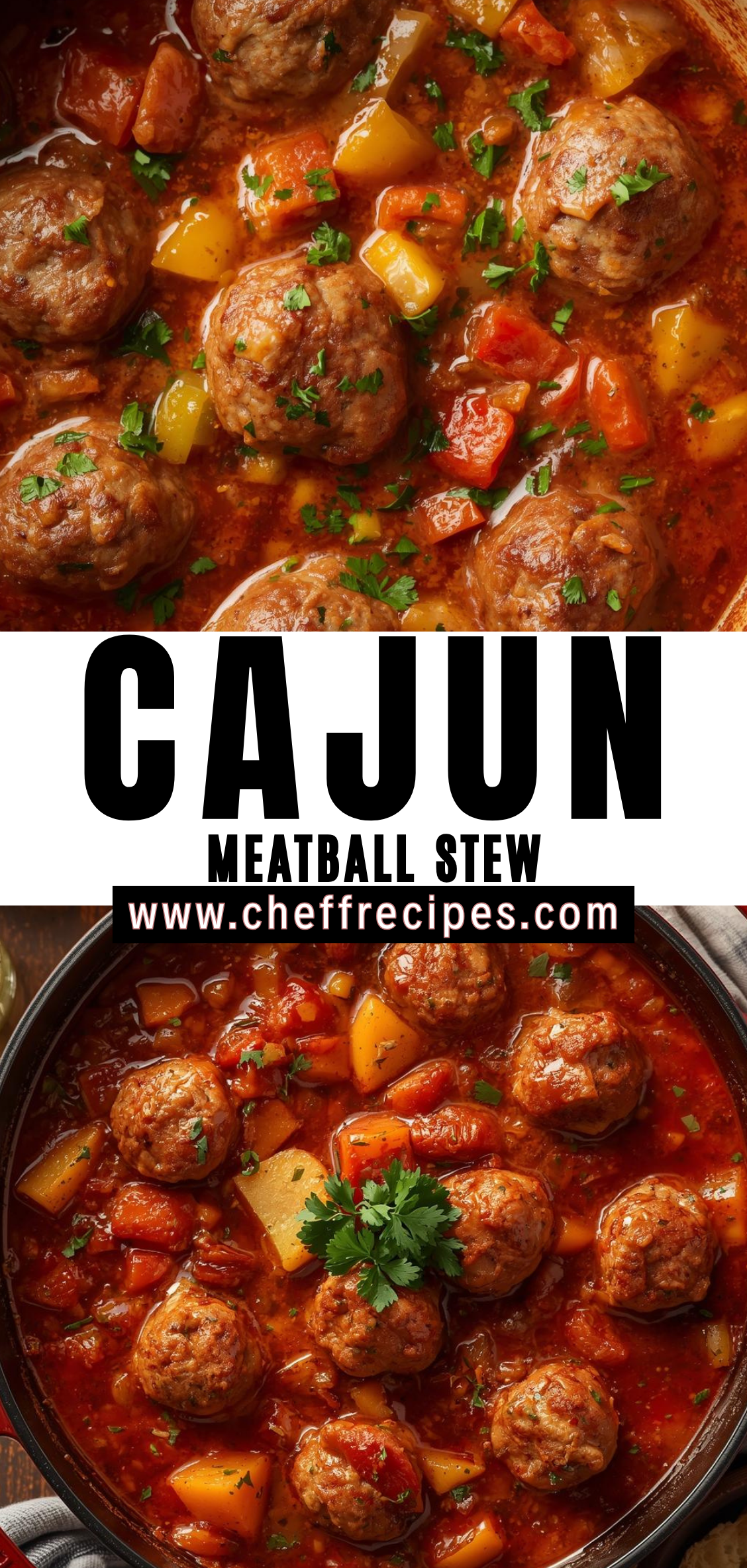
Cajun cuisine is not about shortcuts or flashiness; it is about building flavor patiently, respecting ingredients, and cooking food that nourishes both body and spirit. Cajun Meatball Stew reflects those values perfectly, offering hearty satisfaction while remaining adaptable, economical, and deeply personal to the cook preparing it. This post explores Cajun Meatball Stew from its cultural roots to ingredient choices, techniques, variations, and finally a complete step-by-step recipe designed to help you master the dish with confidence.
The Cultural Roots of Cajun Meatball Stew
Cajun cooking originated with the Acadian people, French settlers who were expelled from Canada in the 18th century and eventually settled in southern Louisiana. Faced with limited resources, they learned to cook creatively, using local ingredients and maximizing flavor through technique rather than luxury. Stews became central to Cajun cuisine because they could feed many people, stretch affordable cuts of meat, and improve with time. Meatball stew likely developed as a way to use ground meat efficiently, combining pork, beef, or a mixture of both with breadcrumbs, onions, and spices to create filling, flavorful portions. Over time, each family developed its own version, but the essence remained the same: seasoned meatballs simmered slowly in a rich, savory gravy infused with Cajun spices and vegetables.
Why Meatballs Work So Well in Cajun Stew
Meatballs are ideal for stews because they offer a balanced texture and absorb surrounding flavors while retaining their own seasoning. In Cajun Meatball Stew, the meatballs act as both protein and flavor carriers. The spices mixed into the meatballs bloom as they cook, infusing the stew with garlic, cayenne, black pepper, and herbs. Their rounded shape allows for even cooking, and their surface area helps them pick up the deep flavors of the roux-based gravy. Unlike large cuts of meat that require long cooking times to become tender, meatballs are naturally tender when mixed correctly, making them perfect for a stew that balances richness with approachability.
Understanding Cajun Flavor Philosophy
Cajun food is bold but balanced, spicy but not overpowering, rustic but deeply intentional. The flavor philosophy revolves around layering. Instead of relying on one dominant spice, Cajun cooking builds complexity by adding seasonings at different stages. The base often starts with a roux, which adds nutty depth. Next comes the holy trinity of onions, bell peppers, and celery, providing sweetness, bitterness, and herbal notes. Garlic adds pungency, while spices such as paprika, cayenne, thyme, and bay leaf create warmth and aroma. Cajun Meatball Stew exemplifies this philosophy by integrating flavor at every step, from seasoning the meatballs to finishing the stew with final adjustments of salt and spice.
The Role of the Roux in Cajun Meatball Stew
The roux is arguably the most important component of Cajun Meatball Stew. Made by cooking flour and fat together until it reaches a deep brown color, the roux thickens the stew and adds a distinctive toasted flavor. Unlike lighter roux used in other cuisines, Cajun roux is cooked longer, sometimes approaching the color of dark chocolate. This depth gives the stew its signature richness. Making a roux requires patience and attention, as it can burn easily. However, once mastered, it becomes a powerful tool that transforms simple ingredients into something extraordinary.
Choosing the Right Meat for the Meatballs
Traditionally, Cajun meatballs are made with ground beef, ground pork, or a combination of both. Beef provides richness and structure, while pork adds moisture and sweetness. Some cooks prefer all beef for a firmer texture, while others swear by a beef-and-pork blend for maximum flavor. The fat content is important; meat that is too lean can result in dry meatballs. A ratio around 80/20 works well. The meat should be fresh and mixed gently to avoid toughness, allowing the seasonings and binders to distribute evenly without compacting the mixture.
Seasoning the Meatballs the Cajun Way
Seasoning is where Cajun Meatball Stew truly comes alive. Typical seasonings include salt, black pepper, cayenne pepper, paprika, garlic powder, onion powder, and sometimes dried thyme or parsley. Unlike heavily processed spice blends, traditional Cajun seasoning emphasizes balance rather than extreme heat. Cayenne adds warmth, not aggression. Garlic and onion powders reinforce the savory backbone, while paprika contributes color and mild smokiness. Breadcrumbs or soaked bread help retain moisture, and eggs bind the mixture together. Finely chopped onions or green onions may also be added to enhance flavor and texture.
The Holy Trinity: Foundation of Cajun Cooking
No Cajun stew is complete without the holy trinity of onions, bell peppers, and celery. This trio forms the aromatic foundation of the dish, similar to mirepoix in French cooking. Onions provide sweetness and depth, bell peppers contribute vegetal brightness, and celery adds herbal bitterness. In Cajun Meatball Stew, the trinity is sautéed in the roux, allowing the vegetables to soften and release their flavors into the fat. This step creates the backbone of the stew and ensures that every spoonful carries complexity and balance.
Building the Stew Base
Once the roux and trinity are combined, liquid is added gradually to create the stew base. Traditionally, this liquid is stock or broth, often beef or chicken depending on availability. The liquid must be added slowly while stirring to prevent lumps and ensure a smooth consistency. As the stew comes together, bay leaves, thyme, and additional spices are introduced. The base should be thick but pourable, coating the back of a spoon without feeling gluey. This texture allows the meatballs to simmer gently, absorbing flavor while contributing their own juices to the stew.
Cooking Techniques That Matter
Cajun Meatball Stew is not rushed. After the meatballs are formed, they are often browned lightly before being added to the stew. This step enhances flavor through caramelization and helps the meatballs hold their shape. Once in the stew, the heat is reduced to a gentle simmer. Boiling is avoided, as it can toughen the meatballs and cause the sauce to separate. Low and slow cooking allows the flavors to meld, the roux to mellow, and the meatballs to become tender without falling apart.
The Importance of Patience
Patience is an essential ingredient in Cajun Meatball Stew. From carefully stirring the roux to allowing the stew to simmer undisturbed, the dish rewards those who take their time. The flavor improves as it cooks, and it often tastes even better the next day after the spices have fully integrated. This quality makes it ideal for family meals, gatherings, or meal prep, as it can be made ahead and reheated gently without losing quality.
Serving Cajun Meatball Stew
Traditionally, Cajun Meatball Stew is served over white rice, which helps balance the richness and soak up the flavorful gravy. The rice acts as a neutral canvas, allowing the stew’s complexity to shine. Some people prefer to serve it with crusty bread or cornbread, while others enjoy it on its own. Garnishes are minimal, often limited to chopped green onions or parsley, keeping the focus on the stew itself rather than embellishments.
Variations Across Families and Regions
Like many traditional dishes, Cajun Meatball Stew varies from family to family. Some versions include tomatoes for added acidity, while others remain strictly brown and savory. Some cooks add smoked sausage to deepen the flavor, while others keep the stew meatball-focused. Spice levels vary widely, from mild and comforting to boldly spicy. These variations reflect personal taste, regional influences, and available ingredients, demonstrating the adaptability of Cajun cooking.
Nutritional and Practical Considerations
Cajun Meatball Stew is hearty and filling, making it suitable for feeding large groups. It provides protein from the meatballs, carbohydrates from the rice, and nutrients from the vegetables. While it is rich, portion control and ingredient choices can make it part of a balanced meal. Using homemade stock, controlling salt levels, and including generous amounts of vegetables can enhance both flavor and nutrition.
Common Mistakes to Avoid
One common mistake is rushing the roux, which can result in a raw flour taste or burnt bitterness. Another is overmixing the meatball mixture, leading to dense texture. Using too much heat during simmering can cause the stew to separate or the meatballs to become tough. Under-seasoning is also a risk, as Cajun dishes rely on layered seasoning rather than last-minute adjustments. Tasting throughout the cooking process helps avoid these issues.
Cajun Meatball Stew Recipe
Ingredients
For the Meatballs: ground beef or beef and pork blend, breadcrumbs or soaked bread, egg, finely chopped onion, garlic, salt, black pepper, cayenne pepper, paprika, dried thyme, green onions.
For the Stew: oil or bacon fat, flour, onion, bell pepper, celery, garlic, beef or chicken stock, bay leaves, dried thyme, paprika, cayenne pepper, salt, black pepper, cooked white rice for serving.
Instructions
To prepare the meatballs, combine the ground meat, breadcrumbs, egg, onion, garlic, and seasonings in a bowl. Mix gently until just combined, then form into evenly sized meatballs and set aside. In a heavy pot, heat oil or fat over medium heat and add flour, stirring constantly to create a roux. Cook until the roux reaches a deep brown color. Add the onion, bell pepper, and celery, stirring to stop the roux from darkening further, then cook until softened. Add garlic and cook briefly. Gradually whisk in stock until smooth, then add bay leaves and spices. Bring to a gentle simmer. Brown the meatballs lightly in a separate pan, then add them to the stew. Cover and simmer gently until the meatballs are cooked through and the stew has thickened. Adjust seasoning and serve over rice.
Why Cajun Meatball Stew Endures
Cajun Meatball Stew endures because it represents more than just a recipe. It embodies history, adaptability, and communal cooking. It is forgiving, customizable, and deeply satisfying. Each pot tells a story of family, place, and tradition. By taking the time to understand its components and techniques, you not only cook a meal but participate in a living culinary heritage that continues to nourish generations.
Final Thoughts
Cajun Meatball Stew is a dish that invites you to slow down, pay attention, and cook with intention.
Cajun Meatball Stew
A hearty Louisiana-style stew featuring tender, well-seasoned meatballs simmered in a rich roux-based gravy with the Cajun “holy trinity” (onion, bell pepper, celery). Bold, savory, and comforting—perfect over rice for a cozy family meal.
Ingredients
- Meatballs
- 1 lb ground beef (or ½ beef + ½ pork)
- ½ cup breadcrumbs or crushed saltine crackers
- 1 large egg
- ¼ cup finely chopped onion
- 2 cloves garlic, minced
- 1 tsp Cajun seasoning
- ½ tsp smoked paprika
- ½ tsp dried thyme
- ½ tsp salt
- ¼ tsp black pepper
- 2 tbsp milk or water
- Stew
- ¼ cup vegetable oil or butter
- ¼ cup all-purpose flour
- 1 medium onion, chopped
- 1 green bell pepper, chopped
- 2 celery stalks, chopped
- 3 cloves garlic, minced
- 1 tbsp tomato paste
- 4 cups beef broth
- 1–2 tsp Cajun seasoning (to taste)
- 1 bay leaf
- Salt and black pepper, to taste
- Optional garnish: chopped green onions or parsley
Instructions
- Make the meatballs:
In a large bowl, gently mix all meatball ingredients until just combined. Roll into 1½-inch balls and set aside. - Brown the meatballs:
Heat a large heavy pot or Dutch oven over medium heat. Add a small amount of oil and brown meatballs on all sides (they don’t need to cook through). Remove and set aside. - Prepare the roux:
In the same pot, add oil (if needed) and flour. Cook over medium heat, stirring constantly, until the roux turns a medium brown, about 8–10 minutes. - Build the flavor:
Add onion, bell pepper, and celery to the roux. Cook 5 minutes until softened. Stir in garlic and tomato paste; cook 1 minute. - Simmer the stew:
Gradually whisk in beef broth until smooth. Add Cajun seasoning, bay leaf, and browned meatballs. - Cook:
Reduce heat to low, cover, and simmer 25–30 minutes, stirring occasionally, until meatballs are tender and gravy thickens. - Finish & serve:
Season with salt and pepper to taste. Remove bay leaf. Serve hot over steamed rice.
Notes
- Roux color: A medium-brown roux gives deep flavor without bitterness. Darker roux = stronger taste.
- Spice level: Cajun seasoning varies—start mild and add more as needed.
- Make ahead: Tastes even better the next day; refrigerate up to 3 days.