Few dishes embody the essence of indulgent comfort food quite like a cheesesteak, with its iconic blend of tender shaved steak, caramelized onions, melted cheese, and soft bread. At the same time, few foods are quite as universally beloved and versatile as stuffed pasta, particularly tortellini, with its ability to transform humble ingredients into something warm, filling, and deeply satisfying. Bringing these two culinary worlds together creates a dish that feels both familiar and unexpected: Cheesesteak Tortellini with a Creamy Sauce. It merges the beloved flavors of a traditional cheesesteak with the luxurious richness of pasta bathed in a velvety cream sauce. This fusion results in a meal that feels indulgent enough to serve on a special occasion yet approachable and comforting enough for a weeknight dinner.
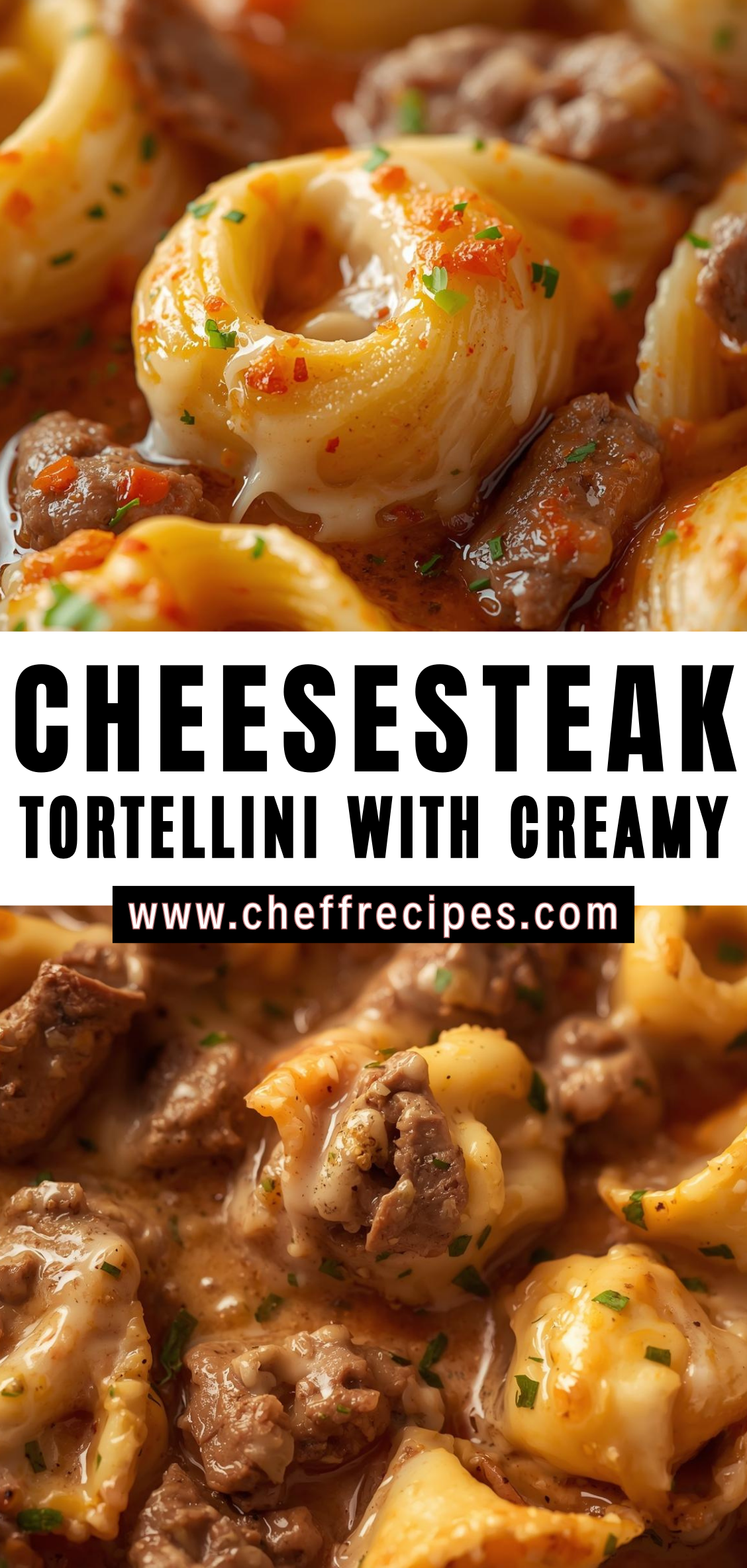
The inspiration for this dish lies in an appreciation for classic American comfort food and the timeless pleasure of Italian-inspired pasta. A cheesesteak, with its straightforward ingredients and intense flavor, is a dish built on the harmony of textures and the honest satisfaction that comes from simple components cooked well. Tortellini, on the other hand, offers a different kind of comfort. Originating in the Emilia-Romagna region of Italy, tortellini is traditionally filled with cheese or meat, folded into a signature ring shape, and celebrated for its ability to hold sauces beautifully. When these two ideas come together, the result is a meal that highlights the strengths of both culinary traditions: the savory depth of a cheesesteak and the luxurious, sauced-coated appeal of pasta.
This recipe is designed not merely as a playful reinvention but as a cohesive, fully developed dish that honors the essence of both inspirations. Tender steak, sautéed onions, and peppers echo the familiar flavors of a classic cheesesteak. The tortellini adds a delightful bite and richness, especially when stuffed with cheese that melts into the surrounding sauce. The creamy sauce itself elevates the dish further, blending cheese, aromatics, and broth into a velvety coating that ties everything together. Each forkful carries layers of textures and flavors: the soft chew of pasta, the tenderness of steak, the sweetness of caramelized vegetables, and the lush creaminess of the sauce.
One of the most appealing aspects of Cheesesteak Tortellini is its versatility. It lends itself to personalization depending on preferences and cooking style. You can choose traditional beef or swap in chicken or even mushrooms for a vegetarian variation. You can keep the sauce simple and mild or deepen it with sharp cheeses, herbs, or spices. You can add additional vegetables, adjust the richness, or build on the cheesesteak inspiration by incorporating mushrooms, hot peppers, or even provolone-style sauces. The dish adapts well to different occasions and appetites: it can be hearty and decadent or lighter and more vegetable-forward, depending on the direction you take it.
Beyond flexibility, there is also practicality. Despite its luxurious flavor, the dish can be surprisingly straightforward to prepare. With a few foundational techniques—properly cooking the steak, allowing the onions to soften and caramelize, constructing the sauce with patience, and ensuring the tortellini is cooked just until tender—you can create a meal that tastes restaurant-worthy without requiring complicated steps. The ingredients are readily accessible, and the components can be prepared ahead of time, making it ideal for busy households seeking comfort food without sacrificing quality.
Cheesesteak Tortellini with Creamy Sauce also captures the spirit of modern home cooking, where creativity and familiarity intersect. Many cooks today seek meals that feel comforting yet innovative, dishes that respect tradition while offering new experiences. This recipe delivers exactly that, transforming a well-loved sandwich into something entirely new while retaining the flavors people crave. It plays with nostalgia while offering a fresh perspective, proving that even classic dishes can find new life through imaginative combinations.
As you move through this recipe, you will see that each stage is designed to enhance flavor and texture, from the choice of steak and seasoning to the method for building the cream sauce. The goal is not simply to make a novelty dish but to create a meal that feels well-rounded, deeply enjoyable, and memorable. Whether you are preparing it for your family, serving it to guests, or making it for yourself on a quiet evening, Cheesesteak Tortellini invites you to enjoy a comforting, indulgent plate of food that captures the best of two culinary traditions.
Step-by-Step Instructions (Highly Detailed)
Transforming the essence of a cheesesteak into a luscious pasta dish requires attention to texture, layering of flavors, and precise timing. Each stage of this recipe builds upon the one before it, ensuring that the steak remains tender, the vegetables caramelize properly, the tortellini cooks to the ideal tenderness, and the cream sauce develops depth without becoming heavy or cloying. The following steps are written with clarity and depth so that both novice and experienced cooks can achieve consistent, exceptional results.
Step 1: Prepare Your Workspace and Gather Equipment
Before handling ingredients, set up your kitchen so the process flows smoothly.
-
Clear a spacious area of your countertop for prepping vegetables, slicing steak, and arranging ingredients.
-
Set out your tools: a sharp chef’s knife, cutting board, large skillet or sauté pan, medium saucepan, wooden spoon or spatula, whisk, measuring cups, and a large pot for boiling the tortellini.
-
Confirm you have all necessary ingredients measured and ready. This practice, known as mise en place, prevents interruptions while cooking.
-
Fill a large pot with water for the tortellini, but wait to boil it until your steak and vegetables are underway; this prevents overcooking the pasta or allowing it to cool while the sauce finishes.
Preparing your workspace not only keeps the process efficient but also helps maintain food safety—especially when handling raw steak.
Step 2: Slice the Steak Properly
The texture of this dish depends heavily on the tenderness and consistency of the steak slices.
-
If using raw steak such as ribeye, flank, or sirloin, place it in the freezer for about 20 minutes before slicing. This firming technique makes thin slicing significantly easier.
-
Once chilled slightly, transfer the steak onto a cutting board and use a sharp knife to slice it against the grain into thin, bite-sized strips. Thin slices mimic the texture of traditional cheesesteak meat and cook quickly without becoming tough.
-
Trim any large pieces of fat or gristle. While some marbling contributes flavor, an excess can disrupt the texture of the dish.
-
Season the strips lightly with salt and pepper. Avoid heavy seasoning at this point, as the dish gains flavor during sautéing and sauce-building.
Proper slicing ensures that the steak cooks evenly and remains tender in the final dish.
Step 3: Prepare and Sauté the Vegetables
Caramelized onions and peppers form the aromatic backbone of a cheesesteak-inspired dish.
-
Thinly slice one large onion and one bell pepper. A mix of colors, such as half green and half red, provides both sweetness and visual appeal.
-
Heat a tablespoon of oil or butter in a large skillet over medium heat.
-
Once the fat is shimmering, add the onions and peppers. Spread them evenly across the pan so they sauté rather than steam.
-
Allow them to cook undisturbed for the first two minutes to encourage browning. Afterward, stir occasionally, scraping up any browned bits.
-
Continue cooking until the vegetables soften and take on a deep golden color—about 10 to 12 minutes. This step replicates the signature flavor of cheesesteak onions and peppers, which are never rushed and always allowed to caramelize naturally.
-
When finished, transfer the vegetables to a bowl and set aside.
Proper caramelization deepens the dish’s savory sweetness and builds the layered flavors that define a great cheesesteak.
Step 4: Cook the Steak
Steak requires high heat and brief cooking to develop flavor while preserving tenderness.
-
Return the skillet to the stove and increase the heat to medium-high. Add a splash of oil if the pan looks dry.
-
Place the sliced steak into the hot pan in a single layer. Avoid overcrowding, as this causes steaming instead of browning.
-
Allow the steak to brown on one side for about 1 to 2 minutes before stirring.
-
Continue cooking for another 1 to 2 minutes until just cooked through. Steak used in cheesesteaks is typically cooked quickly to maintain tenderness.
-
If moisture begins to accumulate, briefly increase the heat so the liquid evaporates and the steak caramelizes.
-
Once cooked, remove the steak and set it aside with the vegetables.
This step ensures that the steak retains both flavor and texture before entering the creamy sauce.
Step 5: Boil the Tortellini
Timing the pasta is crucial so it can be added to the sauce fresh and hot.
-
Bring the pot of water to a rolling boil and salt it generously—pasta water should taste like light broth.
-
Add the tortellini and stir gently to prevent sticking.
-
Cook according to package instructions, usually 3 to 5 minutes, until the tortellini float and become tender.
-
Reserve ½ cup of pasta water before draining.
-
Drain the tortellini but do not rinse. Rinsing removes starch that helps the sauce adhere smoothly.
The tortellini should be cooked shortly before combining with the sauce to ensure maximum warmth and tenderness.
Step 6: Build the Creamy Cheesesteak Sauce
The sauce is the heart of this dish, tying together the pasta, steak, and vegetables.
-
In the same skillet used for the steak and vegetables, lower the heat to medium and melt two tablespoons of butter.
-
Add minced garlic and sauté for 30 seconds until fragrant. Garlic burns quickly, so keep the heat moderate.
-
Sprinkle in a tablespoon of flour and whisk to form a roux. The mixture should resemble a thick paste.
-
Cook the roux for about one minute to remove the raw flour taste.
-
Gradually pour in one cup of beef broth, whisking continuously to avoid lumps.
-
When the broth begins to thicken, add one cup of heavy cream or a mixture of cream and milk if you prefer a lighter sauce.
-
Simmer the sauce gently for 3 to 5 minutes, allowing it to thicken into a silky consistency. Avoid boiling, which can separate the cream.
-
Add shredded provolone, mozzarella, or a blend of mild melting cheeses. Stir until fully incorporated.
-
Season with salt, pepper, and optional additions like Worcestershire sauce, paprika, or crushed red pepper.
-
Taste the sauce, adjusting seasoning to your preference.
This step transforms basic ingredients into a velvety sauce reminiscent of classic cheesesteak cheese but elevated with creaminess and depth.
Step 7: Combine Steak, Vegetables, and Tortellini
Now the components come together into one cohesive dish.
-
Add the cooked steak and caramelized vegetables back into the skillet with the sauce.
-
Stir gently to distribute ingredients evenly throughout the creamy base.
-
Add the hot, freshly cooked tortellini.
-
If the sauce seems too thick, add a splash of reserved pasta water to loosen it.
-
Allow the mixture to simmer together for 1 to 2 minutes so the flavors meld.
At this stage, the kitchen fills with the aroma of steak, onions, and creamy cheese—an unmistakable signal that the dish is nearing completion.
Step 8: Final Adjustments and Presentation
Presentation matters, especially with a rich pasta dish like this.
-
Turn off the heat and let the mixture rest for a minute to thicken slightly.
-
Taste again and adjust seasoning if necessary.
-
Spoon the Cheesesteak Tortellini into serving bowls or a large platter.
-
Garnish with fresh parsley, cracked black pepper, or shaved cheese for a polished finish.
-
Serve immediately while still warm and creamy.
Each serving should feature a generous balance of tortellini, steak, vegetables, and sauce, ensuring every bite reflects the full flavor of the dish.
Cheesesteak Tortellini with Creamy
Few dishes embody the essence of indulgent comfort food quite like a cheesesteak, with its iconic blend of tender shaved steak, caramelized onions, melted cheese, and soft bread. At the same time, few foods are quite as universally beloved and versatile as stuffed pasta, particularly tortellini, with its ability to transform humble ingredients into something warm, filling, and deeply satisfying. Bringing these two culinary worlds together creates a dish that feels both familiar and unexpected: Cheesesteak Tortellini with a Creamy Sauce. It merges the beloved flavors of a traditional cheesesteak with the luxurious richness of pasta bathed in a velvety cream sauce. This fusion results in a meal that feels indulgent enough to serve on a special occasion yet approachable and comforting enough for a weeknight dinner.
Ingredients
- 1 lb cheese tortellini (fresh or refrigerated)
- 1 lb thinly sliced steak (ribeye, sirloin, or shaved beef)
- 1 tbsp olive oil
- 1 tbsp butter
- 1 medium onion, sliced
- 1 green bell pepper, sliced
- 1 red bell pepper, sliced
- 2 cloves garlic, minced
- 1 cup heavy cream
- ½ cup beef broth
- 1 tbsp Worcestershire sauce
- 1 tsp Italian seasoning
- ½ tsp paprika
- Salt and pepper to taste
- 1 ½ cups shredded provolone or mozzarella
- Optional garnish: chopped parsley
Instructions
1. Cook the Tortellini
- Bring a large pot of salted water to a boil.
- Cook the tortellini according to package directions.
- Drain and set aside.
2. Cook the Steak
- Heat olive oil in a large skillet over medium-high heat.
- Add the sliced steak, season with salt and pepper, and cook until browned (about 3–4 minutes).
- Remove the steak from the skillet and set aside.
3. Sauté the Vegetables
- In the same skillet, add butter.
- Add onion and bell peppers; cook until softened, about 5–7 minutes.
- Add garlic and cook for 1 minute more.
4. Make the Creamy Sauce
- Stir in the heavy cream, beef broth, Worcestershire sauce, Italian seasoning, and paprika.
- Bring to a gentle simmer and cook for 3–4 minutes until slightly thickened.
- Add the shredded provolone (or mozzarella) and stir until melted into a creamy sauce.
5. Combine Everything
- Return the cooked steak to the skillet.
- Add the tortellini and toss to fully coat with the creamy cheesesteak sauce.
- Simmer for 1–2 minutes to heat through.
Notes
- Cheese options: Provolone gives classic cheesesteak flavor; mozzarella or Monterey Jack also work well.
- Add mushrooms: Sliced mushrooms make it even more authentic and hearty.
- Heat option: Add crushed red pepper flakes or a dash of hot sauce.
- Lighter version: Substitute half-and-half for heavy cream (sauce will be thinner).
- Make ahead: The sauce can be made a day ahead—store separately and mix with fresh tortellini during reheating.