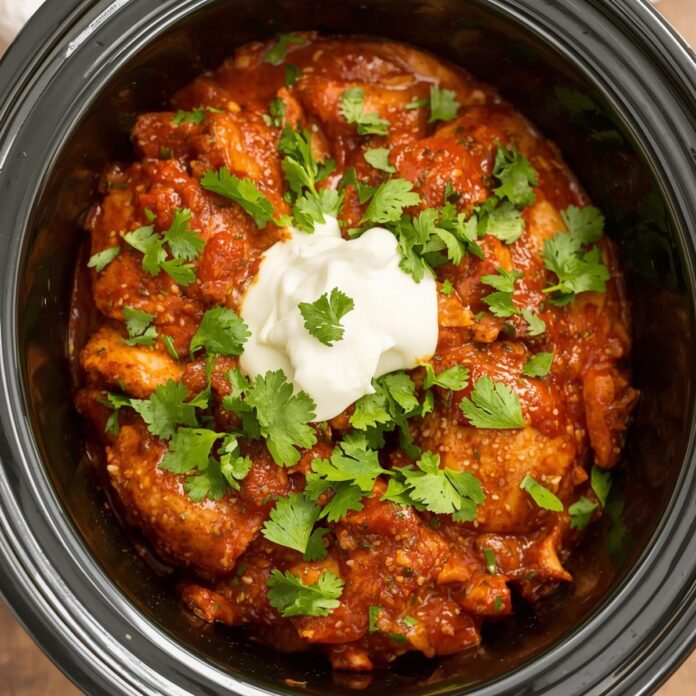
There are few dishes as universally comforting as a bowl of warm, homemade soup. Across cultures and generations, soup has remained a symbol of nourishment, healing, and the familiar rhythms of home. Among the many variations that have earned a place at family tables, Chicken Tomato Rice Soup stands out as one of the most enduring and approachable classics. Its appeal lies not only in its simplicity but also in its versatility. It is the kind of dish that adapts easily to changing seasons, pantry constraints, personal taste preferences, and the needs of a household seeking warmth, sustenance, and a touch of tradition.
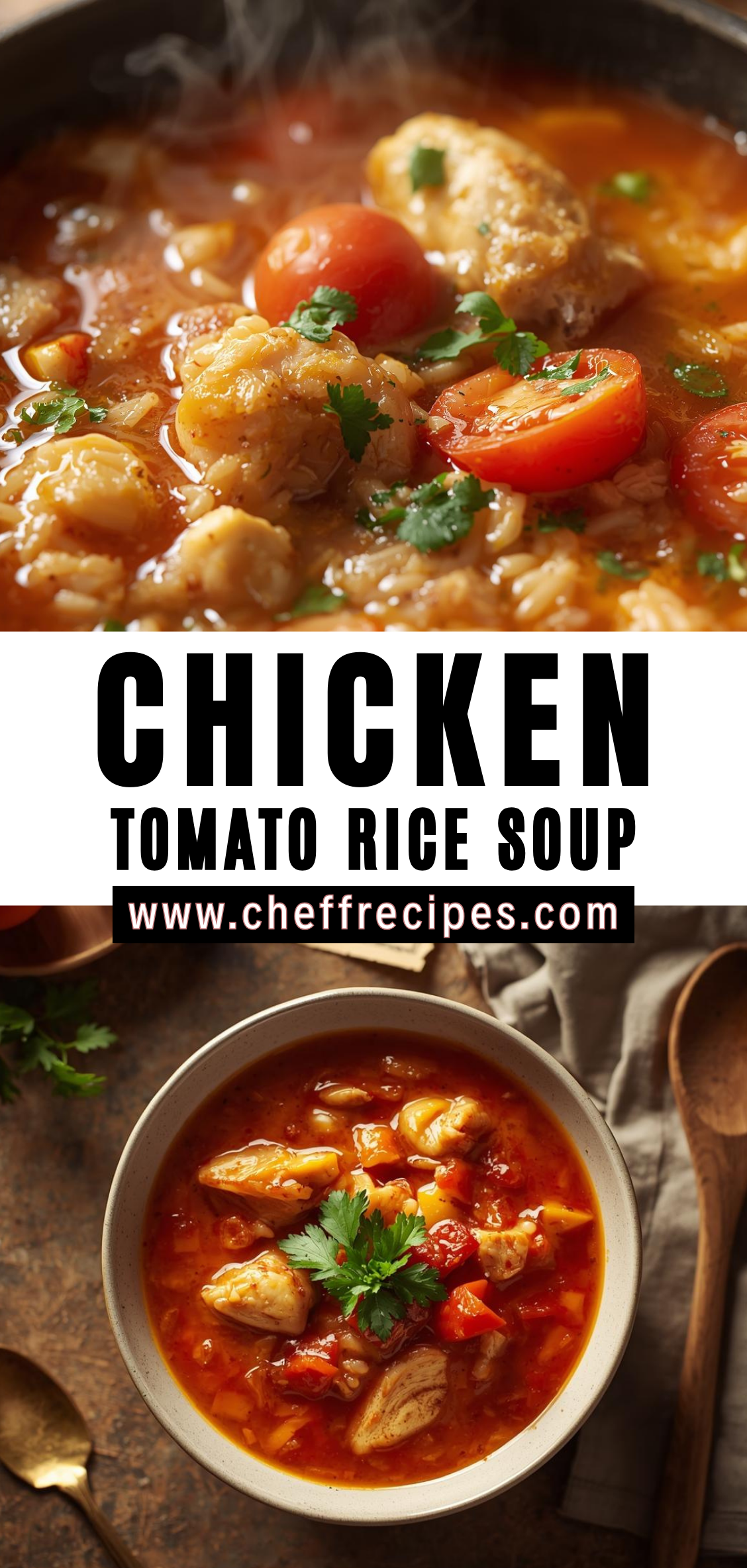
The origins of this particular combination—tender chicken, ripe tomatoes, and hearty rice—are difficult to trace to a single cuisine. Instead, it reflects a blending of culinary traditions that value practicality and resourcefulness. Chicken provides protein and richness; tomatoes bring acidity, brightness, and depth; rice adds body, satisfaction, and the gentle creaminess that develops as it slowly cooks in broth. Many cultures around the world have their own interpretation of a tomato-based chicken soup, and nearly all of them include a starch component that transforms the dish into a more substantial meal. This makes Chicken Tomato Rice Soup both familiar and adaptable, resonating with a wide range of tastes.
As home cooking continues to draw renewed interest, especially in times when people seek meals that are economical but still deeply flavorful, this soup has reemerged as a household favorite. It is budget-friendly, relying on common pantry staples that many cooks already keep on hand. It is also highly forgiving; it tolerates substitutions with grace, welcoming leftover vegetables, different rice varieties, or even alternative proteins without compromising its essential character. The straightforward process of simmering ingredients together in a single pot makes it accessible to beginners while still inviting creativity from those who enjoy experimenting in the kitchen.
Beyond practicality, Chicken Tomato Rice Soup evokes a sense of nostalgia. Many people remember variations of this dish from childhood: a steaming bowl served after a long school day, a restorative meal prepared during cold winter months, or a reliable recipe cooked by a parent or grandparent who valued simplicity and warmth over complexity. The aroma of simmering tomatoes and chicken often carries an emotional resonance that is difficult to replicate with more elaborate dishes. This introduction aims to honor that history while exploring techniques and ingredients that can elevate the soup without losing the comforting spirit that defines it.
In this comprehensive recipe and cooking guide, we will delve deeply into every aspect of Chicken Tomato Rice Soup—from ingredient selection and preparation methods to variations that reflect different cultural influences. We will explore the science behind developing a rich, balanced broth, discuss how rice choice affects texture, and examine the role of tomatoes in shaping flavor and acidity. Whether you prefer a rustic, chunky style or a smoother, more refined finish, this guide will help you craft a version of the dish that fits your taste and cooking style.
By the end, you will not only have a reliable recipe to follow but also the knowledge to adapt it to your own kitchen, ingredients, and personal preferences. The goal is to transform a simple, classic soup into a deeply satisfying culinary experience—one that invites repetition, refinement, and the joy of sharing a warm bowl with the people you care about.
Instructions (Highly Detailed)
Step 1: Prepare the Ingredients
Before any cooking begins, take a moment to organize your workspace. This soup comes together smoothly when each ingredient is prepped and measured in advance. Begin by trimming any excess fat from the chicken. If you are using bone-in chicken thighs or drumsticks, pat them dry with paper towels to encourage better browning later. If using boneless cuts, ensure they are cut into evenly sized pieces, roughly one to two inches in size, so they cook uniformly.
Dice the onions into small, even cubes to promote a consistent, gentle sweetness as they soften. Mince the garlic very finely or crush it with the flat side of a knife to release its oils, ensuring it integrates fully into the broth. Chop the carrots and celery into medium-sized pieces; too small and they may disintegrate during the long simmer, too large and they may remain overly firm. If using fresh tomatoes, peel and seed them before dicing; if using canned tomatoes, measure them out and lightly crush them with a spoon if they are whole or chunky.
Rinse the rice under cold running water until the water runs mostly clear. This step helps remove extra starch that can cause the soup to become overly thick or gluey. Keep all prepped ingredients within arm’s reach to make the cooking process efficient and controlled.
Step 2: Build the Flavor Base
Heat a large, heavy-bottomed pot or Dutch oven over medium to medium-high heat. Add a modest amount of oil, just enough to coat the bottom of the pot. When the oil is shimmering but not smoking, gently place the chicken pieces into the pot, skin side down if applicable. Allow the chicken to brown slowly, resisting the temptation to move it too early. Proper browning can take several minutes, but this step is essential; the caramelization that forms on the surface of the chicken contributes to the deep, savory backbone of the soup’s flavor.
Once the chicken has developed a golden-brown crust, turn it over and briefly brown the other side. You are not cooking it through at this stage; you are merely developing color and flavor. Remove the chicken from the pot and set it aside on a plate.
In the same pot, add a little more oil if necessary, then add the chopped onions. Reduce the heat slightly and cook them slowly, stirring occasionally, until they are translucent and beginning to caramelize. This process deepens their natural sweetness and forms the aromatic base of the soup. Add the minced garlic, stirring constantly for about thirty seconds to prevent it from burning. Next, add the celery and carrots, sautéing them until their edges begin to soften. This layering of flavors is what distinguishes a well-developed homemade soup from a simple boiled mixture.
Step 3: Deglaze the Pot
Once the vegetables have softened, it is time to deglaze. Pour a small amount of broth or water into the pot while gently scraping the bottom with a wooden spoon. This lifts the browned bits—known as fond—from the surface, integrating them into the liquid and enriching the soup’s flavor. Deglazing is a small step that yields significant results, adding depth and complexity to the final dish.
Step 4: Add Tomatoes and Seasonings
Stir in the diced tomatoes or canned tomatoes and incorporate them thoroughly into the mixture. Tomatoes contribute acidity, color, and natural sweetness, and their flavor will evolve as they simmer. Add dried herbs such as thyme, oregano, or bay leaves at this stage, allowing their aromas to bloom in the warm liquid. Season lightly with salt and pepper, remembering that you can adjust these levels later as the flavors concentrate.
Step 5: Return the Chicken and Add Broth
Place the browned chicken back into the pot, ensuring that any juices accumulated on the plate are added as well. Pour in the chicken broth, enough to fully submerge all ingredients by an inch or two. Increase the heat and bring the mixture to a steady simmer. Avoid a rapid boil, as it can toughen the chicken and lead to a cloudy broth. Maintain a gentle simmer and partially cover the pot to retain moisture while still allowing the liquid to reduce slightly.
Step 6: Simmer to Develop Flavor
Let the soup simmer for at least thirty to forty minutes if using boneless chicken, or forty-five minutes to an hour if using bone-in pieces. During this time, the chicken will tenderize and the vegetables will soften, allowing their flavors to meld. Check the pot occasionally, skimming off any impurities or excess fat that float to the surface. This step ensures a cleaner, clearer, and more refined broth.
Step 7: Add the Rice
Once the chicken is cooked through and tender, add the rinsed rice to the pot. Stir gently to distribute it evenly, then continue simmering. The cooking time for the rice will vary depending on the type used. Long-grain white rice typically requires fifteen to twenty minutes, while brown rice or wild rice blends may need significantly longer. Keep the soup at a gentle simmer, stirring occasionally to prevent the rice from sticking to the bottom of the pot.
During this stage, monitor the consistency carefully. The rice will absorb a significant amount of liquid as it cooks, thickening the soup. If the soup becomes too dense, simply add more broth or water, adjusting the seasoning as needed to maintain balance.
Step 8: Shred or Chop the Chicken
Once the rice is cooked to your desired texture, remove the chicken pieces from the pot. Allow them to cool slightly, then shred the meat using two forks or chop it into bite-sized pieces. Discard any bones, skin, or gristle. Return the shredded chicken to the pot, stirring well to reintegrate it into the soup.
Step 9: Taste and Adjust
At this stage, the flavors should be well-developed, but final adjustments are crucial. Taste the broth and consider what it needs. If it tastes flat, add a pinch of salt. If the acidity is too sharp, add a small amount of sugar or a splash of cream. If the soup feels too thick, loosen it with additional broth. If you prefer a brighter profile, add a few drops of lemon juice or a small amount of fresh chopped herbs. This final balancing step transforms a good soup into a memorable one.
Step 10: Final Simmer and Rest
Allow the soup to simmer for another five to ten minutes to integrate the added chicken and adjustments. Turn off the heat and let it rest for a short period before serving. Resting allows the flavors to settle and ensures a harmonious, well-rounded taste.
Chicken Tomato Rice Soup
There are few dishes as universally comforting as a bowl of warm, homemade soup. Across cultures and generations, soup has remained a symbol of nourishment, healing, and the familiar rhythms of home. Among the many variations that have earned a place at family tables, Chicken Tomato Rice Soup stands out as one of the most enduring and approachable classics. Its appeal lies not only in its simplicity but also in its versatility. It is the kind of dish that adapts easily to changing seasons, pantry constraints, personal taste preferences, and the needs of a household seeking warmth, sustenance, and a touch of tradition.
Ingredients
- 1 tablespoon olive oil
- 1 medium onion, diced
- 2 cloves garlic, minced
- 2 medium carrots, diced
- 2 celery stalks, diced
- 1 cup cooked shredded chicken (or rotisserie chicken)
- 1 cup uncooked white rice
- 1 can (14.5 oz) diced tomatoes
- 6 cups chicken broth
- 1 teaspoon dried basil
- 1 teaspoon dried oregano
- Salt and pepper to taste
- Optional: 1 cup fresh spinach or kale
- Optional: Fresh parsley for garnish
Instructions
1. Sauté the Vegetables
- Heat olive oil in a large pot over medium heat.
- Add onion, carrots, and celery; cook until softened (about 5 minutes).
- Stir in garlic and cook for another 30 seconds until fragrant.
2. Add Liquids and Seasonings
- Pour in the chicken broth and canned diced tomatoes (with juice).
- Add basil, oregano, salt, and pepper.
- Bring the mixture to a gentle boil.
3. Add Rice and Chicken
- Stir in the uncooked rice.
- Add shredded chicken to the pot.
- Reduce heat to medium-low and let the soup simmer for 18–20 minutes, or until rice is tender.
4. Finish and Serve
- If using spinach or kale, stir it in during the last 2 minutes of cooking.
- Taste and adjust seasoning.
- Serve hot, garnished with fresh parsley if desired.
Notes
- For a thicker soup, let it simmer a few extra minutes or add a tablespoon of tomato paste.
- Substitute brown rice for white rice, but increase the simmer time to 35–40 minutes.
- For a creamier version, stir in ¼ cup heavy cream at the end.
- This soup thickens as it sits; add a splash of broth when reheating.