Cilantro Lime Chicken is a vibrant, versatile dish that brings together citrusy brightness, herbaceous freshness, and savory depth in one balanced recipe.
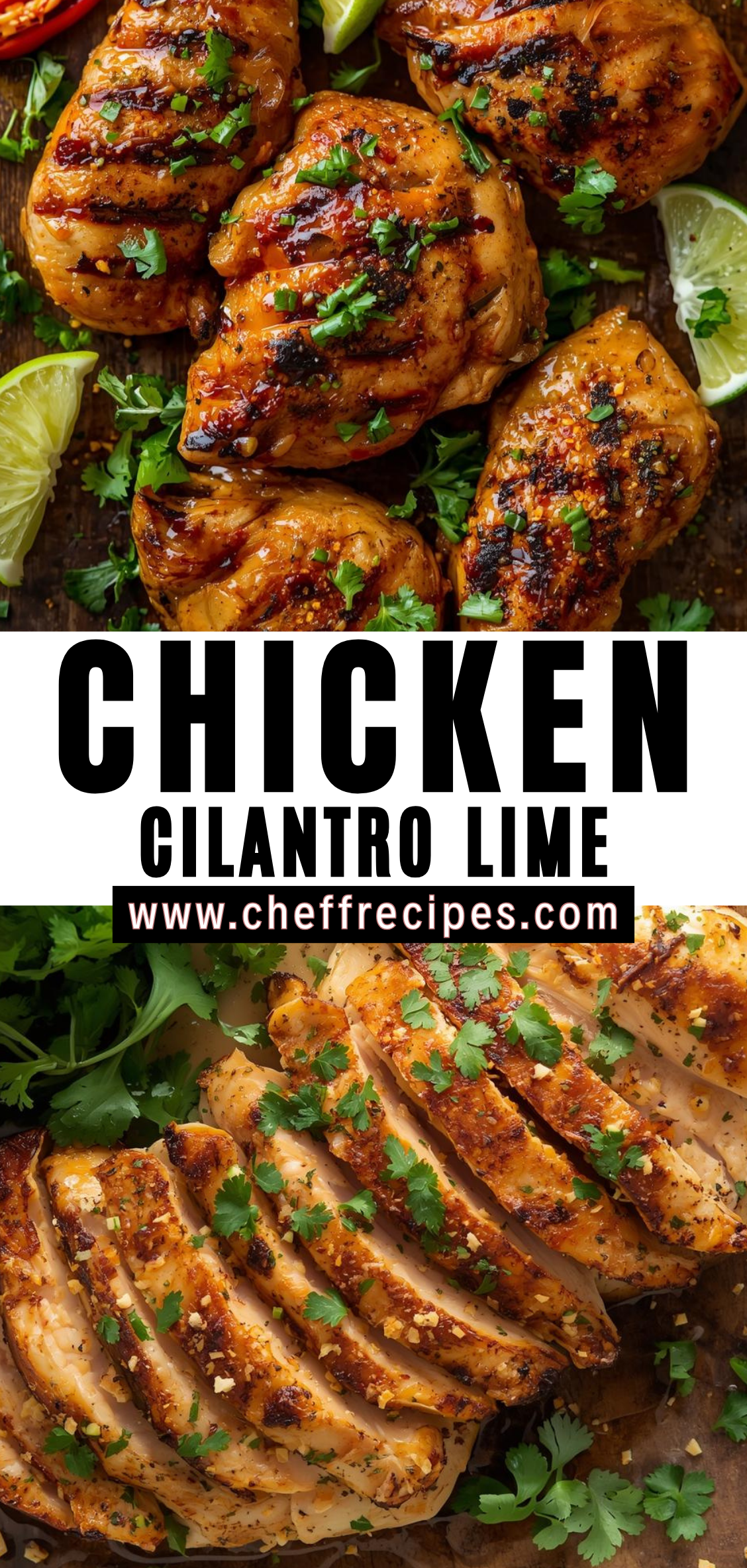
Popular across many cuisines and especially beloved in Southwest- and Latin-inspired cooking, this dish works equally well for quick weeknight dinners, meal prep, grilling season, or family gatherings. The combination of fresh lime juice, aromatic cilantro, garlic, and spices transforms simple chicken into something lively and crave-worthy without being heavy. This guide explores the flavors, techniques, and variations that make Cilantro Lime Chicken consistently juicy, flavorful, and adaptable to many meals.
Why Cilantro Lime Is a Classic Flavor Pairing
The Role of Lime
Lime brings acidity and brightness, cutting through the natural richness of chicken and enhancing its savory qualities. Its juice tenderizes the meat while its zest adds aromatic citrus notes that remain even after cooking.
The Freshness of Cilantro
Cilantro adds a clean, herbal character that balances spice and acidity. When used both in the marinade and as a finishing garnish, it provides layers of flavor rather than a single note.
How These Flavors Work Together
Together, cilantro and lime create a profile that is refreshing yet bold. The acidity wakes up the palate, while the herbs round out the sharpness, making the dish feel complete and well-balanced.
Choosing the Right Chicken
Chicken Breasts vs. Thighs
Boneless, skinless chicken breasts are lean and cook quickly, making them ideal for grilling or pan-searing. Chicken thighs, on the other hand, offer more fat and moisture, resulting in a richer, juicier final dish. Both work beautifully with cilantro lime flavors.
Importance of Even Thickness
Pounding chicken to an even thickness ensures uniform cooking. This step prevents dry edges and undercooked centers, especially when cooking over high heat.
Ingredients That Build Flavor
Citrus and Herbs
Fresh lime juice and zest form the backbone of the marinade, while chopped cilantro provides herbal freshness. Using fresh ingredients rather than bottled alternatives makes a noticeable difference in flavor clarity.
Aromatics
Garlic is essential, adding depth and savory warmth. Some variations include finely chopped onion or shallot to round out the flavor base.
Oil and Seasonings
Olive oil helps distribute flavors and prevents sticking during cooking. Salt, black pepper, cumin, and paprika are commonly used to add subtle warmth and earthiness without overpowering the citrus and herbs.
Optional Additions
Honey or a small amount of sugar can be added for balance, especially if serving the chicken with spicy sides. Chili powder or crushed red pepper flakes introduce gentle heat for those who prefer a spicier profile.
Marinating for Maximum Flavor
How the Marinade Works
The lime juice tenderizes the chicken while the oil carries fat-soluble flavors into the meat. Garlic, spices, and herbs infuse the surface, creating a deeply seasoned exterior once cooked.
Marinating Time
A minimum of thirty minutes allows flavors to penetrate, while two to four hours yields more pronounced results. Avoid excessively long marination times, as too much acid can affect texture.
Best Practices
Marinate chicken in a sealed container or bag, ensuring even coating. Turning the chicken halfway through helps distribute flavors evenly.
Cooking Methods and Techniques
Grilling for Smoky Flavor
Grilling adds char and depth that pair beautifully with the bright marinade. Cooking over medium-high heat creates caramelization while keeping the interior juicy.
Pan-Searing for Convenience
Pan-searing in a hot skillet creates a golden crust and works well year-round. Deglazing the pan with a splash of lime juice or broth creates a quick, flavorful sauce.
Baking for Hands-Off Cooking
Baking is ideal for meal prep or larger portions. Cooking at a moderate temperature ensures tenderness while preserving moisture.
Avoiding Overcooking
Chicken should be cooked until just done. Overcooking dulls the bright flavors and dries out the meat, so careful timing is key.
Finishing Touches
Resting the Chicken
Allowing the chicken to rest briefly after cooking helps retain juices and improves texture. This step also gives flavors time to settle.
Fresh Garnishes
A final sprinkle of chopped cilantro and a squeeze of fresh lime juice revive the flavors and add visual appeal.
Serving Ideas and Pairings
Classic Pairings
Cilantro Lime Chicken pairs well with rice, quinoa, or roasted potatoes. Cilantro lime rice, in particular, echoes the flavors of the main dish beautifully.
Fresh and Light Sides
Grilled vegetables, simple salads, or corn-based sides complement the citrusy profile without overwhelming it.
Versatile Uses
This chicken works well sliced into tacos, wraps, burrito bowls, or salads. Its balanced flavor allows it to adapt to many cuisines and presentations.
Variations and Customizations
Spicy Cilantro Lime Chicken
Adding jalapeño, chipotle powder, or chili paste introduces heat that contrasts nicely with the citrus.
Creamy Cilantro Lime Version
Incorporating yogurt or sour cream into the marinade creates a creamy texture and slightly mellower flavor, ideal for baking.
Garlic-Forward Adaptation
Increasing garlic and adding roasted garlic paste intensifies savoriness while keeping the core flavors intact.
Common Mistakes and How to Avoid Them
Using Bottled Lime Juice
Fresh lime juice is essential for brightness. Bottled juice lacks the aromatic oils that give the dish its signature freshness.
Skipping Seasoning
Salt is critical for enhancing flavor. Without enough seasoning, the chicken may taste flat despite the marinade.
Overcrowding the Pan or Grill
Cooking too much chicken at once lowers heat and prevents proper browning. Cooking in batches ensures better texture and flavor.
Storage and Meal Prep Tips
Refrigeration
Cooked Cilantro Lime Chicken stores well in the refrigerator and retains flavor for several days.
Reheating
Gentle reheating prevents drying. Adding a splash of broth or lime juice refreshes moisture and flavor.
Make-Ahead Marinade
The marinade can be prepared in advance, saving time and making weeknight cooking easier.
Final Thoughts: Simple Ingredients, Vibrant Results
Cilantro Lime Chicken is a perfect example of how simple, fresh ingredients can create bold, memorable flavor.
Cilantro Lime Chicken
Bright, zesty, and full of fresh flavor, Cilantro Lime Chicken is marinated in lime juice, garlic, and cilantro, then grilled or pan-seared until juicy and tender. It’s versatile, easy to make, and perfect for tacos, bowls, salads, or a simple dinner plate.
Ingredients
- 1½ lbs boneless, skinless chicken breasts or thighs
- ¼ cup fresh lime juice (about 2–3 limes)
- Zest of 1 lime
- ¼ cup olive oil
- 3 cloves garlic, minced
- 1 tsp ground cumin
- 1 tsp chili powder
- ½ tsp smoked paprika
- ¾ tsp salt
- ½ tsp black pepper
- ¼ tsp red pepper flakes (optional)
- ½ cup fresh cilantro, finely chopped
Instructions
- Make the Marinade
In a bowl or zip-top bag, whisk together lime juice, lime zest, olive oil, garlic, cumin, chili powder, smoked paprika, salt, pepper, red pepper flakes, and cilantro. - Marinate the Chicken
Add chicken and coat well. Cover and refrigerate for at least 30 minutes (up to 8 hours for deeper flavor). - Cook the Chicken
- Grill: Preheat grill to medium-high. Cook chicken 5–7 minutes per side until nicely charred and internal temperature reaches 165°F (74°C).
- Skillet: Heat a skillet over medium heat with a little oil. Cook 6–7 minutes per side until golden and cooked through.
- Bake: Bake at 425°F (220°C) for 18–22 minutes.
- Rest & Serve
Let chicken rest 5 minutes before slicing. Garnish with extra cilantro and lime wedges if desired.
Notes
- Chicken thighs stay extra juicy and are very forgiving.
- Do not over-marinate beyond 8 hours—the lime juice can start to break down the meat too much.
- Meal prep friendly: Keeps well in the fridge for up to 4 days.
- Serving ideas: Rice bowls, tacos, burritos, salads, or alongside roasted vegetables.