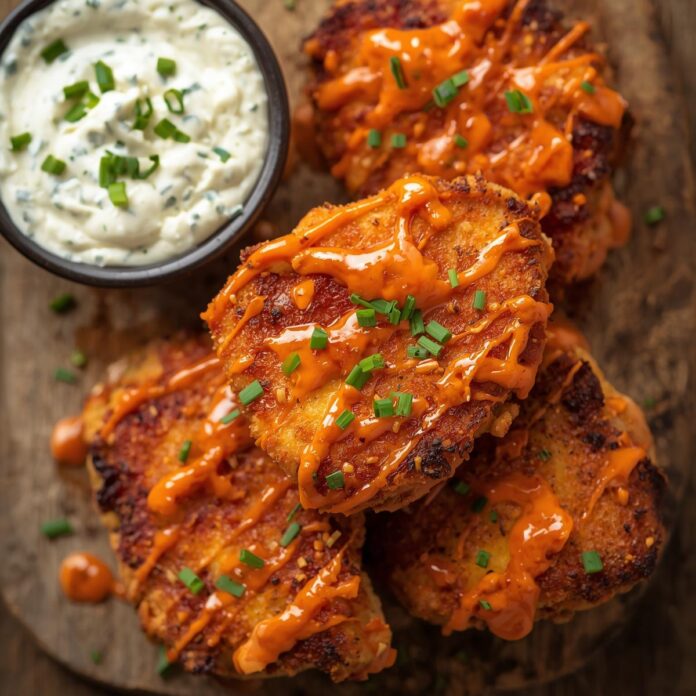
Few dishes capture the harmony between elegance and comfort as perfectly as Creamy Dill Salmon. It is a meal that stands at the intersection of simplicity and sophistication—a dish that feels equally at home on a weeknight dinner table as it does on a fine-dining menu. With its tender, flaky salmon bathed in a silky sauce enriched with cream, butter, and the unmistakable brightness of fresh dill, this recipe offers a taste experience that is both luxurious and deeply comforting.
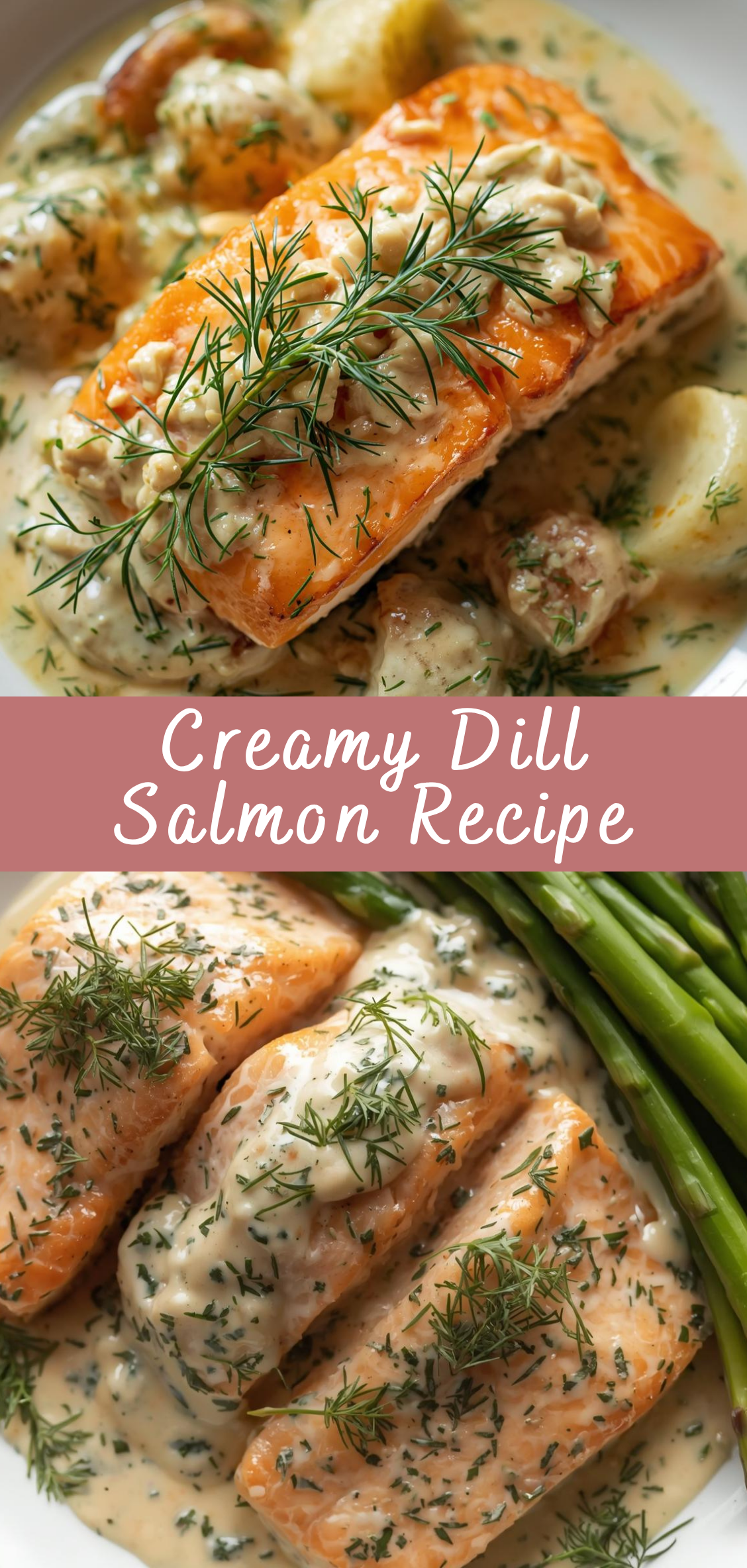
The allure of creamy dill salmon lies not only in its flavor but in its versatility. It is a canvas for balance: rich yet refreshing, indulgent yet light. The cream provides a luscious backdrop that amplifies the natural fattiness of salmon, while the dill introduces a herbaceous, almost grassy lift that keeps every bite alive with contrast. Whether served alongside roasted vegetables, buttery mashed potatoes, or a simple bed of steamed rice, creamy dill salmon has a way of anchoring a meal—of making everything else taste just a little more refined.
Salmon itself has long been celebrated in cuisines around the world, from the cold rivers of Scandinavia to the Pacific Northwest’s rugged coastlines. Its buttery texture and high omega-3 content make it both a nutritional powerhouse and a gastronomic delight. Pairing it with dill is a classic combination, one with deep roots in Nordic and Eastern European cooking traditions. Dill’s delicate anise-like flavor enhances the fish without overpowering it, creating a flavor profile that is unmistakably fresh and inviting. When folded into a velvety cream sauce, the result is a dish that feels timeless—something that could have been enjoyed centuries ago and will still be loved generations from now.
Beyond its cultural and culinary roots, creamy dill salmon also appeals to modern cooks for its practicality. It requires only a handful of ingredients and minimal preparation time, yet the outcome looks and tastes like something from a professional kitchen. It can be prepared in under thirty minutes, making it ideal for both busy weeknights and last-minute dinner parties. The sauce, too, is forgiving and adaptable. It welcomes additions like lemon juice for brightness, garlic for depth, or mustard for a subtle tang. The result is a recipe that encourages creativity without demanding complexity.
There’s also an emotional comfort to creamy dill salmon. It’s the kind of dish that satisfies on multiple levels—the warmth of the cream, the fragrance of the herbs, and the gentle richness of the fish come together in a way that soothes the senses. On a cold evening, it feels like a culinary embrace; on a summer night, served with crisp greens and a glass of white wine, it feels vibrant and refreshing. That duality is what makes it so special. It is a meal that transforms effortlessly with the seasons, adapting to your mood and the ingredients available.
In this comprehensive recipe guide, we will explore every aspect of creating the perfect creamy dill salmon—from choosing the right cut of fish to mastering the texture of the sauce. We will discuss methods of cooking, variations to suit dietary needs, side dish pairings, and the science behind the flavors that make this dish so universally appealing. Along the way, you will discover how to elevate a few simple ingredients into something extraordinary, and how to present it beautifully for any occasion.
This is more than just a recipe; it is an invitation to slow down and savor. Cooking creamy dill salmon encourages mindfulness—a focus on temperature, timing, and texture that turns cooking into a sensory experience. The sizzle of the salmon as it hits the pan, the fragrant release of dill oils when chopped, and the transformation of cream as it thickens into a glossy sauce—all of these moments create a rhythm that is both calming and rewarding.
By the end of this guide, you’ll not only have mastered the art of creamy dill salmon but will understand how and why it works. You’ll know how to balance richness with freshness, how to build flavor in layers, and how to adjust the recipe for your own tastes. Whether you’re an experienced cook or a beginner seeking a signature dish to impress, creamy dill salmon is a perfect place to start. It exemplifies what great home cooking is all about: nourishment, beauty, and the quiet joy of creating something with your own hands.
So, gather your ingredients, sharpen your knives, and prepare to create a meal that embodies comfort, elegance, and timeless flavor. The journey to the perfect creamy dill salmon begins here—with understanding its essence, its history, and the simple yet profound pleasure it brings to the table.
Detailed Instructions: Step-by-Step Guide to Perfect Creamy Dill Salmon
1. Choosing and Preparing the Salmon
Before you begin cooking, start with the right piece of fish. The salmon is the centerpiece of this dish, and its quality determines everything that follows.
a. Selecting the salmon:
-
Fresh vs. frozen: Fresh salmon is ideal, but if frozen is your only option, ensure it’s flash-frozen at sea and properly thawed. Avoid salmon with dull coloration or a strong fishy odor.
-
Type of salmon: Atlantic salmon is prized for its fattiness and mild flavor, while wild varieties such as Sockeye or King (Chinook) offer a firmer texture and deeper taste. For creamy dill sauce, a fattier cut—like Atlantic or King salmon—pairs beautifully with the richness of cream.
-
Cut: Use salmon fillets with the skin on. The skin protects the delicate flesh during searing and adds texture when crisped.
b. Preparing the salmon:
-
Pat dry thoroughly with paper towels. Removing excess moisture is crucial for achieving a crisp sear.
-
Check for pin bones by running your fingers along the flesh. If you feel any, remove them gently with tweezers.
-
Season generously on both sides with salt and freshly ground black pepper. You can also add a light dusting of paprika or lemon zest for a subtle flavor lift.
-
Let the seasoned fish rest at room temperature for 10–15 minutes before cooking. This helps it cook evenly.
2. Preparing the Flavor Base
While the salmon rests, prepare the ingredients for the sauce. A smooth, well-balanced sauce depends on a careful layering of flavors.
You’ll need:
-
2 tablespoons of unsalted butter
-
1 tablespoon of olive oil
-
2 cloves garlic, finely minced
-
1 small shallot or ¼ small onion, finely diced
-
½ cup dry white wine (or chicken stock as a non-alcoholic substitute)
-
¾ cup heavy cream
-
1 teaspoon Dijon mustard (optional, for tang)
-
2 tablespoons fresh dill, chopped
-
Juice of ½ lemon
-
Salt and black pepper, to taste
Steps:
-
Mince the aromatics. Keep garlic and shallots as fine as possible so they melt into the sauce rather than remain chunky.
-
Chop the dill just before cooking to preserve its fragrance. Dill loses aroma quickly once exposed to air.
-
Measure all liquid ingredients—wine, cream, lemon juice—so you can move smoothly during cooking. Timing matters in sauce work.
3. Searing the Salmon
Searing locks in juices and builds the base flavor for your creamy sauce.
a. Heat control:
-
Place a large skillet (preferably stainless steel or cast iron) over medium-high heat.
-
Add 1 tablespoon of olive oil and 1 tablespoon of butter. Let the butter melt and foam slightly—this indicates it’s hot enough to sear.
b. Cooking the fish:
-
Carefully place the salmon fillets skin-side down in the pan. Press lightly with a spatula for the first 10 seconds to keep the skin flat.
-
Cook for 4–5 minutes, without moving the fish, until the edges begin to turn opaque and the skin is crisp.
-
Flip the fillets gently using a thin spatula. Cook the other side for 2–3 minutes, depending on thickness, until the fish is just opaque in the center.
-
Remove the salmon from the skillet and set aside on a warm plate. It will continue to cook slightly as it rests.
4. Building the Creamy Dill Sauce
Now, in the same pan, we’ll build the sauce from the flavorful fond left behind by the salmon.
a. Sauté the aromatics:
-
Reduce the heat to medium.
-
Add 1 tablespoon of butter to the same pan. Once melted, add the minced shallot and cook for about 1–2 minutes, stirring, until translucent and fragrant.
-
Add the garlic and cook for 30 seconds more. Do not let it brown; browned garlic can make the sauce bitter.
b. Deglaze:
-
Pour in the white wine (or stock). The liquid will sizzle as it lifts the browned bits from the pan.
-
Use a wooden spoon to scrape up the fond, incorporating it into the liquid. This step builds deep flavor.
-
Let the wine reduce by half, about 2–3 minutes, until it thickens slightly and the alcohol aroma dissipates.
c. Add the creamy elements:
-
Stir in the heavy cream, and reduce the heat to medium-low.
-
Simmer gently for 3–5 minutes, stirring often, until the sauce begins to thicken and coat the back of a spoon.
-
Add the Dijon mustard, lemon juice, and half of the chopped dill. Season with salt and pepper.
d. Taste and adjust:
At this stage, balance is key.
-
If the sauce tastes too rich, add a bit more lemon juice or a splash of wine.
-
If too tangy, stir in a teaspoon of cream or butter to mellow it.
-
The goal is harmony: a silky, herby sauce that complements—not overwhelms—the salmon.
5. Returning the Salmon to the Sauce
Once your sauce has reached the right consistency:
-
Lower the heat to low.
-
Return the salmon fillets to the pan, skin-side up (so the skin stays crisp).
-
Spoon the sauce gently over the top of the fillets.
-
Let the fish simmer for 1–2 minutes, allowing the flavors to meld and the salmon to reheat.
-
Sprinkle in the remaining dill for a burst of fresh aroma just before serving.
6. Plating and Presentation
How you serve creamy dill salmon can transform it from a simple home dish to a restaurant-quality plate.
a. For casual dining:
-
Serve directly from the pan, garnished with lemon slices and a sprinkle of fresh dill.
-
Offer warm bread or roasted vegetables alongside.
b. For elegant presentation:
-
Spoon a small pool of sauce onto each plate.
-
Place the salmon fillet on top, slightly offset for visual appeal.
-
Drizzle a bit of sauce over the fish, leaving part of the crisp skin visible.
-
Garnish with a fresh dill sprig, a lemon twist, or a few microgreens for contrast.
c. Suggested sides:
-
Buttered new potatoes or mashed potatoes for richness
-
Steamed asparagus, green beans, or spinach for freshness
-
Rice pilaf, quinoa, or herbed couscous for a light grain base
7. Final Tips for Success
-
Don’t overcook the salmon. The flesh should flake easily but remain moist and slightly translucent in the center.
-
Mind the sauce temperature. High heat can cause cream to separate. Keep it at a gentle simmer.
-
Use fresh dill, not dried. Dried dill lacks the vibrancy that defines this dish.
-
Balance richness and acidity. Always taste before serving; adjust with lemon juice, salt, or a touch of mustard as needed.
-
Serve immediately. Creamy sauces thicken as they cool, so plate while warm.
Creamy Dill Salmon Recipe
Few dishes capture the harmony between elegance and comfort as perfectly as Creamy Dill Salmon. It is a meal that stands at the intersection of simplicity and sophistication—a dish that feels equally at home on a weeknight dinner table as it does on a fine-dining menu. With its tender, flaky salmon bathed in a silky sauce enriched with cream, butter, and the unmistakable brightness of fresh dill, this recipe offers a taste experience that is both luxurious and deeply comforting.
Ingredients
- For the Salmon:
- 4 salmon fillets (about 6 oz each, skin-on or skinless)
- Salt and freshly ground black pepper, to taste
- 1 tablespoon olive oil
- 1 tablespoon butter
- For the Creamy Dill Sauce:
- 1 tablespoon butter
- 2 cloves garlic, minced
- ½ cup chicken broth (or white wine)
- 1 cup heavy cream (or half-and-half for lighter option)
- 2 tablespoons Dijon mustard
- 2 tablespoons fresh lemon juice
- 2–3 tablespoons fresh dill, chopped (or 1 tablespoon dried dill)
- Salt and pepper, to taste
- (Optional: 1 teaspoon lemon zest for extra brightness)
Instructions
- Prepare the salmon: Pat salmon fillets dry with paper towels. Season both sides with salt and pepper.
- Sear the salmon: Heat olive oil and 1 tablespoon butter in a large skillet over medium-high heat. Add salmon, skin-side down if applicable, and cook 4–5 minutes per side (depending on thickness), until golden and cooked through. Transfer salmon to a plate and set aside.
- Make the sauce: In the same skillet, melt 1 tablespoon butter. Add garlic and sauté 30 seconds, until fragrant. Stir in broth (or wine), scraping up any browned bits from the pan. Simmer 2 minutes. Reduce heat to medium-low. Stir in cream, Dijon mustard, and lemon juice. Simmer 2–3 minutes until slightly thickened. Add fresh dill, salt, and pepper to taste.
- Combine and serve: Return salmon to the skillet, spooning sauce over the fillets. Simmer 1–2 minutes until heated through. Garnish with extra dill and a squeeze of lemon juice if desired.
Notes
- Serving ideas: Great with mashed potatoes, rice, roasted vegetables, or steamed asparagus.
- Fresh vs. dried dill: Fresh dill gives the best flavor, but dried dill works if that’s what you have.
- For a lighter version: Substitute half-and-half or Greek yogurt for heavy cream (add yogurt off the heat to prevent curdling).