Creamy lemon shrimp is one of those rare dishes that achieves an elegant balance between richness and brightness, simplicity and sophistication. At its heart, it is a recipe that celebrates contrast: the velvety body of a cream-based sauce meeting the lively acidity of fresh lemon, the delicate sweetness of shrimp tempered by subtle aromatics, and the satisfying depth of a well-seasoned finish. It is a dish that feels luxurious without requiring elaborate preparations, and it carries a sense of timeless appeal—an entrée equally suited to a quiet weeknight meal or a thoughtfully planned dinner occasion.
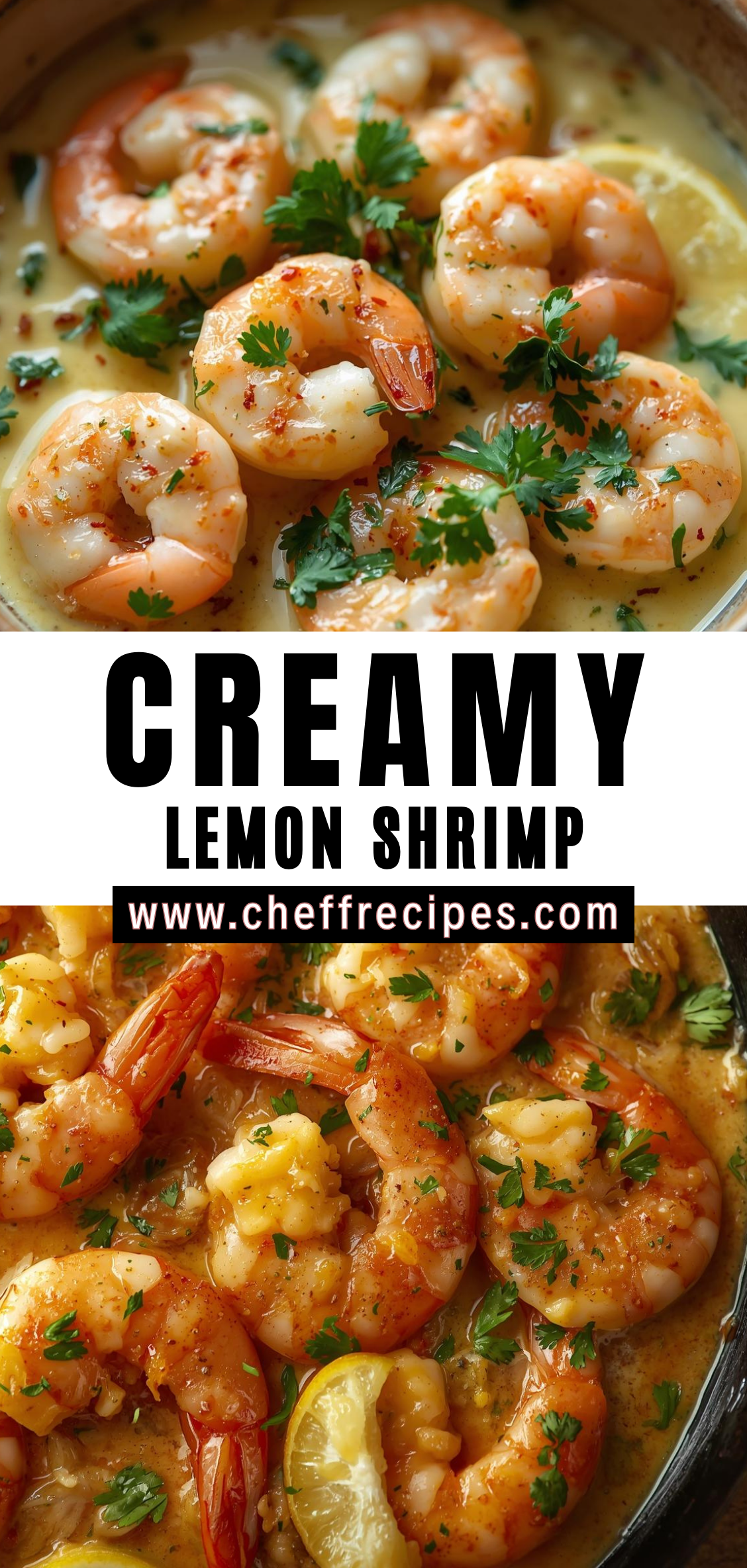
Shrimp, with its tender texture and naturally sweet flavor, adapts beautifully to creamy sauces. Unlike heavier proteins, shrimp cooks quickly and absorbs flavor rapidly, making it ideal for dishes where timing and balance matter. The pairing of seafood with citrus has deep roots across many culinary traditions. Lemon, in particular, brightens the natural richness of shrimp, lifting its flavor while preserving its delicate character. When lemon is introduced into a creamy sauce, it does more than contribute acidity; it adds complexity, aroma, and a subtle sharpness that keeps the dish from feeling overly heavy.
Cream-based sauces have long been embedded in both European and American cooking, but the modern approach favors refinement: sauces that coat rather than smother, enrich rather than overpower. The sauce in a creamy lemon shrimp dish exemplifies this philosophy. At its best, it is silky, layered with aromatics, and built with intention. Each component—garlic, butter, herbs, stock, cream, and lemon—plays a specific role. Garlic offers warmth and savoriness. Butter contributes body and roundness. Herbs such as parsley, basil, or thyme provide a fresh counterpoint. Stock deepens the flavor base without muddying it. Cream offers smoothness and cohesion. Lemon, the star, cuts through the richness with clarity and freshness. When executed with attention, the resulting sauce is both comforting and invigorating.
One of the greatest strengths of creamy lemon shrimp is its versatility. It fits effortlessly into numerous dishes without losing its central identity. Toss it with pasta for a satisfying meal, spoon it over rice for a comforting bowl, pair it with crusty bread to soak up the sauce, or serve it alongside roasted vegetables or light salads. It is a recipe that adapts to seasons, occasions, and preferences. In summer, it feels refreshing and bright, especially when paired with fresh herbs or a squeeze of additional lemon. In colder months, its warmth and richness provide comfort, especially when served over hearty grains or alongside roasted root vegetables.
Despite its elegant presentation, creamy lemon shrimp is beginner-friendly. The techniques required—sautéing shrimp, building a simple pan sauce, and adjusting consistency—are fundamental skills that home cooks can master easily. The key lies in control: understanding the quick cooking nature of shrimp, ensuring the sauce doesn’t break, and balancing acid with creaminess. These skills make the recipe not only approachable but also a valuable learning experience. Cooks who master this dish often find themselves more confident with other seafood dishes and sauce-based recipes.
Another element that makes this dish so appealing is its efficiency. From preparation to serving, creamy lemon shrimp can be completed in a relatively short time. Many variations require less than thirty minutes of active cooking. This makes it ideal for modern households where schedules are tight but the desire for flavorful, homemade meals remains strong. Unlike slow-cooked stews or elaborate roasts, creamy lemon shrimp rewards fast, thoughtful execution, making it a favorite for those who enjoy cooking but need dishes that fit into a busy lifestyle.
The dish also invites personalization. Cooks can adjust the lemon intensity, choose between heavy cream or lighter alternatives, experiment with herbs, incorporate wine, or add vegetables such as spinach, cherry tomatoes, peas, or asparagus. They can choose whether to introduce spice through crushed red pepper flakes or keep the flavor profile gentle and soothing. This flexibility allows the recipe to evolve as personal tastes change or as cooks experiment with new techniques or ingredients.
The sensory qualities of creamy lemon shrimp make it memorable. The scent of garlic hitting a hot pan, the vivid aroma released when lemon zest is first grated, the bubbling of cream as it reduces, and the moment shrimp turn from translucent to pink—all of these experiences create a cooking process that is as pleasurable as the final dish. Eating it offers its own distinct pleasures: the richness of the sauce, the tang of lemon lingering just long enough, the tender bite of shrimp, and the comforting warmth of a dish made with intention. It is a recipe that stimulates the senses from start to finish.
Culturally, creamy lemon shrimp reflects the blending of traditional cooking methods with contemporary tastes. Historically, seafood dishes with cream-based sauces often signaled refinement in European cuisines, especially in French and Italian cooking. Over time, these influences merged with the zest-driven coastal cuisines that embraced citrus as a natural complement to seafood. The modern expression of creamy lemon shrimp draws from both worlds, combining the sophistication of classic techniques with the brightness and accessibility of fresh, simple ingredients. This fusion creates a dish that feels familiar yet modern, classic yet adaptable.
On a deeper level, creamy lemon shrimp embodies a philosophy of balance. It is a reminder that rich dishes need not be heavy, that simple ingredients can yield complexity, and that fast cooking can produce meals that feel thoughtful and luxurious. It illustrates how harmony in cooking often comes from restraint: using just enough cream to soften acidity, enough lemon to highlight rather than dominate, and enough seasoning to elevate the shrimp without overshadowing it. As with any great dish, success lies in attention to detail, respect for the ingredients, and a willingness to allow each component to shine.
As you explore the full recipe, you will find that creamy lemon shrimp is more than a single dish; it is a template for creativity and a reliable foundation from which numerous variations can spring. Whether you are preparing it for a special evening, a family meal, or a moment of personal indulgence, it offers a combination of comfort, brightness, and elegance that is difficult to rival. The upcoming sections will guide you through each element with precision, ensuring that every step—from selecting the shrimp to finishing the sauce—builds toward a final dish that is balanced, rich, and deeply satisfying.
Detailed Instructions
1. Prepare the Shrimp
Start by selecting shrimp of consistent size to ensure even cooking. Medium or large shrimp (usually labeled 21–30 or 31–40 per pound) work best for this dish because they are substantial enough to hold up to the sauce but still cook quickly. Decide whether you prefer tail-on or tail-off. Tail-on shrimp offer an elegant presentation and a bit more flavor from the shell, while tail-off shrimp offer easier eating.
If your shrimp are frozen, thaw them properly by placing them in a colander under cool running water for a few minutes or by letting them thaw overnight in the refrigerator. Avoid thawing in hot water, which can turn the shrimp rubbery. Once thawed, pat them completely dry with paper towels. Moisture interferes with browning; dry shrimp sear more cleanly and retain their tenderness.
Remove any remaining veins by making a shallow cut along the back and pulling out the dark line. Rinse briefly only if necessary, then dry again. Season the shrimp lightly with salt, black pepper, and, if desired, a small pinch of paprika or chili flakes. Set aside.
2. Prepare the Aromatics
A great creamy lemon sauce depends heavily on aromatics. Peel and finely mince several cloves of garlic. Precision matters here: finely minced garlic spreads flavor evenly through the sauce, whereas large chunks create intense bursts that can overwhelm the balance. Optionally, chop a shallot or a small amount of onion for added depth, though many versions rely on garlic alone to keep the flavors clean.
Zest one fresh lemon using a microplane or fine grater, being careful to remove only the yellow outer layer. The white pith underneath is bitter and should be avoided. Set the zest aside separately from the juice—you will add them at different stages. Slice the lemon in half and squeeze out the juice, straining out any seeds. Fresh lemon juice is essential; bottled juice lacks the bright, aromatic complexity needed for a dish like this.
Chop fresh herbs if you are using them. Parsley offers freshness, basil adds sweetness, dill adds sharp herbal brightness, and thyme brings an earthy undertone. Keep each herb in its own pile so you can control proportions precisely when you build the sauce.
3. Heat the Pan and Sear the Shrimp
Choose a wide skillet—stainless steel, cast iron, or heavy nonstick. A wide surface ensures the shrimp cook in a single layer, promoting even searing. Place the pan over medium-high heat and allow it to warm for a minute or two. Add a tablespoon of olive oil or butter (or a combination). Butter adds deep flavor and helps create browning, but oil raises the smoke point and prevents burning.
When the fat begins to shimmer, add the shrimp in a single layer without crowding. Crowding leads to steaming rather than searing. Allow the shrimp to cook undisturbed for 60 to 90 seconds. You should see the undersides turn opaque and lightly golden. Flip each shrimp using tongs or a spatula and cook the other side for another 60 to 90 seconds. Shrimp cook rapidly; they are done the moment they turn fully pink with no translucent centers. If they curl into tight spirals, they have begun to overcook.
Transfer the cooked shrimp to a plate immediately. Do not leave them in the hot pan; they will continue to cook and lose tenderness. Cover the plate loosely with foil to keep them warm while you build the sauce.
4. Start the Sauce Base
Reduce the heat to medium. If there is excess oil in the pan, pour off just enough to leave a thin layer—about one to two teaspoons. Add your minced garlic (and shallots, if using) to the pan. Sauté gently for 30 to 45 seconds, stirring frequently. Garlic burns quickly; the goal is to soften and release fragrance without browning.
If you are adding optional flavor-enhancers such as crushed red pepper flakes, stir them in now to bloom in the hot fat. This helps their flavors distribute more evenly in the final sauce.
5. Deglaze the Pan
With the aromatics fragrant, deglaze the skillet to lift the flavorful browned bits—called fond—from the bottom. You may use white wine, seafood stock, chicken stock, or even a splash of water if needed. White wine contributes acidity and complexity; stock adds savory depth. Pour in about one-third to one-half cup of liquid. The pan will sizzle immediately.
Use a wooden spoon to scrape the bottom, dissolving the fond into the liquid. This step builds a strong flavor foundation. Allow the mixture to simmer for one to two minutes, reducing slightly. If using wine, reduce until the alcohol smell dissipates.
6. Add the Cream Component
Lower the heat slightly to avoid curdling. Pour in heavy cream—or your chosen creamy base—slowly while stirring. Heavy cream is the most stable option and produces a velvety texture. Half-and-half yields a lighter sauce but requires more careful heat management. Coconut cream is a dairy-free alternative with its own subtle sweetness.
Stir until the cream and deglazing liquid blend evenly. Let the sauce heat gently for a minute or two. At this stage, it will appear loose, but it will thicken later as moisture evaporates.
7. Build the Lemon Flavor
Add the lemon zest first. Zest contains aromatic oils that infuse into the cream, providing a citrus fragrance without instantly altering the sauce’s acidity.
Next, add a small amount of the lemon juice—just one to two teaspoons to start. Adding lemon juice gradually prevents the sauce from breaking. Stir well and taste. You will adjust the lemon intensity later once the sauce thickens.
Sprinkle in salt and pepper. If you are using herbs like thyme that can withstand heat, add them now. Delicate herbs like parsley or basil will be added later to preserve color and brightness.
Allow the sauce to simmer gently—never boil—for five to eight minutes. Stir occasionally. As it simmers, it should become slightly thicker and glossy, coating the back of a spoon.
8. Adjust Consistency and Seasoning
Once the sauce has reduced, evaluate its texture. If it is too thin, continue simmering, stirring frequently, until thickened to your preference. If it becomes too thick, whisk in a splash of stock or cream.
Taste again and adjust the seasoning. Add more lemon juice gradually if you want a sharper, brighter flavor. This balancing stage is crucial: the right amount of lemon brings the dish alive without making it sour.
If you want a touch of sweetness to balance acidity, add a very small pinch of sugar or a drizzle of honey, but sparingly. The goal is balance, not sweetness.
9. Return the Shrimp to the Pan
Once the sauce tastes harmonious and has reached the ideal consistency, return the shrimp to the skillet. Add any juices that have collected on the plate; this liquid contains flavor.
Stir gently to coat the shrimp, being careful not to break them apart. Allow them to warm in the sauce for one to two minutes over low heat. Do not overheat—you only want the shrimp warmed through, not recooked.
Add delicate herbs such as parsley, basil, or dill at this stage. Their freshness brightens the entire dish.
10. Finish with Final Touches
Add an optional knob of butter to enrich the sauce and give it a glossy sheen. Stir only until melted. Taste the sauce one final time. Adjust lemon, salt, or herbs if necessary.
If desired, add freshly cracked black pepper or an extra pinch of red pepper flakes to enhance aroma and contrast.
Remove the skillet from the heat and let it rest for two minutes. This short rest period allows the flavors to settle and the sauce to thicken slightly around the shrimp.
11. Serve the Dish
Serve immediately, while the shrimp are plump and the sauce is silky. Creamy lemon shrimp pairs beautifully with pasta, rice, quinoa, grits, couscous, roasted vegetables, steamed greens, or crusty bread. Spoon the sauce generously; it is one of the highlights of the dish.
For presentation, garnish with fresh herbs, additional lemon zest, or a thin slice of lemon placed at the edge of the plate. Clean the rim of the dish with a towel for a restaurant-level finish.
Creamy Lemon Shrimp
Creamy lemon shrimp is one of those rare dishes that achieves an elegant balance between richness and brightness, simplicity and sophistication. At its heart, it is a recipe that celebrates contrast: the velvety body of a cream-based sauce meeting the lively acidity of fresh lemon, the delicate sweetness of shrimp tempered by subtle aromatics, and the satisfying depth of a well-seasoned finish. It is a dish that feels luxurious without requiring elaborate preparations, and it carries a sense of timeless appeal—an entrée equally suited to a quiet weeknight meal or a thoughtfully planned dinner occasion.
Ingredients
- 1 lb (450 g) large shrimp, peeled & deveined
- 1 tbsp olive oil
- 2 tbsp butter
- 4 cloves garlic, minced
- ½ cup chicken broth (or seafood broth)
- 1 cup heavy cream
- Zest of 1 lemon
- 2–3 tbsp fresh lemon juice (to taste)
- ½ tsp salt
- ¼ tsp black pepper
- ¼–½ tsp red pepper flakes (optional)
- ¼ cup grated Parmesan (optional but delicious)
- Fresh parsley, chopped
- Lemon slices for garnish (optional)
Instructions
1. Season & Cook the Shrimp
- Pat shrimp dry and season lightly with salt and pepper.
- Heat olive oil and 1 tbsp butter in a skillet over medium-high.
- Add shrimp and cook 1–2 minutes per side until pink.
- Remove shrimp and set aside.
2. Make the Creamy Lemon Sauce
- In the same pan, add remaining 1 tbsp butter.
- Add garlic and sauté 30 seconds until fragrant.
- Pour in broth and simmer 1–2 minutes to reduce slightly.
- Stir in heavy cream, lemon zest, lemon juice, salt, pepper, and red pepper flakes.
- Simmer on low heat 2–3 minutes until slightly thickened.
- Stir in Parmesan if using.
3. Combine
- Return shrimp to the skillet.
- Coat in sauce and simmer 1 minute to heat through.
4. Serve
- Garnish with parsley and lemon slices.
- Serve over pasta, rice, mashed potatoes, or with crusty bread.
Notes
- Add more lemon juice if you want it extra bright and tangy.
- For a lighter sauce, replace heavy cream with half-and-half (but simmer gently).
- You can add spinach, cherry tomatoes, or capers.
- Works great with scallops or chicken as well.