Easy French Onion Pasta is a comforting, deeply flavorful dish inspired by the classic French onion soup, reimagined into a creamy, savory pasta that feels indulgent yet approachable.
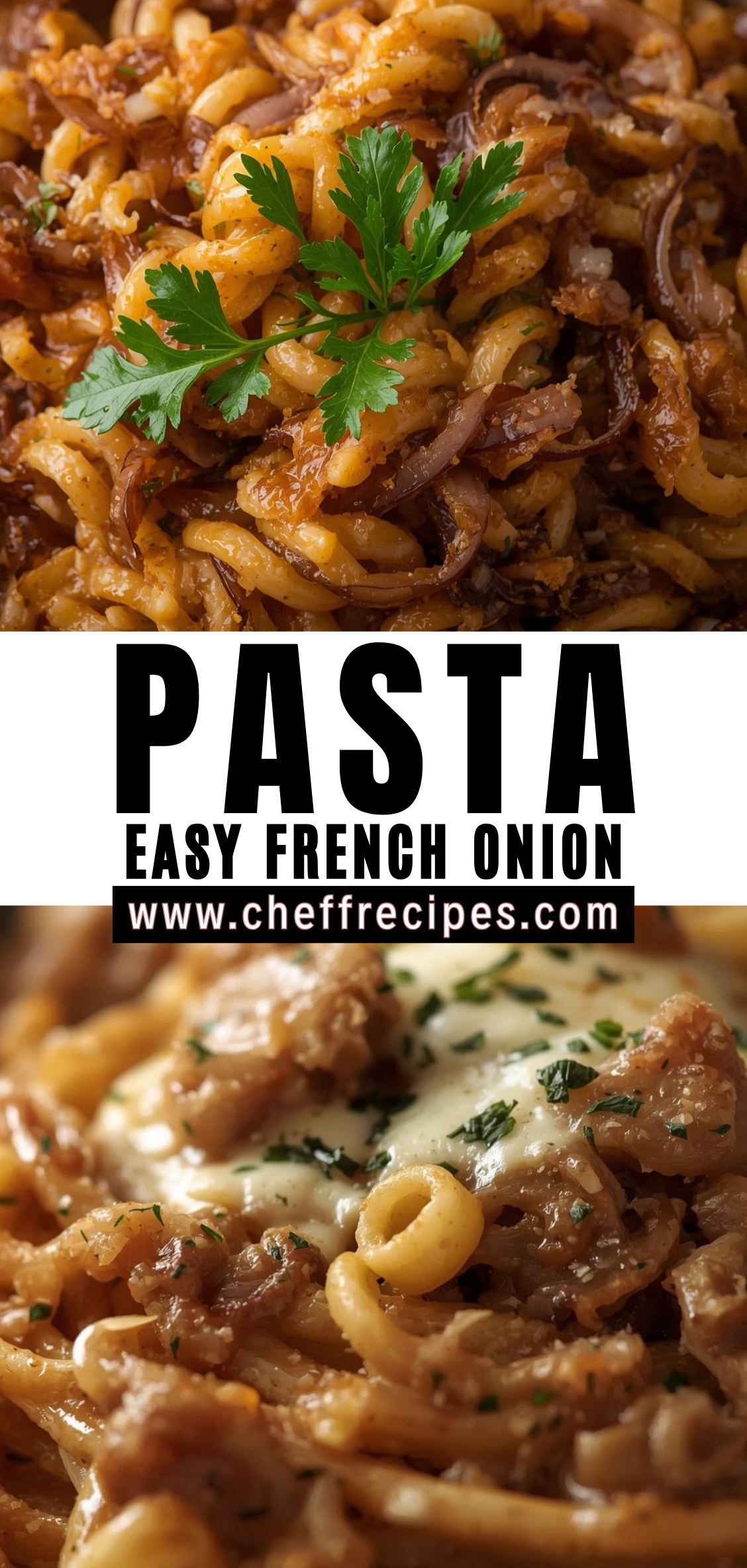
This recipe brings together slowly caramelized onions, rich broth, pasta, and a silky sauce that captures the essence of French onion flavors without requiring complicated techniques. It is designed for home cooks of all skill levels, using accessible ingredients and clear methods while still delivering restaurant-quality results. This long-form post explores not only how to make Easy French Onion Pasta, but also why each step matters, how to customize it, and how to make it a reliable part of your cooking rotation.
The Inspiration Behind French Onion Pasta
French onion soup is known for its deep, savory flavor created by patiently caramelizing onions until they are sweet, jammy, and richly browned. Translating that experience into pasta means preserving the soul of the dish while adapting it to a different format. Instead of bread and melted cheese floating in broth, French Onion Pasta coats noodles in a sauce built from onions, broth, and dairy or dairy alternatives. The result is a dish that feels both familiar and new, offering the cozy satisfaction of soup with the heartiness of pasta.
Why This Recipe Is Considered Easy
Despite its rich flavor, Easy French Onion Pasta relies on simple techniques. The most important step is caramelizing onions, which requires time but not constant effort or advanced skills. Everything else builds naturally from that foundation. The sauce comes together in one pan, the ingredient list is short, and the method is forgiving. This makes the dish ideal for weeknight dinners, relaxed weekends, or anyone looking to elevate everyday ingredients into something special.
Understanding the Flavor Profile
The defining characteristic of French Onion Pasta is depth. Sweetness from onions develops naturally as they cook slowly. Savory notes come from broth and seasoning. Creaminess softens and rounds out the flavor, while cheese, if used, adds saltiness and umami. Pasta provides a neutral base that carries the sauce evenly. The goal is balance, ensuring that no single element overpowers the others.
Choosing the Right Onions
Yellow Onions
Yellow onions are the classic choice for caramelization. They have a balanced sugar content that allows them to brown beautifully while maintaining savory complexity.
Sweet Onions
Sweet onions such as Vidalia or Walla Walla caramelize faster and produce a milder, sweeter flavor. They can be used if you prefer a less savory result.
Red or White Onions
These can be used in combination with yellow onions for added complexity, though they are not traditional. Red onions add color and mild sweetness, while white onions bring sharper notes.
The Importance of Caramelization
Caramelizing onions is the heart of this dish. This process involves cooking onions slowly over medium to low heat, allowing their natural sugars to break down and brown. Rushing this step leads to sautéed onions rather than caramelized ones, resulting in a flatter flavor. Patience is key, but the process is simple: stir occasionally, control the heat, and allow time to work its magic.
Selecting the Pasta Shape
Short Pasta
Shapes like penne, rigatoni, or fusilli trap sauce in their ridges and work well for a thicker, clingy sauce.
Long Pasta
Spaghetti, fettuccine, or linguine create a silky, elegant presentation and allow the onions to wrap around each strand.
Whole Wheat or Alternative Pasta
Whole wheat pasta adds nuttiness, while alternative pastas can be used with slight adjustments to cooking time and liquid ratios.
Broth and Liquid Choices
Broth is essential for creating depth similar to French onion soup. Vegetable broth works well and keeps the dish lighter. Chicken broth adds richness and savory intensity. Beef-style broth alternatives provide the most traditional flavor, but vegetable-based options can be seasoned to achieve similar results. The key is choosing a broth with good body and balanced seasoning.
Creamy Elements Explained
Creaminess can come from heavy cream, half-and-half, milk, or dairy-free alternatives. Heavy cream yields the richest result, while milk creates a lighter sauce. Plant-based creams made from oats, cashews, or soy can also be used, though they may slightly alter the flavor. The cream should enhance, not mask, the onion flavor.
Cheese Options and Their Role
Gruyère-Style Cheese
Gruyère is traditionally associated with French onion soup. Its nutty, salty profile melts smoothly into sauces.
Parmesan
Parmesan adds sharpness and umami and helps thicken the sauce.
Other Cheeses
Mozzarella adds stretch, while Swiss-style cheeses offer mild nuttiness. Cheese is optional but recommended for depth.
Essential Ingredients Overview
Onions, pasta, broth, cream or alternative, butter or oil, garlic, thyme or herbs, salt, pepper, and cheese form the core of the recipe. Optional additions include mushrooms, spinach, or a splash of acidity such as lemon juice or vinegar to brighten the dish.
Equipment You Will Need
A wide, heavy-bottomed skillet or sauté pan is ideal for caramelizing onions evenly. A pot for boiling pasta is necessary. A wooden spoon or spatula helps scrape browned bits from the pan. A grater is useful if adding cheese.
Preparing the Ingredients
Slice onions thinly and evenly to ensure uniform caramelization. Measure broth and cream in advance. Grate cheese if using. Cook pasta until just shy of al dente and reserve some pasta water before draining. Preparation keeps the cooking process smooth and stress-free.
Step-by-Step Cooking Process
Caramelizing the Onions
Heat butter or oil over medium heat, add onions, and stir to coat. Reduce heat slightly and cook, stirring occasionally, until onions soften, release moisture, and gradually turn golden brown. This process can take 25 to 40 minutes. Add a pinch of salt to help draw out moisture.
Building the Sauce Base
Once onions are caramelized, add garlic and herbs and cook briefly until fragrant. Deglaze the pan with a splash of broth, scraping up browned bits to incorporate flavor.
Simmering and Thickening
Add remaining broth and cream, bringing the mixture to a gentle simmer. Allow it to reduce slightly, concentrating flavor. Adjust seasoning with salt and pepper.
Combining with Pasta
Add cooked pasta directly to the sauce, tossing to coat evenly. Use reserved pasta water as needed to loosen the sauce and help it cling to the noodles.
Adding Cheese
Stir in cheese gradually, allowing it to melt smoothly into the sauce. Remove from heat once the sauce reaches desired consistency.
Texture and Flavor Adjustments
If the sauce is too thick, add more pasta water or broth. If too thin, simmer briefly to reduce. Taste and adjust seasoning, adding acidity if needed to balance richness.
Serving Suggestions
Serve French Onion Pasta hot, garnished with extra cheese or fresh herbs. It pairs well with a simple green salad or roasted vegetables. Crusty bread complements the dish for a complete meal experience.
Common Mistakes and How to Avoid Them
Rushing onion caramelization results in insufficient depth, so allow enough time. Using high heat can burn onions, so control temperature carefully. Adding cheese over high heat can cause graininess, so remove the pan from direct heat before stirring it in.
Make-Ahead and Storage Tips
Caramelized onions can be made in advance and refrigerated for several days. The finished dish stores well in the refrigerator for up to three days. Reheat gently with a splash of liquid to restore creaminess.
Variations and Customizations
Protein Additions
Cooked chicken, mushrooms, or plant-based proteins can be added for heartiness.
Herb Variations
Rosemary, sage, or bay leaf can replace thyme for different aromatic profiles.
Lighter Version
Use milk instead of cream and reduce cheese for a lighter dish without sacrificing flavor.
Nutritional Perspective
French Onion Pasta is rich and satisfying, making portion awareness helpful. Pairing it with vegetables and using moderate amounts of cream and cheese helps maintain balance. Onions provide antioxidants and natural sweetness, contributing both flavor and nutrition.
Cooking for Different Occasions
This dish works well for casual family dinners, cozy nights in, or informal gatherings. It scales easily and can be adapted to different dietary preferences.
Cultural Context and Comfort Food Appeal
French Onion Pasta reflects the broader tradition of transforming classic flavors into new forms. It honors the essence of French onion soup while embracing the flexibility and comfort of pasta, making it a modern comfort food with familiar roots.
Final Thoughts
Easy French Onion Pasta proves that deeply satisfying food does not require complexity. By focusing on technique, patience, and quality ingredients, you can create a dish that feels luxurious yet approachable.
Easy French Onion Pasta
All the cozy flavor of French onion soup turned into a creamy, comforting pasta. Sweet caramelized onions, garlic, and herbs are simmered with broth, then finished with cream and melty cheese for an easy, one-pan dinner that tastes rich but comes together fast.
Ingredients
- 12 oz pasta (fettuccine, linguine, or penne)
- 3 Tbsp butter
- 2 large yellow onions, thinly sliced
- 1 tsp sugar (optional, helps caramelize)
- Salt and black pepper, to taste
- 3 cloves garlic, minced
- 1 tsp fresh thyme (or ½ tsp dried)
- 2 cups beef broth (or vegetable broth)
- ½ cup heavy cream (or half-and-half)
- 1 cup shredded Gruyère or Swiss cheese
- ¼ cup grated Parmesan cheese
- Optional garnish: fresh thyme or parsley
Instructions
- Caramelize onions: Melt butter in a large skillet or Dutch oven over medium heat. Add onions, sugar (if using), salt, and pepper. Cook 15–18 minutes, stirring often, until deeply golden and soft.
- Add aromatics: Stir in garlic and thyme; cook 30 seconds until fragrant.
- Simmer: Pour in broth and bring to a simmer, scraping up browned bits from the pan.
- Cook pasta: Add pasta directly to the skillet. Simmer, stirring occasionally, until pasta is tender and liquid is mostly absorbed (10–12 minutes).
- Finish creamy: Lower heat. Stir in cream, Gruyère, and Parmesan until melted and silky.
- Serve: Taste, adjust seasoning, and garnish if desired.
Notes
- Cheese choice: Gruyère gives classic French onion flavor; Swiss or provolone work too.
- One-pot tip: Add extra broth (¼ cup at a time) if pasta absorbs liquid too quickly.
- Make it heartier: Add rotisserie chicken or sautéed mushrooms.
- Lighter option: Use milk instead of cream (sauce will be thinner).