In the world of comforting and wholesome dishes, few soups manage to combine simplicity, nutrition, and deep, soulful flavor as seamlessly as garlic chickpea soup. At first glance, it may seem like a humble combination of legumes, aromatics, and spices, yet this soup carries a culinary legacy that spans continents, cultures, and centuries. It is a dish that transcends mere sustenance, offering warmth, nourishment, and satisfaction in every spoonful.
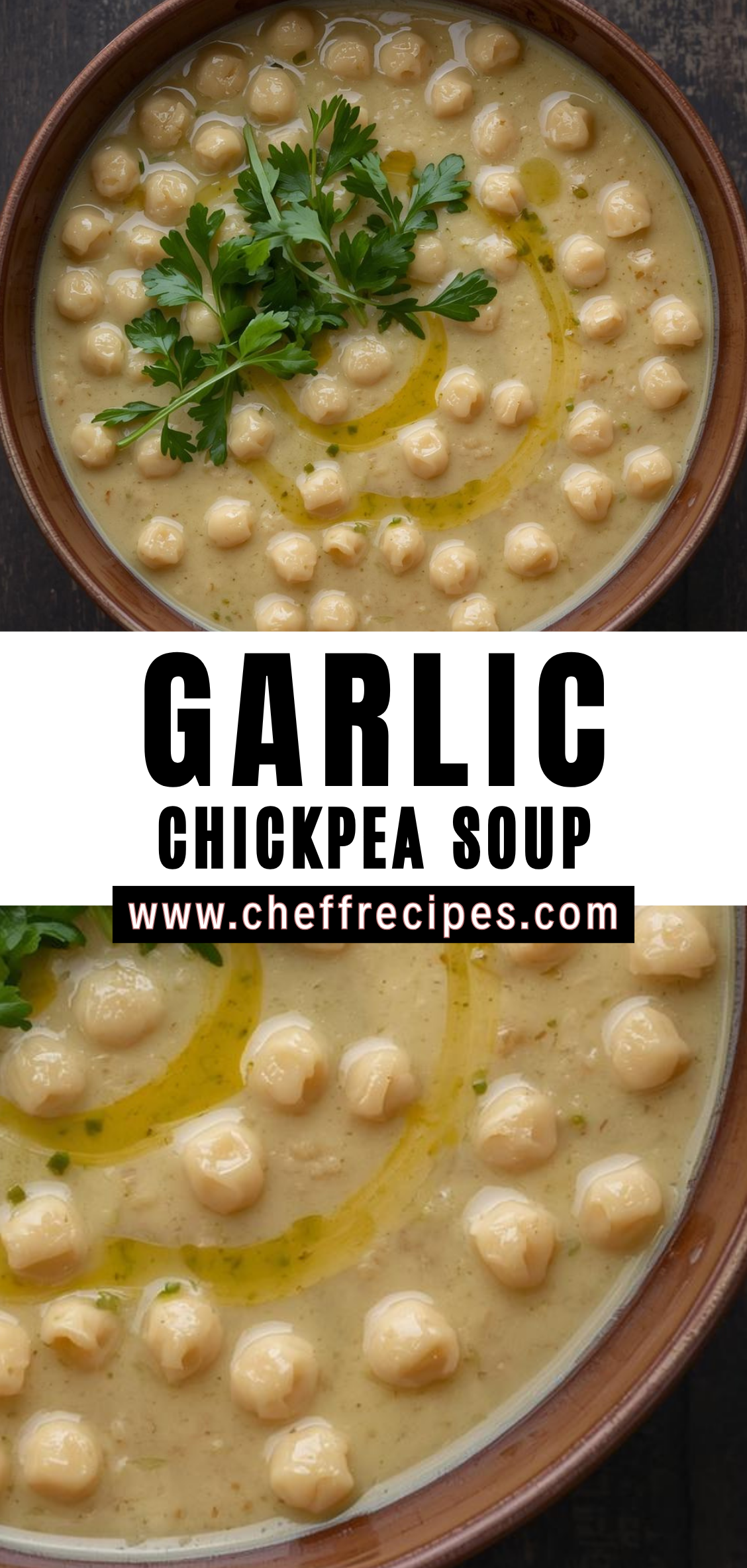
Chickpeas, also known as garbanzo beans, are one of the oldest cultivated legumes in human history. Archaeological evidence suggests that chickpeas have been consumed for over 7,000 years, originating in the Middle East and spreading across the Mediterranean, North Africa, and South Asia. Their nutty flavor, creamy texture when cooked, and remarkable versatility have made them a staple in countless traditional dishes. In the context of soup, chickpeas provide a hearty base that not only fills the stomach but also serves as a canvas for layers of complementary flavors.
Garlic, the second star of this soup, is both a culinary and medicinal powerhouse. Revered in cuisines worldwide for its pungent aroma and robust taste, garlic has also been prized for its health-promoting properties for millennia. In a garlic chickpea soup, the garlic is not merely an accent; it is an essential element that infuses the dish with warmth and depth, creating a gentle yet lingering complexity that awakens the senses.
The marriage of garlic and chickpeas in soup form creates a dish that is at once humble and extraordinary. Each ingredient is allowed to shine while simultaneously supporting the others. The nutty creaminess of chickpeas balances the sharp, aromatic bite of garlic, while optional ingredients like onions, herbs, and spices provide additional layers of flavor. A touch of acidity, perhaps from lemon juice or a drizzle of vinegar, can lift the soup, creating a bright contrast to the rich, earthy base. Olive oil often adds a silky, luxurious mouthfeel, rounding out the textures and flavors harmoniously.
What makes garlic chickpea soup particularly remarkable is its versatility. It can be a simple weeknight meal, prepared quickly with pantry staples, or it can be elevated into a sophisticated dish with the addition of roasted vegetables, spices, and fresh herbs. It can be served as a starter to an elaborate dinner, or it can stand alone as a nourishing main course. Vegan, vegetarian, and gluten-free diets all embrace it effortlessly, making it a universal favorite.
Beyond flavor and nutrition, garlic chickpea soup also carries symbolic and cultural significance. In many Mediterranean and Middle Eastern cultures, chickpeas are associated with prosperity, sustenance, and health. Garlic is often seen as protective, imbued with qualities that promote vitality and resilience. Thus, preparing and sharing this soup is not only a culinary act but also a gesture of care and well-being. Each spoonful resonates with history, tradition, and the intimate act of cooking with intention.
Moreover, the soup embodies the philosophy of mindful cooking. Unlike complex dishes that rely on multiple sauces or long, elaborate preparations, garlic chickpea soup showcases how minimal, high-quality ingredients, combined thoughtfully, can create extraordinary depth of flavor. It encourages cooks to appreciate the natural qualities of each component, to balance textures and aromas, and to savor the process of transforming simple staples into something nourishing and memorable.
In the sections that follow, we will explore the intricate details of crafting the perfect garlic chickpea soup. From selecting the best chickpeas and garlic to mastering the ideal simmering techniques, from balancing flavors with herbs and spices to finishing touches that elevate the dish visually and aromatically, this guide will provide step-by-step instructions suitable for both beginners and seasoned cooks. We will also examine variations from different cultural traditions, tips for enhancing nutritional value, and strategies for storage and reheating without compromising flavor or texture.
By the end of this guide, you will not only know how to prepare a garlic chickpea soup that is rich, flavorful, and satisfying but also understand the culinary wisdom and cultural heritage embedded in each bowl. This is more than a recipe; it is an invitation to experience a timeless dish that nurtures the body, delights the senses, and honors the enduring power of simple, wholesome ingredients.
Ingredients: Foundations for Flavor
Selecting high-quality ingredients is the first step in achieving a garlic chickpea soup that is rich, aromatic, and deeply satisfying. Each component contributes to the final flavor, texture, and nutritional value of the soup.
1. Chickpeas
-
Dry vs. Canned:
-
Dry chickpeas require soaking (overnight or quick-soak) and longer cooking but yield firmer, more flavorful beans.
-
Canned chickpeas are convenient and reduce cooking time; rinse them thoroughly to remove excess sodium and preserve natural flavor.
-
-
Quantity: Typically, 1–2 cups of dried chickpeas or 2 cans (15 oz each) works for 4–6 servings.
-
Optional Tip: Toasting dry chickpeas lightly in a dry skillet before cooking enhances their nutty flavor.
2. Garlic
-
Quantity: 6–10 cloves, depending on personal taste and intensity desired.
-
Preparation: Mince or crush for maximum flavor release. Roasting garlic before adding it creates a sweeter, milder, and richer flavor profile.
-
Tip: Smashing garlic with the side of a knife before chopping helps release natural oils.
3. Onion
-
Type: Yellow or white onions provide a sweet, aromatic base; shallots add a subtle sweetness.
-
Preparation: Finely dice for even cooking and blending with other aromatics.
-
Optional: Sautéing slowly until caramelized adds depth.
4. Olive Oil
-
Purpose: Used for sautéing and drizzling at the end for richness and aroma.
-
Tip: Use extra virgin olive oil for the finishing drizzle to maximize flavor.
5. Broth/Water
-
Choice: Vegetable or chicken broth enhances umami; water works for a lighter, simpler version.
-
Tip: Homemade broth adds superior flavor, while store-bought can be enhanced with herbs and spices.
6. Herbs and Spices
-
Common Additions: Bay leaf, thyme, rosemary, paprika, black pepper.
-
Fresh vs Dried: Fresh herbs added at the end brighten the soup, while dried herbs added during cooking infuse deep flavor.
7. Acidic Component
-
Lemon juice or vinegar: Brightens the earthy flavors and balances richness. Add at the end to preserve freshness.
Step 1: Preparing the Chickpeas
-
If Using Dry Chickpeas:
-
Rinse thoroughly, remove any stones or debris.
-
Soak in water overnight (8–12 hours). Use at least three times the volume of water to allow expansion.
-
Optional quick-soak: Boil chickpeas for 2 minutes, remove from heat, cover, and let sit for 1 hour.
-
-
Cooking Dry Chickpeas:
-
Drain soaked chickpeas and transfer to a large pot.
-
Cover with fresh water or broth, add a pinch of salt, and simmer gently for 45–60 minutes until tender but not mushy.
-
Skim off foam during cooking for a cleaner taste.
-
-
If Using Canned Chickpeas:
-
Drain and rinse thoroughly to reduce excess sodium and metallic taste.
-
Optional: Simmer briefly in fresh broth to infuse additional flavor.
-
Step 2: Preparing the Aromatics
-
Onion:
-
Dice finely and sauté in 2–3 tablespoons of olive oil over medium heat.
-
Cook until translucent (about 5–7 minutes), stirring occasionally.
-
Optional: Continue cooking until caramelized for sweeter flavor.
-
-
Garlic:
-
Mince or crush garlic cloves and add to the onions.
-
Sauté for 1–2 minutes until fragrant; avoid burning, as burnt garlic becomes bitter.
-
-
Optional Additions:
-
Grated carrots or celery can be added at this stage for additional sweetness and depth.
-
Spices such as paprika or cumin can be toasted briefly in the oil to release aromas before adding liquids.
-
Step 3: Building the Soup Base
-
Add Chickpeas:
-
Add cooked chickpeas to the aromatics in the pot. Stir to combine.
-
-
Add Liquid:
-
Pour in vegetable or chicken broth (or water). Typically, 4–6 cups for 1–2 cups of chickpeas, depending on desired thickness.
-
Add bay leaf, thyme, or other dried herbs at this stage for maximum infusion.
-
-
Simmer:
-
Bring soup to a gentle boil, then reduce to low heat.
-
Simmer uncovered for 20–30 minutes to allow flavors to meld.
-
Skim occasionally to remove any impurities or foam.
-
Step 4: Blending and Texture Adjustment
-
Decide Texture:
-
For a smooth soup: Use an immersion blender or transfer portions to a countertop blender. Blend until creamy.
-
For chunky soup: Mash some chickpeas with a potato masher while leaving some whole for texture.
-
-
Adjust Consistency:
-
Add more broth or water if too thick.
-
Simmer for a few minutes after blending to allow flavors to marry.
-
Step 5: Seasoning and Finishing
-
Season to Taste:
-
Add salt, black pepper, and additional spices as needed.
-
Taste carefully and adjust gradually; chickpeas absorb flavor, so seasoning at the end is critical.
-
-
Add Acid:
-
Stir in 1–2 tablespoons of fresh lemon juice or a small drizzle of vinegar.
-
This brightens the soup and balances earthy richness.
-
-
Optional Finishing Touches:
-
Drizzle high-quality extra virgin olive oil on top.
-
Garnish with fresh parsley, cilantro, or a sprinkle of smoked paprika.
-
Toasted chickpeas or croutons add crunch and texture contrast.
-
Step 6: Serving
-
-
Serve warm in bowls with a slice of crusty bread.
-
Pairs beautifully with a side salad or roasted vegetables for a complete meal.
-
Garlic Chickpea Soup
In the world of comforting and wholesome dishes, few soups manage to combine simplicity, nutrition, and deep, soulful flavor as seamlessly as garlic chickpea soup. At first glance, it may seem like a humble combination of legumes, aromatics, and spices, yet this soup carries a culinary legacy that spans continents, cultures, and centuries. It is a dish that transcends mere sustenance, offering warmth, nourishment, and satisfaction in every spoonful.
Ingredients
- 2 tablespoons olive oil
- 1 medium onion, finely chopped
- 4–5 garlic cloves, minced (adjust to taste)
- 2 medium carrots, diced
- 2 celery stalks, diced
- 1 teaspoon ground cumin
- 1/2 teaspoon smoked paprika (optional)
- 1/4 teaspoon red pepper flakes (optional, for heat)
- 1 (15-ounce) can chickpeas, drained and rinsed (or 1 1/2 cups cooked chickpeas)
- 4 cups vegetable broth (or chicken broth for non-vegetarian)
- 1 bay leaf
- Salt and black pepper, to taste
- Juice of 1/2 lemon
- Fresh parsley or cilantro, chopped, for garnish
- Optional:
- 1 small potato, peeled and diced (for a creamier texture)
- 1 teaspoon olive oil drizzle or chili oil for serving
Instructions
- Sauté the Aromatics: Heat olive oil in a large pot over medium heat. Add onion, carrots, and celery. Sauté for 5–6 minutes until softened. Stir in garlic, cumin, smoked paprika, and red pepper flakes. Cook for 1–2 minutes until fragrant.
- Add Chickpeas and Broth: Add chickpeas, diced potato (if using), vegetable broth, and bay leaf. Bring to a boil, then reduce heat and simmer for 15–20 minutes, until vegetables are tender.
- Blend (Optional): For a creamier texture, use an immersion blender to partially or fully blend the soup. You can also transfer half of the soup to a blender, then return it to the pot.
- Season and Finish: Remove bay leaf. Stir in lemon juice, and season with salt and black pepper to taste.
- Serve: Ladle into bowls, garnish with chopped parsley or cilantro, and drizzle with a little olive oil or chili oil if desired.
Notes
- Add a handful of spinach or kale in the last 5 minutes of cooking for extra nutrients.
- For extra depth, roast the garlic before adding it to the soup.
- Serve with crusty bread or pita for a satisfying meal.