Ground beef and potato casseroles have long held a cherished place in home kitchens, and for good reason. They speak to a culinary philosophy built on comfort, resourcefulness, and the pleasure of transforming simple ingredients into something deeply satisfying. Across cultures and generations, the combination of meat and potatoes forms the backbone of countless dishes, each shaped by local traditions and household preferences. The casserole version of this pairing brings with it the additional benefits of convenience and versatility. It feels equally at home on a weeknight dinner table as it does during a family gathering, offering nourishment, warmth, and a familiar sense of belonging.
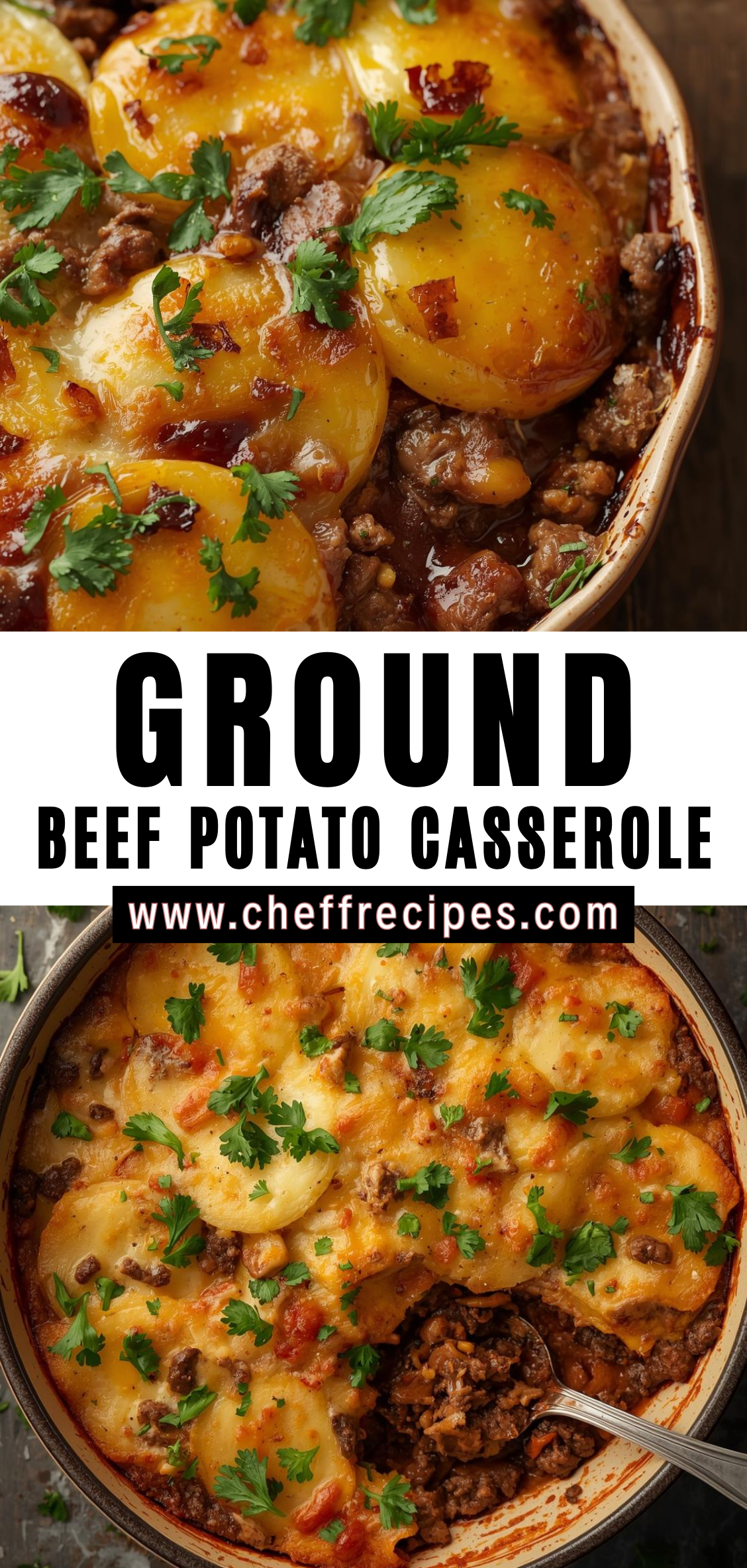
A ground beef and potato casserole is, at its core, a humble dish. Yet its simplicity is exactly what makes it enduring. Potatoes form a soft, sturdy foundation, absorbing flavors while contributing their own starchy richness. Ground beef, when seasoned well and browned properly, becomes tender and savory, providing depth and substance. Between these two components lies an open canvas for creativity—whether the cook chooses to incorporate creamy sauces, sharp cheeses, aromatic herbs, or hearty vegetables, the casserole is ready to adapt. This adaptability is one reason the dish is passed down through families, often with slight modifications that carry stories and memories.
The evolution of casseroles in modern cooking is tied to convenience and the desire for meals that can feed several people with minimal effort. The oven-baked nature of a casserole allows it to simmer gently, melding flavors over time and rewarding patience with a cohesive, full-bodied result. Unlike stovetop dishes that require constant attention, casseroles invite the cook to step back, prepare accompanying sides, or simply rest while dinner takes care of itself. For busy households, the reliability of such a dish is invaluable. It can be prepared ahead, stored easily, reheated without losing integrity, and served in generous portions.
But convenience alone does not explain the emotional appeal of a ground beef potato casserole. Many of us associate casseroles with childhood dinners, holidays, or the steady rhythm of home life. They evoke images of large baking dishes cooling on kitchen counters, the smell of seasoning wafting through hallways, and the comfort of knowing a warm meal awaits. This emotional resonance is part of what makes casseroles feel timeless. A dish like this bridges the gap between nourishment and nostalgia, offering not just sustenance but also a sense of continuity across time and experience.
The ingredients in this casserole also lend themselves to small but meaningful culinary techniques—layering, browning, seasoning in stages, and balancing textures. While the recipe itself is straightforward, the opportunity to refine one’s approach makes it rewarding for both beginning and experienced cooks. Learning how to slice potatoes to the right thickness, how to season beef without overpowering subtle flavors, or how to ensure the casserole retains moisture without becoming overly heavy are skills that pay off in countless other dishes. In this sense, the recipe functions as a foundation for broader culinary understanding.
This particular ground beef potato casserole recipe focuses on harmony—achieving a comforting, hearty flavor without unnecessary complexity. It is crafted with the idea that great meals often arise from familiar ingredients treated with care. The goal is a casserole that feels rustic but not crude, rich but not overwhelming, and comforting without being monotonous. By balancing tender layers of potatoes with well-seasoned ground beef and incorporating a creamy, cohesive element that ties everything together, the finished dish becomes more than the sum of its parts. It offers depth, warmth, and a sense of home with every bite.
As you move into the full recipe, you will find a balance between classic techniques and thoughtful touches that elevate the dish. Whether you are cooking for your family, preparing a comforting weekend meal, or creating a dish to share with others, this ground beef potato casserole is designed to be reliable, flavorful, and adaptable. With attention to detail and an appreciation for the ingredients at hand, you can craft a casserole that delivers comfort in every serving.
Detailed Instructions
1. Prepare Your Workspace and Equipment
Before you begin handling ingredients, take a moment to organize your cooking environment. A casserole recipe flows best when the components are prepped in a logical order. Set out a large cutting board, a sharp chef’s knife, a heavy-bottomed skillet for browning the beef, and a 9×13-inch baking dish or similarly sized casserole dish. Having mixing bowls on hand will help you separate ingredients and avoid cross-contamination, especially when working with raw meat. Preheat your oven to 375°F (190°C), allowing it to come fully to temperature while you prepare the other elements.
2. Prepare the Potatoes
Choose firm, evenly sized potatoes so your slices cook consistently. Russet and Yukon Gold are excellent choices; Russets will give a fluffier texture, while Yukon Golds will hold their shape and provide a naturally buttery flavor. Wash the potatoes thoroughly under cool running water, scrubbing away any dirt. You may peel them if you prefer a smoother-textured casserole, but leaving the skins on adds rustic appeal and extra nutrients.
Slice the potatoes into rounds approximately one-eighth to one-quarter inch thick. Precision matters here: slices that are too thick will take longer to soften, potentially leaving the casserole uneven; slices that are too thin may break down too quickly and lose their structure. Use a mandoline slicer if you want perfect uniformity, but a steady hand with a knife works just as well.
Once sliced, place the potatoes in a bowl of cold water to prevent oxidation and to remove excess starch. This step helps the final casserole achieve a cleaner texture rather than becoming gluey. Let the potatoes soak for 10 to 15 minutes while you prepare the beef mixture.
3. Brown the Ground Beef Properly
Heat a heavy-bottomed skillet over medium-high heat. Add a small amount of neutral oil—just enough to lightly coat the pan if your beef is very lean. When the oil shimmers, add the ground beef. You should hear an immediate sizzle; browning is key to developing deep flavor.
Break the beef into chunks, but avoid stirring constantly. Let the meat sit undisturbed in the hot skillet for a minute or two so it forms a caramelized crust on one side. Once a good sear has developed, begin breaking the meat into smaller pieces using a wooden spoon or spatula. Continue cooking until the beef is no longer pink, and the moisture it releases has evaporated. If excess fat accumulates in the pan, consider draining some off, but leave a small amount to enrich the dish.
Season the beef generously with salt and freshly ground black pepper. Add aromatics such as chopped onions and diced garlic if your recipe version includes them. Allow the onions to soften and turn translucent, which typically takes five to seven minutes. This step layers flavor into the meat and helps build a savory base for the casserole.
4. Add Additional Components to the Beef Mixture
Once the beef and aromatics are well cooked, begin incorporating other flavor-building ingredients. Many versions of this casserole use ingredients like paprika, thyme, parsley, Worcestershire sauce, or tomato paste. Add these to the skillet and stir to distribute evenly. Allow tomato paste, if used, to cook for a minute or two to remove its raw taste and develop sweetness.
If your recipe includes vegetables such as bell peppers, carrots, or celery, now is the time to add them. Keep in mind that the skillet step should partially—but not fully—cook these vegetables, as they will continue softening in the oven. Sauté them gently until they begin to release moisture and become fragrant.
Some casseroles incorporate a thickening agent or a creamy binder at this stage. If you are using flour, sprinkle it over the beef mixture and stir to coat evenly. Let the flour cook briefly so it loses its raw flavor. If adding broth, milk, or cream, pour it gradually into the skillet while stirring constantly to form a smooth sauce. The mixture should thicken slightly but remain pourable.
5. Prepare the Casserole Dish
Lightly grease your baking dish with butter or a neutral oil. This prevents sticking and helps achieve a slightly caramelized edge around the casserole. Spread a thin layer of the beef mixture across the bottom of the dish. This initial layer ensures that the potatoes do not scorch and creates a flavorful base.
Drain the sliced potatoes and pat them dry with clean kitchen towels or paper towels. Removing excess water helps the potatoes cook evenly and prevents the casserole from becoming watery. Arrange the potato slices in a single layer over the bottom of the baking dish, slightly overlapping them like shingles on a roof. This overlap allows the potatoes to steam and soften while also maintaining structural integrity.
6. Build the Layers
Layering is one of the defining elements of a well-executed casserole. After laying down the first layer of potatoes, season them lightly with salt and pepper. Even when layers are thin, seasoning each one ensures the final dish tastes balanced rather than bland in the center.
Spoon a portion of the beef mixture evenly over the potatoes, spreading it gently to avoid disturbing the base layer. If using cheese, sprinkle a modest amount between layers—just enough to add creaminess and cohesion. Continue alternating layers of potatoes, seasoning, beef mixture, and cheese until all ingredients are used. Try to finish with a layer of potatoes topped with cheese or a creamy sauce, depending on the type of casserole you’re making.
7. Add the Final Topping
The final topping contributes both visual appeal and texture. If you are using cheese, choose varieties that melt well, such as cheddar, mozzarella, Monterey Jack, or a blend. Spread the cheese evenly across the top layer. Some cooks also add breadcrumbs mixed with melted butter to create a crisp, golden crust. Others prefer a smooth top without texture, focusing on the creamy interior. Either approach works, depending on your preference.
If the casserole includes a sauce that should bake into the layers, pour it slowly over the top, allowing it to seep between the potatoes and beef. Tilting the dish gently can help distribute the liquid. The dish should look layered but also cohesive, with no dry pockets remaining.
8. Bake the Casserole
Cover the baking dish with aluminum foil, making sure the foil is tented slightly so it doesn’t press directly onto the cheese. The foil traps steam and helps soften the potatoes during the first part of the baking process. Place the dish in the preheated oven and bake for 45 to 60 minutes. The exact time depends on the thickness of your potato slices and the depth of your layers.
After the initial baking time, remove the foil carefully to avoid steam burns. Return the dish to the oven and bake uncovered for an additional 15 to 25 minutes. This step allows the top to brown, the cheese to melt fully, and the edges to develop a slightly crisp texture. The casserole is done when a knife inserted into the center meets little resistance and the top is bubbling and lightly golden.
9. Rest Before Serving
Once the casserole is fully baked, remove it from the oven and place it on a stable surface to rest for at least 10 to 15 minutes. Resting is crucial; during this period, the layers settle, the sauce thickens, and the casserole becomes easier to slice cleanly. Serving it too soon can result in runny layers and uneven portions.
10. Slice and Serve
Using a sharp knife, cut the casserole into squares or rectangles. A flat spatula works well for lifting the portions without breaking them apart. Serve while hot, ideally with sides that complement the richness of the dish, such as steamed vegetables, a crisp green salad, or buttered bread.
Ground Beef Potato Casserole
Ground beef and potato casseroles have long held a cherished place in home kitchens, and for good reason. They speak to a culinary philosophy built on comfort, resourcefulness, and the pleasure of transforming simple ingredients into something deeply satisfying. Across cultures and generations, the combination of meat and potatoes forms the backbone of countless dishes, each shaped by local traditions and household preferences. The casserole version of this pairing brings with it the additional benefits of convenience and versatility. It feels equally at home on a weeknight dinner table as it does during a family gathering, offering nourishment, warmth, and a familiar sense of belonging.
Ingredients
- For the Casserole:
- 1 lb (450 g) ground beef
- 1 medium onion, diced
- 3–4 cloves garlic, minced
- 1 ½ tsp salt (divided)
- ½ tsp black pepper
- ½ tsp paprika
- ½ tsp dried thyme or oregano
- 1 can (10.5 oz) cream of mushroom soup or cream of chicken soup
- 1 cup milk
- 1 cup shredded cheddar cheese (plus extra for topping)
- 4 medium russet potatoes, thinly sliced (⅛–¼ inch)
- 1 tbsp butter (for greasing the dish)
- Optional Add-ins:
- ½ cup sour cream (for extra creaminess)
- 1 cup frozen peas or corn
- ½ cup chopped bell pepper
- ¼–½ tsp cayenne for heat
Instructions
1. Preheat Oven
Preheat to 375°F (190°C). Grease a 9×13-inch baking dish with butter or oil.
2. Cook the Ground Beef Mixture
- In a large skillet over medium heat, cook the ground beef until browned.
- Add diced onion and cook until soft (3–4 minutes).
- Stir in garlic, salt, pepper, paprika, and thyme. Cook 1 minute more. Drain excess fat if needed.
3. Mix the Sauce
In a bowl, whisk together:
- cream of mushroom soup
- milk
- ½–1 cup shredded cheddar
- optional sour cream Add to the ground beef mixture and stir to combine.
4. Layer the Casserole
- Place half of the sliced potatoes to cover the bottom of the dish.
- Sprinkle lightly with salt.
- Spread half of the beef mixture over the potatoes.
- Repeat with remaining potatoes and beef mixture.
5. Bake
Cover the dish tightly with foil and bake 45 minutes.
6. Add Cheese & Finish Baking
- Remove foil and sprinkle the top with extra cheddar cheese.
- Bake uncovered for another 10–20 minutes, or until potatoes are fork-tender and top is golden and bubbly.
7. Rest & Serve
Let the casserole rest 10 minutes before slicing. Serve warm.
Notes
- Thin potato slices ensure even cooking. A mandoline helps, but a sharp knife works fine.
- Swap beef for turkey or use half beef, half sausage for extra flavor.
- You can make this ahead of time and refrigerate up to 24 hours before baking (add ~10 minutes to bake time).
- For a crispy top, broil for the last 2 minutes.
- Add vegetables like mushrooms, carrots, or green beans for a complete one-pan meal.