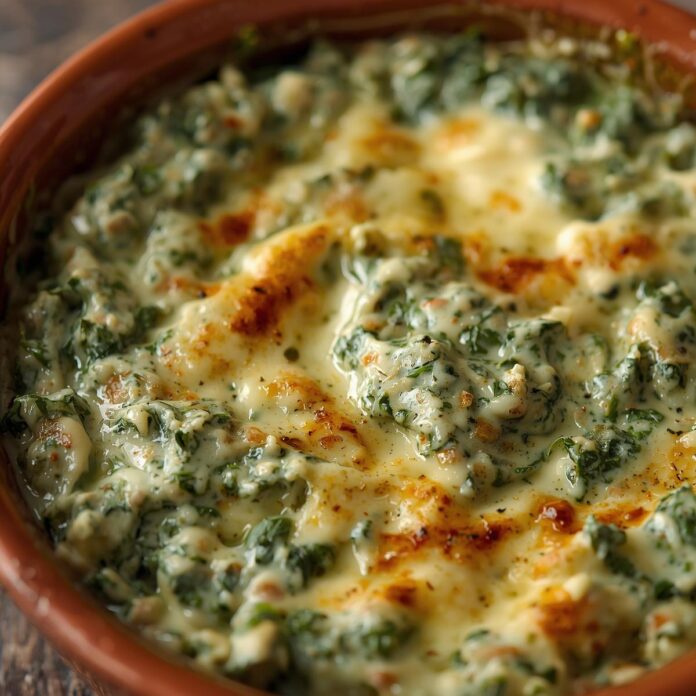
Macaroni and cheese has long held a place as one of the most comforting dishes in home cooking: creamy, warm, satisfying, and endlessly nostalgic. For many people, it is a childhood classic that continues into adulthood as a reliable go-to when craving something reassuring and indulgent. Yet traditional mac and cheese, while delicious, often skews heavily toward carbohydrates and fat, offering minimal protein and leaving some eaters feeling hungry again sooner than expected. The modern kitchen, however, has embraced the idea that comfort food can still be balanced, nutrient-dense, and supportive of varied dietary goals. This is where high-protein baked mac and cheese enters the picture.
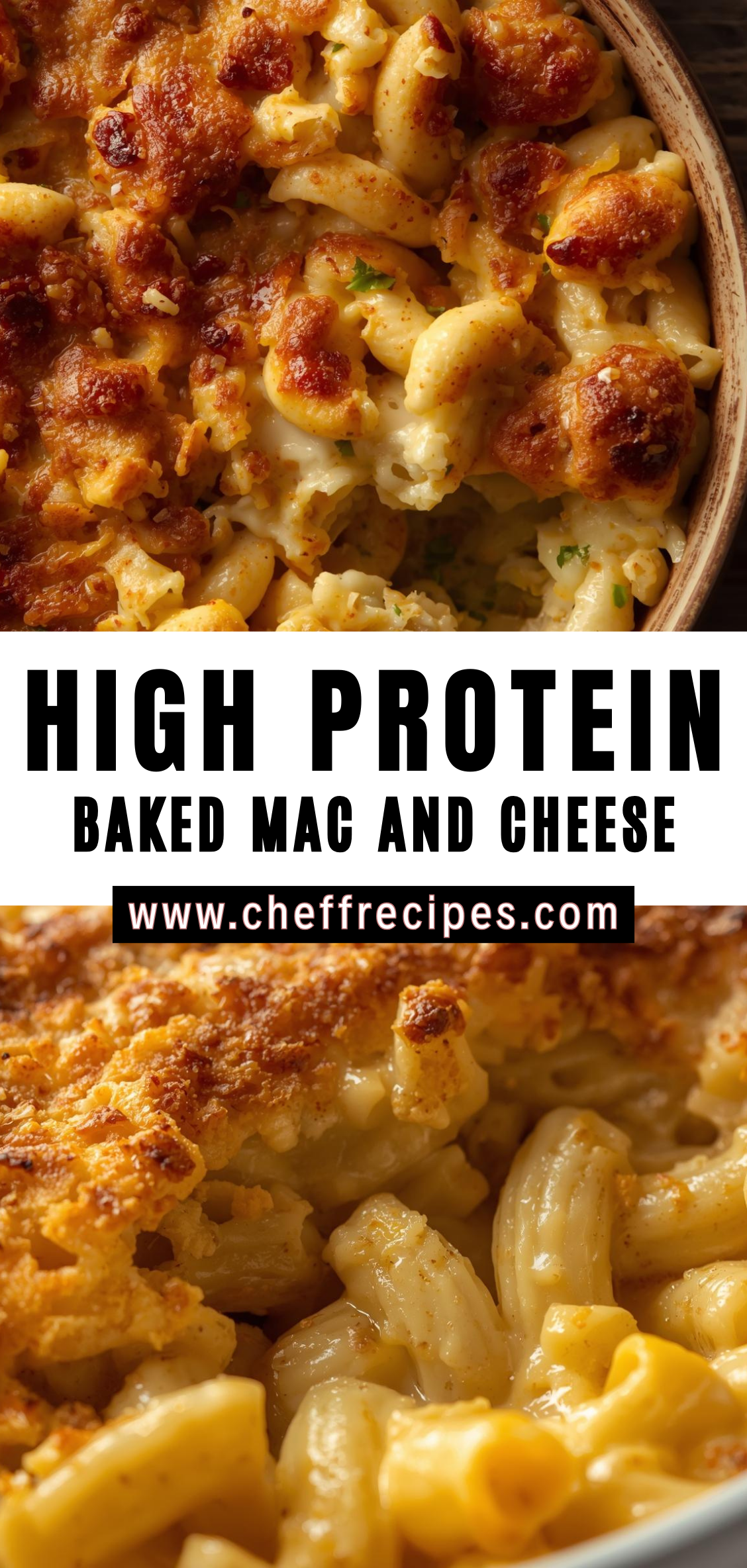
The concept is simple but powerful: retain everything people love about mac and cheese—creamy sauce, tender noodles, melted cheese, and a golden baked crust—while elevating the protein content significantly. This creates a dish that is not only comforting but sustaining, making it suitable for athletes, busy professionals, families seeking more balanced meals, or anyone looking to increase protein intake without giving up the foods they love. A high-protein version can be designed around several strategies: incorporating lean dairy sources, using protein-enriched pasta, adding cottage cheese or Greek yogurt to the sauce, blending cheeses strategically, or even incorporating subtle additions like blended white beans or tofu for additional, unnoticed protein boosts.
High-protein mac and cheese challenges the assumption that healthier adaptations must sacrifice flavor or texture. In reality, when prepared thoughtfully, the protein additions often enhance the dish. Greek yogurt contributes tanginess and creaminess; cottage cheese melts seamlessly into sauces—once blended, it becomes silky and rich; protein pasta maintains structure during baking better than many standard pastas; and using a combination of cheeses can produce a deeper, more satisfying flavor. Even the classic roux-based béchamel sauce can be enriched with protein sources without compromising the velvety finish that defines great mac and cheese.
The baked element adds another layer of appeal. While stovetop mac and cheese has its own charms, the oven transforms the dish into something more satisfying: the edges bubble, the top becomes lightly crisp, and the interior develops a cohesive, almost casserole-like structure. This makes baked mac and cheese especially suited for meal prep, gatherings, potlucks, or weeknight dinners where leftovers are welcome. A high-protein version not only reheats well but continues to deliver nutritional substance when served the next day.
Culturally, mac and cheese has evolved from its early European origins—where it appeared in various pasta-and-cheese combinations—to a cornerstone of American comfort cuisine. Over time, countless variations have emerged, from boxed versions to gourmet offerings featuring truffles, specialty cheeses, or smoked meats. The high-protein adaptation represents the newest chapter in a long history of innovation. It reflects a modern shift toward dishes that are not merely enjoyable but functional, supporting wellness and dietary goals without feeling restrictive.
Another notable aspect of high-protein baked mac and cheese is its versatility. It can be adapted to suit different lifestyles and preferences: higher-protein ingredients can be dairy-based or plant-based; pasta can be gluten-free, legume-based, or whole-grain; the flavor profile can remain classic or become adventurous with spices, vegetables, lean meats, or alternative cheeses. The dish can be made lighter, richer, or more robust depending on the cook’s intention. This adaptability makes it a recipe that can evolve with your tastes and nutritional needs over time.
This guide will help you create a version of baked mac and cheese that delivers on all fronts: creamy, satisfying, flavorful, and nutritionally fortified. The following sections will explore ingredient choices in depth, offer step-by-step instructions for achieving ultra-smooth sauce and perfectly baked texture, and provide optional variations tailored to different protein goals. Whether you want a family-friendly dinner, a high-protein meal prep option, or simply a new take on a familiar favorite, this recipe can be shaped to fit your kitchen and preferences.
Instructions (Extremely Detailed Step-by-Step)
1. Prepare the Pasta
-
Choose high-protein pasta:
For this recipe, select pasta that is naturally high in protein, such as chickpea pasta, lentil pasta, or whole-grain protein-enriched macaroni. These varieties typically contain 12–20 grams of protein per serving, significantly boosting the final dish. -
Boil water:
Fill a large pot with water, leaving room to prevent overflow. Add a generous pinch of salt—this seasons the pasta from within. Bring the water to a rolling boil over high heat. -
Cook pasta al dente:
Add the pasta to the boiling water and stir immediately to prevent sticking. Cook according to package instructions but reduce cooking time by 1–2 minutes for slightly firmer noodles, since the pasta will continue cooking in the oven during baking. Test a piece to ensure it is tender but still has a slight bite. -
Drain and rinse lightly:
Drain the pasta in a colander. For some high-protein pasta types, a quick rinse with warm water helps remove excess starch that can thicken the sauce excessively. Shake off all water and set aside in a large mixing bowl.
2. Prepare the Cheese Sauce
-
Select cheeses strategically:
Use a combination of high-protein cheeses: low-fat cheddar, part-skim mozzarella, and Parmesan. Cheeses vary in protein content, fat, and meltability; blending them achieves a creamy texture without overloading fat. -
Heat the milk:
In a medium saucepan over medium heat, warm 2 cups of milk (dairy or unsweetened plant-based high-protein milk) until just below boiling. Heating first ensures a smooth sauce and prevents curdling when combined with other ingredients. -
Make a roux:
In a separate large saucepan, melt 2–3 tablespoons of butter over medium heat. Stir in 2–3 tablespoons of all-purpose flour (or a high-protein flour alternative) to form a smooth paste. Cook for 1–2 minutes while stirring constantly to remove the raw flour taste. -
Add milk gradually:
Slowly pour the warm milk into the roux while whisking constantly. This prevents lumps and helps create a creamy base. Continue whisking until the mixture thickens slightly, about 3–5 minutes. -
Incorporate Greek yogurt or cottage cheese:
For additional protein, stir in ½ to 1 cup of plain Greek yogurt or well-blended cottage cheese. Blend thoroughly using a whisk or immersion blender for a silky, homogeneous sauce. The tanginess of yogurt enhances flavor while boosting protein content. -
Add cheese:
Gradually fold in shredded cheddar and mozzarella until fully melted. Stir continuously to avoid burning. Add Parmesan last to intensify flavor. Taste the sauce and adjust salt, pepper, or optional spices such as paprika, garlic powder, or mustard powder for depth.
3. Combine Pasta and Sauce
-
Mix gently:
Add the drained pasta to the cheese sauce, folding gently with a spatula to coat each noodle evenly. Avoid vigorous stirring that can break delicate pasta. -
Check consistency:
The mixture should be thick but pourable. If the sauce is too thin, you can add an extra handful of shredded cheese or a small scoop of protein powder designed for cooking. -
Optional protein add-ins:
Consider incorporating diced cooked chicken breast, turkey sausage, or cooked legumes (like edamame or chickpeas) to further increase protein content. Fold in gently to maintain even distribution.
4. Prepare the Baking Dish
-
Choose a dish:
Select a 9×13-inch baking dish or similar-sized ovenproof casserole dish. -
Grease the dish:
Apply a light coating of butter, olive oil, or non-stick spray. This prevents sticking and promotes even browning on the edges. -
Transfer pasta mixture:
Pour the macaroni and cheese mixture into the dish, spreading it evenly with a spatula. Ensure the top is level for uniform baking. -
Add topping:
Sprinkle a mixture of shredded high-protein cheese and optional breadcrumbs over the surface. The breadcrumbs provide texture and crunch, while extra cheese creates a golden, bubbly crust. For lower carb/high protein focus, use crushed protein crackers or omit breadcrumbs.
5. Bake the Mac and Cheese
-
Preheat oven:
Heat your oven to 350°F (175°C). This temperature ensures thorough baking without scorching the cheese. -
Bake uncovered:
Place the dish on the center oven rack. Bake for 20–30 minutes until the cheese is melted, bubbly, and lightly golden on top. If using breadcrumbs, they should turn a light brown. -
Optional broil finish:
For a crispier top, switch the oven to broil for 1–2 minutes at the end. Watch carefully to prevent burning. Remove from oven and let rest for 5 minutes before serving.
6. Serve and Enjoy
-
Portion carefully:
Spoon servings onto plates or bowls. For meal prep, divide into individual airtight containers for easy reheating later. -
Optional garnishes:
Top with fresh herbs such as parsley, chives, or thyme for color and flavor. A dash of smoked paprika or black pepper can enhance visual appeal and taste. -
Maintain warmth for gatherings:
If serving buffet-style, keep in a slow cooker or oven set to low heat to maintain creaminess without drying out.
High Protein Baked Mac and Cheese
Macaroni and cheese has long held a place as one of the most comforting dishes in home cooking: creamy, warm, satisfying, and endlessly nostalgic. For many people, it is a childhood classic that continues into adulthood as a reliable go-to when craving something reassuring and indulgent. Yet traditional mac and cheese, while delicious, often skews heavily toward carbohydrates and fat, offering minimal protein and leaving some eaters feeling hungry again sooner than expected. The modern kitchen, however, has embraced the idea that comfort food can still be balanced, nutrient-dense, and supportive of varied dietary goals. This is where high-protein baked mac and cheese enters the picture.
Ingredients
- Pasta:
- 12 oz (340 g) high-protein pasta (e.g., chickpea pasta, lentil pasta, or a protein-enriched wheat pasta)
- Cheese Sauce:
- 1 ½ cups low-fat cottage cheese
- 1 cup Greek yogurt (2% or 0%)
- 1 ¼ cups shredded cheddar cheese
- ¾ cup shredded mozzarella or Monterey Jack
- 2 tbsp butter
- 2 tbsp all-purpose flour (or 1 tbsp corn starch for gluten-free)
- 2 cups milk (2% or skim both work; can use Fairlife for higher protein)
- ½ tsp garlic powder
- ½ tsp onion powder
- ½ tsp salt (adjust to taste)
- ¼ tsp black pepper
- ⅛ tsp smoked paprika (optional)
- Optional Protein Boosters:
- ½ cup grated Parmesan
- 1 scoop unflavored whey protein (mix into sauce after removing from heat)
- 1–2 cups cooked shredded chicken or turkey
- 1 cup frozen peas for extra fiber + protein
- Topping:
- ½ cup panko breadcrumbs (optional)
- ¼ cup grated Parmesan
- Cooking spray or 1 tbsp melted butter
Instructions
1. Cook the Pasta
- Preheat oven to 375°F (190°C).
- Cook high-protein pasta according to package directions, but reduce cooking time by 1–2 minutes (pasta will soften more when baked).
- Drain and set aside.
2. Make the Protein Cheese Sauce
- Melt butter in a saucepan over medium heat.
- Add flour and whisk 30 seconds to form a roux.
- Slowly whisk in milk and cook until slightly thickened (about 3–4 minutes).
- Remove from heat.
- In a blender, combine cottage cheese and Greek yogurt; blend until completely smooth.
- Stir the blended mixture into the milk base.
- Add cheddar, mozzarella, and seasonings (garlic powder, onion powder, salt, pepper, paprika).
- Stir until melted and smooth. If using whey protein, whisk it in now to avoid clumping (do NOT add over direct heat).
3. Combine and Add Toppings
- Add cooked pasta into the sauce and stir to coat.
- Pour into a lightly greased 9×13 baking dish.
- Mix panko + Parmesan and sprinkle evenly on top; spray with cooking spray for crispiness.
4. Bake
- Bake uncovered 20–25 minutes, until the top is golden and edges bubble.
5. Serve
Let rest 5 minutes before serving for the sauce to thicken.
Notes
- Highest-protein option: Use chickpea or lentil pasta + Fairlife milk + cottage cheese + whey.
- Make gluten-free: Use gluten-free pasta and swap the flour for cornstarch.
- Creamier texture: Add an extra ¼ cup milk if you prefer a looser sauce.
- Add-ins: Chopped spinach, broccoli florets, or roasted chicken work beautifully.