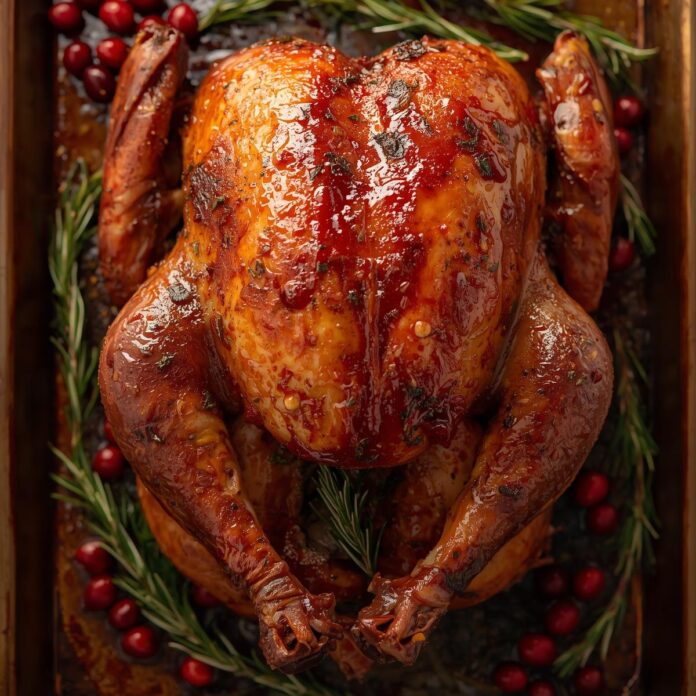
There are certain dishes that feel timeless—recipes that transcend seasons, trends, and moods because they capture something essential about the way we want food to taste. Honey Lemon Chicken is one of those rare creations. It strikes the delicate balance between brightness and warmth, sweetness and savoriness, simplicity and sophistication. It is a dish that can appear on a quiet weeknight table or at the center of a celebratory spread, bringing with it an aroma that invites people closer and a flavor that lingers long after the last bite.
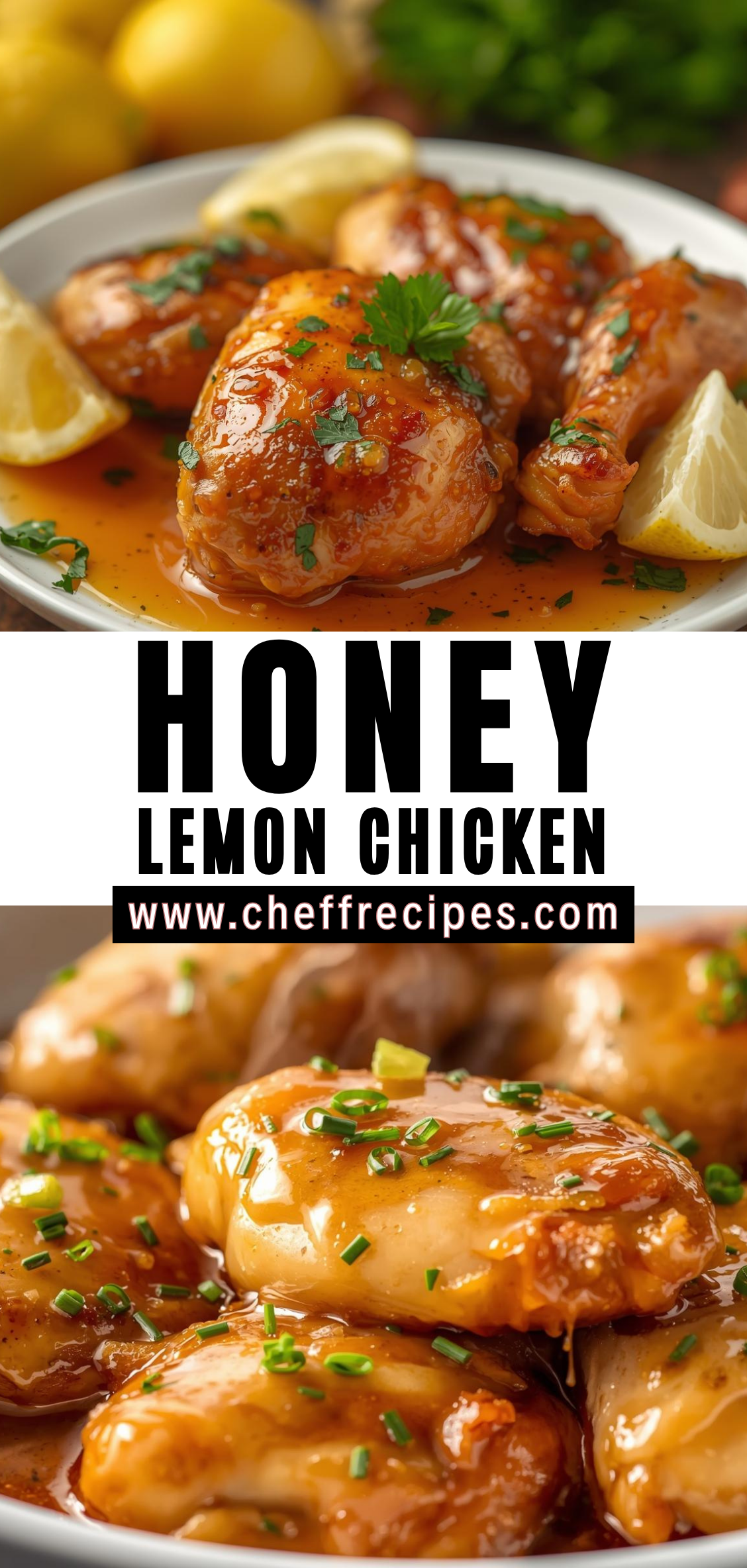
At its heart, Honey Lemon Chicken is a marriage of contrasts. Honey, rich and golden, contributes not only sweetness but also depth: a floral, rounded note that becomes more complex as it caramelizes. Lemon offers its vibrant counterpoint—sharp yet refreshing, assertive yet clean—cutting through the richness with a brightness reminiscent of summer sun and cool breezes. The two ingredients, seemingly opposite in character, come together in perfect harmony, bound by the savory backdrop of chicken that has been seasoned, seared, and coaxed into tenderness with patient heat. The result is a sauce that clings to the meat like a glossy glaze, each drop infused with citrus, sweetness, and the subtle aroma of garlic and herbs.
But what makes Honey Lemon Chicken truly special is not just its flavor; it is the experience of cooking it. The process is practical and approachable, yet full of sensory pleasure. The sound of chicken sizzling in a hot pan. The scent of garlic meeting warm oil. The moment when honey ribbons into the skillet, meets lemon juice, and transforms into a fragrant sauce that thickens into a silky, amber coating. It is cooking as both craft and comfort—reliable enough for busy days, rewarding enough for when you want to cook with a sense of intention.
The dish also offers remarkable versatility. It can be prepared quickly on the stovetop, roasted in the oven for deeper caramelization, or grilled for smoky undertones. It pairs with rice, pasta, couscous, roasted vegetables, or a crisp green salad. It can lean sweet, tangy, spicy, or herbaceous depending on subtle changes to the ingredients. With a simple adjustment—a pinch of chili flakes, a spoonful of mustard, a sprig of thyme—it becomes a variation entirely its own. This adaptability makes it ideal for home cooks who want a dependable recipe that still invites creativity.
Honey Lemon Chicken’s appeal also lies in its universal accessibility. Children often love it for its gentle sweetness. Adults appreciate its nuanced balance and the sophistication of citrus in savory cooking. It resonates across culinary traditions, drawing from Mediterranean, Asian, and contemporary Western influences while maintaining a clear and coherent identity. It is a dish that feels familiar even the first time you taste it, and more rewarding with each repetition.
In this recipe, the goal is to highlight both the simplicity and the elegance of the dish. We will explore not only how to cook it but why each step matters: why you should brown the chicken before simmering it in sauce, why lemon zest adds brightness without acidity, why honey should be added at just the right moment, and how heat transforms these ingredients into something greater than their sum. You will learn how to choose the right cut of chicken depending on the texture you prefer, how to achieve a perfect sear, how to balance seasoning, and how to thicken the sauce without losing freshness.
For those who want to elevate the dish further, we will examine optional additions, from fresh herbs to aromatics to spice blends. We will consider variations—from skillet-style to sheet-pan roasted versions, from crispy to saucy, from mild to boldly flavored. We will also discuss common mistakes, such as overcooking the chicken or reducing the sauce too quickly, and provide clear solutions that empower you to create this recipe with confidence.
Whether you are cooking for yourself, your family, or guests, Honey Lemon Chicken has a way of turning an ordinary meal into something unexpectedly uplifting. It is the kind of dish that brightens a table, soothes a long day, and brings warmth to any season. It offers comfort without heaviness, richness without excess, and flavor without complication.
In the sections that follow, we will walk step-by-step through every phase of creating the perfect Honey Lemon Chicken—from ingredient selection and preparation to cooking method, serving suggestions, and beyond. With attention to detail and a focus on technique, this recipe becomes more than a simple dinner; it becomes an experience, one that invites you to savor not just the flavors but the act of cooking itself.
Step-by-Step Instructions: Detailed Method
1. Preparing the Chicken: Trimming, Drying, and Seasoning
Before heat meets pan, the chicken must be prepared with care to ensure tenderness, browning, and even cooking.
-
Choose your cut.
This recipe works beautifully with boneless, skinless chicken breasts or thighs. Thighs are more forgiving and stay juicier; breasts require more attention but offer a leaner texture. -
Trim excess fat.
Use a sharp knife to remove any visible fat or connective tissue. Clean edges help the chicken sear evenly. -
Pat dry thoroughly.
Moisture prevents browning. Press both sides of the chicken with paper towels until the surface feels dry. Browning is essential because those caramelized edges become part of the sauce’s foundation. -
Season generously.
Sprinkle both sides with kosher salt and freshly cracked black pepper. Add a light dusting of flour if you prefer a slightly thicker, silkier sauce; this is optional but helps the sauce cling to the chicken.
Let the chicken rest for a few minutes to absorb the seasoning while you prepare your aromatics.
2. Preparing Aromatics and the Flavor Base
Aromatic ingredients—garlic, lemon zest, and fresh herbs—create the depth that defines this dish.
-
Mince the garlic evenly.
Finely chopped garlic cooks more consistently and prevents harsh or bitter notes. Avoid very large chunks unless you are aiming for a rustic, roasted profile. -
Zest the lemon before juicing it.
Zest adds brightness without acidity. Use a microplane to collect only the thin yellow layer; the white pith beneath is bitter. -
Juice the lemon separately.
Fresh lemon juice is essential for clarity of flavor. Strain it to remove seeds and pulp. -
Prepare optional aromatics.
This may include grated ginger, minced shallots, fresh thyme, or a small amount of crushed red pepper for heat. Keep these measured and ready.
The key to stovetop dishes is fluidity: once heat begins, the process moves quickly.
3. Heating the Pan and Searing the Chicken
A proper sear is crucial to building flavor.
-
Choose a heavy-bottomed skillet.
Cast iron or stainless steel retains heat better than nonstick. These pans create superior browning, which adds complexity to the final sauce. -
Heat the oil over medium-high heat.
Use a combination of olive oil and a small amount of butter. The oil prevents burning, while the butter provides flavor and enhances pan color. -
Test the heat.
A droplet of water should sizzle immediately but not dance violently. The pan should be hot—not smoking—when the chicken goes in. -
Place the chicken in the pan.
Lay each piece down away from you to avoid splatter. Do not move it for at least 2 to 3 minutes; moving it prematurely breaks the sear. -
Sear until golden.
Flip the chicken once the underside has developed a deep golden crust. The color should be rich, not pale. -
Sear the second side.
The goal is not to cook the chicken through during this stage but to build color and flavor.
Once both sides are browned, remove the chicken and set aside on a warm plate. It will finish cooking in the sauce.
4. Building the Honey Lemon Sauce
This step transforms simple ingredients into a concentrated, glossy glaze.
-
Lower the heat to medium.
The pan will still be very hot from searing, so reducing heat prevents burning the aromatics. -
Add a bit more oil or butter if the pan appears dry.
The pan drippings (fond) are vital to flavor, and they will loosen as the sauce comes together. -
Add the garlic.
Stir constantly. Garlic should turn lightly golden but never dark brown. It is the aromatic backbone of the sauce. -
Deglaze with a splash of broth or water.
This helps lift the browned bits from the bottom of the skillet. Use a wooden spoon to scrape the pan gently. -
Add the lemon juice and zest.
The lemon juice provides acidity, while the zest adds bright citrus oils that deepen the flavor. -
Add the honey.
Pour it in slowly, stirring as it melts into the sauce. The honey will thin initially but begins to thicken as it simmers. -
Add optional flavor enhancers.
This might include soy sauce for umami, Dijon mustard for tang and body, or ginger for fragrance.
These additions should be subtle; they exist to support, not overpower, the honey-lemon harmony.
Allow the sauce to simmer for 2 to 3 minutes until it reaches a glossy, syrup-like consistency.
5. Returning the Chicken to the Pan and Simmering
This step combines all flavors and gently cooks the chicken through.
-
Nestle the chicken back into the sauce.
Turn the pieces to coat both sides thoroughly. -
Reduce heat to low or medium-low.
Gentle simmering prevents the honey from burning and ensures the chicken stays tender. -
Cover the pan partially.
Leave a slight gap for steam to escape. This helps the sauce thicken while keeping the chicken moist. -
Simmer for 5 to 10 minutes.
Cooking time depends on thickness. Chicken is ready when the internal temperature reaches 165°F (74°C) or when it feels firm and no longer pink inside. -
Baste continuously.
Spoon sauce over the chicken every few minutes. This builds layers of flavor and improves glaze adhesion.
During this stage, the chicken absorbs the honey-lemon mixture fully, becoming tender, glossy, and deeply aromatic.
6. Thickening the Final Sauce
The sauce should finish as a silky glaze—never watery, never sticky.
-
Remove the chicken and reduce the sauce if needed.
With the chicken resting on a plate, raise the heat slightly and let the sauce bubble until it thickens to your preference. -
Taste and adjust.
Balance is key:-
Add more honey for sweetness.
-
Add lemon juice for brightness.
-
Add a pinch of salt to heighten flavor.
-
Add a small knob of butter for richness.
-
-
Return the chicken to the skillet.
Coat each piece thoroughly. The glaze should cling without running excessively.
A well-finished sauce will be translucent, amber-toned, and lively with citrus scent.
7. Resting and Serving
Final details determine how beautifully the dish presents.
-
Let the chicken rest briefly.
Resting for 3 to 5 minutes allows juices to settle into the meat for a more tender bite. -
Slice if using breasts.
Slice diagonally for clean, elegant presentation. -
Spoon extra glaze over the top.
The finishing touch creates shine and intensifies flavor. -
Serve immediately.
Pair with rice, roasted vegetables, couscous, salad, or pasta. The dish is versatile and harmonizes well with many sides.
Honey Lemon Chicken
There are certain dishes that feel timeless—recipes that transcend seasons, trends, and moods because they capture something essential about the way we want food to taste. Honey Lemon Chicken is one of those rare creations. It strikes the delicate balance between brightness and warmth, sweetness and savoriness, simplicity and sophistication.
Ingredients
- For the Chicken:
- 1½ lbs (680g) boneless, skinless chicken breasts or thighs
- Salt and black pepper, to taste
- 2 tbsp olive oil
- Honey Lemon Sauce:
- ¼ cup honey
- 3 tbsp fresh lemon juice
- 1 tbsp lemon zest
- 2 tbsp soy sauce
- 2 cloves garlic, minced
- ½ tsp grated fresh ginger (optional)
- ¼ cup chicken broth
- 1 tsp cornstarch + 1 tsp water (optional, for thickening)
- For Garnish:
- Lemon slices
- Chopped parsley or green onions
Instructions
1. Prepare the Chicken
- Pat the chicken dry and season both sides with salt and pepper.
- Slice the chicken into cutlets or leave whole depending on preference.
2. Sear the Chicken
- Heat the olive oil in a large skillet over medium-high heat.
- Add the chicken and cook 4–6 minutes per side (depending on thickness) until golden and cooked through.
- Remove chicken from skillet and set aside.
3. Make the Honey Lemon Sauce
- In the same skillet, add honey, lemon juice, lemon zest, soy sauce, garlic, ginger (if using), and chicken broth.
- Stir and bring to a gentle simmer for 1–2 minutes.
- If desired, stir in the cornstarch slurry to thicken the sauce slightly.
4. Combine and Finish
- Return the chicken to the skillet, coating it in the sauce.
- Simmer for another 2–3 minutes until sauce is glossy and chicken is fully coated.
- Taste and adjust with more lemon or honey as preferred.
5. Serve
- Garnish with lemon slices and fresh parsley or green onions.
- Serve over rice, roasted vegetables, or mashed potatoes.
Notes
- Chicken thighs stay juicier than breasts—use whichever you prefer.
- Add red pepper flakes for a sweet-spicy version.
- For a crispier texture, lightly dust the chicken with flour before searing.
- This sauce also works beautifully with salmon or shrimp.