Korean Spicy Chicken Stir Fry is a dish that captures the heart of Korean-inspired home cooking with its bold flavors, vibrant color, and satisfying balance of heat and savoriness.
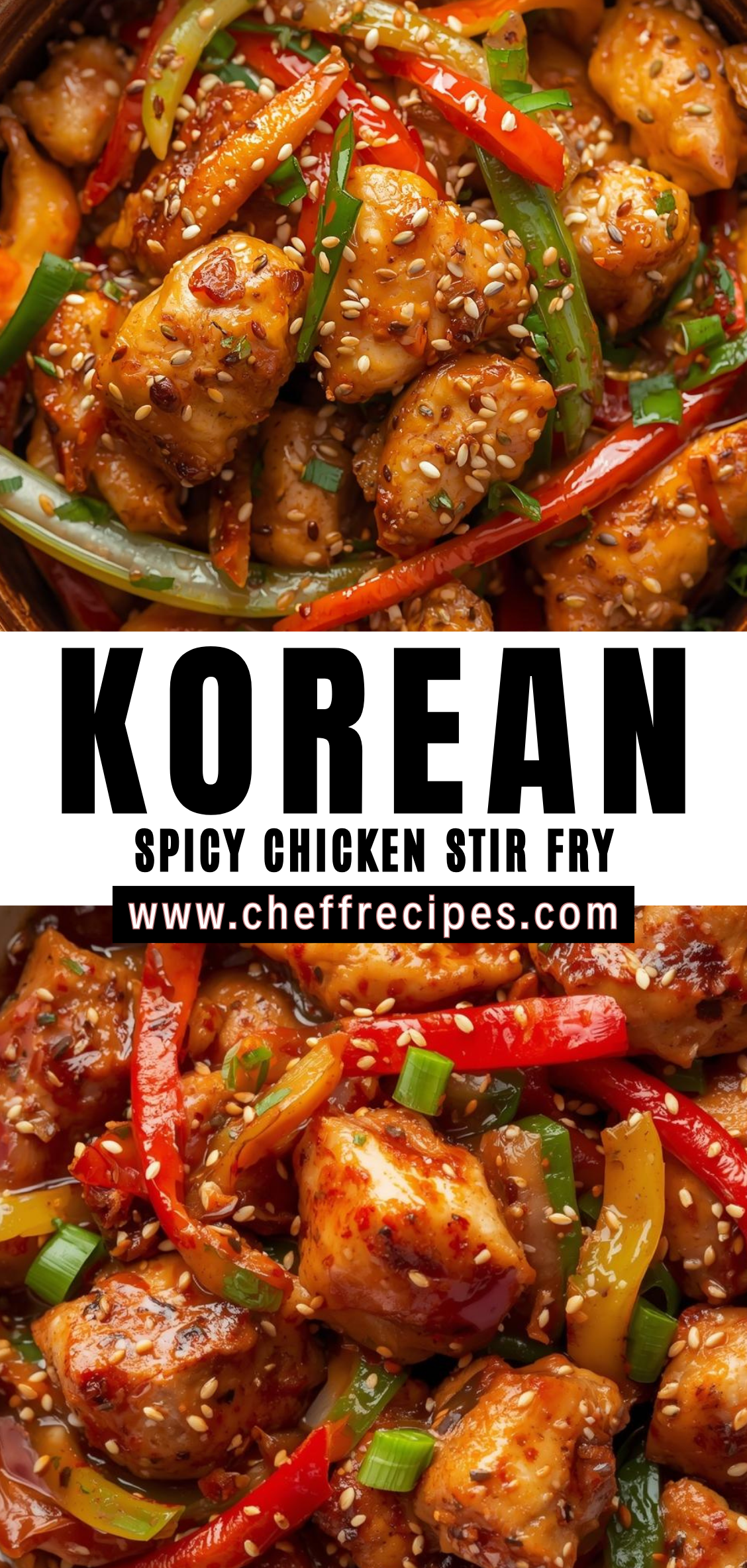
It is the kind of meal that feels exciting from the first bite, delivering spice, sweetness, and umami in perfect harmony. This dish is designed to be cooked quickly in a single pan, making it ideal for busy evenings while still offering the depth of flavor usually associated with longer-cooked meals. Tender chicken, crisp vegetables, and a glossy spicy sauce come together to create a stir fry that is both comforting and energizing. In this post, you will explore not only how to prepare Korean Spicy Chicken Stir Fry step by step, but also why each ingredient and technique matters, giving you the confidence to recreate and adapt the dish to your own taste.
Why Korean Spicy Chicken Stir Fry Is So Popular
The popularity of Korean Spicy Chicken Stir Fry comes from its ability to deliver intense flavor without complicated preparation. It relies on pantry-friendly ingredients and straightforward cooking methods, yet the final result feels layered and exciting. The dish appeals to those who love spice, but it also offers enough sweetness and richness to remain balanced rather than overwhelming. Chicken is an accessible protein that absorbs marinades and sauces exceptionally well, making it ideal for stir frying. Combined with vegetables and a bold sauce, the dish becomes a complete meal that satisfies cravings for heat, comfort, and freshness all at once.
Understanding the Flavor Profile
Spicy, Sweet, and Savory Balance
At the core of Korean Spicy Chicken Stir Fry is its carefully balanced sauce. Heat provides the initial impact, sweetness softens the intensity, and savory elements ground the dish with depth. This balance ensures that the spice enhances rather than dominates the meal. Each bite should feel lively and warming, with flavors unfolding gradually rather than hitting all at once.
Umami as the Foundation
Umami plays a crucial role in making this dish deeply satisfying. Fermented and savory ingredients contribute richness and complexity, giving the sauce its signature depth. This underlying savoriness is what keeps the dish from tasting sharp or one-dimensional, even with bold spice levels.
Ingredient Breakdown and Purpose
Chicken as the Star
Chicken is the main protein in this stir fry and works particularly well because of its mild flavor and tender texture. When sliced properly, chicken cooks quickly and evenly, making it perfect for high-heat cooking. It absorbs the sauce readily, ensuring that each piece is coated with flavor. Using evenly sized pieces helps prevent overcooking and keeps the texture juicy rather than dry.
Vegetables for Texture and Contrast
Vegetables add essential contrast to the dish, both in texture and flavor. Crisp vegetables balance the tenderness of the chicken and provide freshness that cuts through the richness of the sauce. They also add color, making the dish visually appealing and more satisfying. Choosing vegetables that cook quickly ensures they remain vibrant and slightly crisp rather than soft and dull.
Aromatics and Seasonings
Garlic and ginger form the aromatic backbone of Korean Spicy Chicken Stir Fry. Garlic adds pungency and depth, while ginger contributes warmth and brightness. Together, they create a fragrant base that enhances the sauce and complements the chicken. These aromatics are cooked briefly to release their flavor without burning, which is key to maintaining balance.
The Spicy Sauce Components
The sauce is what defines this dish. It combines heat, sweetness, and savoriness into a cohesive glaze that clings to the chicken and vegetables. The ingredients are chosen to create intensity without harshness, ensuring the sauce tastes bold but rounded. The consistency should be thick enough to coat the stir fry evenly, creating a glossy finish that signals richness and flavor.
Equipment and Preparation Essentials
Korean Spicy Chicken Stir Fry requires minimal equipment, which adds to its appeal. A wide pan or skillet allows ingredients to cook quickly and evenly, preventing overcrowding and steaming. Having all ingredients prepped before cooking is especially important, as stir frying moves fast once heat is applied. This preparation ensures you can focus on timing and technique rather than scrambling to measure or chop mid-cook.
Step-by-Step Guide to Making Korean Spicy Chicken Stir Fry
Preparing the Chicken
Begin by slicing the chicken into thin, uniform pieces. This ensures quick cooking and even texture. Lightly seasoning or marinating the chicken before cooking helps build flavor from the start and prepares it to absorb the sauce more effectively.
Mixing the Sauce
Prepare the sauce in advance by combining the spicy, sweet, and savory components until smooth and well blended. This step is essential, as it allows the flavors to meld before hitting the heat. Having the sauce ready also prevents overcooking the chicken while assembling ingredients.
Cooking the Chicken
Heat the pan until hot and add the chicken in a single layer. Allow it to sear briefly before stirring, which develops flavor and prevents sticking. Cook until the chicken is just done, then remove or push it aside to make room for the aromatics and vegetables.
Adding Aromatics and Vegetables
Add garlic and ginger to the pan, stirring quickly to release their fragrance. Follow with the vegetables, cooking them just until they begin to soften but still retain some crunch. This timing ensures that the vegetables add freshness and texture rather than becoming limp.
Bringing Everything Together
Return the chicken to the pan if it was set aside, then pour in the prepared sauce. Stir quickly to coat all components evenly. Allow the sauce to bubble briefly, thickening slightly and clinging to the chicken and vegetables. This final step is where the dish comes together, with flavors intensifying and textures unifying.
Serving the Stir Fry
Korean Spicy Chicken Stir Fry is best served immediately while hot. It pairs naturally with a neutral base that balances the spice and soaks up the sauce. The contrast between the bold stir fry and a simple base enhances the overall experience, making each bite satisfying without being overwhelming.
Variations and Customizations
Adjusting the Heat Level
One of the strengths of this dish is its adaptability. The heat level can be adjusted easily by increasing or reducing the spicy components in the sauce. This flexibility makes the dish suitable for both spice lovers and those who prefer a milder experience.
Protein Alternatives
While chicken is classic, this stir fry works well with other proteins. Thinly sliced beef, pork, or even plant-based alternatives can be substituted, each bringing its own texture and character while still benefiting from the bold sauce.
Vegetable Variations
The choice of vegetables can be adapted based on availability or preference. Adding more vegetables creates a lighter, more balanced dish, while fewer vegetables highlight the richness of the chicken and sauce.
Storage and Reheating
Korean Spicy Chicken Stir Fry stores well when handled properly. Once cooled, it can be refrigerated for several days. Reheating gently helps preserve the texture of the chicken and vegetables while maintaining the sauce’s flavor. Storing the dish in an airtight container prevents it from drying out and keeps the flavors fresh.
Common Mistakes and How to Avoid Them
Overcrowding the pan is one of the most common mistakes, as it causes the chicken to steam rather than sear. Cooking in batches if necessary ensures proper browning and flavor development. Overcooking the vegetables can also dull the dish, so timing is crucial. Tasting and adjusting seasoning at the end helps achieve the ideal balance of heat, sweetness, and savoriness.
Cultural Inspiration and Modern Home Cooking
While inspired by Korean flavors, this stir fry is a modern home-cooking interpretation rather than a strict traditional dish. It borrows familiar elements and adapts them to quick, accessible cooking methods. This approach allows the dish to fit seamlessly into everyday life while still honoring the bold flavor principles that define Korean-inspired cuisine.
Final Thoughts: A Dish That Delivers Big Flavor Fast
Korean Spicy Chicken Stir Fry is a recipe that proves bold flavor does not require complexity.
Korean Spicy Chicken Stir Fry
This Korean Spicy Chicken Stir-Fry is bold, savory, and slightly sweet with a kick of heat from gochujang. Tender chicken is coated in a sticky, flavorful sauce and stir-fried with vegetables for a quick, satisfying meal that’s perfect with steamed rice.
Ingredients
- Chicken
- 1 lb (450 g) boneless, skinless chicken thighs or breasts, sliced
- 1 tablespoon neutral oil (avocado or vegetable)
- Sauce
- 3 tablespoons gochujang (Korean chili paste)
- 1 tablespoon gochugaru (optional, for extra heat)
- 2 tablespoons soy sauce (low sodium)
- 1 tablespoon brown sugar or honey
- 1 tablespoon sesame oil
- 1 tablespoon rice vinegar
- 3 cloves garlic, minced
- 1 teaspoon fresh ginger, grated
- Vegetables
- 1 small onion, sliced
- 1 red bell pepper, sliced
- 1 cup cabbage or zucchini, sliced
- Garnish
- Sliced green onions
- Toasted sesame seeds
Instructions
1. Make the Sauce
- In a bowl, whisk together gochujang, gochugaru (if using), soy sauce, brown sugar, sesame oil, rice vinegar, garlic, and ginger.
2. Cook the Chicken
- Heat oil in a large skillet or wok over medium-high heat.
- Add chicken and cook 4–5 minutes, stirring, until mostly cooked and lightly browned.
3. Stir-Fry
- Add onion and vegetables; cook 3–4 minutes until slightly tender.
- Pour in sauce and toss to coat everything evenly.
- Cook 3–4 minutes more until chicken is fully cooked and sauce thickens.
4. Serve
- Garnish with green onions and sesame seeds.
- Serve hot over steamed rice or noodles.
Notes
- Chicken thighs stay juicier, but breasts work well if not overcooked.
- Adjust heat by reducing gochujang or skipping gochugaru.
- Add rice cakes (tteok) or sweet potatoes for a more traditional twist.