Loaded chicken nachos belong to a category of dishes that effortlessly bridge the gap between casual comfort food and full, satisfying meals. They are celebratory yet practical, indulgent yet versatile, and endlessly customizable. Few dishes inspire the same atmosphere of sharing and togetherness: a large tray pulled fresh from the oven, cheese still bubbling, toppings arranged in bright, enticing layers, and everyone reaching in with anticipation. Nachos deliver immediate gratification, but loaded chicken nachos elevate the experience to a more complete, substantial dish—one with textures, contrasts, and flavors that satisfy deeply.
The origins of nachos are humble, rooted in simplicity. Traditionally made with just tortillas, cheese, and sliced jalapeños, they were invented out of necessity and creativity. Yet over time, nachos evolved dramatically into a canvas for culinary expression. The addition of seasoned chicken, beans, salsas, vegetables, and sauces turned a once minimalist snack into a hearty dish capable of standing on its own. Loaded chicken nachos embrace this evolution. They represent the modern interpretation of a classic idea: take something beloved and make it even better, layer by layer.
Chicken plays a crucial role in this version of nachos. It introduces protein, substance, and an opportunity for flavor building. Whether marinated, shredded, grilled, roasted, or sautéed, chicken absorbs seasonings beautifully. It can be smoky, spicy, citrusy, or savory depending on the spices and cooking method. The chicken in loaded nachos transforms the dish from a snack into a full meal—one that appeals to both casual eaters and those seeking a more complete nutritional balance without sacrificing taste.
At the heart of any good nacho recipe is the principle of layering. Every bite should contain some combination of textures and flavors: crisp tortilla chips, tender chicken, melted cheese, bright vegetables, creamy elements like sour cream or guacamole, a hint of heat from chiles or jalapeños, and the refreshing acidity of lime or salsa. Good nachos are engineered thoughtfully. They are not a pile of ingredients thrown together; they are composed, ensuring each component supports the others. Loaded chicken nachos excel when ingredients are strategically placed to maintain crispness while allowing flavors to meld harmoniously.
Cheese is another foundational element that defines the character of loaded chicken nachos. Meltability is key. Cheddar, Monterey Jack, Colby Jack, and queso asadero are among the favorites for their stretch, creaminess, and balanced flavor. Cheese acts as both a topping and an adhesive, binding layers of chicken and vegetables to the chips and preventing the nachos from separating into disconnected parts. It brings richness, cohesion, and a sense of indulgence that makes the dish feel abundant and satisfying.
The toppings are where creativity flourishes. Loaded chicken nachos welcome a vast range of additions—black beans, corn, pickled or fresh jalapeños, tomatoes, onions, cilantro, olives, scallions, avocado, and various sauces. Each choice shapes the overall flavor profile and texture. Bright, fresh toppings contrast with warm, melty components. Crunchy elements balance creamy ones. Acidic ingredients lift the richness of cheese and chicken. Heat creates excitement and depth. When these layers come together intentionally, the dish feels dynamic and multidimensional.
One of the major strengths of loaded chicken nachos is their adaptability. They easily accommodate personal preferences, dietary needs, and ingredient availability. You can make them mild or spicy, add or reduce toppings based on taste, or even adjust them to dietary goals such as gluten-free or high-protein variations. They are welcoming to substitutions and improvisation, making them ideal for busy households, gatherings, or cooks who enjoy creative flexibility.
Beyond taste, loaded chicken nachos carry a powerful social component. They are inherently communal. The format encourages sharing, gathering around the table, and enjoying food together. They are a natural choice for game nights, family evenings, weekend meals, parties, or casual get-togethers. Even when prepared for a smaller group, they evoke the energy of celebration and togetherness—qualities that make food memorable.
Despite their layered complexity, loaded chicken nachos remain accessible for cooks of all skill levels. With the right techniques, they can be executed flawlessly without requiring advanced cooking experience. Proper chip selection prevents sogginess. Strategic layering prevents dryness in some bites and overwhelming moisture in others. Controlled oven time ensures cheese melts without burning. These techniques are simple but impactful, allowing home cooks to achieve results that feel polished, intentional, and restaurant-worthy.
Loaded chicken nachos also offer an excellent way to repurpose ingredients. Leftover cooked chicken becomes the star protein. Vegetables lingering in the refrigerator find new life as toppings. Beans, canned corn, or pantry staples easily integrate into the dish. This adaptability makes the recipe not only delicious but also economical and waste-conscious, aligning with modern principles of practical home cooking.
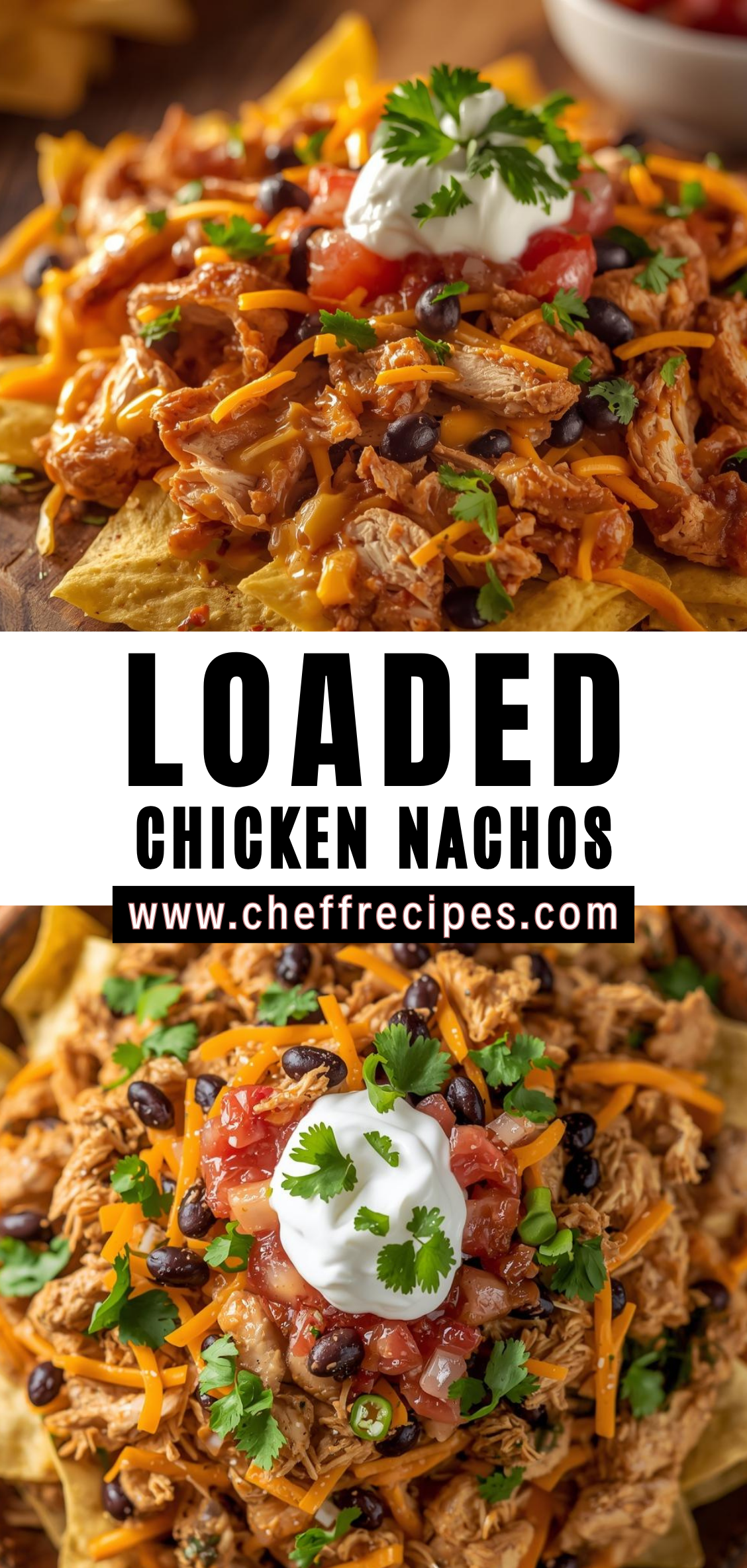
There is also a sensory aspect to consider. Loaded chicken nachos are visually vibrant—yellows, reds, greens, oranges, and creamy whites arranged on a deep, warm base of golden chips. The aroma of melted cheese mingling with spices and roasted toppings is immediately inviting. The contrast of textures—crunchy chips, tender chicken, crisp vegetables, creamy sauces—makes every bite exciting. The flavors range from smoky to tangy, from rich to fresh. These sensory experiences are part of what makes the dish universally adored.
Ultimately, loaded chicken nachos are more than a recipe; they are a reflection of what makes comfort food so powerful. They bring together bold flavors, satisfying textures, and a spirit of generosity. They encourage experimentation, creativity, and personalization. They offer nourishment but also joy, excitement, and a sense of abundance. Whether prepared for a casual weeknight dinner or as the centerpiece of a lively gathering, they have the rare ability to make any occasion feel more enjoyable.
As you move into the full recipe, you will discover how each step—seasoning the chicken, constructing the layers, selecting the toppings, balancing textures—contributes to the final dish. With the right guidance, loaded chicken nachos can become one of your most reliable and impressive go-to meals, delivering comfort, flavor, and crowd-pleasing appeal every time.
Detailed Instructions
1. Prepare the Chicken
Start with fully cooked chicken, as nachos assemble and cook quickly. You may use roasted chicken, poached chicken, grilled chicken, or leftover rotisserie chicken. Shredded chicken works best because its texture helps it blend with the other toppings and sit securely on the chips.
If you are cooking the chicken fresh, season it generously. Combine salt, pepper, garlic powder, onion powder, paprika, and cumin in a small bowl. Rub this mixture over the chicken breasts or thighs. Heat a skillet with a bit of oil and cook the chicken over medium heat until golden on the outside and cooked through on the inside. Let it cool slightly before shredding or dicing.
For shredded chicken, use two forks to pull it into long, thin strands. If you prefer chunkier nachos, cut the chicken into small cubes. Once shredded, place the chicken in a bowl and toss it with a tablespoon or two of lime juice, a splash of chicken broth, or a spoonful of salsa. This added moisture keeps the chicken tender during baking and prevents it from drying out.
2. Season the Chicken for Maximum Flavor
Even if your chicken is pre-cooked, flavor it again. Nachos rely on bold seasoning to stand out. Add chili powder, cumin, smoked paprika, garlic powder, and a small amount of salt. Toss to distribute evenly. If you want a saucier chicken mixture, stir in a few tablespoons of taco sauce, enchilada sauce, salsa verde, or even a bit of sour cream. Coat the chicken thoroughly but avoid adding too much liquid; overly wet chicken will make the nachos soggy.
Taste the chicken and adjust the seasoning before assembling the nachos. The chicken should taste fully seasoned on its own, because once distributed across the chips, the flavor will naturally disperse.
3. Prepare the Other Toppings
Gather your toppings and prepare them so assembly goes smoothly. Dice fresh tomatoes, slice jalapeños, chop cilantro, mince onions, and slice scallions. If using avocado, cut it into cubes or mash it into guacamole.
Drain and rinse black beans to prevent excess moisture. Pat them dry with paper towels if they seem wet. If you’re using corn, whether canned or fresh, pat it dry as well.
Prepare any optional toppings like pickled onions, olives, or roasted peppers. The more evenly everything is prepped, the more beautifully and evenly the nachos will assemble.
4. Choose the Right Cheese and Prepare It Correctly
Cheese is crucial. Select cheeses that melt smoothly and bind the toppings to the chips. Monterey Jack, cheddar, Colby Jack, pepper jack, or a blend all work well. If possible, grate the cheese from a block rather than using pre-shredded cheese. Pre-shredded cheese contains anti-caking agents that can prevent smooth melting.
You’ll need a generous amount—at least two full cups for a large tray of nachos. Separate the cheese into two portions: one for the first layer and one for the top.
5. Select and Prepare the Chips
Choose thick, sturdy tortilla chips. Thin chips will wilt and collapse under the weight of the toppings. Restaurant-style or cantina-style chips can work if they are firm. Avoid chips that are overly oily, as they can soften quickly.
Spread the chips on a large baking sheet or oven-safe platter lined with parchment paper for easier cleanup. Make sure the chips are arranged in a mostly single layer with slight overlapping. Thick stacks of chips will leave some pieces dry and others too soggy.
6. Build the First Layer
The first layer is essential because it sets the foundation of your nachos. Sprinkle a handful of cheese directly onto the chips first—this acts like edible glue and helps the toppings stick. Spread about half of the seasoned chicken evenly across the chips, ensuring that each chip gets some, rather than clustering chicken in the center.
Scatter black beans and corn over the chicken. Add sliced jalapeños or green chiles if you want heat integrated into every bite. Follow with a second, slightly heavier layer of cheese. Think of the first layer as the structural foundation: it ensures that the nachos remain cohesive and balanced.
7. Build the Second Layer
On top of the first cheese layer, repeat the process, building upward carefully. Add the remaining chicken, distributing it evenly. Sprinkle more beans, corn, or roasted peppers. Then add the remaining cheese on top. The top layer of cheese acts as a seal that locks in moisture and melts into a golden, cohesive blanket.
Avoid adding fresh tomatoes, onions, lettuce, cilantro, salsa, or sour cream at this stage. Fresh toppings go on after baking so they don’t soften or make the chips soggy.
8. Preheat the Oven Properly
Preheat your oven to 375°F (190°C). A properly heated oven ensures the cheese melts quickly and evenly, preventing the chips from drying out during a long bake. Nachos cook best at a moderately high temperature; too low and the cheese becomes rubbery, too high and the chips may burn.
9. Bake the Nachos
Place the baking sheet in the center of the oven. Bake for 10 to 12 minutes, or until the cheese is fully melted and bubbling. Watch closely during the last minutes. Different ovens vary, and chips can burn quickly once they begin to toast.
If you prefer extra browning, switch the oven to broil for 1 to 2 minutes. Keep a close eye on the nachos during broiling; they can scorch in seconds.
Remove the nachos from the oven carefully. Hot cheese is extremely molten and can shift easily. Let the tray sit for one minute to settle, but don’t let it cool completely—the chips should remain crisp.
10. Add Fresh, Cool, and Crisp Toppings
Now it’s time to add the ingredients that provide contrast and brightness. Scatter diced tomatoes, chopped onions, and fresh cilantro across the surface. Add slices of jalapeños or pickled peppers. Spoon dollops of sour cream or Greek yogurt around the tray. Add guacamole or avocado slices last to prevent browning.
If using salsa, drizzle lightly rather than pouring it heavily. Heavy moisture can soften the chips. Alternatively, serve extra salsa on the side.
A squeeze of fresh lime juice at this stage elevates the entire dish, cutting through richness and waking up the flavors.
11. Final Flavor Adjustments
Taste a chip from the corner. You may find that the dish benefits from a pinch more salt, extra lime juice, or an additional topping. Adjust to taste.
If you want to enhance the aroma, sprinkle a small amount of smoked paprika, chili powder, or cotija cheese on top. These final touches amplify depth and visual appeal.
12. Serve Immediately
Nachos are best eaten hot and fresh. Serve the tray as-is or transfer portions to individual plates. If serving at a party, keep extra toppings—sour cream, salsa, guacamole, jalapeños—nearby so guests can customize their plates.
Because nachos cool quickly, consider serving them in warmed dishes or adding a second small tray halfway through the meal if feeding a larger group.
Loaded Chicken Nachos
Loaded chicken nachos belong to a category of dishes that effortlessly bridge the gap between casual comfort food and full, satisfying meals. They are celebratory yet practical, indulgent yet versatile, and endlessly customizable. Few dishes inspire the same atmosphere of sharing and togetherness: a large tray pulled fresh from the oven, cheese still bubbling, toppings arranged in bright, enticing layers, and everyone reaching in with anticipation. Nachos deliver immediate gratification, but loaded chicken nachos elevate the experience to a more complete, substantial dish—one with textures, contrasts, and flavors that satisfy deeply.
Ingredients
- For the Chicken:
- 2 cups cooked shredded chicken (rotisserie works great)
- 1 tbsp olive oil
- 1 tsp chili powder
- 1 tsp cumin
- ½ tsp garlic powder
- ½ tsp onion powder
- ½ tsp paprika
- ½ tsp salt
- ¼ tsp black pepper
- 2–3 tbsp water or chicken broth
- For the Nachos:
- 1 large bag tortilla chips
- 2 cups shredded cheese (cheddar, Monterey Jack, or a blend)
- 1 cup black beans, drained and rinsed
- ½ cup corn (fresh, canned, or frozen)
- 1 small red onion, finely diced
- 1–2 jalapeños, sliced
- 1 tomato, diced
- ½ cup black olives, sliced (optional)
- Toppings:
- Sour cream
- Guacamole or sliced avocado
- Salsa or pico de gallo
- Fresh cilantro
- Lime wedges
- Hot sauce (optional)
Instructions
1. Prepare the Chicken
- Heat olive oil in a skillet over medium heat.
- Add shredded chicken and season with chili powder, cumin, garlic powder, onion powder, paprika, salt, and pepper.
- Add a splash of water or broth so spices coat evenly and heat through.
- Cook 2–3 minutes, stirring. Remove from heat.
2. Assemble the Nachos
- Preheat oven to 400°F (200°C).
- Spread tortilla chips on a large baking sheet or cast-iron skillet.
- Layer with half the cheese.
- Add the seasoned chicken, black beans, corn, onion, jalapeños, and remaining cheese.
3. Bake
- Bake for 10–12 minutes, or until the cheese is melted and bubbly.
4. Finish with Toppings
- Remove from oven and top with tomatoes, olives, sour cream, guacamole, salsa, cilantro, and a squeeze of lime.
Notes
- Rotisserie chicken makes this extra fast.
- Add queso drizzle for extra creaminess.
- For a spicy version, add pickled jalapeños or hot sauce.
- You can make these in an air fryer at 350°F for about 5–7 minutes.
- To prevent soggy chips, add “wet” toppings (salsa, guac) only after baking.