Mediterranean cuisine is celebrated for its vibrant flavors, reliance on fresh, wholesome ingredients, and its ability to turn simplicity into culinary brilliance. Among its many treasures, dishes that combine beans and greens exemplify the region’s approach to food: nutritious, comforting, and deeply flavorful, yet deceptively simple in preparation. Mediterranean White Beans and Greens is a dish that embodies these qualities, offering a hearty yet light meal, a perfect balance of protein, fiber, and essential vitamins. Its appeal lies not only in its taste but in the way it connects with centuries of culinary tradition across southern Europe and the Mediterranean basin.
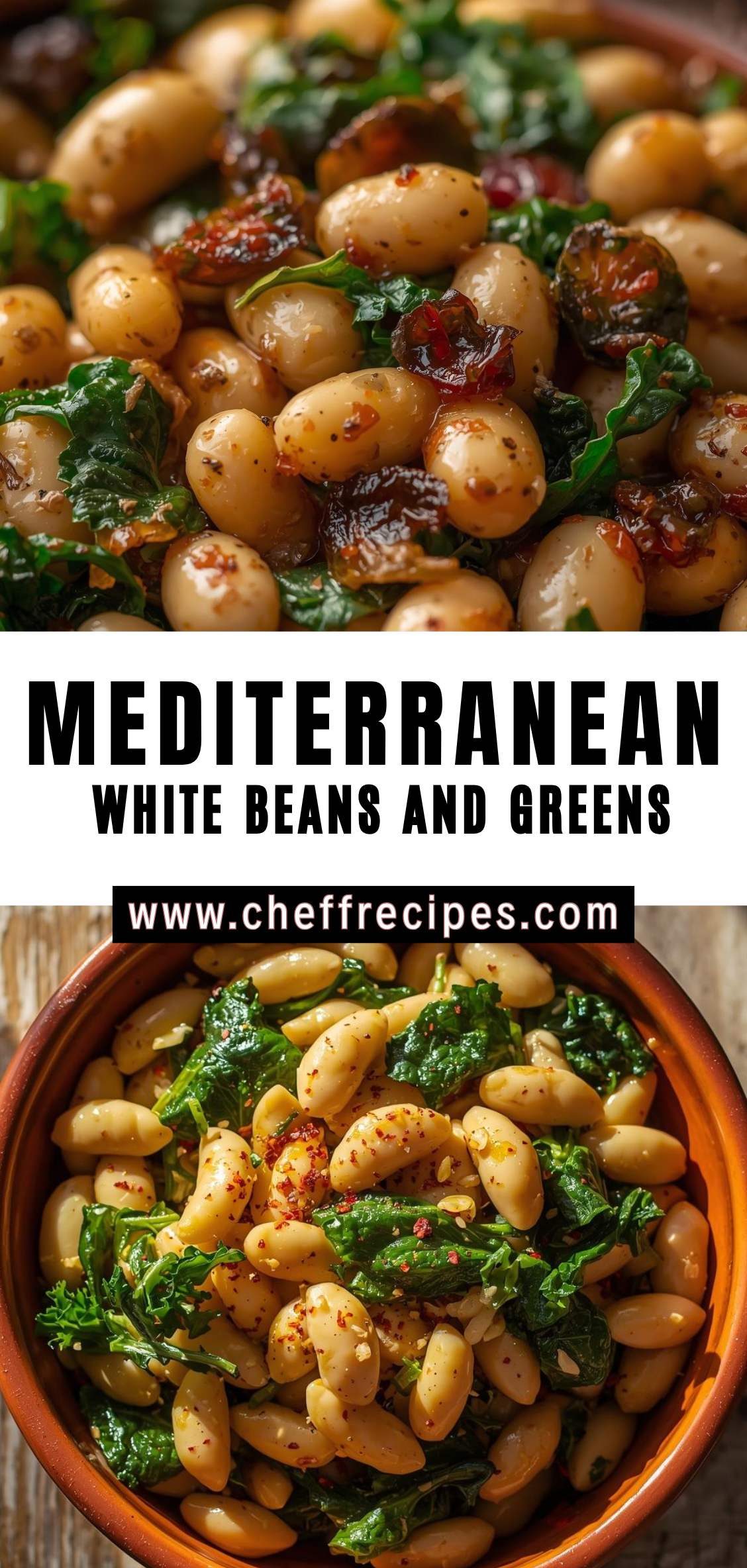
White beans, such as cannellini, great northern, or baby lima beans, serve as the foundational ingredient. Their mild, creamy texture makes them an ideal canvas for the robust, earthy flavors of garlic, onions, herbs, and olive oil. They absorb seasoning gracefully, allowing each bite to reflect both the freshness of the greens and the aromatic complexity of the Mediterranean spice palette. When paired with leafy greens—kale, Swiss chard, spinach, or escarole—the dish gains a vibrant, verdant character. The bitterness of the greens balances the creaminess of the beans, while the slight chewiness adds textural contrast. Olive oil, the hallmark of Mediterranean cooking, binds these elements together, providing richness without heaviness, while a splash of acid from lemon juice or vinegar elevates the dish, brightening flavors and adding depth.
Beyond flavor, this dish is a nutritional powerhouse. Beans are a reliable source of plant-based protein and complex carbohydrates, as well as fiber that supports digestive health. Greens provide an abundance of vitamins A, C, and K, minerals such as iron and calcium, and antioxidants that contribute to overall wellness. Together, they form a meal that satisfies both body and palate, aligning perfectly with the principles of the Mediterranean diet, which emphasizes plant-based foods, healthy fats, and seasonal ingredients.
Mediterranean White Beans and Greens is also highly adaptable, allowing cooks to tailor it to personal preferences, seasonal availability, and dietary needs. It can be prepared as a rustic stew, gently simmered to meld flavors over time, or as a quick sauté, capturing the freshness of the greens and the tender creaminess of the beans. Aromatics such as garlic, onions, shallots, and leeks provide layers of flavor, while herbs like rosemary, thyme, oregano, or parsley contribute fragrance and herbal brightness. Optional additions—sun-dried tomatoes, olives, capers, or roasted peppers—introduce complexity and regional flair. A finishing drizzle of extra virgin olive oil or a sprinkle of grated hard cheese completes the dish, harmonizing textures and flavors.
This dish is as much about community and sharing as it is about nourishment. In Mediterranean culture, meals are often designed to be enjoyed slowly, with family or friends, celebrating both food and companionship. White Beans and Greens, whether served as a main course or a side dish, embodies this philosophy. It can accompany grilled fish, roasted meats, or hearty grains, or be enjoyed on its own with a slice of crusty bread, making it versatile enough for everyday meals or special occasions.
In this detailed exploration, the recipe for Mediterranean White Beans and Greens will be presented not merely as a series of steps, but as a holistic guide that addresses ingredient selection, preparation techniques, flavor layering, texture balancing, cooking methods, and even cultural context. Readers will learn how to maximize flavor, ensure perfect bean tenderness, preserve the vibrancy of greens, and create a dish that is both comforting and sophisticated. The goal is to cultivate not only a delicious meal but also a deeper appreciation for the culinary wisdom embedded in Mediterranean cuisine.
Whether you are a seasoned cook seeking to refine technique or a newcomer drawn to wholesome, flavorful meals, this introduction sets the stage for a journey into the art and science of combining beans and greens. The recipe that follows will provide step-by-step instructions, tips for preparation and cooking, ideas for variations, and guidance on presentation, ensuring a successful, satisfying dish that embodies the best of Mediterranean flavors and traditions.
Detailed Instructions
1. Preparing the Ingredients and Workspace
A successful Mediterranean White Beans and Greens dish begins with organized preparation. Clean, measured, and properly handled ingredients ensure even cooking and maximum flavor.
Ingredients for this stage
-
Dried or canned white beans (cannellini, great northern, or baby lima)
-
Leafy greens (kale, Swiss chard, spinach, or escarole)
-
Aromatics: onions, garlic, leeks, or shallots
-
Olive oil (extra virgin preferred)
-
Fresh herbs (rosemary, thyme, oregano, parsley)
-
Salt and pepper
-
Optional flavor enhancers: sun-dried tomatoes, capers, olives, lemon juice
Step-by-step process
Step 1: Prepare the beans
-
If using dried beans, sort and rinse to remove debris.
-
Soak overnight in plenty of cold water, or use a quick-soak method: bring beans to a boil for 2–3 minutes, remove from heat, cover, and let sit 1 hour.
-
Drain and rinse before cooking.
-
If using canned beans, drain and rinse thoroughly to remove excess sodium and improve flavor.
Step 2: Prepare the greens
-
Wash greens thoroughly under cold running water to remove grit.
-
Remove tough stems, particularly from kale and chard.
-
Chop or tear into bite-sized pieces.
-
Spin or pat dry to reduce excess water, which can dilute flavor during cooking.
Step 3: Prepare aromatics
-
Peel and finely chop onions, shallots, or leeks.
-
Mince garlic cloves evenly to release flavor without burning during sautéing.
-
Prepare herbs: finely chop parsley and remove rosemary or thyme leaves from woody stems.
Step 4: Assemble other ingredients
-
Slice sun-dried tomatoes or olives if using.
-
Measure olive oil, salt, and pepper.
-
Have a small bowl of water or vegetable broth ready for adjustments during cooking.
2. Cooking the Beans
Properly cooked beans are the foundation of texture and flavor. Undercooked beans are hard and grainy, while overcooked beans fall apart and lose shape.
Step-by-step process
Step 1: Cook dried beans
-
Place soaked and drained beans in a large pot.
-
Cover with 2–3 inches of fresh water or low-sodium vegetable broth.
-
Bring to a gentle simmer, reduce heat, and cook for 45–60 minutes until tender but not mushy.
-
Add salt toward the end of cooking to avoid toughening the skins.
Step 2: Drain and reserve cooking liquid
-
Once beans are tender, drain but reserve some cooking liquid.
-
The liquid can be used to adjust consistency in the final dish, ensuring a creamy, cohesive texture.
Step 3: If using canned beans
-
Warm gently in a saucepan with a small amount of olive oil or aromatics for 3–5 minutes.
-
Avoid prolonged cooking, as canned beans are already fully cooked.
3. Preparing the Aromatics
Sautéing aromatics develops the flavor base that will infuse the beans and greens.
Step-by-step process
Step 1: Heat olive oil
-
Use a large sauté pan or Dutch oven.
-
Add 2–3 tablespoons of extra virgin olive oil and heat over medium heat until shimmering but not smoking.
Step 2: Sauté onions and leeks
-
Add chopped onions or leeks first, stirring frequently.
-
Cook until translucent and fragrant, about 5–7 minutes.
-
Avoid browning at this stage to maintain a clean, bright flavor.
Step 3: Add garlic
-
Add minced garlic and sauté 1–2 minutes until aromatic.
-
Stir continuously to prevent burning, which creates bitterness.
Step 4: Incorporate herbs and optional flavorings
-
Add rosemary, thyme, oregano, sun-dried tomatoes, or capers.
-
Sauté briefly to release their essential oils and aromas.
4. Cooking the Greens
Greens should retain vibrancy and structure, complementing the creamy beans.
Step-by-step process
Step 1: Add the greens
-
Add washed and chopped greens to the aromatic mixture.
-
Stir to coat evenly with oil and aromatics.
Step 2: Wilt the greens
-
Cover the pan and cook over medium heat 3–5 minutes.
-
Stir occasionally to ensure even wilting.
-
The greens should be tender yet retain bright color and slight chew.
Step 3: Season
-
Add salt, pepper, and a squeeze of lemon juice or a splash of vinegar to balance bitterness.
-
Taste and adjust seasonings gradually, as beans and other ingredients will contribute additional flavor later.
5. Combining Beans and Greens
Integrating beans with greens ensures a harmonious texture and flavor.
Step-by-step process
Step 1: Add cooked beans
-
Gently fold beans into the sautéed greens.
-
Use some reserved bean cooking liquid or broth to maintain a slightly creamy consistency.
Step 2: Simmer together
-
Reduce heat to low and cook 5–10 minutes, allowing flavors to meld.
-
Stir occasionally to prevent sticking.
Step 3: Adjust texture
-
If the mixture seems dry, add additional olive oil, broth, or a few tablespoons of the reserved cooking liquid.
-
For a creamier, almost stew-like consistency, lightly mash a portion of the beans against the side of the pan.
6. Finishing Touches and Serving
Step-by-step process
Step 1: Final seasoning
-
Taste and adjust salt, pepper, and acidity.
-
Fresh herbs like parsley can be stirred in at the end for brightness.
Step 2: Garnish and serve
-
Drizzle extra virgin olive oil over the top.
-
Optionally sprinkle grated hard cheese (Parmigiano-Reggiano) or toasted nuts for texture.
-
Serve warm as a main course, side dish, or part of a larger Mediterranean-inspired spread.
Step 3: Pairings
-
Serve with crusty bread, grains like farro or rice, or roasted vegetables.
Mediterranean White Beans and Greens
Mediterranean cuisine is celebrated for its vibrant flavors, reliance on fresh, wholesome ingredients, and its ability to turn simplicity into culinary brilliance. Among its many treasures, dishes that combine beans and greens exemplify the region’s approach to food: nutritious, comforting, and deeply flavorful, yet deceptively simple in preparation. Mediterranean White Beans and Greens is a dish that embodies these qualities, offering a hearty yet light meal, a perfect balance of protein, fiber, and essential vitamins. Its appeal lies not only in its taste but in the way it connects with centuries of culinary tradition across southern Europe and the Mediterranean basin.
Ingredients
- 2 tbsp extra-virgin olive oil
- 1 medium onion, finely chopped
- 2–3 garlic cloves, minced
- 1 tsp red pepper flakes (optional, adjust to taste)
- 1 can (15 oz / 425 g) white beans (cannellini or Great Northern), drained and rinsed
- 4 cups chopped greens (kale, Swiss chard, or spinach)
- 1 cup vegetable broth (or chicken broth)
- 1 tsp dried oregano or Italian seasoning
- 2 tsp lemon juice (fresh)
- Salt and freshly ground black pepper, to taste
- Optional garnish: grated Parmesan, toasted pine nuts, or olives
Instructions
1. Sauté Aromatics
- Heat olive oil in a large skillet or sauté pan over medium heat.
- Add onions and cook until softened, 4–5 minutes.
- Stir in garlic and red pepper flakes; cook 1 minute until fragrant.
2. Add Beans & Greens
- Stir in the white beans and chopped greens.
- Pour in vegetable broth and add oregano.
- Season with a pinch of salt and pepper.
3. Simmer
- Cover and cook 5–10 minutes, stirring occasionally, until greens are wilted and tender.
- Remove the lid and let simmer 2–3 more minutes to thicken slightly.
4. Finish
- Stir in fresh lemon juice.
- Adjust seasoning as needed.
5. Serve
- Serve warm as a main vegetarian dish, or as a side with grilled fish, chicken, or roasted vegetables.
- Garnish with Parmesan, toasted pine nuts, or olives if desired.
Notes
- Greens: Kale or chard holds up well to cooking; spinach wilts quickly, so add it last.
- Beans: Use canned for convenience; dried beans can be used if pre-cooked.
- Add protein: Toss in cooked sausage, chicken, or chickpeas for a heartier dish.
- Flavor boost: Drizzle extra-virgin olive oil before serving or add a splash of balsamic vinegar.