Mushroom and Spinach Lasagna is one of those rare dishes that feels both deeply comforting and quietly elegant at the same time.
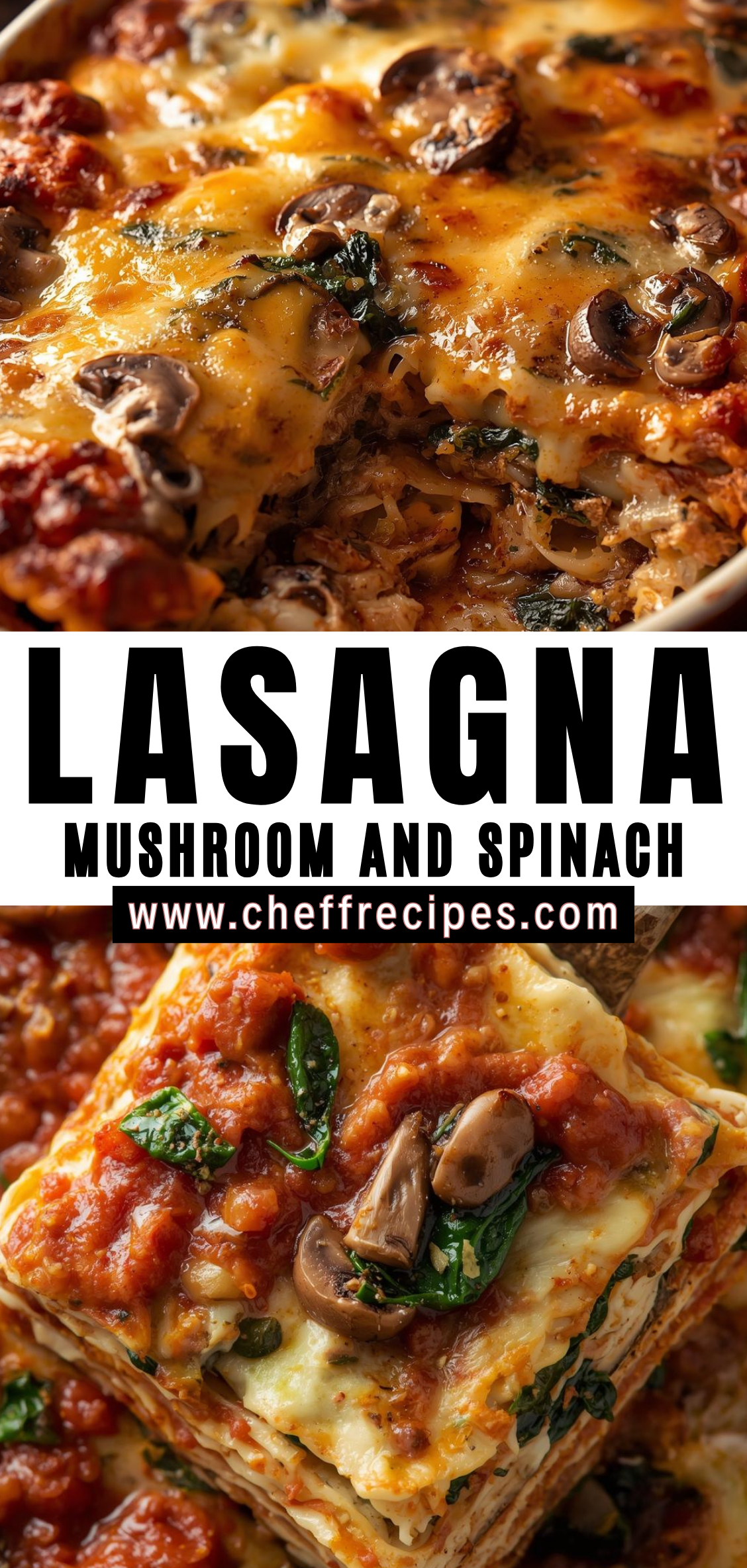
It brings together layers of tender pasta, earthy mushrooms, vibrant spinach, creamy béchamel, rich tomato sauce, and perfectly melted cheese into a meal that satisfies without needing meat. This lasagna is not just a substitute for a traditional version; it stands proudly on its own as a complete and fulfilling dish. Whether you are cooking for vegetarians, trying to eat more plant-forward meals, or simply craving something warm and nourishing, this recipe delivers on every level. The combination of mushrooms and spinach creates a balance of hearty texture and fresh flavor, while the layered construction ensures that every bite feels intentional and indulgent.
Why Mushroom and Spinach Work So Well Together
Mushrooms and spinach are a classic pairing for good reason. Mushrooms bring umami depth, a savory richness that mimics the satisfying qualities people often associate with meat. Spinach, on the other hand, adds brightness, a mild earthiness, and a tender contrast that prevents the dish from feeling heavy. When cooked properly, mushrooms release moisture and concentrate their flavor, while spinach wilts down into soft ribbons that distribute evenly through each layer. Together, they create a filling that is complex without being overwhelming. In lasagna, this pairing becomes even more powerful because it is supported by sauces and cheese that amplify their natural qualities.
The History and Evolution of Lasagna
Lasagna is one of the oldest forms of pasta dishes, with roots stretching back to ancient times. While modern lasagna is closely associated with Italian cuisine, particularly the region of Emilia-Romagna, its concept evolved over centuries. Traditional versions often featured layers of pasta with sauces and fillings that varied by region and season. Mushroom and Spinach Lasagna reflects this tradition of adaptability. It honors the layered structure and comforting nature of classic lasagna while embracing vegetables as the stars of the dish. This evolution shows how lasagna continues to change and remain relevant, reflecting modern tastes and dietary preferences.
Understanding the Structure of a Great Lasagna
A successful lasagna is all about balance and structure. Each layer serves a purpose, and together they create harmony. The pasta provides a neutral base that absorbs flavors. The sauces add moisture and richness. The filling offers texture and substance. The cheese ties everything together and adds indulgence. Mushroom and Spinach Lasagna relies on this balance even more than meat-based versions because vegetables require thoughtful preparation to avoid excess water and blandness. When each element is treated with care, the final result is cohesive, flavorful, and deeply satisfying.
Ingredients Overview and Their Roles
The ingredients in Mushroom and Spinach Lasagna may seem simple, but each one plays a critical role. Lasagna noodles form the foundation. Mushrooms, often cremini, button, or portobello, provide depth and body. Spinach brings freshness and color. Onions and garlic create an aromatic base. Tomato sauce adds acidity and sweetness, while béchamel or ricotta-based sauce contributes creaminess. Cheese, commonly mozzarella and Parmesan, adds richness and structure. Olive oil, herbs, salt, and pepper bring everything together. Understanding how these ingredients interact helps ensure success when cooking the dish.
Choosing the Right Mushrooms
Not all mushrooms behave the same way in cooking, and choosing the right type can significantly affect the outcome of your lasagna. Cremini mushrooms are a popular choice because they have a deeper flavor than white button mushrooms while still being widely available. Portobello mushrooms offer a meatier texture and intense earthiness, making them ideal for those who want a heartier bite. A mix of mushroom varieties can add complexity and interest. The key is to slice them evenly and cook them thoroughly to remove excess moisture and concentrate their flavor.
Preparing Spinach for Lasagna
Spinach may seem straightforward, but proper preparation is essential. Fresh spinach needs to be washed thoroughly and cooked just until wilted. It should then be squeezed or drained to remove excess water. Frozen spinach can also be used, but it must be fully thawed and squeezed dry. Too much moisture from spinach can make lasagna watery and dilute the flavors. When prepared correctly, spinach integrates smoothly into the layers, adding a subtle vegetal note without overpowering the dish.
The Importance of Sauce in Lasagna
Sauce is the glue that holds lasagna together, both literally and figuratively. In Mushroom and Spinach Lasagna, you often find a combination of tomato sauce and béchamel or ricotta mixture. The tomato sauce provides brightness and acidity that balances the richness of cheese and mushrooms. Béchamel adds luxurious creaminess and helps bind the layers. The key is to season sauces well and ensure they are thick enough to support the structure of the lasagna without drying out during baking.
Making a Flavorful Tomato Sauce
A good tomato sauce does not need to be complicated, but it does need attention. Onions and garlic sautéed in olive oil create a flavorful base. Tomatoes, whether canned or fresh, should be cooked long enough to develop sweetness and depth. Herbs like basil, oregano, or thyme add warmth and aroma. Seasoning with salt and pepper is essential. In Mushroom and Spinach Lasagna, the tomato sauce should complement the vegetables rather than overpower them, providing a subtle backbone of flavor.
Creating a Creamy Béchamel or Ricotta Layer
The creamy element in lasagna can take different forms. A classic béchamel is made from butter, flour, and milk, cooked gently until smooth and thick. It adds a silky texture that contrasts beautifully with the vegetables. A ricotta-based mixture, often combined with egg and cheese, offers a slightly lighter but still rich alternative. Both options work well in Mushroom and Spinach Lasagna. The choice depends on personal preference and the desired final texture.
Cheese Selection and Layering
Cheese is one of the defining elements of lasagna. Mozzarella provides meltability and stretch, creating that iconic lasagna pull. Parmesan adds sharpness and depth, enhancing the overall flavor. Some variations include provolone or fontina for additional richness. The key is to layer cheese thoughtfully, ensuring it is distributed evenly so every bite feels complete. Too much cheese can overwhelm the vegetables, while too little can leave the dish feeling dry.
Assembling the Lasagna
Assembling lasagna is both an art and a process. It typically begins with a thin layer of sauce at the bottom of the baking dish to prevent sticking. Pasta sheets come next, followed by mushroom and spinach filling, sauce, and cheese. This pattern repeats until the dish is filled, ending with a generous layer of sauce and cheese on top. Each layer should be even and intentional. Taking the time to assemble carefully ensures that the lasagna slices cleanly and holds its shape when served.
Baking for Perfect Texture
Baking is where all the elements come together. Lasagna needs enough time in the oven to heat through, meld flavors, and soften the pasta. Covering the dish for part of the baking time prevents the top from browning too quickly and helps retain moisture. Removing the cover near the end allows the cheese to melt and develop a golden crust. Resting the lasagna after baking is crucial, as it allows the layers to set and makes serving easier.
Serving Mushroom and Spinach Lasagna
Mushroom and Spinach Lasagna is best served warm, with clean slices that showcase its layers. It pairs well with simple sides that do not compete with its richness. A fresh green salad or lightly dressed vegetables provide contrast. The lasagna itself is filling and satisfying, making it suitable as a main course for family dinners, gatherings, or special occasions. Its presentation is inviting, with visible layers and a golden top that signals comfort and care.
Make-Ahead and Storage Tips
One of the advantages of lasagna is its make-ahead potential. Mushroom and Spinach Lasagna can be assembled in advance and refrigerated until ready to bake. This makes it ideal for busy schedules or entertaining. Leftovers store well and often taste even better the next day as flavors continue to develop. Lasagna can also be frozen, either before or after baking, providing a convenient and reliable meal option for future use.
Nutritional Perspective
Mushroom and Spinach Lasagna offers a more vegetable-forward alternative to traditional meat-based versions. Mushrooms provide fiber and important nutrients, while spinach contributes vitamins and minerals. While the dish is still indulgent due to cheese and sauce, it offers a balanced approach that includes vegetables as a central component. Portion control and mindful ingredient choices can make this lasagna part of a wholesome eating pattern.
Variations and Customization
One of the joys of Mushroom and Spinach Lasagna is its flexibility. You can adjust the recipe to suit different tastes and dietary needs. Adding other vegetables such as zucchini or roasted peppers can introduce new flavors. Using whole wheat pasta or lighter cheese options can change the nutritional profile. Herbs and spices can be adjusted to reflect personal preferences. This adaptability ensures that the dish remains exciting and relevant over time.
Common Mistakes and How to Avoid Them
Even experienced cooks can encounter challenges when making lasagna. Excess moisture is a common issue, often caused by undercooked mushrooms or improperly drained spinach. Another mistake is under-seasoning, which can leave the dish tasting flat. Rushing the baking or skipping the resting period can result in a lasagna that falls apart when sliced. Being mindful of these potential pitfalls helps ensure consistent success.
The Emotional Comfort of Lasagna
Lasagna is more than just food; it is an experience. It represents care, patience, and generosity. Mushroom and Spinach Lasagna carries this emotional weight while offering a lighter, vegetable-centered expression of comfort. The act of layering ingredients, waiting as it bakes, and sharing it with others creates a sense of connection and warmth. It is a dish that brings people together around the table.
Final Thoughts on Mushroom and Spinach Lasagna
Mushroom and Spinach Lasagna is a celebration of simple ingredients transformed through thoughtful preparation.
Mushroom and Spinach Lasagna
This Mushroom and Spinach Lasagna is a comforting, vegetarian take on a classic favorite. Layers of tender lasagna noodles, sautéed mushrooms, fresh spinach, creamy ricotta, and rich marinara sauce come together for a hearty, satisfying meal. It’s perfect for family dinners, meal prep, or serving guests.
Ingredients
- 9–12 lasagna noodles (regular or no-boil)
- 2 tablespoons olive oil
- 16 oz (450 g) mushrooms, sliced (button, cremini, or a mix)
- 3 cloves garlic, minced
- 5–6 cups fresh spinach (or 1 package frozen spinach, thawed and squeezed dry)
- 24 oz (3 cups) marinara sauce
- 15 oz ricotta cheese
- 1 large egg
- 1½ cups shredded mozzarella cheese
- ½ cup grated Parmesan cheese
- 1 teaspoon dried Italian seasoning
- Salt and black pepper, to taste
Instructions
- Prepare the noodles
Cook lasagna noodles according to package instructions (if not using no-boil). Drain and set aside. - Cook the vegetables
Heat olive oil in a large skillet over medium heat.
Add mushrooms and cook for 6–8 minutes until they release their moisture and begin to brown.
Add garlic and cook for 30 seconds.
Stir in spinach and cook until wilted (or heated through if using frozen). Season with salt and pepper. Remove from heat. - Make the ricotta mixture
In a bowl, mix ricotta cheese, egg, Italian seasoning, a pinch of salt and pepper, and half of the Parmesan cheese. - Assemble the lasagna
Preheat oven to 375°F (190°C).
Spread a thin layer of marinara sauce on the bottom of a greased 9×13-inch baking dish.
Layer:
- Lasagna noodles
- Ricotta mixture
- Mushroom–spinach mixture
- Marinara sauce
- Mozzarella cheese
- Repeat layers until ingredients are used, finishing with sauce, mozzarella, and remaining Parmesan on top.
- Bake
Cover with foil and bake for 30 minutes.
Remove foil and bake an additional 15–20 minutes, until bubbly and lightly golden. - Rest and serve
Let lasagna rest for 10 minutes before slicing and serving.
Notes
- You can add extra vegetables like zucchini or bell peppers for more flavor and nutrition.
- For a richer taste, mix a little shredded mozzarella into the ricotta layer.
- This lasagna freezes well—assemble fully, wrap tightly, and freeze before baking.