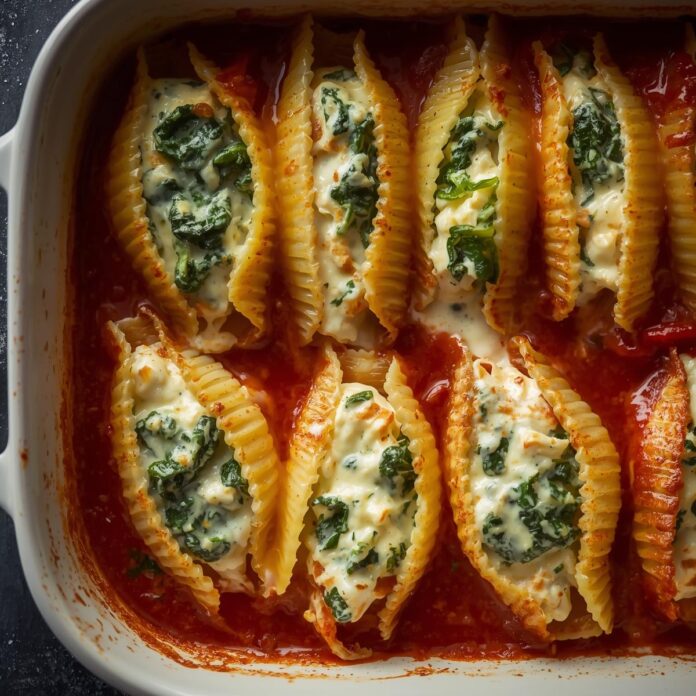
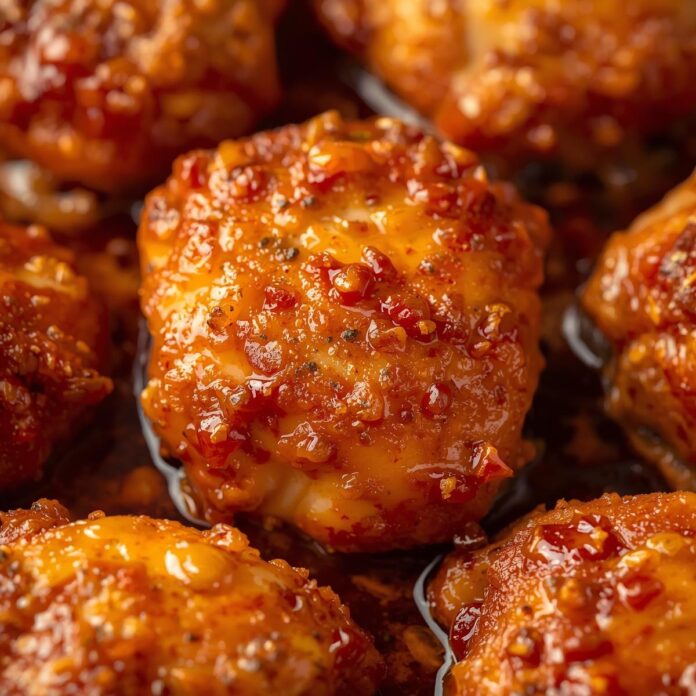
Parmesan Garlic Chicken with Pasta is one of those dishes that brings comfort, flavor, and elegance to your dinner table all at once. It combines tender, juicy chicken with a creamy garlic and Parmesan sauce, perfectly coated over your favorite pasta. This dish is beloved because it balances richness with simplicity, making it suitable for weeknight dinners, family gatherings, or even a special date night at home.

Many people fall in love with this recipe because it’s approachable for beginners yet versatile enough for seasoned cooks to tweak to their own taste. The beauty of Parmesan Garlic Chicken with Pasta lies in its ability to feel indulgent without being overly complicated. Every bite combines the nutty, salty flavor of Parmesan with the aromatic warmth of garlic, creating a dish that is both satisfying and memorable.
The Essential Ingredients
To make this dish perfectly, you need a few core ingredients that are easy to find but pack incredible flavor when combined. The main components are chicken, pasta, garlic, Parmesan cheese, cream, butter, and seasonings. Choosing quality ingredients will make a noticeable difference in the final result. Freshly grated Parmesan, for example, melts better and provides a richer flavor than pre-shredded cheese. Garlic should be fresh to release its natural aroma when sautéed. The pasta serves as the perfect vehicle for the sauce, so selecting a shape that holds sauce well, such as fettuccine, linguine, or penne, is important. Optional additions, such as fresh herbs like parsley or basil, can elevate the dish with a pop of color and freshness. By understanding your ingredients and their role in the recipe, you are setting yourself up for success.
Choosing the Right Chicken
The choice of chicken can make or break this recipe. Boneless, skinless chicken breasts are the most common choice because they cook quickly and evenly. However, chicken thighs can also work if you prefer a juicier, more flavorful cut. Regardless of the cut, uniform thickness is critical for even cooking. If your chicken breasts are thick in some areas and thin in others, pounding them to an even thickness ensures they cook consistently. Seasoning the chicken generously with salt, pepper, garlic powder, and Italian herbs enhances flavor without overwhelming the creamy Parmesan sauce. Allowing the chicken to rest with seasoning for a few minutes helps the flavors penetrate the meat, creating a more flavorful and tender final product.
Perfectly Searing the Chicken
Searing the chicken properly is key to locking in flavor and achieving a golden-brown crust. Heat a skillet over medium-high heat and add butter or a combination of butter and olive oil. When the fat is hot, add the chicken carefully, leaving space between each piece. Avoid overcrowding the pan, as this causes the chicken to steam instead of sear. Cook the chicken for 4–6 minutes per side, depending on thickness, until golden brown and fully cooked through. Once done, transfer the chicken to a plate and allow it to rest while you prepare the sauce. This rest period ensures the juices redistribute throughout the meat, keeping it tender and juicy.
Making the Creamy Parmesan Garlic Sauce
The sauce is the heart of this dish. Start by sautéing minced garlic in butter over medium heat until fragrant, being careful not to burn it. Next, add heavy cream or half-and-half and bring it to a gentle simmer. Slowly stir in freshly grated Parmesan cheese until fully melted, creating a smooth, creamy texture. Season with salt, pepper, and optional herbs to taste. A small splash of pasta water can be added to adjust consistency and help the sauce cling to the pasta better. The sauce should be rich but not overly thick, coating each piece of chicken and every strand of pasta evenly.
Cooking the Pasta to Perfection
Pasta is not just a side; it’s an integral part of this dish. Cooking pasta to al dente ensures it holds its shape and texture when tossed with the creamy sauce. Boil the pasta in salted water according to package instructions, then reserve a cup of pasta water before draining. The reserved water contains starch that can be used to adjust the sauce consistency later, creating a more cohesive dish. Toss the cooked pasta in the Parmesan garlic sauce, ensuring each piece is coated evenly.
Combining Chicken, Pasta, and Sauce
After the sauce is prepared and the pasta is cooked, it’s time to bring everything together. Slice the rested chicken and arrange it on top of the pasta, then gently toss or pour additional sauce over the dish. Allow the chicken and pasta to warm together briefly on low heat so that the flavors meld. The final dish should have a perfect balance of creamy sauce, tender chicken, and well-cooked pasta, with garlic and Parmesan flavor permeating every bite.
Optional Additions and Variations
One of the great things about this recipe is its flexibility. Vegetables like spinach, mushrooms, broccoli, or sun-dried tomatoes can be added to the sauce to create a more wholesome meal. For a lighter version, substitute half-and-half for heavy cream or use whole wheat pasta. Protein variations, such as shrimp or turkey, work well with the same creamy garlic Parmesan base. Fresh herbs, a squeeze of lemon, or a pinch of red pepper flakes can also be added to customize the flavor according to your preference.
Mastering the Garlic and Parmesan Flavor Profile
Why Garlic and Parmesan Work Together
Garlic and Parmesan are culinary soulmates. Garlic provides warmth, depth, and aromatic complexity, while Parmesan delivers a nutty, salty richness that enhances savory dishes. When combined in a creamy sauce, these ingredients create a luxurious flavor that feels indulgent without being overwhelming. Sautéing garlic gently in butter or olive oil allows its natural sweetness to develop, avoiding bitterness from burning. Parmesan, especially freshly grated Parmigiano-Reggiano, melts smoothly and thickens the sauce, coating the chicken and pasta evenly. Understanding this flavor partnership is key to achieving a balanced and satisfying dish.
The Science of a Creamy Sauce
Creating a creamy sauce that clings perfectly to pasta involves understanding the role of fat, starch, and cheese. Butter and cream provide richness and a smooth mouthfeel, while the starch in the pasta water helps emulsify the sauce, preventing it from separating. Adding Parmesan slowly and stirring continuously ensures the cheese melts evenly, creating a cohesive sauce. Seasoning carefully throughout the process ensures that the sauce is flavorful but not overly salty, and finishing with fresh herbs or a touch of lemon juice adds brightness to balance the richness.
Selecting the Perfect Pasta Shape
Choosing the right pasta shape is more than a matter of aesthetics; it affects how the sauce adheres and how each bite feels. Long noodles like fettuccine or linguine wrap elegantly around the chicken and sauce, offering a classic presentation. Short pasta like penne, rigatoni, or rotini trap sauce in their ridges, creating bursts of flavor in every bite. Al dente pasta is crucial because it maintains its structure when tossed with the sauce and does not become mushy. Reserving pasta water is essential for adjusting consistency and helping the sauce bind to the noodles.
Tips for Juicy, Flavorful Chicken
Brining or Marinating for Extra Moisture
For especially tender chicken, consider brining or marinating before cooking. A simple brine of water, salt, and a touch of sugar for 30 minutes enhances moisture retention and seasoning. Alternatively, marinating in olive oil, garlic, lemon, and herbs imparts flavor directly into the meat. Both methods reduce the risk of dry chicken and elevate the overall dish.
Proper Searing Techniques
Achieving a golden-brown crust is a combination of heat management and timing. Preheat your skillet so that it is hot enough to sear but not so hot that it burns the chicken. Avoid overcrowding the pan, which can trap steam and prevent proper browning. Flip the chicken only once to maintain a consistent crust, and let it rest after cooking so juices redistribute for maximum tenderness.
Incorporating Vegetables and Extra Flavors
Popular Vegetable Additions
Adding vegetables can enhance both flavor and nutrition. Spinach, broccoli, mushrooms, peas, and sun-dried tomatoes pair beautifully with the creamy Parmesan sauce. Sauté vegetables lightly before adding them to the sauce to preserve texture and flavor.
Fresh Herbs and Finishing Touches
Fresh herbs such as parsley, basil, or thyme add vibrancy and a pop of color. A squeeze of lemon or a sprinkle of red pepper flakes can introduce subtle acidity or heat, balancing the richness of the sauce. Finishing touches elevate the dish from good to restaurant-quality.
Cooking for Large Groups or Meal Prep
Scaling the Recipe
Parmesan Garlic Chicken with Pasta scales well for larger groups. Simply multiply the ingredients proportionally, but cook chicken in batches to maintain proper searing. Use a larger pot for the pasta to prevent sticking and ensure even cooking.
Storing and Reheating
Leftovers can be refrigerated in an airtight container for up to three days. Reheat gently on the stove or in short bursts in the microwave, adding a splash of milk or cream to restore the sauce’s creamy consistency. Avoid high heat to prevent separation or drying out the chicken.
Common Mistakes to Avoid
Overcooking the Chicken
Overcooked chicken becomes dry and loses its tender texture. Using a meat thermometer to ensure internal temperature reaches 165°F (74°C) helps achieve perfectly cooked meat.
Burning the Garlic
Garlic burns quickly and turns bitter, so cook over medium heat and stir constantly once it begins to sizzle. Adding cream after garlic softens ensures it does not burn.
Using Pre-Shredded Cheese
Pre-shredded cheese often contains anti-caking agents that prevent smooth melting, resulting in a grainy sauce. Freshly grated Parmesan ensures a creamy texture and richer flavor.
Making It Your Own: Variations
Protein Alternatives
Shrimp, salmon, or even turkey can replace chicken while keeping the same creamy Parmesan garlic base. Adjust cooking times accordingly to prevent overcooking delicate proteins.
Sauce Adjustments
For a lighter version, use half-and-half or whole milk instead of heavy cream. Reduce butter slightly to lower fat content, and increase vegetables to maintain volume and flavor.
Pasta Variations
Experiment with different pasta shapes, gluten-free options, or whole-grain pasta. Each choice slightly alters texture and flavor absorption, allowing for customization based on dietary preferences or availability.
Serving Suggestions and Presentation
Complementary Sides
Pairing Parmesan Garlic Chicken with Pasta with a fresh green salad or roasted vegetables creates a well-rounded meal. Garlic bread or a crusty loaf is perfect for soaking up extra sauce.
Garnishing Tips
A sprinkle of freshly grated Parmesan and chopped parsley enhances visual appeal. Drizzling a small amount of olive oil or a few twists of black pepper adds sophistication.
Parmesan Garlic Chicken with Pasta
A cozy, crowd-pleasing dinner featuring tender chicken sautéed with garlic, tossed in a creamy Parmesan sauce, and combined with your favorite pasta. It’s rich without being heavy, comes together quickly, and works great for weeknights or casual family meals.
Ingredients
- Chicken & Pasta
- 12 oz pasta (penne, fettuccine, or rotini)
- 1 lb boneless, skinless chicken breast, cut into bite-size pieces
- 2 tbsp olive oil
- 1 tsp salt
- ½ tsp black pepper
- 1 tsp Italian seasoning
- ½ tsp paprika (optional)
- Parmesan Garlic Sauce
- 3 tbsp butter
- 4–5 cloves garlic, minced
- 1 cup heavy cream
- ¾ cup freshly grated Parmesan cheese
- ½ cup chicken broth (or pasta water)
- ¼ tsp red pepper flakes (optional)
- 2 tbsp chopped parsley (optional, for garnish)
Instructions
- Cook the pasta
Bring a large pot of salted water to a boil. Cook pasta according to package directions until al dente. Reserve ½ cup of pasta water, then drain and set aside. - Cook the chicken
Heat olive oil in a large skillet over medium-high heat. Season chicken with salt, pepper, Italian seasoning, and paprika.
Add chicken to the skillet and cook 5–7 minutes, stirring occasionally, until golden and cooked through. Remove chicken from the skillet and set aside. - Make the garlic Parmesan sauce
In the same skillet, reduce heat to medium and melt the butter. Add minced garlic and sauté for about 30 seconds, just until fragrant.
Stir in chicken broth and heavy cream. Bring to a gentle simmer. - Add cheese
Slowly whisk in the Parmesan cheese until melted and smooth. Add red pepper flakes if using. Let the sauce simmer 2–3 minutes to thicken slightly. - Combine everything
Return chicken to the skillet, then add cooked pasta. Toss to coat evenly. If the sauce is too thick, add a splash of reserved pasta water until desired consistency. - Finish & serve
Taste and adjust seasoning. Garnish with parsley and extra Parmesan if desired. Serve warm.
Notes
- Protein swap: Chicken thighs work just as well and stay extra juicy.
- Lighter option: Substitute half-and-half for heavy cream, or use milk plus an extra tablespoon of Parmesan.
- Add-ins: Spinach, broccoli, or mushrooms can be added when the sauce simmers.
- Cheese tip: Freshly grated Parmesan melts better than pre-shredded cheese.