Among the many dishes that bridge the gap between everyday cooking and refined dining, pecan crusted salmon stands out as a recipe that effortlessly delivers elegance, nutrition, and deeply satisfying flavor. It is a dish that feels restaurant-quality yet remains entirely accessible to the home cook, relying on simple techniques and familiar ingredients. At its heart, this recipe brings together two foods that have long been celebrated for their richness: tender, flaky salmon and the buttery crunch of pecans. When combined, the result is a harmonious balance of textures and a complexity of flavors that elevates the meal without complicating the process.
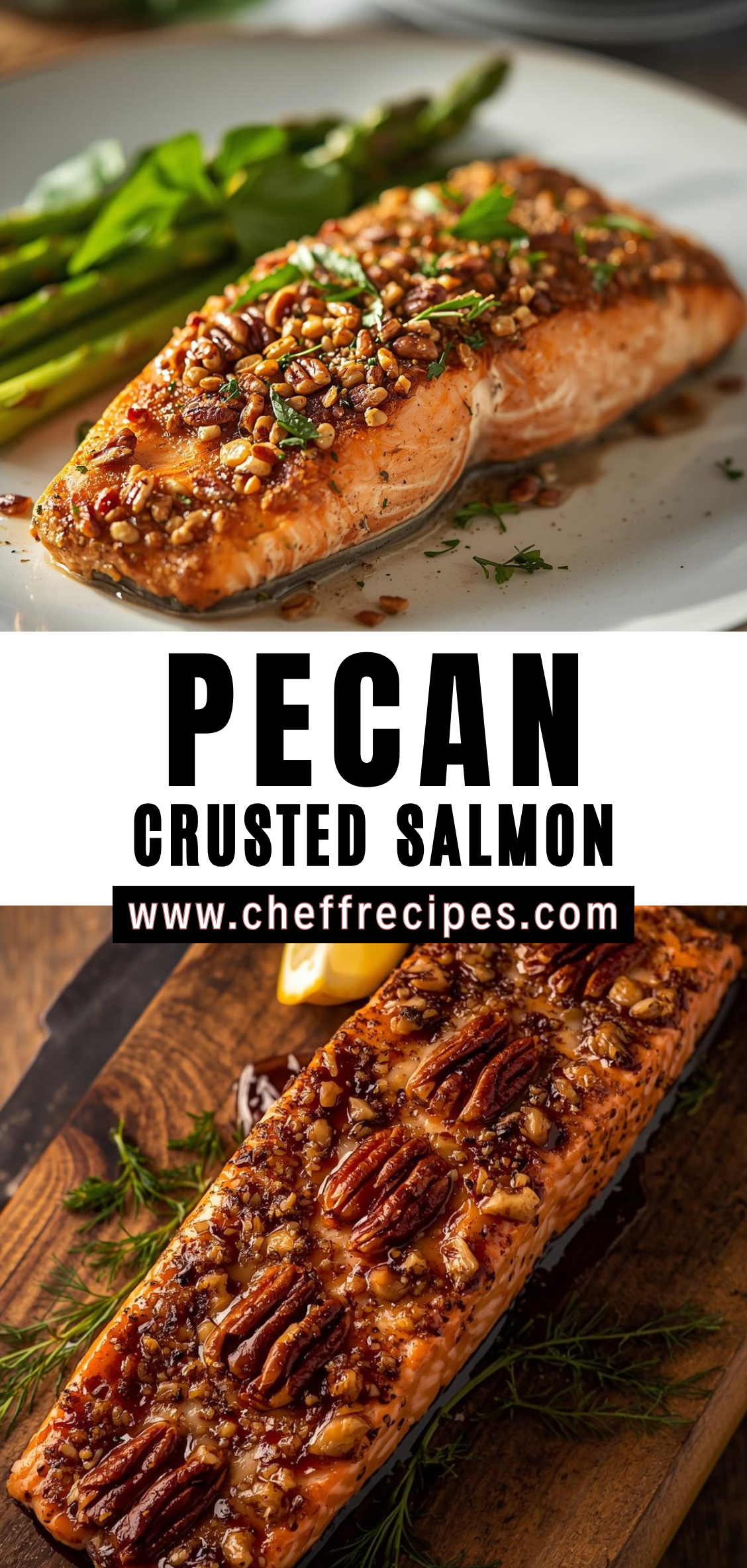
Salmon has long held a reputation as one of the most versatile and nutrient-dense fish available. Its naturally vibrant color, high omega-3 content, and rich, almost luxurious flavor profile make it a favorite in kitchens around the world. Whether grilled, baked, poached, or pan-seared, salmon adapts beautifully to a wide range of culinary traditions. However, one of the most distinctive ways to prepare it is by adding a nut-based crust. Pecans, in particular, complement salmon exceptionally well. Their mildly sweet, earthy taste and pleasantly soft crunch create a contrast that accentuates the fish rather than overwhelms it.
The use of nuts as a crust has a long culinary history, rooted in techniques designed to add both flavor and protective coating during cooking. Nuts can insulate delicate protein, helping it retain moisture and preventing overcooking—a common concern when preparing salmon. Pecans, with their high natural oil content, toast beautifully in the oven and contribute a subtle richness that melds seamlessly with salmon’s natural oils. This interplay of fat, texture, and flavor is what makes pecan crusted salmon particularly memorable. Every bite offers a combination of crisp exterior and melt-in-the-mouth tenderness that many diners associate with fine dining, even when prepared in a home kitchen.
Over the past decade, pecan crusted salmon has become a popular feature of contemporary home cooking because it strikes a rare balance between healthfulness and indulgence. Many people seek meals that are wholesome yet far from austere, dishes that provide nourishment without sacrificing pleasure. This recipe satisfies those requirements, offering high-quality protein, heart-healthy fats, and the micronutrient richness of nuts—while still feeling like a special dish worthy of a gathering or celebratory dinner. Its ease and adaptability also make it suitable for weeknight cooking, when time is limited but the desire for something flavorful and satisfying remains.
In addition to its nutritional appeal, pecan crusted salmon lends itself to endless variations, each one capable of shifting the dish’s personality. A touch of mustard can introduce tangy sharpness; herbs can add brightness and complexity; a hint of maple syrup or honey can contribute sweetness that pairs beautifully with the nutty crust. Different cooking methods—from oven roasting to pan-searing or even air frying—allow the cook to tailor the texture and flavor to personal preference. Even the choice of side dishes can transform the meal, allowing it to lean toward light and refreshing or warm and comforting depending on the season and occasion.
Part of the enduring charm of this dish lies in its practicality. It requires no specialized equipment, minimal preparation time, and only a handful of ingredients, most of which are already pantry staples. Once the crust mixture is assembled, the salmon cooks quickly and reliably, making this recipe ideal for both novice cooks who want a low-stress meal and experienced cooks seeking a dependable yet impressive entrée. The straightforward technique also allows ample room for substitution, whether to accommodate dietary needs, use ingredients on hand, or experiment with flavor. Pecans can be combined with other nuts, pulses, or seeds; different spices can introduce new cultural influences; and the salmon itself can vary from fillets to larger cuts depending on availability.
In this comprehensive guide, we will explore every aspect of making pecan crusted salmon, from selecting the highest-quality fish to preparing the perfect crust, seasoning with intention, and mastering the cooking process. We will examine the science behind what makes this dish work—the ways fats interact, how crusts adhere, how to achieve ideal doneness, and how to ensure the fish remains moist and flavorful. We will also provide detailed instructions, variations, side pairing recommendations, serving suggestions, storage guidance, and troubleshooting advice for achieving consistently excellent results.
By the end of this guide, you will not only have a reliable recipe to follow but also a deeper understanding of the technique and principles behind it. Whether you are preparing a quiet dinner at home, entertaining guests, or adding a new staple to your weekly meal rotation, pecan crusted salmon offers the rare combination of simplicity, nutrition, and culinary sophistication. This is a dish that rewards both the cook and the diners, delivering satisfaction through flavor, texture, and thoughtful preparation. It is a recipe meant to be returned to, refined, and enjoyed again and again.
Detailed Instructions
Step 1: Prepare Your Workspace and Tools
Begin by organizing your kitchen so that all tools and ingredients are easy to reach. This dish cooks quickly once in the oven, so efficiency is key. Gather a sturdy baking sheet, parchment paper or lightly greased foil, a cutting board, a sharp knife, a small bowl for seasoning the salmon, another bowl for mixing the crust, and a shallow dish for dipping if using a binding layer such as mustard or oil.
Preheat your oven to 375°F (190°C). Preheating ensures the salmon enters a hot environment immediately, which helps the pecans toast evenly and prevents the fish from drying out. Position your oven rack in the center to promote uniform heat circulation.
Step 2: Select and Prepare the Salmon
Choose salmon fillets that are fresh, firm, and evenly sized. Ideally, each fillet should be between six and eight ounces and of similar thickness for consistent cooking. Pat the fillets dry with paper towels. Removing excess moisture is essential, as it allows seasonings and crust components to adhere properly.
Check for pin bones by running your fingers gently along the surface of the fish. Pin bones can be removed with clean tweezers or a fish bone plier. Leaving them in can disrupt texture and cause difficulties when serving.
If your salmon has skin, keep it on. The skin helps insulate the delicate flesh during baking, reducing moisture loss. It will naturally separate from the meat after cooking if you choose not to eat it.
Step 3: Season the Salmon Thoroughly
Though the pecan crust brings much of the flavor, seasoning the fillets directly ensures that every bite tastes balanced. Sprinkle each fillet with salt and pepper, coating both the top and sides lightly. If desired, add a small amount of garlic powder, paprika, or a touch of cayenne for subtle heat. Allow the salmon to sit for five minutes. This brief resting period helps the salt begin to penetrate the flesh and improves the depth of seasoning.
Step 4: Create the Binding Layer
The binding layer ensures the pecan crust adheres securely to the salmon as it cooks. You have several options: Dijon mustard for tang and sharpness, olive oil for richness, or a thin coating of maple syrup for a sweet-savory profile.
Place your chosen binder in a shallow dish. Using the back of a spoon or a pastry brush, coat the top of each fillet with a thin, even layer. Avoid applying too much; excess moisture may cause the crust to slide off during baking. The goal is a tacky surface that grips the nuts and seasoning.
Step 5: Prepare the Pecan Crust
Finely chop the pecans on a cutting board. The texture should resemble small, coarse crumbs—fine enough to adhere easily, but not so small that they lose their crunch. Transfer the chopped pecans into a medium-sized bowl.
Next, add the supporting flavors: breadcrumbs or panko for structure, a pinch of salt to enhance the natural sweetness of the nuts, black pepper for balance, and optional additions such as smoked paprika, thyme, rosemary, or a hint of brown sugar. Mix thoroughly with a fork until the ingredients are evenly distributed.
Taste the mixture by sampling a pinch. Though it will not be cooked yet, this step helps ensure the balance of salt and seasoning feels right before it coats the salmon. Adjust as needed.
Step 6: Press the Crust Onto the Fillets
Place each salmon fillet, binder-side down, into the pecan mixture. Press gently but firmly to create a thick, even layer. Lift the fillet and check that the surface is fully coated. If there are gaps, sprinkle on extra crust and pat it into place.
Transfer the crusted fillets to the prepared baking sheet, crust-side up. Handle them carefully to avoid dislodging the coating.
Step 7: Bake the Salmon
Slide the baking sheet into the preheated oven. Bake for 12 to 16 minutes, depending on thickness. Proper doneness is essential; overcooked salmon becomes dry and loses its tenderness.
Signs the salmon is done include:
• The pecan crust appears golden and fragrant.
• The fish flakes easily under gentle pressure from a fork.
• The internal temperature reaches 125–130°F (52–54°C) for medium or 135°F (57°C) for more well-done results.
Avoid broiling unless necessary, as broiling may burn the pecans before the salmon fully cooks. However, if you want extra browning, broil for one minute at the end while watching closely.
Step 8: Rest the Salmon
Allow the salmon to rest for three to five minutes after removing it from the oven. Resting allows the internal juices to redistribute, resulting in a moist, tender bite. The pecan crust will also firm slightly as it cools, making the fillets easier to serve and slice.
Step 9: Plate and Serve
Use a flat spatula to carefully transfer each fillet to a plate. If the skin remains on the baking sheet, simply slide the flesh away from it.
Serve immediately with sides that complement both the savoriness of the salmon and the nutty sweetness of the pecans. Options include roasted vegetables, wild rice, mashed sweet potatoes, fresh greens, citrus salads, or herb-infused quinoa.
Step 10: Store and Reheat Properly
If you have leftovers, allow them to cool completely before storing. Place the fillets in an airtight container, separating layers with parchment to keep the crust intact. Store in the refrigerator for up to two days.
To reheat, place the salmon in a 300°F (150°C) oven for 10 to 12 minutes. Avoid microwaving, as it softens the pecan crust and dries out the fish. For longer storage, freeze for up to two months, though the crust will lose some crispness upon thawing.
Pecan Crusted Salmon
Among the many dishes that bridge the gap between everyday cooking and refined dining, pecan crusted salmon stands out as a recipe that effortlessly delivers elegance, nutrition, and deeply satisfying flavor. It is a dish that feels restaurant-quality yet remains entirely accessible to the home cook, relying on simple techniques and familiar ingredients. At its heart, this recipe brings together two foods that have long been celebrated for their richness: tender, flaky salmon and the buttery crunch of pecans. When combined, the result is a harmonious balance of textures and a complexity of flavors that elevates the meal without complicating the process.
Ingredients
- 4 salmon fillets (about 6 oz each)
- 1 cup finely chopped pecans
- ½ cup panko breadcrumbs (or regular breadcrumbs)
- 2 tablespoons melted butter (or vegan butter/oil)
- 2 tablespoons Dijon mustard
- 2 tablespoons maple syrup or honey
- 1 teaspoon garlic powder
- ½ teaspoon paprika
- Salt and pepper to taste
- Lemon wedges for serving
- Optional: chopped fresh parsley for garnish
Instructions
1. Prepare the Oven and Baking Sheet
- Preheat your oven to 400°F (200°C).
- Line a baking sheet with parchment paper or lightly grease it.
2. Make the Pecan Topping
- In a bowl, combine chopped pecans, panko breadcrumbs, garlic powder, paprika, salt, and pepper.
- Stir in the melted butter until the mixture resembles coarse crumbs.
3. Coat the Salmon
- In a small bowl, whisk together the Dijon mustard and maple syrup (or honey).
- Place the salmon fillets on the prepared baking sheet.
- Brush the top of each fillet generously with the mustard mixture.
- Press the pecan mixture onto the top of each fillet, covering evenly.
4. Bake the Salmon
- Bake for 12–15 minutes, depending on thickness, until the salmon flakes easily with a fork and the pecan topping is golden.
5. Serve
- Remove from the oven and let rest for 2 minutes.
- Serve with lemon wedges and garnish with parsley if desired.
Notes
- For extra crispiness, broil the salmon for the last 1 minute—but watch closely!
- Substitute almonds or walnuts if you prefer a different nut topping.
- This dish pairs well with roasted vegetables, rice, or a simple green salad.
- If using skin-on salmon, leave the skin on; it will help keep the fillets moist.