Ricotta stuffed shells occupy a beloved place within the landscape of comforting Italian-American cuisine, representing the intersection of tradition, family cooking, and the universal appeal of baked pasta. They are a dish that feels celebratory without being complicated, indulgent without being excessive, and timeless without being rigidly codified. Whether served at a Sunday dinner, brought to a potluck, or prepared as a weeknight meal that promises leftovers worth savoring, stuffed shells deliver a kind of satisfaction that feels both nostalgic and fresh. Their beauty lies in the balance between simplicity and depth, a harmony created when pasta, cheese, and tomato come together in a way that is simultaneously familiar and endlessly customizable.
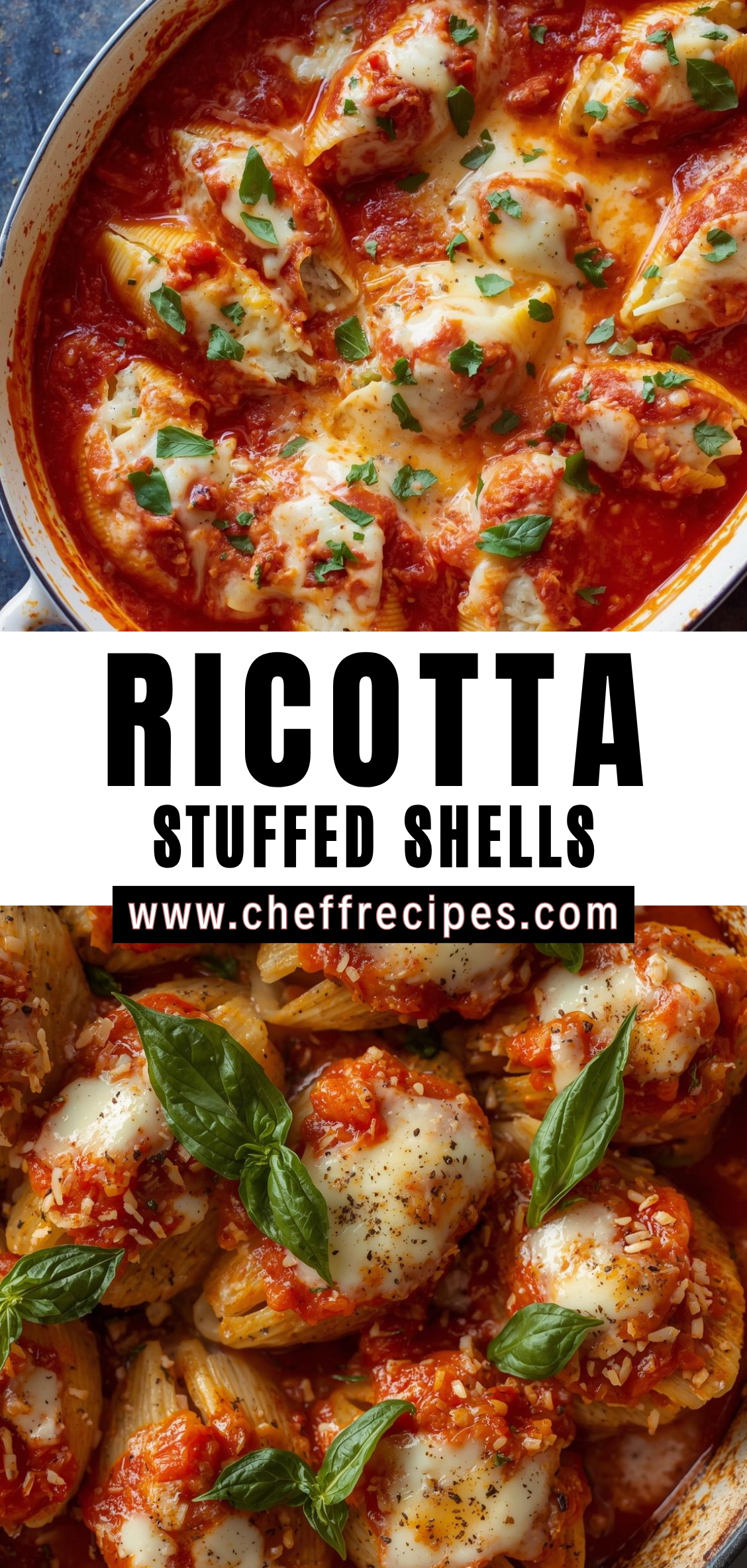
What distinguishes ricotta stuffed shells from other baked pasta dishes is their structure. The large pasta shells, known as conchiglioni, offer natural pockets that cradle the filling. While many pasta dishes rely on layering or mixing, stuffed shells encourage individual portions, each carrying its own carefully prepared miniature bundle of ricotta, herbs, and often a medley of cheeses. This gives the dish a sense of craftsmanship. There is intention behind each shell, each scoop of filling, and each arranged row within the baking dish. It is cooking that invites mindfulness, not through difficulty, but through thoughtful assembly.
Ricotta, the heart of the filling, brings a gentle sweetness and a velvety softness unmatched by other cheeses. Historically, ricotta’s origins stretch back to the pastoral traditions of Italy, where shepherds learned to create it from the whey left behind during cheese production. Unlike aged cheeses known for sharpness and density, ricotta is fresh, delicate, and malleable. Its lightly creamy texture makes it an ideal foundation for fillings, especially when combined with Parmesan, mozzarella, fresh parsley, basil, spinach, or lemon zest. The resulting mixture can be herbaceous or restrained, bold or subtle, depending on the cook’s preference. In this way, ricotta stuffed shells are not merely a recipe; they are a canvas.
Tomato sauce provides the essential counterpoint. It brings acidity, moisture, and brightness, preventing the dish from becoming overly rich. A well-made marinara has layers of flavor: onions softened gently in olive oil, garlic added at just the right moment, tomatoes cooked until they mellow and concentrate, and herbs folded in with restraint. The marinara does more than coat the shells; it seeps into the edges of the pasta as it bakes, melding the elements together and forming a coherent whole. The interplay of tomatoes and ricotta is one of the defining pleasures of this dish, a pairing that feels natural and deeply comforting.
Baking is the final stage, but it is also the transformative one. The heat softens the pasta, melds the cheeses, and creates a marriage between sauce and filling. The ricotta warms until it becomes almost custard-like. The mozzarella melts into strands that stretch delicately with each forkful. The top layer becomes slightly golden, hinting at caramelization without losing tenderness. Emerging from the oven, the dish carries an aroma that is unmistakably home-cooked: warm cheese, simmered tomatoes, and a whisper of herbs rising with the steam.
Ricotta stuffed shells appeal to cooks and diners alike because they strike a rare balance: accessible enough for beginners, but rewarding enough for experienced home chefs to refine and adapt. Variations flourish. Some incorporate spinach for additional texture and nutrition; others fold in sausage, mushrooms, or roasted vegetables for deeper savoriness. There are versions enriched with béchamel, versions brightened with lemon zest, and versions that lean heavily on fresh herbs. Even within the classic formula, subtle adjustments—choosing whole-milk ricotta over part-skim, roasting garlic instead of mincing it raw, or selecting fresh mozzarella instead of pre-shredded—can shift the character of the dish.
Perhaps what makes ricotta stuffed shells especially enduring is their communal spirit. They are a dish meant for sharing. The process encourages gathering: people helping to fill the shells, tasting the ricotta mixture, or arranging the pasta in neat rows. They lend themselves to large family dinners, holiday tables, and special occasions in which the meal itself becomes a shared experience. Even when prepared solely for oneself, the generosity of the dish remains; leftovers are often more flavorful the next day, the pasta having absorbed even more of the sauce.
As we move deeper into this long-form recipe, we will explore not just the steps but the techniques that elevate ricotta stuffed shells from an ordinary baked pasta to a memorable centerpiece: how to cook the shells to the ideal texture so they hold their shape, how to balance a ricotta filling that is creamy without being heavy, how to season with precision, how to build a marinara that complements rather than competes, and how to assemble the dish for even baking and optimal flavor integration. The goal is to equip you not only with instructions but with an understanding of how each component interacts and how to adjust the dish to suit your preferences or ingredients.
In the sections ahead, we will delve into ingredient choices, preparation strategies, troubleshooting tips, and thoughtful variations. The intention is to offer a comprehensive, richly detailed guide that respects the family-style roots of the dish while empowering you to craft ricotta stuffed shells that reflect your own culinary voice.
Detailed Instructions
The following instructions walk through the entire process of transforming a handful of straightforward ingredients—pasta, ricotta, herbs, sauce—into a composed baked pasta dish with structural integrity, balanced flavors, and a texture that moves seamlessly between creamy, tender, and lightly caramelized. Each step is broken down not only by action but by purpose, illustrating how small decisions influence the final result. Even if you have made stuffed shells before, the goal here is to illuminate technique and provide insight that allows you to elevate the dish from dependable to exceptional.
1. Preparing Your Mise en Place
Before you turn on the heat or boil a pot of water, prepare every component. Stuffed shells involve multiple stages—cooking pasta, mixing filling, preparing sauce, and arranging everything in a baking dish. Having ingredients measured, chopped, and ready ensures you move through each phase smoothly.
Ricotta:
Transfer the ricotta to a bowl and stir it to break up any compressed curds. Good-quality ricotta should be creamy but not watery; if it appears overly moist, place it in a fine-mesh sieve over a bowl and allow it to drain for 20–30 minutes. Excess moisture in ricotta will dilute the filling and prevent it from setting properly during baking.
Cheeses:
Grate Parmesan or Pecorino Romano by hand if possible. Pre-grated cheese often contains anti-caking agents that limit meltability and flavor release. Shred mozzarella yourself as well. Set aside about half the mozzarella for topping the dish later.
Herbs and Aromatics:
Finely chop parsley and basil. Larger pieces can overpower the filling. If using garlic inside the ricotta mixture, mince it very finely or, for a gentler and sweeter flavor, roast it beforehand until soft and mash it into a paste.
Spinach (optional):
If adding spinach, ensure it is thoroughly drained. For frozen spinach, thaw and squeeze out all moisture with a towel until it feels almost dry. Excess water will disrupt the consistency of the filling.
Eggs:
Crack the eggs into a separate small bowl to check for quality before adding them to the ricotta mixture. Eggs lend stability to the filling, helping it set into a tender, cohesive structure when baked.
Marinara Ingredients:
Chop onion finely, mince garlic, open the tomato cans, and measure out olive oil, salt, and herbs. Having the sauce components ready allows you to cook it simultaneously with the pasta, reducing total prep time.
This advance preparation creates an orderly flow once you begin cooking and minimizes the risk of overcooking pasta or rushing through assembly.
2. Crafting the Marinara Sauce
While jarred marinara can be used, crafting your own sauce delivers a deeper, fresher flavor that pairs harmoniously with ricotta.
Heating the Pot:
Set a medium saucepan over medium heat and add olive oil. Allow it to warm until shimmering. Heating oil properly ensures aromatics cook gently rather than absorb oil and turn greasy.
Sautéing Aromatics:
Add onions and cook until soft, translucent, and lightly golden around the edges. Properly cooked onions form a baseline sweetness that balances the acidity of tomatoes. Add garlic only once the onions are softened; garlic burns quickly and becomes bitter if added too early.
Deglazing and Adding Tomatoes:
When the aromatics are fragrant, pour in crushed tomatoes or whole peeled tomatoes that you have crushed by hand. Stir to lift any caramelization from the bottom of the pan. This step deepens the flavor without adding complexity that might overshadow the ricotta.
Seasoning the Sauce:
Add salt conservatively at first. Tomatoes reduce as they simmer, concentrating flavors and salt levels. Add a pinch of dried oregano, a small amount of crushed red pepper if desired, and a bay leaf. Simmer for at least 20–30 minutes. The sauce should thicken slightly and lose any metallic or raw tomato flavor.
Finishing the Sauce:
Taste the marinara. If it is too acidic, stir in a spoonful of butter or a splash of olive oil. Remove the bay leaf. The sauce should be balanced, bright, and smooth, with enough body to coat the shells but not so thick that it feels heavy.
Once complete, keep the marinara warm on low heat or allow it to cool slightly before assembling the dish.
3. Cooking the Pasta Shells
Stuffed shells require careful attention to pasta texture. Overcooked shells tear during filling, while undercooked shells resist bending and fail to cradle the ricotta mixture.
Boiling Water:
Fill a large pot with generously salted water. Salt is essential for seasoning the pasta from within. Bring the water to a full, rolling boil.
Adding the Shells:
Add the shells gently to avoid cracking. Stir immediately after adding them to prevent sticking.
Monitoring Texture:
Cook the shells until they reach a firm al dente stage. They should be pliable enough to handle without cracking but still retain firmness. Pasta will continue to soften during baking, so err on the side of underdone rather than tender.
Draining and Cooling:
Drain the shells carefully and rinse briefly under cool water to stop cooking. Spread them out on a baking sheet or large plate so they do not stack or stick. A drizzle of olive oil and gentle tossing can help keep them separate.
Properly cooked shells should hold their shape, remain intact, and be easy to handle during filling.
4. Preparing the Ricotta Filling
The ricotta filling is the heart of the dish, and its texture determines whether the shells bake into silky pockets or dense, heavy bundles.
Combining the Base Ingredients:
In a large bowl, combine ricotta, half the mozzarella, the grated Parmesan or Pecorino, and eggs. Fold gently with a spatula; avoid vigorous stirring, which can compact the mixture.
Seasoning Thoughtfully:
Add salt and black pepper cautiously. Cheese already brings saltiness, and flavors intensify during baking. Incorporate chopped parsley and basil. Fresh herbs contribute brightness and help balance the richness of the cheese.
Adjusting Texture:
The filling should be creamy yet structured. If it feels loose, add a bit more grated Parmesan. If too dense, a spoonful of heavy cream or a splash of milk can soften it. The goal is a filling that can be piped or spooned easily into shells without oozing.
Incorporating Optional Ingredients:
If using spinach, fold it in after squeezing out all moisture. If adding roasted garlic, lemon zest, or sautéed mushrooms, do so sparingly to avoid overwhelming the ricotta’s mild flavor.
Taste the filling before proceeding. It should be flavorful enough to stand on its own but not so salty or herb-forward that it competes with the marinara.
5. Filling the Shells
Filling the shells requires patience and a gentle touch.
Setting Up the Assembly Area:
Place the cooled shells close to the filling bowl. Position your baking dish nearby with a layer of marinara spread across the bottom. This prevents sticking and allows the shells to nestle into a moist surface while baking.
Filling Technique:
Using a spoon or a piping bag, fill each shell with approximately one to two tablespoons of ricotta mixture. The filling should mound slightly above the edges but not spill over excessively.
Handling the Pasta:
If a shell tears slightly, you can still use it. Position the torn side downward in the dish. Avoid overstuffing, which causes filling to leak during baking and may lead to uneven cooking.
Arranging the Shells:
Place filled shells in a single layer in the baking dish. Angle them slightly if necessary to maximize space. Ensure they sit snugly but not tightly packed; a bit of room allows sauce to circulate.
6. Layering Sauce and Cheese
This stage determines how the dish finishes in the oven.
Saucing the Shells:
Spoon marinara generously across the tops of the stuffed shells. The sauce keeps the pasta moist and prevents the edges from drying out. Do not fully submerge the shells; exposing the tops slightly encourages textural contrast.
Adding Cheese:
Sprinkle the remaining mozzarella and an additional dusting of Parmesan or Pecorino over the sauced shells. Mozzarella provides melt and stretch, while Parmesan contributes browning and umami.
Even distribution ensures every portion receives both creamy interior and golden exterior.
7. Baking the Dish
Baking completes the transformation from separate components to a cohesive entrée.
Preheating the Oven:
Set the oven to 375°F (190°C). This temperature allows cheese to melt fully while preventing the top from browning too quickly.
Covering the Dish:
Cover the baking dish with foil during the first part of baking. Foil traps steam, keeping the shells tender and preventing the cheese from burning before the filling has set.
Baking Time:
Bake covered for 25–30 minutes, then remove the foil and bake an additional 10–15 minutes. The top should turn lightly golden, the sauce should bubble around the edges, and the filling should feel set when pressed gently with a spoon.
Resting:
Allow the dish to rest for at least 10 minutes before serving. Resting helps the cheese stabilize and prevents the shells from falling apart when plated.
8. Serving the Stuffed Shells
Serve the shells with additional marinara on the side, extra Parmesan sprinkled lightly over the top, and a scattering of fresh basil or parsley. The dish should present a balance of tenderness, creaminess, and subtle structure. Each shell should hold together when lifted but yield easily to the fork.
Ricotta Stuffed Shells
Ricotta stuffed shells occupy a beloved place within the landscape of comforting Italian-American cuisine, representing the intersection of tradition, family cooking, and the universal appeal of baked pasta. They are a dish that feels celebratory without being complicated, indulgent without being excessive, and timeless without being rigidly codified. Whether served at a Sunday dinner, brought to a potluck, or prepared as a weeknight meal that promises leftovers worth savoring, stuffed shells deliver a kind of satisfaction that feels both nostalgic and fresh. Their beauty lies in the balance between simplicity and depth, a harmony created when pasta, cheese, and tomato come together in a way that is simultaneously familiar and endlessly customizable.
Ingredients
- For the Pasta:
- 1 box (12 oz) jumbo pasta shells
- Salt, for boiling water
- Ricotta Filling:
- 15 oz ricotta cheese
- 1 ½ cups shredded mozzarella cheese (divided)
- ½ cup grated Parmesan cheese
- 1 large egg
- 2 cloves garlic, minced (optional)
- 2 tbsp fresh parsley or basil, chopped (or 1 tsp dried)
- ½ tsp salt
- ¼ tsp black pepper
- ¼ tsp Italian seasoning (optional)
- For the Sauce:
- 1 jar (24 oz) marinara sauce or homemade sauce
- Optional: pinch of red pepper flakes
- Optional Add-ins for Filling:
- 1 cup chopped spinach (fresh or thawed/frozen and squeezed dry)
- ½ cup sautéed mushrooms
- ½ cup cooked Italian sausage or ground beef
Instructions
- Cook the shells. Bring a large pot of salted water to a boil. Add jumbo shells and cook until just al dente (about 1–2 minutes less than package instructions). Drain and set aside to cool slightly.
- Prepare the baking dish. Spread 1 cup of marinara sauce across the bottom of a 9×13-inch baking dish.
- Make the ricotta filling. In a bowl, mix together the ricotta, 1 cup mozzarella, Parmesan, egg, garlic, herbs, salt, pepper, and Italian seasoning. Stir until creamy and well combined.
- Fill the shells. Spoon the ricotta mixture into each cooled shell (about 1–2 tablespoons per shell) and arrange them in the baking dish on top of the sauce.
- Top with sauce and cheese. Pour the remaining marinara sauce over the shells. Sprinkle with the remaining ½ cup mozzarella.
- Bake. Cover the dish with foil and bake at 375°F (190°C) for 25 minutes. Remove foil and bake another 10–15 minutes, until hot and bubbling.
- Serve. Let rest 5 minutes before serving. Garnish with extra basil or parsley if desired.
Notes
- Want it creamier? Add ½ cup mascarpone to the ricotta mixture.
- More flavor: Add a layer of mozzarella beneath the shells or drizzle pesto before serving.