Few foods are as universally beloved as a perfectly crafted slider. These small sandwiches, packed with flavor and designed for easy handling, are the quintessential comfort food, ideal for gatherings, casual dinners, and anytime indulgence. Among the many varieties of sliders, shredded beef sliders hold a particularly special place. They combine the richness and tenderness of slow-cooked beef with bold, savory seasonings, nestled in soft, pillowy buns. The result is a sandwich that is both hearty and approachable, one bite delivering layers of flavor that are deeply satisfying without feeling overwhelming.
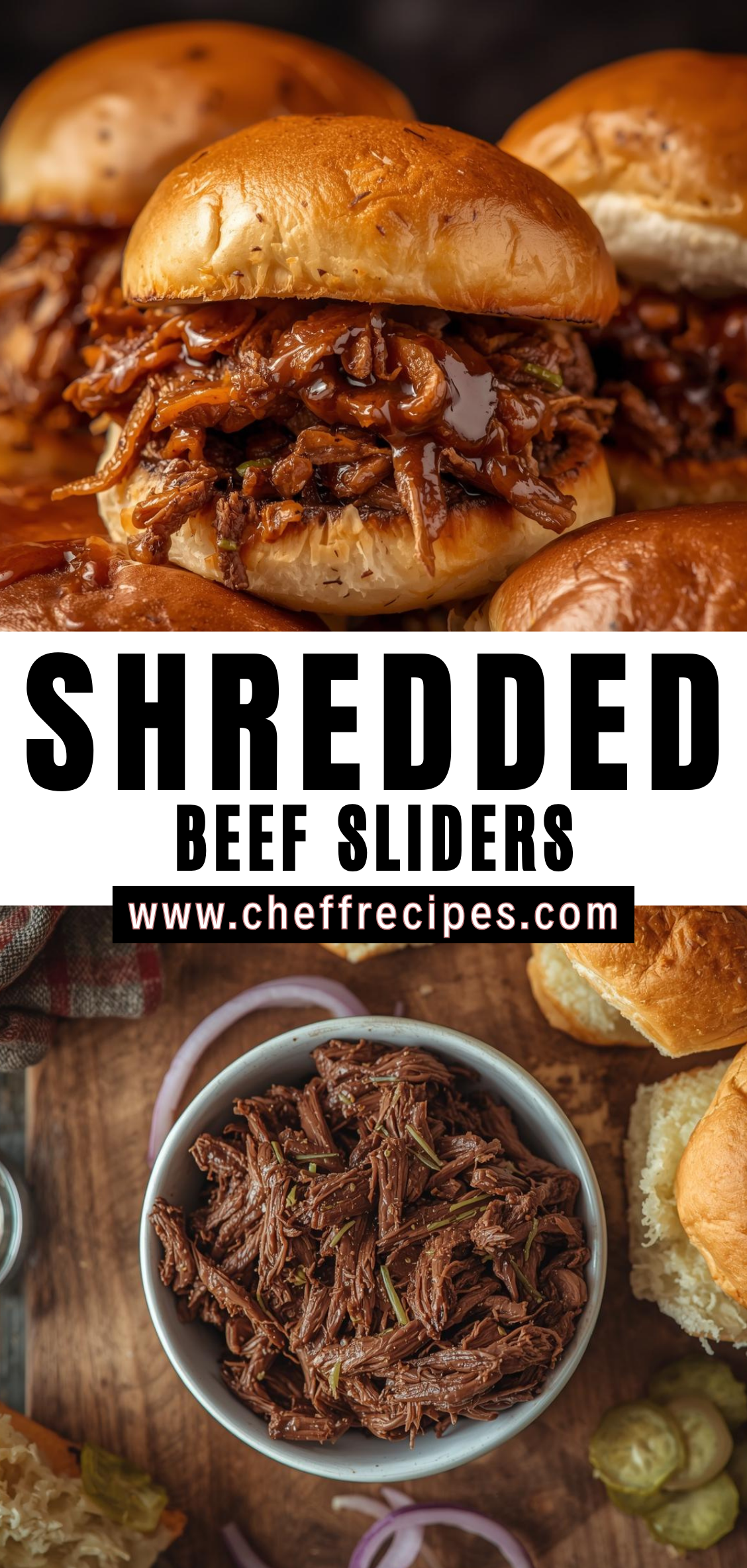
Shredded beef sliders are versatile and celebratory. They appear on menus at family barbecues, sports events, holiday parties, and elegant appetizer spreads, yet they are equally at home on a quiet weeknight table. Unlike a traditional steak sandwich or burger, shredded beef sliders allow each component to shine: the meat, sauces, toppings, and bread all play distinct roles in the overall experience. The meat is slow-cooked to the point of perfect tenderness, the sauces infuse every strand with flavor, and the buns act as the ideal vessel, soft yet substantial enough to hold all the goodness together.
One of the most appealing qualities of shredded beef sliders is the method by which they achieve their rich flavor. Slow cooking, braising, or pressure-cooking the beef allows connective tissue to break down, rendering the meat tender and juicy. Simultaneously, aromatic vegetables, fresh herbs, and carefully selected spices permeate the beef, creating a depth of taste that is far more complex than the sum of its parts. Each bite delivers a satisfying interplay between texture and flavor, a harmonious balance that keeps people coming back for more.
Shredded beef sliders are also remarkably flexible. The basic concept—tender, shredded beef on a soft bun—can be adapted to countless flavor profiles, from traditional American barbecue with smoky, tangy sauces to Mediterranean-inspired versions with fresh herbs and yogurt-based spreads. Toppings can range from classic pickles and caramelized onions to spicy slaws, melted cheeses, or roasted peppers. This adaptability makes shredded beef sliders ideal for entertaining because they can be customized to suit a variety of tastes and dietary preferences while maintaining the fundamental structure of the dish.
Another factor that contributes to the enduring popularity of shredded beef sliders is their convenience. Once the beef is cooked and shredded, assembling the sliders is quick and easy, allowing you to focus on presentation, toppings, and accompaniments. This makes them a practical option for busy households, buffet-style gatherings, or party platters. Additionally, the slow-cooking process can often be done in advance, freeing up time on the day of serving while still delivering a fresh, satisfying meal.
The charm of shredded beef sliders also lies in the communal experience they create. Sliders encourage sharing, tasting, and passing plates around a table, creating an atmosphere of connection and enjoyment. They are bite-sized enough for sampling multiple flavors without filling up immediately, yet substantial enough to satisfy even the hungriest guests. Whether served at a sports game gathering, a birthday party, a holiday spread, or a casual weeknight dinner, shredded beef sliders invite conversation, laughter, and the simple pleasure of eating together.
From a culinary perspective, shredded beef sliders offer a fantastic platform for exploring cooking techniques, flavor layering, and creative presentation. Slow-cooked beef teaches patience and precision, while experimentation with seasoning, sauce consistency, and topping combinations allows cooks to refine their skills. Even home cooks who are new to slow-cooked meats can achieve impressive results with careful guidance, making this dish both educational and immensely rewarding.
In addition to flavor and versatility, shredded beef sliders can be made with a focus on quality and nutrition. Lean cuts of beef, wholesome buns, fresh vegetables, and homemade sauces provide a meal that is satisfying without relying on excessive fats, sugars, or processed ingredients. This balance ensures that the sliders are not only indulgent and comforting but also thoughtfully prepared, demonstrating that convenience, flavor, and nutrition can coexist beautifully.
This recipe for shredded beef sliders will guide you step by step through the process of selecting the right cut of beef, preparing it for slow cooking, shredding it to perfection, crafting flavorful sauces, assembling the sliders, and presenting them in a way that impresses both visually and gastronomically. Every element will be broken down in detail, with tips, variations, and troubleshooting advice included to ensure success.
Whether you are seeking a hearty, crowd-pleasing appetizer, a comforting weeknight dinner, or a versatile dish for holiday gatherings, shredded beef sliders offer the perfect balance of flavor, texture, and approachability. They exemplify the beauty of small, thoughtfully prepared sandwiches that bring people together, evoke nostalgia, and satisfy cravings in every bite.
Step-by-Step Instructions
How to Make Shredded Beef Sliders
1. Choose the Right Cut of Beef
The foundation of a perfect shredded beef slider is the meat itself. Not all cuts are created equal when it comes to slow cooking and shredding. For tender, juicy results, select a cut with enough connective tissue and marbling, which breaks down during cooking to create rich flavor and moist, easily shreddable strands. Popular choices include chuck roast, brisket, or bottom round.
Chuck roast is often preferred because it balances affordability with tenderness. It has sufficient fat to keep the meat flavorful during long cooking periods without becoming dry. Brisket offers a slightly more pronounced beef flavor and can also be used for a richer slider. Bottom round is leaner, requiring careful attention to prevent dryness, but it works well when slow-cooked in a flavorful braising liquid.
Once you’ve chosen your cut, trim excess fat if desired, leaving a thin layer to enhance flavor during cooking. Pat the meat dry with paper towels—this allows for proper browning later, which develops the deep, savory flavor essential for the final sliders.
2. Season the Beef Generously
Flavor begins with seasoning. Rub the beef with a combination of salt, freshly ground black pepper, garlic powder, onion powder, and smoked paprika for a classic, savory base. Optionally, add a pinch of chili powder or cayenne for a mild kick. Rub the seasoning evenly over all sides of the meat, pressing it lightly into the surface so it adheres well.
For additional depth, consider marinating the beef for a few hours or overnight in the refrigerator with olive oil, Worcestershire sauce, minced garlic, and herbs such as thyme or rosemary. This step infuses the meat with flavor and can enhance tenderness.
3. Brown the Beef for Maximum Flavor
Although it’s possible to cook the beef directly in the slow cooker, searing it first dramatically improves flavor. Heat a heavy skillet or Dutch oven over medium-high heat and add a small amount of oil. Once shimmering, place the beef in the pan, searing each side for 3–4 minutes until a deep brown crust forms.
This browning creates the Maillard reaction, which is the chemical process responsible for the rich, savory flavors we associate with perfectly cooked meat. Be careful not to overcrowd the pan; brown the meat in batches if necessary. After searing, remove the beef and set it aside while preparing the braising liquid or sauce.
4. Prepare the Cooking Liquid
The cooking liquid keeps the beef moist and infuses it with flavor as it slow-cooks. Common base ingredients include beef broth, diced tomatoes, Worcestershire sauce, and a splash of balsamic or apple cider vinegar for brightness. For additional aromatics, add sliced onions, minced garlic, and carrots. Fresh herbs such as rosemary, thyme, and bay leaves complement the beef beautifully.
Combine the liquid and aromatics in the Dutch oven or slow cooker. If using a stovetop method, ensure the liquid partially submerges the beef. For a slow cooker, add enough to cover about two-thirds of the roast. The liquid should be flavorful, as it will soak into the meat during cooking and later become part of the sauce for the sliders.
5. Slow Cook the Beef to Perfection
For the tender, shreddable texture that defines these sliders, cook the beef low and slow.
-
Slow Cooker Method: Place the seared beef in the slow cooker, pour the liquid over it, cover, and cook on low for 8–10 hours or on high for 5–6 hours.
-
Oven Method: Preheat the oven to 300°F (150°C), place the beef and liquid in a covered Dutch oven, and cook for 3–4 hours until the meat is fork-tender.
-
Pressure Cooker/Instant Pot Method: Add the beef and liquid to the pot, seal, and cook on high pressure for 60–75 minutes, then allow natural release.
Check periodically toward the end of cooking. The beef should be tender enough to pull apart easily with a fork.
6. Shred the Beef
Once cooked, transfer the beef to a cutting board or large bowl. Allow it to rest briefly so it holds its juices but is still warm enough to shred easily. Use two forks, pulling the meat apart into thin, uniform strands. This shredding technique ensures every strand absorbs sauce evenly and creates the perfect texture for sliders.
If desired, skim excess fat from the cooking liquid, then pour a small portion over the shredded beef. Mix thoroughly so the beef is moist, flavorful, and ready to pile onto buns. Reserve extra liquid to moisten the sliders as needed.
7. Prepare the Slider Buns
While the beef is cooking, prepare the buns. Small, soft rolls are ideal—potato buns, brioche, or classic dinner rolls. Lightly toast the buns in the oven or on a skillet to create a slight crust, which prevents sogginess when the beef is added. Brushing the cut sides with a touch of butter or olive oil before toasting enhances flavor and adds golden color.
Optionally, sprinkle sesame seeds or poppy seeds on top for visual appeal. Warm buns make assembly easier and contribute to the overall satisfaction of the sliders.
8. Assemble the Sliders
Begin assembly by placing a generous portion of shredded beef onto the bottom half of each bun. Use tongs or a fork to pile the meat evenly, ensuring each slider is flavorful and juicy.
Add optional toppings to enhance flavor and texture:
-
Caramelized onions for sweetness
-
Pickles for tang
-
Sliced cheese, such as cheddar or provolone, for creamy richness
-
Coleslaw or shredded cabbage for crunch and freshness
Top with the bun lid and press gently to hold everything together. Arrange the sliders on a serving platter, optionally securing them with small skewers or toothpicks to keep the layers intact.
9. Serve and Enjoy
Shredded beef sliders are best served warm, immediately after assembly. Pair them with side dishes such as sweet potato fries, roasted vegetables, or a simple green salad. For gatherings, consider a “slider bar” where guests can add their own toppings, creating a fun and interactive experience.
Leftover shredded beef can be stored in the refrigerator for 3–4 days or frozen for up to 3 months. Reheat gently in a skillet or microwave with a splash of reserved cooking liquid to maintain juiciness.
10. Tips for Perfect Shredded Beef Sliders
-
Always choose a cut suitable for slow cooking with enough marbling.
-
Sear the beef for deep flavor.
-
Cook low and slow for tender, shreddable meat.
-
Use a flavorful cooking liquid that complements the toppings.
-
Shred the beef finely for even distribution.
-
Toast buns lightly to prevent sogginess.
-
Customize toppings for variety and visual appeal.
Shredded Beef Sliders
Few foods are as universally beloved as a perfectly crafted slider. These small sandwiches, packed with flavor and designed for easy handling, are the quintessential comfort food, ideal for gatherings, casual dinners, and anytime indulgence. Among the many varieties of sliders, shredded beef sliders hold a particularly special place. They combine the richness and tenderness of slow-cooked beef with bold, savory seasonings, nestled in soft, pillowy buns. The result is a sandwich that is both hearty and approachable, one bite delivering layers of flavor that are deeply satisfying without feeling overwhelming.
Ingredients
- 2 lb (900 g) beef chuck roast
- 1 small onion, sliced
- 3 cloves garlic, minced
- 1 cup beef broth
- ½ cup barbecue sauce (plus more for serving)
- 1 tbsp Worcestershire sauce
- 1 tsp smoked paprika
- 1 tsp salt
- ½ tsp black pepper
- ½ tsp chili powder (optional for heat)
- Slider buns or small rolls (8–10)
- Pickles, coleslaw, or cheese slices (optional toppings)
Instructions
1. Prepare the Beef
- Trim excess fat from the beef roast.
- Season all sides with salt, pepper, smoked paprika, and chili powder (if using).
2. Sear the Meat (Optional but Recommended)
- Heat 1–2 tbsp oil in a skillet over medium-high heat.
- Sear the beef roast on all sides until browned (2–3 minutes per side).
- Transfer to a slow cooker or heavy-bottomed pot.
3. Add Aromatics and Liquid
- Add sliced onion and minced garlic around the roast.
- Pour in beef broth, Worcestershire sauce, and ½ cup barbecue sauce.
- Ensure the liquid comes about halfway up the sides of the meat.
4. Cook the Beef
Slow Cooker Method:
- Cover and cook on low for 7–8 hours or high for 4–5 hours, until the beef is tender and shreds easily.
Stovetop Method:
- Cover and simmer on low heat for 1.5–2 hours, turning occasionally, until the beef is fork-tender.
5. Shred the Beef
- Remove the beef from the pot and shred using two forks.
- Return shredded beef to the cooking liquid and stir to combine.
- Taste and add additional salt, pepper, or barbecue sauce as desired.
6. Assemble the Sliders
- Slice slider buns in half.
- Pile shredded beef onto each bun.
- Top with pickles, coleslaw, or cheese slices if desired.
- Serve warm.
Notes
- Make ahead: Shredded beef can be made a day ahead and reheated in the sauce.
- Slow cooker tip: Use the “keep warm” function if serving later.
- Toppings: Coleslaw adds crunch and freshness, while pickles add tang.
- Spicy version: Add 1–2 tsp hot sauce or ½ tsp cayenne to the cooking liquid.