Shrimp Stir Fry with Noodles is one of those dishes that perfectly represents the balance of speed, flavor, and versatility in home cooking. It is rooted in Asian-inspired culinary traditions but has evolved into a global favorite because it is adaptable, approachable, and endlessly customizable.
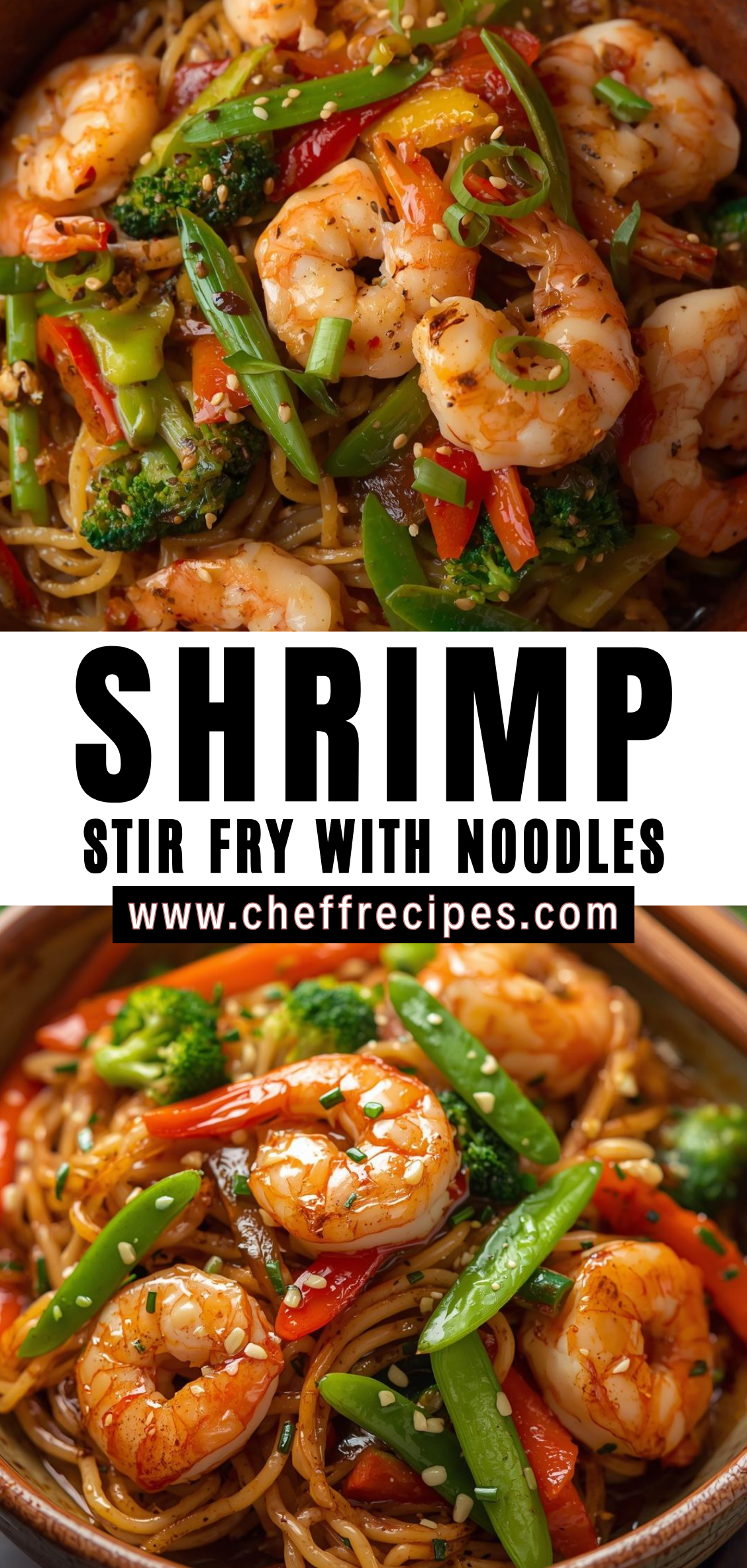
This dish brings together tender shrimp, slurp-worthy noodles, crisp vegetables, and a savory sauce that ties everything together into a satisfying meal that can be made on a busy weeknight or elevated for a special occasion. In this comprehensive guide, we will explore every aspect of Shrimp Stir Fry with Noodles, from ingredient selection and preparation to cooking techniques, flavor balance, variations, storage, and common mistakes. This is not just a recipe but a deep dive designed to help you understand the dish so thoroughly that you can confidently make it your own.
The Essence of Shrimp Stir Fry with Noodles
At its heart, Shrimp Stir Fry with Noodles is about contrast and harmony. You have the sweetness and tenderness of shrimp, the chewiness of noodles, the crunch of vegetables, and the richness of sauce, all coming together in a single pan. The cooking method is fast and intense, preserving freshness while building layers of flavor. Unlike slow-cooked dishes, stir fry rewards preparation and timing, making it both exciting and satisfying to cook.
Why Shrimp Is Ideal for Stir Fry
Shrimp is uniquely suited for stir fry because it cooks extremely quickly and absorbs flavor readily. Its natural sweetness pairs well with savory, salty, and slightly sweet sauces, and its firm yet tender texture holds up well alongside noodles and vegetables. Shrimp also provides lean protein, making the dish feel substantial without being heavy. Choosing the right shrimp and handling it properly is key to achieving restaurant-quality results.
Choosing the Right Shrimp
Size and Type
Medium to large shrimp are ideal for stir fry. Shrimp labeled as large or extra-large provide a satisfying bite and are less likely to overcook than smaller shrimp. Fresh shrimp are excellent if available, but frozen shrimp are often more practical and can be just as good when properly thawed.
Peeled, Deveined, and Tails
For ease of eating, peeled and deveined shrimp are recommended. Tails can be removed to make the dish more comfortable to eat with chopsticks or a fork.
Flavor Preparation
Shrimp benefit from light seasoning before cooking. A small amount of salt, pepper, or even a splash of soy sauce can enhance their natural flavor without overpowering them.
Understanding Noodles and Their Role
Types of Noodles
The choice of noodles greatly influences the final dish. Egg noodles provide richness and chew, rice noodles offer a lighter texture, and wheat-based noodles such as lo mein or udon deliver heartiness. Each noodle type absorbs sauce differently, affecting the overall balance.
Cooking Noodles Properly
Noodles should be cooked just until tender, often slightly undercooked, because they will finish cooking in the stir fry. Overcooked noodles can become mushy and break apart when tossed with sauce and shrimp.
Preparing Noodles for Stir Fry
Draining noodles thoroughly and tossing them with a small amount of oil prevents sticking and ensures they integrate smoothly into the dish.
Vegetables: Color, Texture, and Nutrition
Common Vegetable Choices
Bell peppers, broccoli, snap peas, carrots, cabbage, and scallions are popular choices for shrimp stir fry. These vegetables offer a range of textures and flavors while adding visual appeal.
Cutting for Even Cooking
Vegetables should be cut into uniform sizes to ensure even cooking. Thinner slices cook quickly, matching the fast pace of stir fry.
Balancing Vegetables and Shrimp
The goal is to complement the shrimp rather than overwhelm it. Vegetables should add crunch and freshness without dominating the dish.
Building the Stir Fry Sauce
Core Sauce Components
A classic stir fry sauce often includes soy sauce, garlic, ginger, and a touch of sweetness from sugar, honey, or hoisin sauce. These elements create a balance of salty, savory, and slightly sweet flavors.
Thickening the Sauce
Cornstarch or another starch is often used to thicken the sauce, helping it cling to shrimp and noodles. The sauce should be glossy and coating, not watery or heavy.
Customizing Flavor Profiles
Adding chili paste or fresh chilies introduces heat, while rice vinegar or lime juice adds brightness. Sesame oil contributes nuttiness when used sparingly at the end.
Mise en Place: Preparing Before You Cook
Why Preparation Matters
Stir fry cooking happens quickly, leaving no time to chop or measure once the pan is hot. Preparing all ingredients in advance ensures smooth execution and prevents overcooking.
Organizing Ingredients
Arrange shrimp, vegetables, noodles, and sauce within reach of the stove. This organization is essential for maintaining control during cooking.
Cooking Equipment and Heat Control
Choosing the Right Pan
A wok is traditional and ideal because its shape allows for high heat and quick evaporation. A large skillet can also work if it retains heat well and provides enough surface area.
Heat Management
High heat is crucial for stir fry, but it must be controlled. Too low, and ingredients steam; too high, and they burn. The goal is a hot pan that cooks quickly without scorching.
Step-by-Step Cooking Process
Cooking the Shrimp
Shrimp are typically cooked first because they cook so quickly. They should be seared briefly until just opaque, then removed from the pan to prevent overcooking.
Stir Frying the Vegetables
Vegetables are cooked next, starting with those that take longer to soften. Quick, constant movement ensures even cooking and preserves crispness.
Combining Noodles, Shrimp, and Sauce
Noodles are added to the pan along with the sauce, followed by the shrimp. Everything is tossed together quickly, allowing the sauce to coat each component evenly.
Texture and Flavor Balance
Avoiding Overcooked Shrimp
Shrimp should be tender and juicy, never rubbery. Returning them to the pan only at the end helps maintain proper texture.
Achieving Sauce Harmony
The sauce should enhance, not drown, the ingredients. Adjust seasoning gradually, tasting as you go.
Variations and Adaptations
Spicy Shrimp Stir Fry
Adding chili oil, sriracha, or fresh chilies creates a bold, spicy version. Balance heat with a touch of sweetness.
Garlic Ginger Forward Version
Increasing garlic and ginger emphasizes aromatic intensity and creates a more savory profile.
Vegetable-Heavy Version
Reducing noodles and increasing vegetables creates a lighter, more nutrient-dense dish.
Gluten-Free Adjustments
Using rice noodles and gluten-free soy sauce makes the dish suitable for gluten-free diets.
Serving Suggestions
Garnishes
Scallions, sesame seeds, fresh cilantro, or a squeeze of lime add freshness and visual appeal.
Meal Pairings
This dish can stand alone or be paired with simple appetizers such as spring rolls or a light soup.
Storage and Reheating
Storing Leftovers
Store leftovers in an airtight container in the refrigerator for up to three days. Shrimp is best consumed sooner rather than later.
Reheating Techniques
Reheat gently in a skillet with a splash of water or broth to loosen the sauce. Avoid high heat to prevent overcooking shrimp.
Common Mistakes and How to Avoid Them
Crowding the Pan
Overcrowding lowers the pan temperature and leads to steaming instead of stir frying. Cook in batches if necessary.
Overcooking Noodles
Slightly undercook noodles initially to prevent mushiness in the final dish.
Using Too Much Sauce
Excess sauce can make the dish heavy and mask individual flavors. Aim for balance.
Nutritional Perspective
Shrimp Stir Fry with Noodles offers a balanced meal with protein, carbohydrates, and vegetables. Shrimp is low in fat and high in protein, while vegetables contribute fiber and micronutrients. Adjusting noodle quantity and sauce ingredients allows you to tailor the dish to your nutritional goals.
Why Shrimp Stir Fry with Noodles Works for Home Cooks
This dish works because it is fast, flexible, and forgiving when properly understood. It allows cooks to use available ingredients while still delivering bold, satisfying flavor. The technique is transferable, meaning once you master it, you can apply it to countless other stir fry combinations.
Final Thoughts on Mastering Shrimp Stir Fry with Noodles
Shrimp Stir Fry with Noodles is more than a quick dinner; it is a lesson in preparation, heat control, and balance. By understanding the role of each ingredient and the reasoning behind each step, you gain confidence and creativity in the kitchen.
Shrimp Stir Fry with Noodles
A fast, flavorful stir fry with juicy shrimp, tender noodles, and crisp vegetables tossed in a savory-slightly-sweet sauce. This shrimp noodle stir fry comes together in under 30 minutes and is perfect for busy weeknights.
Ingredients
- Stir Fry
- 12 oz noodles (lo mein, spaghetti, or rice noodles)
- 1 lb large shrimp, peeled and deveined
- 2 tbsp vegetable or sesame oil
- 1 cup broccoli florets
- 1 red bell pepper, thinly sliced
- 1 cup snap peas or snow peas
- 2 cloves garlic, minced
- 1 tsp fresh ginger, grated (or ½ tsp ground)
- Sauce
- ¼ cup soy sauce (low sodium)
- 2 tbsp oyster sauce
- 1 tbsp hoisin sauce (optional, for sweetness)
- 1 tbsp honey or brown sugar
- 1 tsp sesame oil
- 1 tbsp cornstarch
- ¼ cup water or chicken broth
- Garnish (optional)
- Green onions
- Sesame seeds
- Red pepper flakes
Instructions
- Cook noodles
Cook noodles according to package directions. Drain and set aside. - Make sauce
In a small bowl, whisk together soy sauce, oyster sauce, hoisin sauce, honey, sesame oil, cornstarch, and water. Set aside. - Cook shrimp
Heat 1 tablespoon oil in a large skillet or wok over medium-high heat. Add shrimp, season lightly with salt and pepper, and cook 1–2 minutes per side until pink. Remove and set aside. - Stir fry vegetables
Add remaining oil to the skillet. Add broccoli, bell pepper, and snap peas. Stir fry 3–4 minutes until crisp-tender. Add garlic and ginger; cook 30 seconds until fragrant. - Combine
Return shrimp to the skillet. Add cooked noodles and pour in the sauce. Toss constantly for 2–3 minutes until the sauce thickens and coats everything evenly. - Serve
Remove from heat and garnish as desired.
Notes
- Noodle options: Lo mein gives the best takeout-style texture; rice noodles make it gluten-free (use GF soy sauce).
- Shrimp tip: Pat shrimp dry before cooking for better browning.
- Veggie swaps: Carrots, mushrooms, zucchini, or cabbage all work well.
- Spicy kick: Add sriracha or chili garlic sauce to the sauce.