The Slow Cooker French Dip is more than just a sandwich; it is a lesson in patience, transformation, and the way simple ingredients become extraordinary when time is allowed to do the work. This recipe has earned a place in home kitchens because it delivers restaurant-quality results with minimal hands-on effort, making it ideal for busy families, weekend gatherings, and anyone who loves deeply savory comfort food. In this comprehensive post, we will explore not only how to make the perfect Slow Cooker French Dip but also why each step matters, how to adjust it to your taste, and how this humble sandwich became a beloved classic. By the end, you will understand the dish at a professional level and feel confident making it your own.
Understanding the French Dip: History and Concept
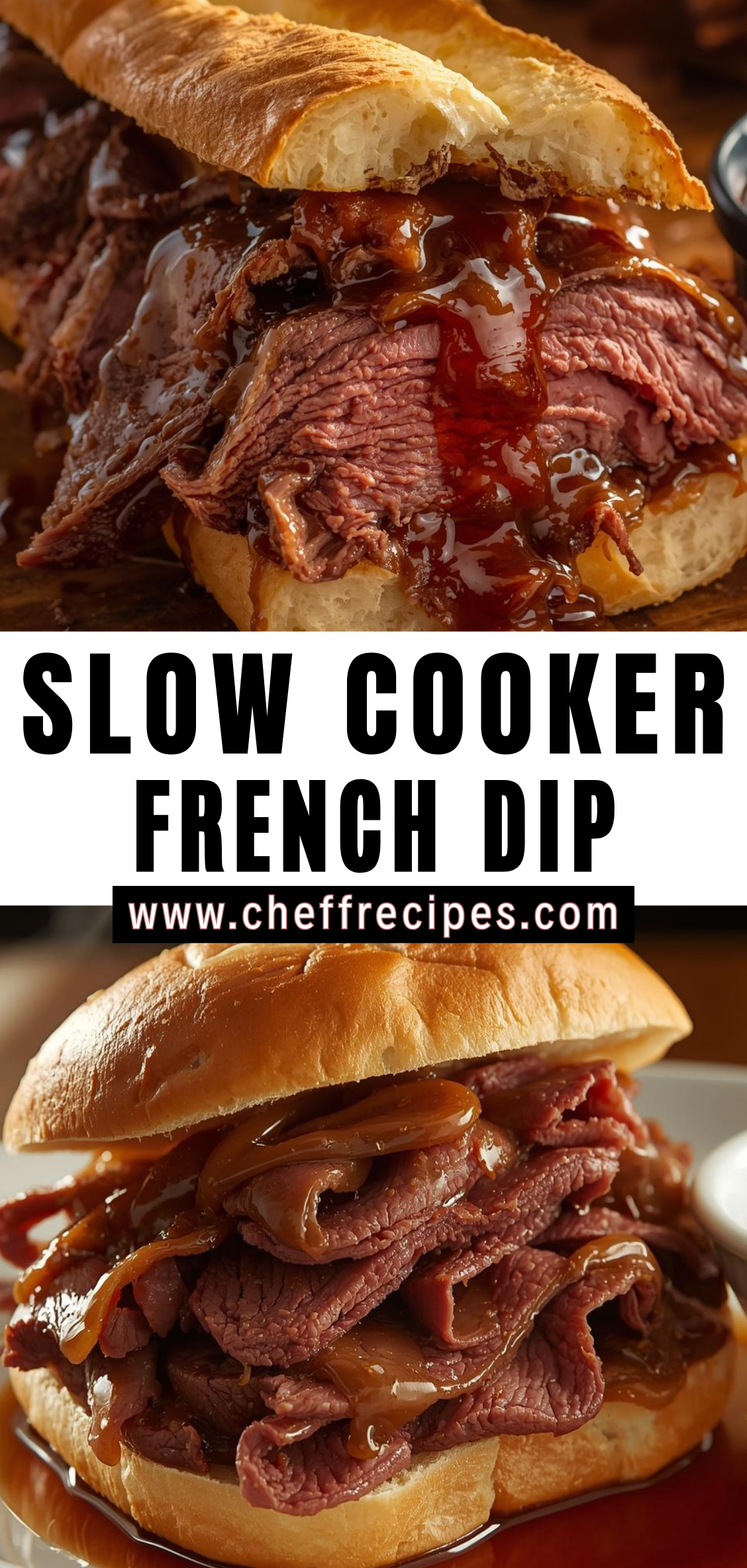
The French Dip sandwich is not French at all, despite its name. Its origins trace back to early twentieth-century Los Angeles, where it was popularized by restaurants that served thinly sliced roast beef on a crusty roll with a side of rich beef jus for dipping. The defining characteristics are tender beef, intensely flavored broth, and bread that can withstand dipping without falling apart. The slow cooker version honors these principles while adapting the cooking method to modern home kitchens. By braising the beef gently for hours, we create both the meat and the dipping broth in one vessel, allowing flavors to concentrate and deepen naturally.
Why the Slow Cooker Is Ideal for French Dip
The slow cooker excels at cooking tougher cuts of beef that are rich in connective tissue. These cuts, when cooked quickly, can be chewy and dry, but when exposed to low heat over an extended period, the collagen melts into gelatin, producing meat that is succulent and easy to shred or slice. This process also enriches the cooking liquid, turning it into a naturally thickened, glossy jus. Unlike stovetop or oven roasting, the slow cooker requires very little attention, which means consistent results and less risk of overcooking. The sealed environment also minimizes evaporation, preserving moisture and flavor throughout the cooking process.
Choosing the Right Cut of Beef
Chuck Roast as the Gold Standard
Chuck roast is the most commonly recommended cut for Slow Cooker French Dip, and for good reason. It has an excellent balance of meat and fat, which ensures richness and tenderness. When cooked low and slow, chuck becomes fork-tender while contributing deep beef flavor to the jus.
Alternative Cuts and Their Characteristics
Other cuts can work as well, including bottom round, rump roast, or even brisket. Bottom round is leaner and slices beautifully, but it requires careful cooking to avoid dryness. Brisket offers incredible flavor but can be more expensive and has a distinct grain that should be sliced carefully. Each cut will produce a slightly different texture and richness, allowing you to tailor the recipe to your preference.
Essential Ingredients and Their Roles
Beef and Aromatics
At the heart of the recipe is the beef itself, supported by onions and garlic. Onions break down during cooking, adding sweetness and body to the jus, while garlic contributes aromatic depth. These ingredients form the flavor base and should not be skipped.
Liquids and Seasonings
Beef broth or stock is essential for creating the dipping liquid. Using a high-quality broth enhances the final flavor significantly. Worcestershire sauce adds umami and subtle tang, while soy sauce or tamari can deepen savory notes. Herbs such as thyme, bay leaf, and rosemary provide background complexity without overpowering the beef. Black pepper and a restrained amount of salt ensure balance, especially since the broth will concentrate over time.
Bread and Cheese Considerations
The bread is just as important as the meat. French rolls, hoagie rolls, or baguettes with a sturdy crust and soft interior are ideal. If you choose to add cheese, provolone is traditional, but Swiss or mozzarella also work well. The cheese should melt smoothly without dominating the beef flavor.
Preparing the Beef for Maximum Flavor
Seasoning and Optional Searing
Before placing the beef in the slow cooker, seasoning it generously with salt and pepper is crucial. Some cooks prefer to sear the beef in a hot pan before slow cooking. This step caramelizes the surface, adding depth and complexity through the Maillard reaction. While not strictly necessary, searing can elevate the final result, especially if you have time.
Building the Flavor Base
Layering sliced onions at the bottom of the slow cooker creates a natural rack for the beef and prevents sticking. Adding garlic, herbs, and liquids around the beef ensures even distribution of flavor. As the beef cooks, its juices mingle with the broth and aromatics, forming the jus that defines the dish.
The Slow Cooking Process Explained
Time and Temperature
Cooking the French Dip on low for eight to ten hours is ideal. This extended time allows the beef to become exceptionally tender and gives the flavors time to meld. Cooking on high can work in a shorter timeframe, but the texture and depth of flavor may not be as refined.
What Happens During Cooking
As the beef cooks, muscle fibers relax and collagen converts to gelatin, enriching the liquid. Onions dissolve into the broth, thickening it slightly and adding sweetness. Herbs release their essential oils, subtly perfuming the jus. The result is a harmonious blend of flavors that cannot be rushed.
Creating the Perfect Jus
Straining and Adjusting
Once the beef is fully cooked, removing it from the slow cooker allows you to focus on the jus. Skimming excess fat from the surface can improve clarity and balance. Straining out spent herbs and onion solids yields a smooth, dippable liquid. Taste and adjust seasoning with salt or a splash of Worcestershire if needed.
Enhancing the Jus
For an even richer jus, some cooks reduce the liquid on the stovetop for a few minutes. This concentrates flavor and slightly thickens the broth. Others add a small amount of beef base or demi-glace for intensity, though the natural juices from the beef are often sufficient.
Preparing the Beef for Sandwiches
Slicing Versus Shredding
Traditional French Dip sandwiches feature thinly sliced beef, which can be achieved by allowing the roast to cool slightly before slicing against the grain. If the beef is extremely tender, shredding may be easier and still delicious, though it creates a different texture.
Keeping the Beef Moist
After slicing or shredding, returning the beef to some of the jus keeps it moist and flavorful until serving. This step also ensures that every bite carries the essence of the broth.
Assembling the French Dip Sandwich
Bread Preparation
Splitting the rolls and lightly toasting them helps prevent sogginess and adds texture. Toasting also creates a barrier that allows the bread to absorb jus gradually rather than collapsing immediately.
Adding Cheese and Beef
If using cheese, placing it on the bread and briefly broiling allows it to melt before adding the beef. Pile the beef generously, ensuring even distribution for consistent flavor.
Serving With Jus
Serve each sandwich with a small bowl of hot jus for dipping. The contrast between the crusty bread, tender beef, and savory broth is the hallmark of a great French Dip.
Variations and Customizations
Flavor Twists
Adding a splash of red wine or balsamic vinegar to the cooking liquid can introduce acidity and complexity. Incorporating caramelized onions instead of raw ones adds sweetness and depth. A touch of horseradish or Dijon mustard can provide subtle heat.
Dietary Adjustments
For a lower-sodium version, use unsalted broth and adjust seasoning at the end. Gluten-free rolls can be substituted without sacrificing enjoyment. The core recipe is naturally dairy-free unless cheese is added.
Serving Suggestions and Pairings
Side Dishes
French Dip sandwiches pair well with simple sides such as fries, roasted potatoes, or a crisp green salad. The richness of the beef benefits from something fresh or crunchy to balance the meal.
Beverage Pairings
A cold beer, particularly a lager or amber ale, complements the savory notes of the sandwich. Red wine with moderate tannins, such as Merlot or Zinfandel, also pairs nicely.
Storage and Reheating
Storing Leftovers
Store leftover beef and jus together in an airtight container in the refrigerator for up to four days. Keeping them combined prevents the meat from drying out.
Reheating for Best Results
Reheat gently on the stovetop or in the microwave, ensuring the beef remains submerged in jus. Toast fresh bread before assembling to recreate the original texture.
Troubleshooting Common Issues
Beef Is Tough
If the beef is tough, it likely needs more time. Return it to the slow cooker and continue cooking until tender.
Jus Is Too Salty
Dilute with unsalted broth or water and adjust seasoning gradually.
Bread Gets Soggy Too Quickly
Toast the bread more thoroughly or choose a sturdier roll with a thicker crust.
Why This Recipe Endures
The Slow Cooker French Dip endures because it satisfies on multiple levels. It is comforting yet elegant, simple yet deeply flavorful. It invites customization while remaining rooted in tradition. Most importantly, it transforms an inexpensive cut of beef into a meal that feels indulgent and special.
Final Thoughts on Mastering Slow Cooker French Dip
Mastering the Slow Cooker French Dip is about understanding how time, temperature, and ingredients work together. By respecting the process and paying attention to details such as seasoning, bread choice, and jus preparation, you can consistently produce a sandwich that rivals any restaurant version. This recipe is not just about feeding people; it is about creating an experience of warmth, satisfaction, and shared enjoyment. Once you have made it a few times, it will likely become a trusted favorite in your cooking repertoire, ready to be adapted and enjoyed for years to come.
Slow Cooker French Dip
Tender, slow-cooked beef simmered in a rich, savory au jus, piled onto toasted rolls and served with the cooking broth for dipping. This slow cooker French Dip is easy, comforting, and perfect for weeknight dinners or casual gatherings.
Ingredients
- Beef & Broth
- 3–4 lb beef chuck roast (or bottom round)
- 4 cups beef broth (low-sodium preferred)
- 1 cup water
- 1 medium onion, thinly sliced
- 3 cloves garlic, minced
- 1 packet (1 oz) dry onion soup mix
- 1 tbsp Worcestershire sauce
- 1 tbsp soy sauce
- 1 tsp dried thyme
- ½ tsp black pepper
- For Serving
- 6–8 hoagie rolls or French rolls
- 6–8 slices provolone or Swiss cheese (optional)
- Butter for toasting rolls (optional)
Instructions
- Prepare the slow cooker
Place sliced onions and garlic in the bottom of the slow cooker. - Add the beef
Place the chuck roast on top of the onions. - Make the au jus
In a bowl, whisk together beef broth, water, onion soup mix, Worcestershire sauce, soy sauce, thyme, and black pepper. Pour over the beef. - Cook
Cover and cook: - Shred the beef
Remove the roast, shred with two forks, and return it to the slow cooker. Let it sit in the broth for 10–15 minutes to soak up flavor. - Assemble sandwiches
Split rolls and lightly butter and toast if desired. Pile shredded beef onto rolls and top with cheese. Broil briefly to melt cheese (optional). - Serve
Ladle the cooking liquid into small bowls for dipping.
Notes
- Best cut of beef: Chuck roast gives the most tender, flavorful results. Bottom round works but may be slightly leaner.
- Richer flavor: Sear the roast in a hot skillet before adding to the slow cooker (optional but excellent).
- Salt control: Use low-sodium broth—the onion soup mix adds plenty of seasoning.
- Make ahead: Beef tastes even better the next day; refrigerate overnight and reheat in the broth.
- Freezer-friendly: Freeze shredded beef with some au jus for up to 3 months.