Carrot cake cheesecake represents a delightful fusion of two beloved desserts, bringing together the warm, spiced, and textured qualities of a classic carrot cake with the creamy, indulgent richness of a cheesecake. This hybrid dessert has become increasingly popular in recent years, appealing to those who love the comforting flavors of traditional carrot cake—carrots, cinnamon, nutmeg, and often hints of ginger and clove—yet crave the luxurious smoothness of a cheesecake filling. The combination allows for layers of texture, flavor, and visual appeal that elevate the dessert beyond either component alone.
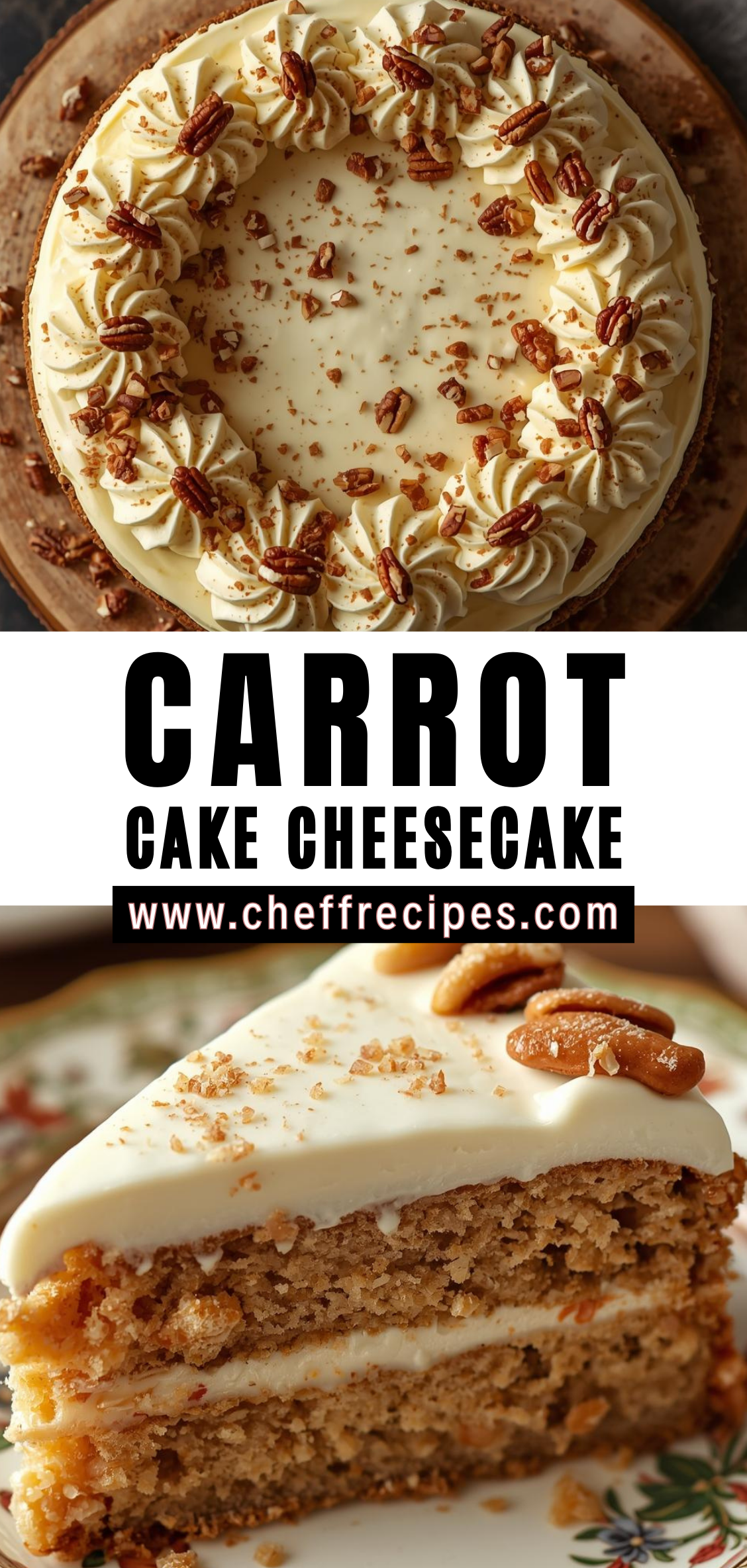
At its core, carrot cake is celebrated for its moist texture and balanced sweetness. The grated carrots introduce natural sugars and moisture while imparting a subtle earthiness. The inclusion of nuts such as walnuts or pecans adds crunch and complexity, while raisins or pineapple contribute bursts of sweetness and tang. Spices like cinnamon, nutmeg, and ginger create warmth and depth, evoking the cozy and familiar essence of autumn and holiday desserts. This balance of flavor and texture makes carrot cake a versatile canvas for adaptation, and when paired with cheesecake, it provides a complementary contrast: the soft, spiced cake layers offset the dense, creamy, slightly tangy cheesecake filling.
Cheesecake, on the other hand, is a study in luxurious texture. Traditionally made with cream cheese, eggs, sugar, and cream or sour cream, the cheesecake filling is smooth, dense, and slightly tangy. The fat content in cream cheese gives it a richness that contrasts beautifully with the sweet spice of carrot cake. In a layered carrot cake cheesecake, the cheesecake element adds a luscious creaminess that balances the slightly coarse and fibrous texture of grated carrots. The result is a dessert that is indulgent yet harmonious, satisfying both the desire for cake and the longing for creamy cheesecake.
The beauty of this dessert lies not only in its flavor but in its visual appeal. A well-executed carrot cake cheesecake typically consists of a sturdy, flavorful crust, a creamy cheesecake layer, and a spiced carrot cake layer. Sometimes, these elements are interwoven in a marbled effect, creating visual intrigue and elevating the presentation. The contrast between the smooth, pale cheesecake and the golden, spiced carrot cake creates a visually striking centerpiece that is as enticing to the eyes as it is to the palate.
Crust selection is another essential aspect of this dessert. While traditional cheesecake crusts often use graham crackers or digestive biscuits, the crust for a carrot cake cheesecake can be adapted to enhance its flavor profile. A nut-based crust, incorporating finely chopped walnuts, pecans, or almonds, adds an additional layer of texture and complements the nutty notes within the cake. Spiced crusts with a touch of cinnamon or brown sugar further echo the aromatic qualities of the carrot cake layer. The crust acts not merely as a foundation but as an integral flavor component that ties together the layers above it.
In addition to texture and flavor, carrot cake cheesecake is versatile in its adaptability. The recipe can accommodate dietary preferences, ingredient availability, and personal flavor twists. Some bakers opt for the addition of crushed pineapple to introduce moisture and subtle sweetness, while others include a cream cheese frosting layer or a drizzle of caramel or spiced glaze to add visual appeal and extra indulgence. Vegan or gluten-free adaptations are possible through careful ingredient substitutions, making this dessert accessible to a wide range of audiences without sacrificing its core qualities.
Carrot cake cheesecake also embodies the celebratory and comforting qualities associated with both desserts. Its complexity makes it ideal for special occasions—birthdays, holidays, or dinner parties—yet it remains approachable enough for home bakers to tackle with confidence. The combination of layers allows for impressive presentation and customization: the dessert can be baked in a standard springform pan for a traditional round cake, in individual ramekins for elegant single servings, or as bars for casual gatherings and ease of serving.
From a technical perspective, carrot cake cheesecake provides opportunities to refine multiple baking skills simultaneously. Achieving a perfectly smooth cheesecake layer requires understanding of temperature control, gentle mixing, and proper baking techniques to prevent cracking. Creating a moist and flavorful carrot cake layer involves mastering grating, folding, and proper integration of ingredients. Assembling a multi-layered dessert tests timing, layering precision, and careful consideration of baking times to ensure that all layers set correctly without overcooking. Each step builds toward a finished dessert that is balanced in flavor, appealing in texture, and visually stunning.
Ultimately, carrot cake cheesecake is more than the sum of its parts. It combines the nostalgic familiarity of carrot cake with the indulgent elegance of cheesecake, resulting in a dessert that is complex yet approachable, rich yet balanced, and comforting yet celebratory. Its appeal spans generations, and its adaptability allows for endless personal interpretations. Whether presented at a family gathering, shared at a holiday celebration, or enjoyed as an indulgent treat on a quiet evening, carrot cake cheesecake promises to deliver flavor, texture, and satisfaction in every bite.
Detailed Instructions
1. Prepare the Crust
The crust serves as the foundation for the entire dessert, and its flavor and texture are essential. A sturdy yet flavorful crust provides contrast to the creamy cheesecake layer and the spiced carrot cake layer.
Ingredients for crust: graham crackers, digestive biscuits, or a nut-based mix (walnuts, pecans, or almonds) combined with melted butter and sugar.
Steps:
-
Preheat the oven to 350°F (175°C).
-
Crush the crackers or nuts finely using a food processor or rolling pin until they resemble coarse sand.
-
Mix the crumbs with melted butter and a tablespoon of sugar (brown sugar enhances the caramelized flavor).
-
Press the mixture firmly into the bottom of a springform pan or a cake pan with a removable base, creating an even layer. Use the back of a spoon or the bottom of a glass to compact it thoroughly.
-
Bake for 8–10 minutes to set the crust, allowing it to firm up and develop a slightly golden color. Remove from the oven and let it cool while preparing the filling.
Tip: Ensure the crust is compacted evenly so the layers above do not shift or sink during baking.
2. Prepare the Cheesecake Layer
The cheesecake layer should be smooth, creamy, and slightly tangy to complement the sweet and spiced carrot cake layer.
Steps:
-
Use room-temperature cream cheese to ensure smooth mixing. Cold cream cheese can create lumps.
-
In a large bowl, beat cream cheese on medium speed until smooth and fluffy, about 2–3 minutes.
-
Add granulated sugar gradually, continuing to beat until fully incorporated.
-
Add eggs one at a time, blending on low speed after each addition to avoid incorporating too much air (which can cause cracks).
-
Mix in vanilla extract and a touch of lemon juice to enhance brightness and balance the sweetness.
-
Optional: Add 1/4 cup sour cream or heavy cream for extra creaminess.
Tip: Avoid overmixing, as this can trap air and cause the cheesecake to crack while baking.
3. Prepare the Carrot Cake Layer
The carrot cake layer should be moist, flavorful, and perfectly spiced.
Steps:
-
Grate carrots finely using a box grater or food processor. Approximately 2–3 cups of grated carrot are needed for a medium pan.
-
In a separate bowl, sift together flour, baking powder, baking soda, salt, cinnamon, nutmeg, and ginger. Optional: a pinch of cloves or allspice adds warmth.
-
In another bowl, whisk eggs with brown sugar until combined. Add oil (vegetable, canola, or melted coconut oil) and mix thoroughly.
-
Gently fold in the dry ingredients until almost combined. Avoid overmixing to keep the cake tender.
-
Fold in grated carrots and optional additions such as crushed pineapple, shredded coconut, raisins, or chopped nuts for texture and flavor.
-
The resulting batter should be thick but spreadable.
Tip: Ensure carrots are well-drained if using canned or juiced pineapple to prevent excess moisture from making the cake soggy.
4. Assemble the Layers
Layering is crucial for both flavor and visual appeal.
-
Begin by pouring the cheesecake batter over the cooled crust, smoothing it evenly with a spatula.
-
Spoon the carrot cake batter on top of the cheesecake layer. For a marbled effect, drop spoonfuls of carrot cake batter at intervals and use a knife or skewer to swirl gently. Avoid overmixing, as you want distinct layers with some marbling for visual appeal.
-
Smooth the top of the carrot cake layer evenly, taking care not to disturb the cheesecake layer underneath.
Tip: For individual servings, you can layer the cheesecake and carrot cake batter in ramekins, creating mini carrot cake cheesecakes.
5. Prepare the Baking Setup
Carrot cake cheesecake benefits from gentle, even baking to prevent cracks and uneven rising.
-
Preheat the oven to 325°F (160°C).
-
Place the assembled cheesecake in a water bath: wrap the springform pan in aluminum foil to prevent leaks and place it in a larger roasting pan filled with hot water halfway up the sides of the cheesecake pan.
-
This technique ensures even heat distribution and prevents the cheesecake from cracking or drying out.
Tip: The water bath is optional but highly recommended for a smooth, professional-quality cheesecake layer.
6. Bake the Cheesecake
-
Bake for approximately 55–70 minutes, depending on the pan size and oven. The edges should be set, and the center should slightly jiggle when the pan is tapped.
-
Avoid overbaking, which can cause cracks and a dry texture.
-
Once done, turn off the oven and allow the cheesecake to cool inside with the oven door slightly open for 10–15 minutes. This gradual cooling prevents the cheesecake from cracking.
7. Cool and Chill
-
Remove the cheesecake from the water bath and peel off the foil carefully.
-
Let the cheesecake cool completely to room temperature on a wire rack.
-
Cover the cheesecake with plastic wrap and refrigerate for at least 4–6 hours, preferably overnight. This chilling step allows the layers to set fully and enhances flavor melding.
Tip: Cheesecake tastes best after resting, as flavors intensify and textures firm up.
8. Optional Frosting or Topping
Carrot cake cheesecake can be finished with a creamy topping for added indulgence:
-
Cream Cheese Frosting: Beat cream cheese with powdered sugar, butter, and vanilla extract until smooth. Spread over the chilled cheesecake.
-
Nuts: Toasted pecans, walnuts, or almonds can be sprinkled on top for texture.
-
Drizzle: Caramel or a light orange glaze can add brightness and elegance.
Tip: Apply toppings only after the cheesecake has fully chilled to prevent sliding or melting.
9. Serving
-
Run a sharp knife under hot water and wipe it dry before slicing to ensure clean, neat cuts.
-
Cut into wedges and serve chilled.
-
Optionally, garnish each slice with a dollop of whipped cream, toasted nuts, or a thin layer of frosting for presentation.
Tip: For individual servings, use ramekins or mini springform pans to create personalized carrot cake cheesecakes.
Carrot Cake Cheesecake
Carrot cake cheesecake represents a delightful fusion of two beloved desserts, bringing together the warm, spiced, and textured qualities of a classic carrot cake with the creamy, indulgent richness of a cheesecake. This hybrid dessert has become increasingly popular in recent years, appealing to those who love the comforting flavors of traditional carrot cake—carrots, cinnamon, nutmeg, and often hints of ginger and clove—yet crave the luxurious smoothness of a cheesecake filling. The combination allows for layers of texture, flavor, and visual appeal that elevate the dessert beyond either component alone.
Ingredients
- For the Crust:
- 1 ½ cups graham cracker crumbs
- ¼ cup granulated sugar
- 6 tbsp unsalted butter, melted
- For the Cheesecake Layer:
- 16 oz (450 g) cream cheese, softened
- ½ cup granulated sugar
- 2 large eggs
- ½ tsp vanilla extract
- ½ tsp ground cinnamon
- For the Carrot Cake Layer:
- 1 ½ cups all-purpose flour
- 1 tsp baking powder
- ½ tsp baking soda
- ½ tsp salt
- 1 tsp ground cinnamon
- ½ tsp ground nutmeg
- ¼ tsp ground ginger
- ½ cup vegetable oil
- ½ cup brown sugar
- 2 large eggs
- 1 tsp vanilla extract
- 1 ½ cups finely grated carrots
- ½ cup crushed pineapple, drained
- ½ cup chopped walnuts or pecans (optional)
- ½ cup shredded coconut (optional)
- For the Cream Cheese Frosting (optional):
- 8 oz (225 g) cream cheese, softened
- ¼ cup unsalted butter, softened
- 1 cup powdered sugar
- ½ tsp vanilla extract
Instructions
- Preheat the oven to 350°F (175°C). Grease a 9-inch springform pan and line the bottom with parchment paper.
- Prepare the crust by mixing graham cracker crumbs, sugar, and melted butter in a bowl. Press the mixture firmly into the bottom of the springform pan and set aside.
- Make the cheesecake layer by beating the cream cheese and sugar together until smooth. Add eggs, one at a time, then stir in vanilla extract and ground cinnamon. Pour the cheesecake mixture over the prepared crust and spread evenly.
- Prepare the carrot cake layer by whisking together flour, baking powder, baking soda, salt, cinnamon, nutmeg, and ginger in a bowl. In a separate bowl, combine oil, brown sugar, eggs, and vanilla extract. Gradually mix the dry ingredients into the wet ingredients until just combined. Fold in grated carrots, pineapple, nuts, and coconut.
- Carefully spoon the carrot cake batter over the cheesecake layer and spread gently to cover.
- Bake in the preheated oven for 60–70 minutes, or until a toothpick inserted into the center comes out mostly clean (a few moist crumbs are okay).
- Remove the cheesecake from the oven and let it cool in the pan for 15 minutes. Then, run a knife around the edge to loosen it and let it cool completely at room temperature. Refrigerate for at least 4 hours, preferably overnight.
- If desired, make the cream cheese frosting by beating together cream cheese, butter, powdered sugar, and vanilla extract until smooth. Spread over the chilled cheesecake before serving.
Notes
This dessert is best made a day in advance to allow the layers to set properly. You can substitute walnuts with pecans or omit nuts entirely for a nut-free version. Crushed pineapple adds moisture and flavor, but make sure to drain it well to prevent a soggy cake. For a decorative touch, sprinkle toasted coconut or chopped nuts on top before serving.