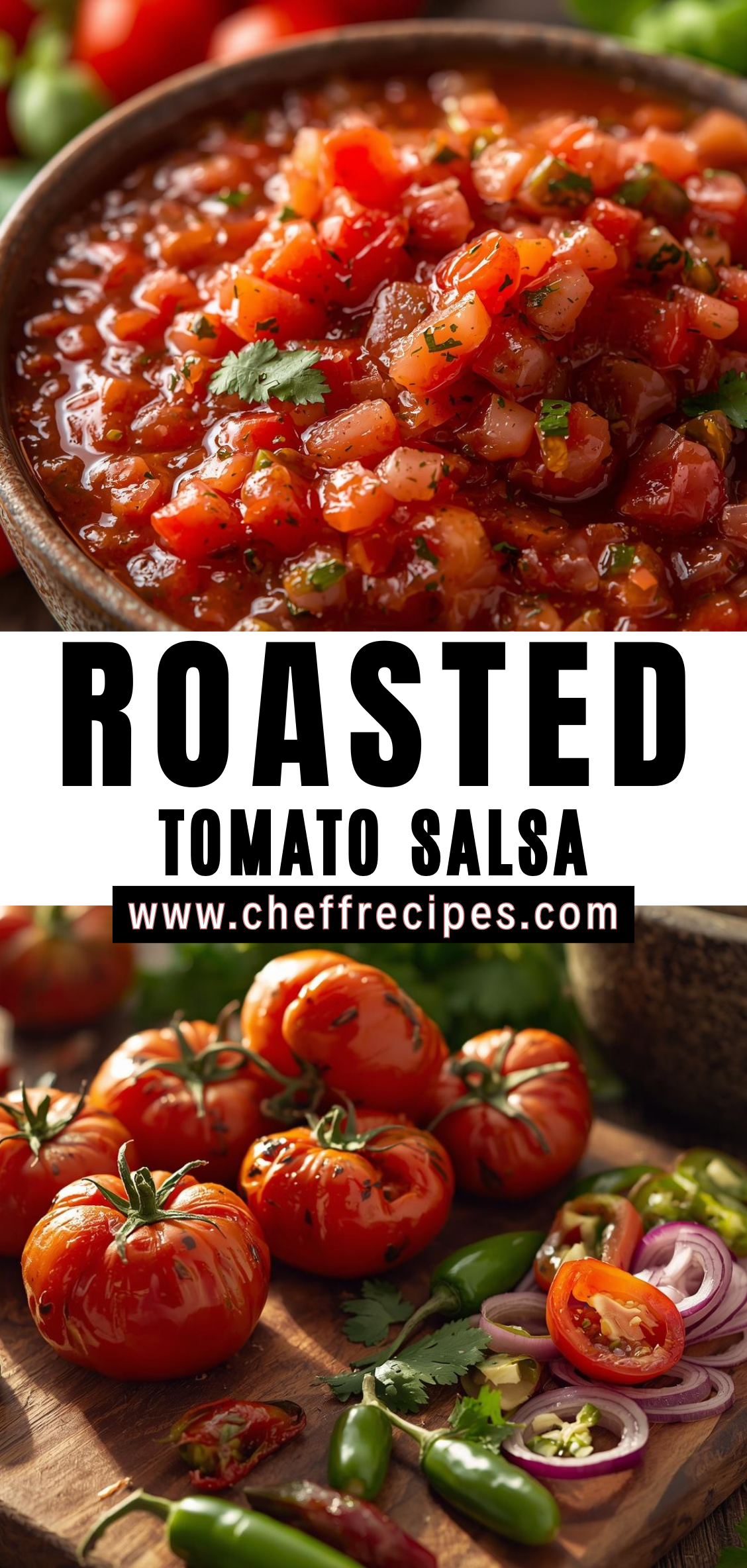
Salsa is more than just a condiment—it is a culinary celebration of freshness, bold flavors, and cultural tradition. Among its many variations, roasted tomato salsa stands out as a particularly rich and nuanced expression of this beloved staple. Unlike fresh salsas, which rely on raw ingredients for brightness and acidity, roasted tomato salsa develops a deeper, more complex flavor profile through the process of roasting. The natural sugars in the tomatoes caramelize, creating a subtle sweetness that balances the vibrant acidity, while roasting the peppers, onions, and garlic adds smoky, earthy undertones. The result is a salsa that is rich, balanced, and deeply satisfying.
The origins of salsa can be traced back thousands of years to Mesoamerican cultures, where indigenous peoples combined native ingredients such as tomatoes, chili peppers, and herbs to create early forms of the sauce. Salsa was not merely a flavor enhancer but an essential element of meals, providing spice, freshness, and nutritional value. Tomatoes, which were cultivated in Central and South America long before European contact, became the foundation of countless sauces and salsas. Chili peppers contributed both heat and depth, while herbs and onions added aromatic layers that complemented the robust flavors.
Roasting transforms these traditional ingredients into something even more extraordinary. The Maillard reaction—a chemical process that occurs when the natural sugars in vegetables are exposed to high heat—intensifies flavors, producing caramelized, savory notes that cannot be achieved with raw ingredients alone. Roasted tomato salsa thus embodies a perfect balance of acidity, sweetness, heat, and smokiness. It exemplifies how simple techniques can elevate humble ingredients into a culinary masterpiece.
Beyond its flavor, roasted tomato salsa is celebrated for its versatility. It can be served as a dip with tortilla chips, poured over tacos, grilled meats, or roasted vegetables, or used as a sauce to enhance grains and legumes. Its depth of flavor allows it to complement a wide range of dishes, from traditional Mexican cuisine to modern fusion recipes. The salsa can be enjoyed fresh and vibrant, stored in jars for later use, or even frozen to preserve its flavor for months.
The beauty of roasted tomato salsa lies not only in its taste but also in its adaptability. Ingredients can be adjusted to match personal preference or seasonal availability. Tomatoes can vary from firm and slightly tart Roma tomatoes to sweet heirlooms, while peppers can range from mild to fiery, allowing cooks to control the intensity of the heat. Garlic, onions, and spices can be tailored to individual taste, making this a highly customizable and approachable recipe.
Making roasted tomato salsa is also a sensory experience. The aroma of roasting tomatoes and peppers fills the kitchen with warmth and anticipation. The vibrant colors of deep red tomatoes, charred green or red peppers, and golden onions create a visually stunning dish that is as appealing to the eyes as it is to the palate. The process engages the senses of smell, sight, and touch, making it a deeply satisfying activity for home cooks and professional chefs alike.
In this recipe, we will guide you step by step through the process of making roasted tomato salsa, covering everything from ingredient selection to roasting techniques, blending, seasoning, and storing. Along the way, we will provide tips for adjusting spice levels, maximizing flavor, and exploring creative variations. We will also discuss the science behind roasting, the role of each ingredient, and ways to troubleshoot common challenges to ensure a consistent, flavorful salsa every time.
Whether you are preparing this roasted tomato salsa for a casual snack, a festive gathering, or as part of a gourmet meal, it promises to be a dish that delights and impresses. It is a testament to how simple ingredients, when treated with care and technique, can be transformed into something extraordinary. With this guide, you will not only master the art of roasted tomato salsa but also gain a deeper appreciation for the flavors, history, and traditions that make this classic condiment a timeless favorite.
Ingredients and Preparation Notes
Before beginning, understanding the ingredients and their roles in roasted tomato salsa is crucial. Proper preparation ensures the final salsa has depth, balance, and complexity.
Ingredients:
-
Tomatoes: 2 pounds, preferably Roma or vine-ripened. Firm tomatoes with good acidity roast well, develop natural sweetness, and provide body to the salsa.
-
Bell peppers: 2 medium, red or green. Roasting bell peppers adds sweetness and a subtle smoky flavor.
-
Onion: 1 medium, yellow or white. Roasting softens the sharpness and enhances natural sugars.
-
Garlic: 4–6 cloves, unpeeled or peeled. Roasted garlic becomes mellow, sweet, and aromatic, forming the backbone of flavor.
-
Jalapeño or serrano peppers: 1–2, depending on desired heat. Roasting reduces sharpness while concentrating flavor.
-
Olive oil: 2 tablespoons. Coats vegetables for even roasting and contributes richness.
-
Salt: 1 teaspoon, adjustable. Enhances natural flavors and balances acidity.
-
Black pepper: ½ teaspoon, freshly ground. Adds mild heat and complexity.
-
Lime juice: Juice of 1 lime, added after roasting. Brightens flavors and balances sweetness.
-
Fresh cilantro: 2 tablespoons, chopped. Optional, added after blending for freshness.
Optional enhancements:
-
Smoked paprika for extra smokiness
-
Cumin for earthy depth
-
Honey or agave for a touch of sweetness if tomatoes are tart
Step-by-Step Instructions
Step 1: Preparing the Vegetables for Roasting
-
Wash and dry vegetables thoroughly: Moisture on the surface can prevent proper roasting and lead to steaming rather than caramelization.
-
Slice tomatoes and peppers: Halve tomatoes lengthwise and remove cores. Slice bell peppers in halves or quarters, removing seeds and membranes. Jalapeños can be left whole for moderate heat or halved for more intense roasting.
-
Peel garlic if desired: Roasting garlic with skin protects it from burning while softening the cloves. Peeled cloves will roast faster and caramelize more deeply.
-
Cut onions into wedges: Even wedges ensure uniform roasting and sweetness development.
Step 2: Roasting the Vegetables
-
Preheat oven: 425°F (220°C). High heat encourages caramelization and deepens flavor.
-
Toss vegetables with olive oil and seasoning: Drizzle olive oil over tomatoes, peppers, onions, and garlic. Sprinkle with salt and black pepper. Toss gently to coat evenly.
-
Arrange on baking sheet: Spread vegetables in a single layer with cut sides facing down for tomatoes and peppers. Avoid overcrowding to allow hot air to circulate and promote even roasting.
-
Roast 20–30 minutes: Rotate vegetables halfway through for even color. Look for charred edges, softened flesh, and caramelized surfaces. Roasting intensifies sweetness and develops smoky undertones that define the salsa.
Step 3: Cooling and Preparing for Blending
-
Cool slightly: Let roasted vegetables rest for 5–10 minutes to make handling easier and prevent over-thinning the salsa.
-
Peel skins if desired: Bell peppers and tomatoes may have charred skins that can be removed for a smoother salsa. Peeling is optional; some prefer the texture and smoky flavor retained by leaving skins intact.
-
Remove seeds for milder salsa: Seeds in peppers add heat. Removing them creates a smoother, more balanced salsa.
Step 4: Blending the Salsa
-
Transfer vegetables to a blender or food processor: Include roasted tomatoes, peppers, onions, garlic, and jalapeños.
-
Add lime juice and optional spices: Lime juice adds acidity, balancing sweetness from roasting. Optional cumin or smoked paprika enhances depth.
-
Blend to desired consistency: For chunky salsa, pulse lightly. For smooth salsa, blend longer. Avoid over-blending if you want texture in the finished product.
-
Adjust seasoning: Taste and add salt, pepper, or extra lime juice as needed. The balance between sweetness, acidity, and heat should be harmonious.
Step 5: Adding Fresh Herbs and Final Touches
-
Add cilantro: Stir in chopped cilantro just before serving for bright, herbal notes.
-
Optional garnishes: Drizzle with extra virgin olive oil, sprinkle with smoked paprika, or top with diced fresh tomatoes for presentation.
Step 6: Serving and Storing
-
Serving suggestions:
-
As a dip with tortilla chips
-
Topping for tacos, grilled meats, or roasted vegetables
-
Sauce for eggs, rice bowls, or roasted potatoes
-
-
Storage:
-
Refrigerate in an airtight container for up to 5–7 days.
-
Freeze in portions for up to 3 months; thaw in the refrigerator before use.
-
Step 7: Optional Variations and Enhancements
-
Roasted tomatillo version: Substitute half the tomatoes with tomatillos for a tangy, vibrant twist.
-
Smoky chipotle addition: Add chipotle in adobo sauce for heat and deep smokiness.
-
Roasting method adjustments: Broil vegetables for 5–10 minutes after roasting to intensify char and caramelization.
-
Salsa verde fusion: Blend with fresh herbs and lime for a hybrid roasted and fresh salsa.
Roasted Tomato Salsa
Salsa is more than just a condiment—it is a culinary celebration of freshness, bold flavors, and cultural tradition. Among its many variations, roasted tomato salsa stands out as a particularly rich and nuanced expression of this beloved staple.
Ingredients
- 4–5 medium ripe tomatoes, halved
- 1 small onion, quartered
- 2–3 cloves garlic, peeled
- 1–2 jalapeños (adjust to taste), halved
- 2 tbsp olive oil
- 1/2 tsp salt (or to taste)
- 1/4 tsp black pepper
- 1/4 cup fresh cilantro leaves
- 1 tbsp lime juice (about half a lime)
Instructions
1. Prepare Vegetables for Roasting
- Preheat the oven to 425°F (220°C).
- Arrange the tomato halves, onion quarters, garlic cloves, and jalapeño halves on a baking sheet.
- Drizzle with olive oil and sprinkle with salt and black pepper.
2. Roast the Vegetables
- Roast in the preheated oven for 20–25 minutes, or until the vegetables are soft and slightly charred at the edges.
- Remove from the oven and let cool for a few minutes.
3. Blend the Salsa
- Transfer the roasted vegetables to a blender or food processor.
- Add the cilantro leaves and lime juice.
- Pulse or blend until smooth, or leave slightly chunky if you prefer a rustic texture.
- Taste and adjust seasoning with additional salt or lime juice if needed.
4. Serve and Store
- Serve immediately with tortilla chips, tacos, or grilled meats.
- Store leftovers in an airtight container in the refrigerator for up to 5 days.
Notes
- Spice Level: Remove seeds from jalapeños for a milder salsa.
- Smoky Flavor: Broil the vegetables for 1–2 minutes at the end of roasting to enhance smokiness.
- Make Ahead: Salsa can be made a day in advance; flavors develop more overnight.