Hawaiian Roll French Toast is a breakfast and brunch dish that transforms an already beloved bread into something truly indulgent, nostalgic, and irresistibly comforting. Soft, slightly sweet Hawaiian rolls soak up a rich custard, cook into a golden exterior, and remain pillowy and tender inside.
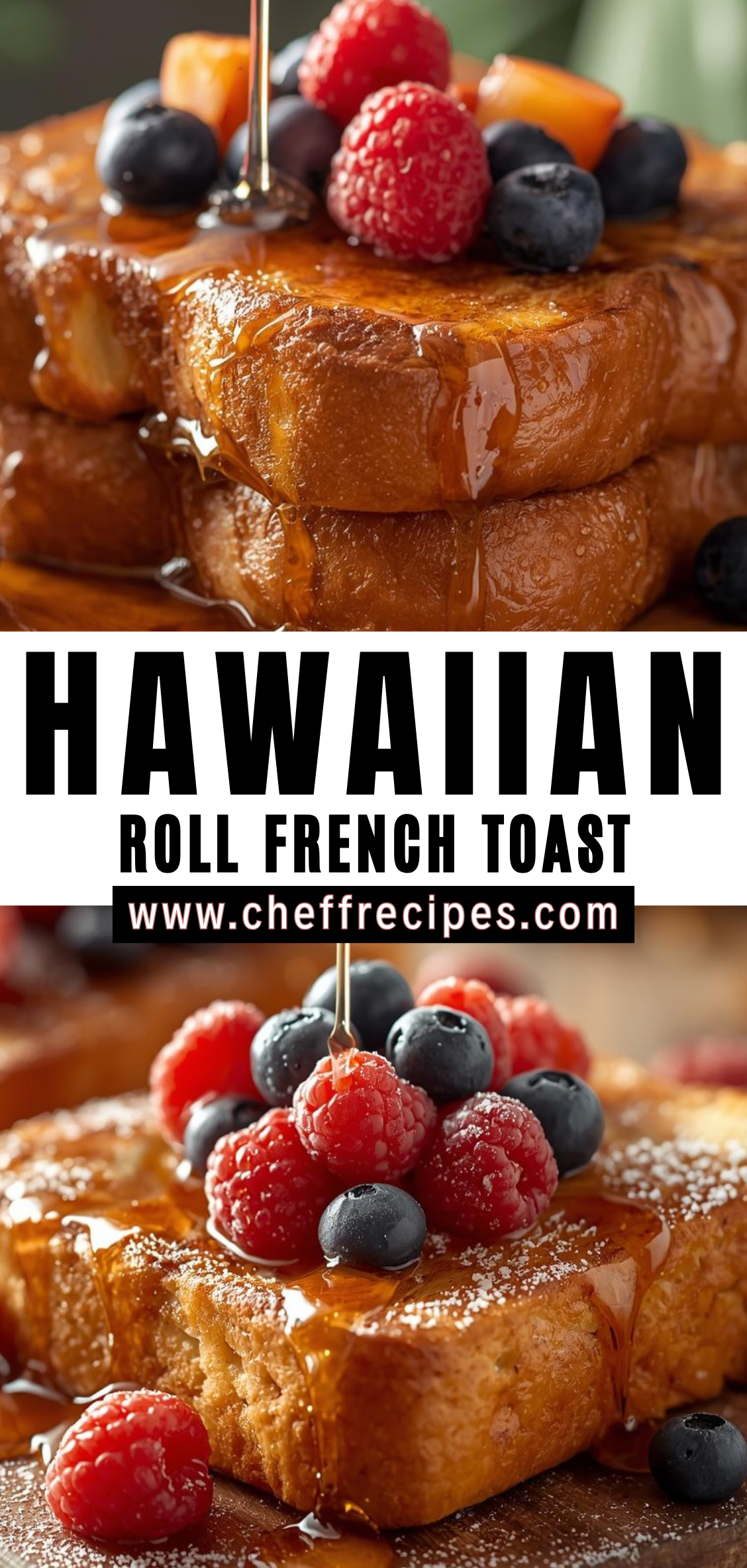
This dish sits at the crossroads of classic French toast and dessert-level decadence, making it perfect for slow weekend mornings, holiday brunches, family gatherings, or anytime you want breakfast to feel special. In this extensive guide, you will learn not only how to make Hawaiian Roll French Toast but also why it works so well, how to master its texture and flavor, and how to adapt it endlessly to suit your taste and occasion. This is not just a recipe but a complete understanding of the dish from concept to plate.
The Appeal of Hawaiian Roll French Toast
Hawaiian Roll French Toast stands out because it elevates a familiar comfort food using a bread that is already enriched, sweet, and soft. Traditional French toast often relies on day-old bread to absorb custard, but Hawaiian rolls change the experience entirely. Their tender crumb, slight sweetness, and buttery aroma create a French toast that feels more luxurious and dessert-like without requiring complicated techniques. This dish appeals to both children and adults, offering nostalgia, comfort, and indulgence in every bite.
Why Hawaiian Rolls Are Perfect for French Toast
Hawaiian rolls are uniquely suited for French toast because of their enriched dough. Made with eggs, milk, sugar, and butter, they already contain many of the elements found in French toast custard. This allows them to absorb liquid quickly without falling apart, resulting in a creamy interior and a lightly crisp exterior. Their subtle sweetness pairs beautifully with vanilla, cinnamon, maple syrup, and fruit, making them an ideal base for both simple and elaborate presentations.
Understanding the Texture Advantage
Soft Interior, Golden Exterior
When cooked properly, Hawaiian Roll French Toast achieves a contrast that is difficult to replicate with standard bread. The outside develops a golden-brown crust, while the inside remains soft, moist, and almost custard-like. This texture is the hallmark of exceptional French toast and one of the main reasons Hawaiian rolls excel in this recipe.
Absorption Without Collapse
Because Hawaiian rolls are sturdy yet soft, they soak up custard evenly without becoming soggy. This allows for deeper flavor penetration and consistent cooking, even when using thicker slices or whole rolls.
Ingredient Breakdown and Their Purpose
Hawaiian Rolls
The star of the dish, Hawaiian rolls can be used whole, halved, or sliced depending on presentation preference. Slightly stale rolls work best, but fresh rolls can also be used with careful soaking.
Eggs
Eggs form the structure of the custard, providing richness and helping the toast set during cooking. They are essential for achieving a creamy interior and cohesive texture.
Milk and Cream
Milk thins the custard, while cream adds richness. Using a combination allows you to control the balance between lightness and indulgence. Whole milk is ideal, but half-and-half or heavy cream can be added for a more luxurious result.
Sweeteners
Sugar, brown sugar, honey, or maple syrup can be used to sweeten the custard. Brown sugar adds depth and caramel notes, while white sugar keeps the flavor clean and classic.
Vanilla and Spices
Vanilla extract enhances sweetness and aroma, while cinnamon and nutmeg add warmth. These flavors complement the natural sweetness of Hawaiian rolls without overpowering them.
Butter for Cooking
Butter creates a flavorful, golden crust and prevents sticking. It also adds richness and a familiar breakfast aroma that enhances the overall experience.
Preparing the Rolls
Whole vs. Sliced Rolls
Using whole rolls creates a pull-apart, bite-sized presentation that feels playful and indulgent. Slicing rolls in half or thirds increases surface area for browning and creates a more traditional French toast appearance.
Fresh vs. Day-Old Rolls
Day-old rolls absorb custard more evenly and reduce the risk of sogginess. If using fresh rolls, allow them to sit uncovered for a short time to dry slightly before soaking.
Crafting the Perfect Custard
Balancing Liquid and Eggs
The ratio of eggs to milk determines texture. Too much liquid results in soggy toast, while too many eggs create a dense, scrambled texture. The goal is a smooth, pourable custard that coats the rolls evenly.
Flavor Infusion
Whisking vanilla, spices, and sweetener thoroughly into the custard ensures even flavor distribution. Allowing the custard to rest briefly helps flavors meld before soaking the rolls.
Soaking Technique
How Long to Soak
Hawaiian rolls absorb custard quickly, so soaking should be brief. The rolls should be saturated but not dripping excessively. Turning them gently ensures even absorption.
Avoiding Sogginess
Avoid overcrowding the custard bowl and do not over-soak. Excess liquid leads to uneven cooking and a mushy interior.
Cooking Methods Explained
Stovetop Method
Cooking on a skillet or griddle allows for precise control over browning. Medium heat is ideal, ensuring the exterior browns before the interior overcooks. Cooking in batches prevents steaming and promotes even color.
Oven-Baked Method
Baking Hawaiian Roll French Toast casserole-style is perfect for feeding a crowd. This method produces a softer, bread-pudding-like texture and allows for hands-off cooking.
Combination Approach
Some cooks brown the rolls on the stovetop and finish them in the oven. This ensures a crisp exterior and fully set interior, especially for thicker pieces.
Achieving the Ideal Golden Crust
Heat Control
Moderate, steady heat prevents burning and allows the custard to cook through. Butter should foam but not brown excessively before adding the rolls.
Flipping Technique
Flip gently and only once if possible. Frequent flipping disrupts crust formation and can cause tearing.
Flavor Enhancements and Variations
Cinnamon Sugar Crust
Sprinkling cinnamon sugar onto the rolls while cooking creates a caramelized exterior reminiscent of churros.
Cream Cheese Stuffed Version
Slicing rolls and filling them with sweetened cream cheese before soaking adds richness and creates a stuffed French toast variation.
Tropical-Inspired Additions
Pineapple, coconut flakes, or a splash of coconut milk in the custard reinforces the Hawaiian theme and adds brightness.
Savory-Sweet Twist
Reducing sugar and adding a pinch of salt allows the rolls’ natural sweetness to shine, pairing well with bacon or sausage.
Toppings and Serving Ideas
Classic Toppings
Maple syrup, powdered sugar, and butter are timeless choices that highlight the rolls’ sweetness.
Fruit-Based Toppings
Fresh berries, sliced bananas, caramelized apples, or warm berry compote add acidity and freshness.
Indulgent Sauces
Whipped cream, cream cheese glaze, or vanilla custard transform the dish into a dessert-level experience.
Serving for Different Occasions
Family Breakfast
Serve simply with syrup and fruit for a comforting, approachable meal.
Holiday Brunch
Add decorative garnishes, multiple toppings, and baked versions to feed a crowd with minimal stress.
Dessert Presentation
Pair with ice cream or chocolate drizzle for an unconventional but delightful dessert.
Storage and Reheating
Storing Leftovers
Store cooked French toast in an airtight container in the refrigerator for up to three days.
Reheating Methods
Reheat in the oven or toaster oven to restore crispness. Microwaving works but softens the exterior.
Common Mistakes and How to Avoid Them
Over-Soaking the Rolls
Too much custard leads to sogginess and uneven cooking. Soak briefly and drain excess.
Cooking on High Heat
High heat burns the exterior before the interior sets. Medium heat ensures proper texture.
Underseasoning the Custard
Even sweet dishes require adequate seasoning. A pinch of salt enhances sweetness and balance.
Nutritional Perspective
Hawaiian Roll French Toast is an indulgent dish, best enjoyed in moderation. It provides carbohydrates for energy, protein from eggs, and fats from dairy and butter. Portion control and thoughtful toppings can help balance indulgence with enjoyment.
Why Hawaiian Roll French Toast Works So Well
This dish works because it builds on something people already love and enhances it without unnecessary complexity. The rolls provide built-in flavor and texture, allowing the cook to focus on technique rather than structural challenges. The result is consistently delicious and highly adaptable.
Final Thoughts on Mastering Hawaiian Roll French Toast
Hawaiian Roll French Toast is the definition of joyful cooking. It is warm, comforting, and flexible enough to suit countless tastes and occasions.
Hawaiian Roll French Toast
Soft, sweet Hawaiian rolls soak up a rich vanilla-cinnamon custard and cook into golden, pillowy French toast with crisp edges and a tender center. This is an easy, crowd-pleasing breakfast or brunch that feels extra special with minimal effort.
Ingredients
- 12 Hawaiian sweet rolls, sliced in half
- 3 large eggs
- ¾ cup milk or half-and-half
- 2 tbsp heavy cream (optional, for extra richness)
- 2 tbsp granulated sugar or brown sugar
- 1 tsp vanilla extract
- 1 tsp ground cinnamon
- ¼ tsp nutmeg (optional)
- Pinch of salt
- 2 tbsp butter, for cooking
- For Serving (optional)
- Maple syrup
- Powdered sugar
- Fresh berries
- Whipped cream
Instructions
- Make custard
In a shallow bowl, whisk together eggs, milk, cream, sugar, vanilla, cinnamon, nutmeg, and salt. - Dip rolls
Quickly dip each roll half into the custard, letting excess drip off. Do not soak too long—the rolls are very soft. - Cook
Heat a large skillet or griddle over medium heat and melt butter. Cook rolls cut-side down for 2–3 minutes per side until golden brown. - Serve
Serve warm with desired toppings.
Notes
- Best texture: Day-old rolls work best, but fresh are fine if dipped quickly.
- Flavor boost: Add orange zest or a splash of coconut milk to the custard.
- Stuffed option: Spread cream cheese or Nutella between roll halves before dipping.
- Make ahead: Assemble baked version the night before and refrigerate; bake in the morning.
- Serving idea: Top with toasted coconut and pineapple for a tropical twist.