Easy Chicken Lo Mein is one of those comforting, reliable dishes that feels familiar, satisfying, and endlessly adaptable. It brings together tender chicken, chewy noodles, crisp vegetables, and a savory sauce that coats everything evenly without feeling heavy.
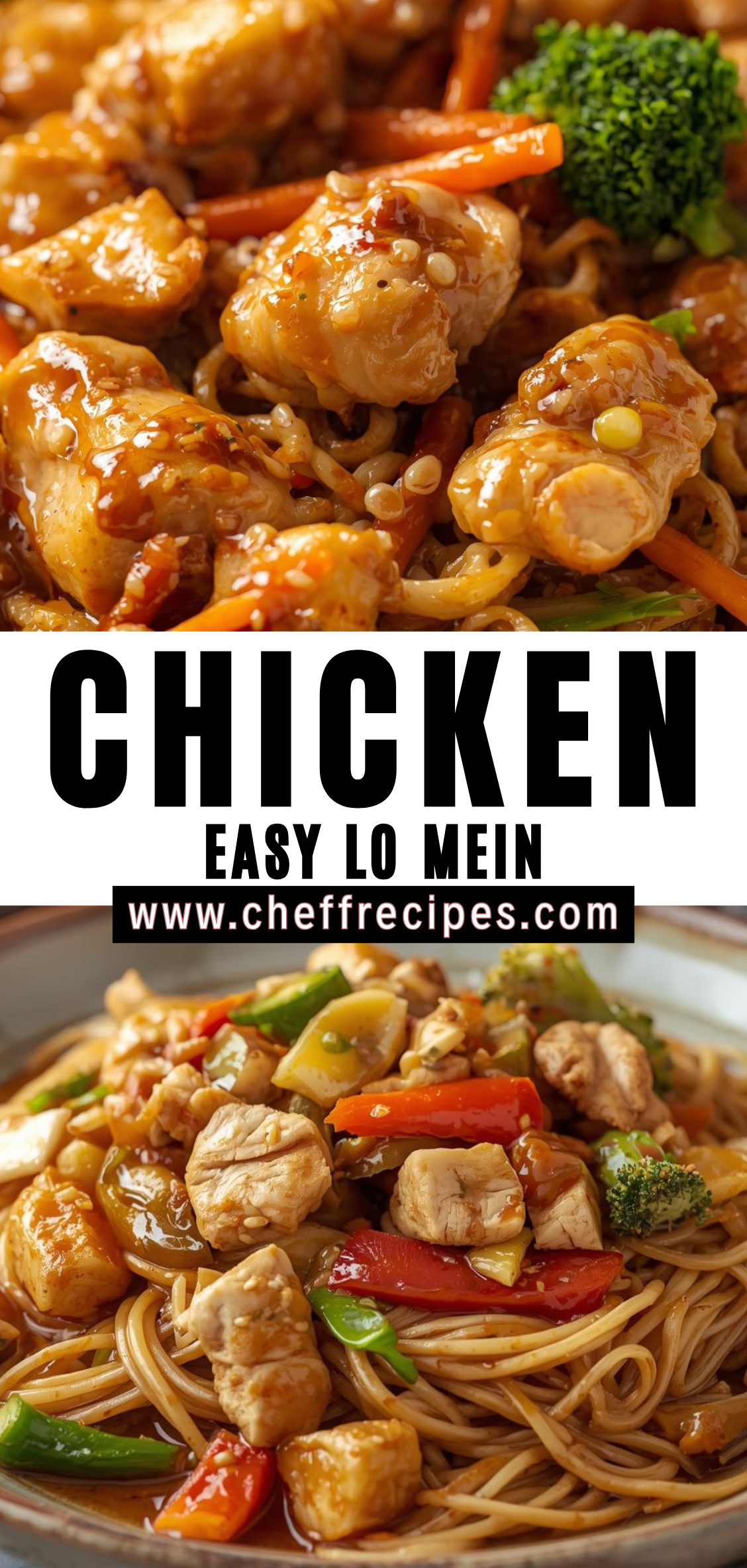
This long-form post is designed to walk you through the entire experience of making Chicken Lo Mein at home, from understanding the ingredients and techniques to mastering timing, balance, and customization. The focus is on simplicity, family-friendly cooking, and clear explanations so the recipe is approachable for beginners while still interesting for experienced home cooks.
What Makes Lo Mein Special
Lo Mein translates loosely to “tossed noodles,” which is an accurate description of the cooking method rather than a strict recipe. Unlike fried noodle dishes, Lo Mein noodles are boiled separately and then tossed with stir-fried ingredients and sauce at the end. This technique keeps the noodles soft and springy while allowing them to absorb flavor without becoming greasy. Chicken Lo Mein works especially well because chicken has a mild flavor that takes on sauce easily and cooks quickly, making it ideal for weeknight meals.
Understanding the Flavor Profile
Chicken Lo Mein is built on balance. The noodles provide a neutral, slightly wheaty base. Chicken adds protein and savory depth. Vegetables contribute freshness, texture, and subtle sweetness. The sauce ties everything together with salty, umami-rich notes balanced by a touch of sweetness and aroma from garlic and ginger. The goal is harmony rather than intensity, so no single ingredient overwhelms the dish.
Choosing the Right Noodles
Traditional Lo Mein Noodles
Traditional Lo Mein noodles are fresh egg noodles made from wheat flour and eggs. They are yellow, springy, and cook quickly. If you can find fresh or dried Lo Mein noodles at an Asian grocery store, they are ideal.
Spaghetti as a Substitute
Spaghetti is a widely accepted substitute and works surprisingly well. Cook it just until al dente and rinse briefly with warm water to remove excess starch. This keeps the noodles from clumping and helps them absorb sauce evenly.
Other Noodle Options
Udon noodles create a thicker, chewier version. Thin wheat noodles offer a lighter texture. Rice noodles can be used, but the dish will no longer resemble classic Lo Mein and will require gentler handling.
Selecting the Chicken
Chicken Breast
Chicken breast is lean, cooks quickly, and absorbs marinades well. Slice it thinly against the grain for tenderness.
Chicken Thigh
Chicken thigh is slightly fattier and more forgiving, staying juicy even if slightly overcooked. It adds richer flavor and works beautifully in Lo Mein.
Preparing the Chicken
Cut the chicken into uniform strips to ensure even cooking. A short marinade with soy sauce and a little cornstarch improves texture and flavor without adding complexity.
Vegetables and Their Role
Vegetables are essential for contrast and freshness. Common choices include carrots, bell peppers, snow peas, cabbage, mushrooms, and green onions. The key is to slice everything thinly and consistently so it cooks quickly and evenly. You can use whatever vegetables you have on hand, which makes this dish practical and economical.
Sauce Components Explained
Soy Sauce
Soy sauce provides salt and umami. A mix of light soy sauce and a small amount of dark soy sauce adds depth and color, but regular soy sauce works fine.
Oyster Sauce
Oyster sauce adds sweetness and richness. If unavailable, hoisin sauce or a soy-based stir-fry sauce can substitute, though the flavor will change slightly.
Sesame Oil
A small amount of toasted sesame oil adds aroma and nuttiness. It should be used sparingly and added near the end.
Sugar
A touch of sugar balances saltiness and enhances overall flavor without making the dish sweet.
Garlic and Ginger
These aromatics form the backbone of flavor. Fresh is best, finely minced for even distribution.
Essential Equipment
A large wok or wide skillet allows for even heat and easy tossing. A pot for boiling noodles is necessary. A sharp knife ensures clean cuts, and a cutting board keeps prep organized. Having all ingredients ready before cooking is crucial because the process moves quickly.
Ingredient List Overview
Chicken breast or thigh, Lo Mein noodles or spaghetti, soy sauce, oyster sauce, sesame oil, sugar, garlic, ginger, neutral cooking oil, mixed vegetables, green onions, and optional cornstarch for marinating.
Preparing the Ingredients
Start by slicing the chicken thinly and marinating it briefly with soy sauce and cornstarch. Wash and cut vegetables into uniform pieces. Mince garlic and ginger finely. Measure out sauce ingredients and mix them in a small bowl. Boil noodles until just tender, drain, and set aside. This preparation ensures smooth cooking without delays.
Cooking the Chicken
Heat the wok over medium-high heat and add oil. Once hot, add the chicken in a single layer. Let it sear briefly before stirring to develop flavor. Cook until just done and remove from the wok. This prevents overcooking and keeps the chicken tender.
Cooking the Vegetables
Add a bit more oil if needed and sauté garlic and ginger until fragrant. Add vegetables starting with those that take longest to cook, such as carrots, followed by quicker-cooking ones like snow peas or cabbage. Stir-fry until crisp-tender, preserving color and texture.
Bringing Everything Together
Return the chicken to the wok with the vegetables. Add the cooked noodles and pour the sauce evenly over everything. Toss gently but thoroughly to coat noodles and distribute ingredients. Add sesame oil at the end for aroma. Cook just long enough for everything to heat through and the sauce to cling to the noodles.
Adjusting Flavor and Texture
Taste and adjust seasoning with additional soy sauce or a pinch of sugar if needed. If the noodles seem dry, add a splash of water or chicken broth. If too wet, cook briefly to allow excess moisture to evaporate.
Serving Suggestions
Serve Chicken Lo Mein hot, garnished with sliced green onions. It works well as a standalone meal or alongside simple dishes like steamed vegetables or soup.
Common Mistakes and How to Avoid Them
Overcooking noodles leads to mushy texture, so cook them just until tender. Crowding the wok causes steaming instead of stir-frying, so cook in batches if necessary. Adding sauce too early can make noodles soggy, so toss at the end.
Make-Ahead and Storage Tips
Ingredients can be prepped in advance and stored separately. Leftovers keep well in the refrigerator for up to three days. Reheat gently in a skillet with a splash of water to restore moisture.
Customization Ideas
Vegetable-Heavy Version
Increase vegetables and reduce noodles for a lighter dish.
Spicy Chicken Lo Mein
Add chili paste or crushed red pepper for heat.
Sauce Variations
Add a small amount of hoisin for sweetness or rice vinegar for tang.
Nutritional Perspective
Chicken Lo Mein offers a balance of carbohydrates, protein, and vegetables. Portion control and vegetable variety help keep it wholesome. Using lean protein and moderate oil makes it suitable for regular meals.
Cooking for Different Skill Levels
Beginners benefit from careful prep and moderate heat. More experienced cooks can increase heat and work quickly for deeper flavor. The recipe scales easily for families or leftovers.
Cultural Context
Lo Mein is a Chinese-American classic inspired by Cantonese cooking traditions. While home versions may differ from restaurant styles, the essence lies in simplicity, balance, and technique rather than strict authenticity.
Final Thoughts
Easy Chicken Lo Mein is a dependable, comforting dish that adapts to your kitchen, schedule, and preferences.
Easy Chicken Lo Mein
This Easy Chicken Lo Mein is a quick, one-pan noodle dish with tender chicken, crisp vegetables, and savory-slightly sweet sauce. It’s faster (and lighter) than takeout, making it perfect for busy weeknights or beginner cooks.
Ingredients
- Lo Mein
- 8 oz lo mein noodles (or spaghetti)
- 1 Tbsp vegetable or olive oil
- 1 lb boneless, skinless chicken breast, thinly sliced
- Salt and black pepper, to taste
- 2 cloves garlic, minced
- 1 tsp fresh ginger, minced (optional)
- 1 cup shredded carrots
- 1 cup sliced bell pepper (any color)
- 1 cup snap peas or broccoli florets
- 3 green onions, sliced
- Sauce
- ¼ cup low-sodium soy sauce
- 2 Tbsp hoisin sauce
- 1 Tbsp oyster sauce (optional, but recommended)
- 1 Tbsp honey or brown sugar
- 1 tsp sesame oil
- 2 Tbsp water
Instructions
- Cook noodles according to package directions. Drain and set aside.
- Cook chicken: Heat oil in a large skillet or wok over medium-high heat. Season chicken lightly with salt and pepper and cook 4–5 minutes, until cooked through. Remove chicken from pan.
- Sauté veggies: In the same pan, add garlic and ginger. Cook 30 seconds until fragrant. Add carrots, bell pepper, and snap peas; cook 3–4 minutes until just tender.
- Make it lo mein: Return chicken to the pan. Add cooked noodles and pour in the sauce.
- Toss & heat: Toss everything together and cook 2–3 minutes until evenly coated and hot.
- Finish: Stir in green onions and serve immediately.
Notes
- Noodle swap: Spaghetti works great if lo mein noodles aren’t available.
- Veggie flexibility: Mushrooms, cabbage, zucchini, or frozen stir-fry veggies all work.
- Extra sauce: Double the sauce if you like extra saucy noodles.